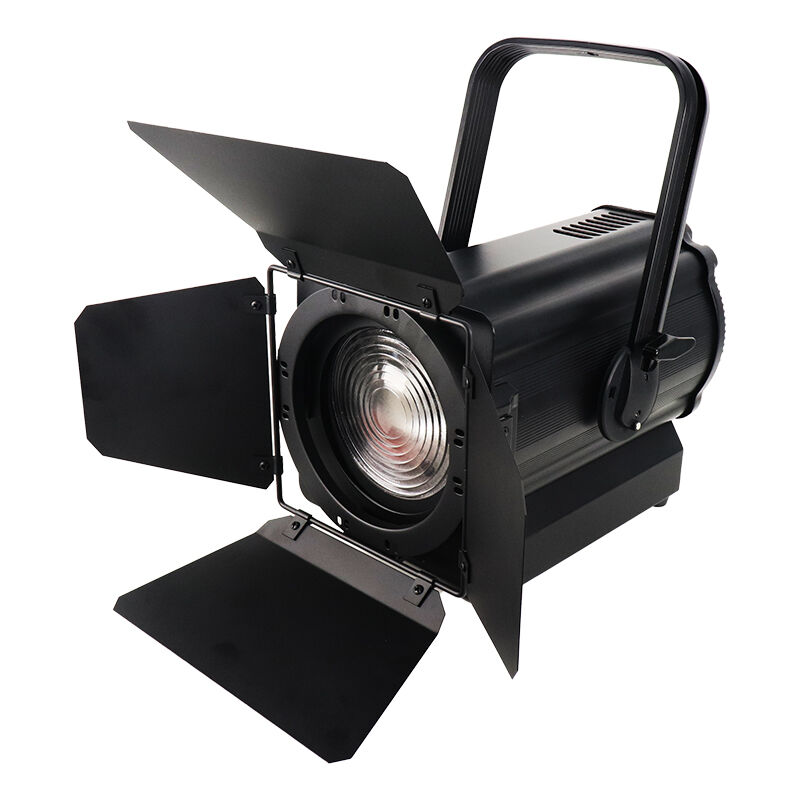
concert hall lighting
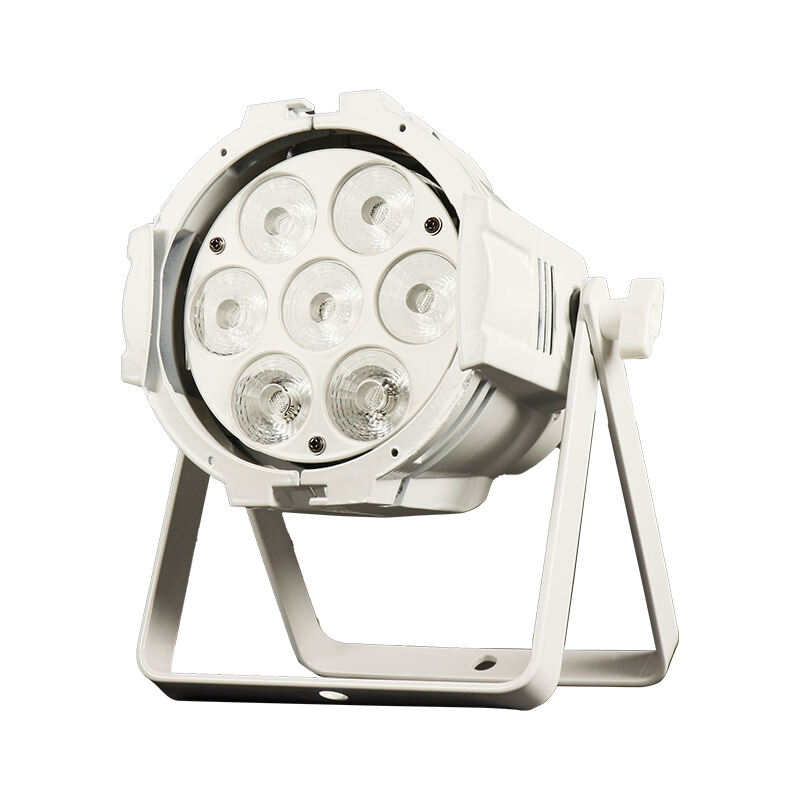
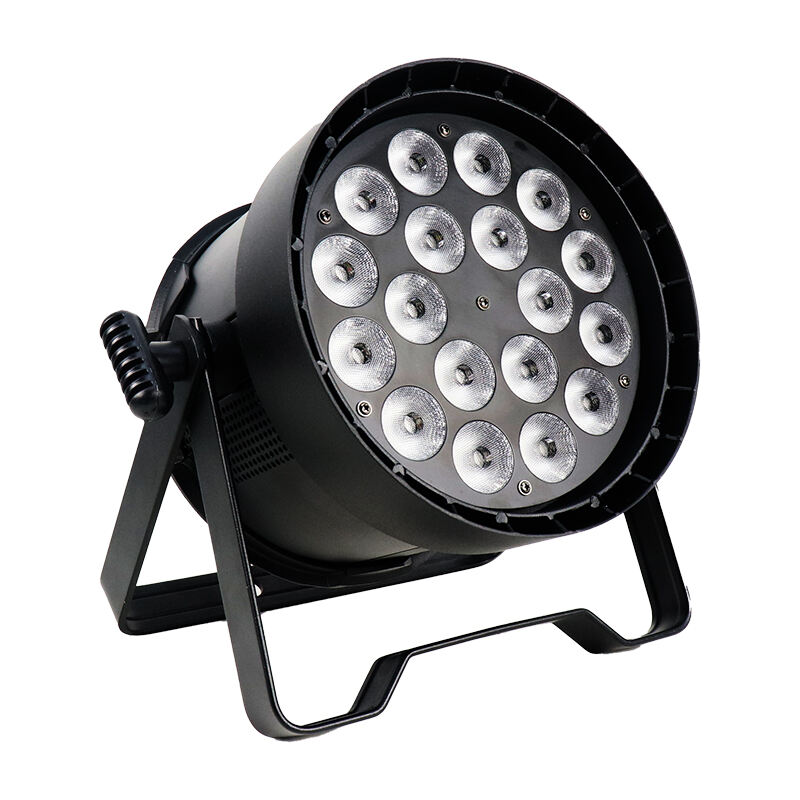
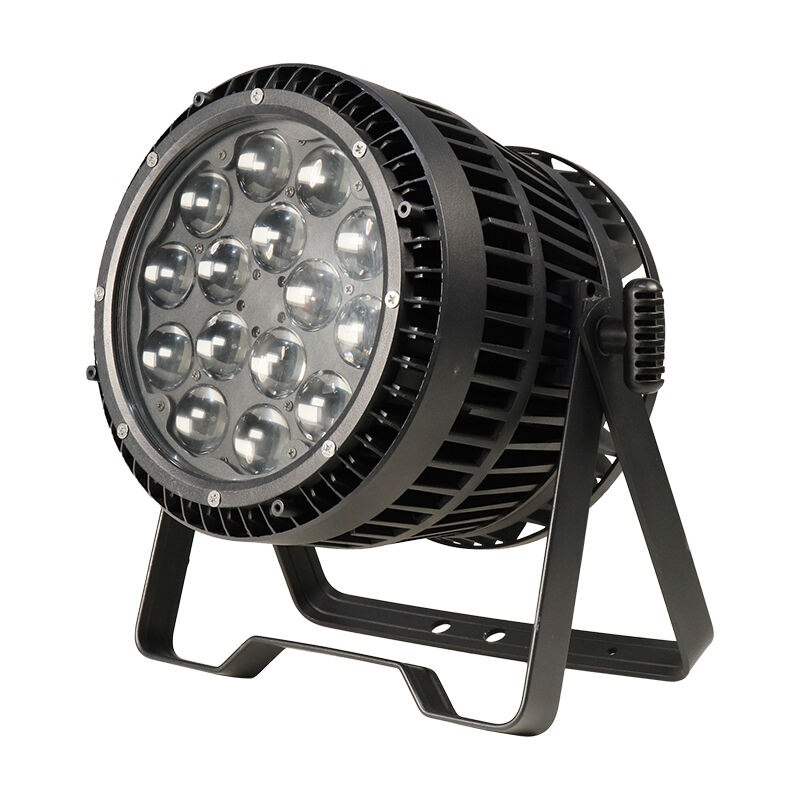
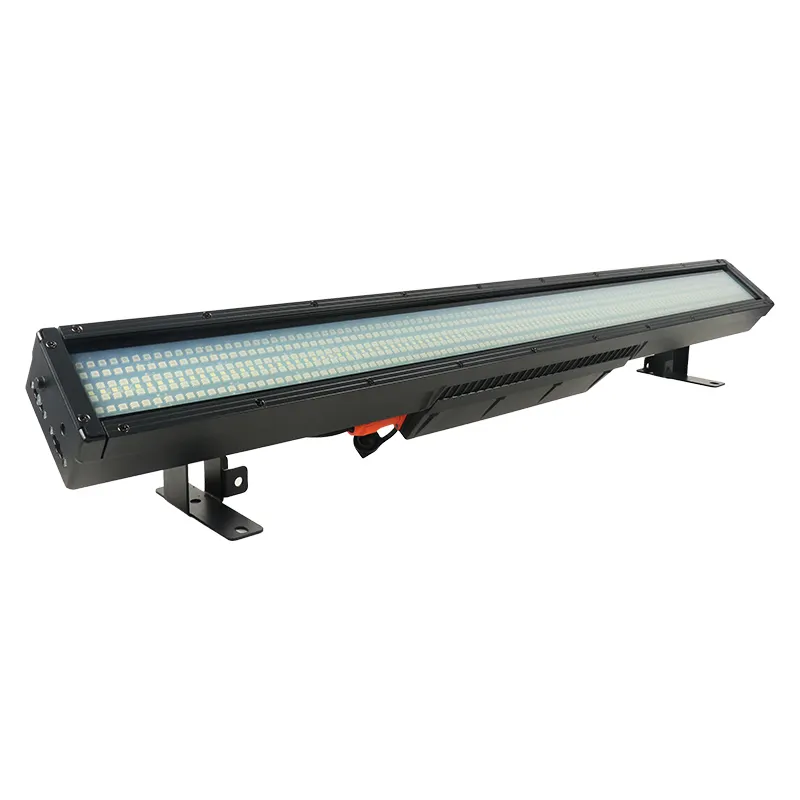
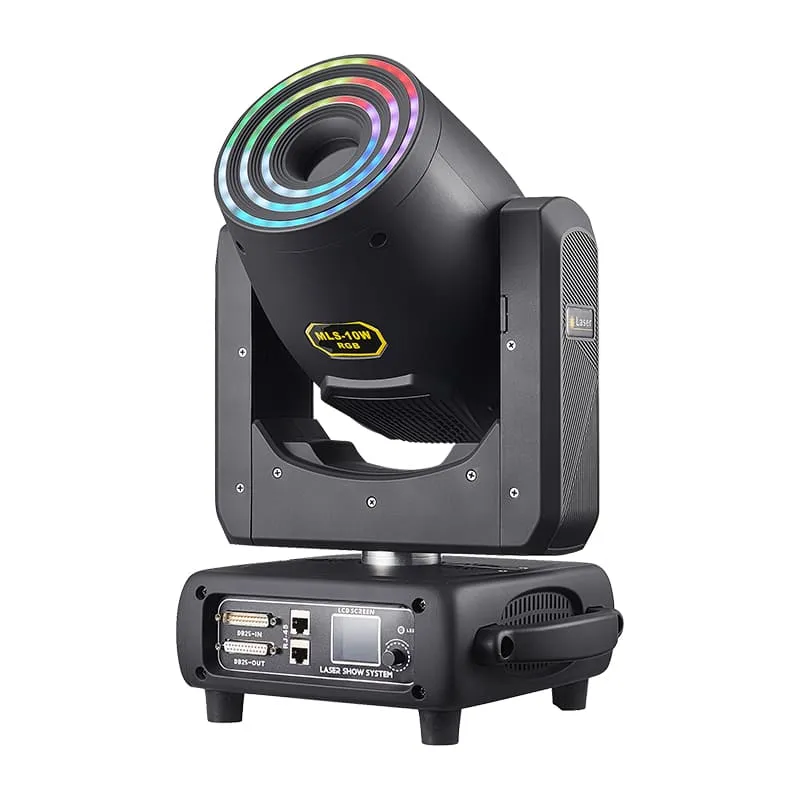
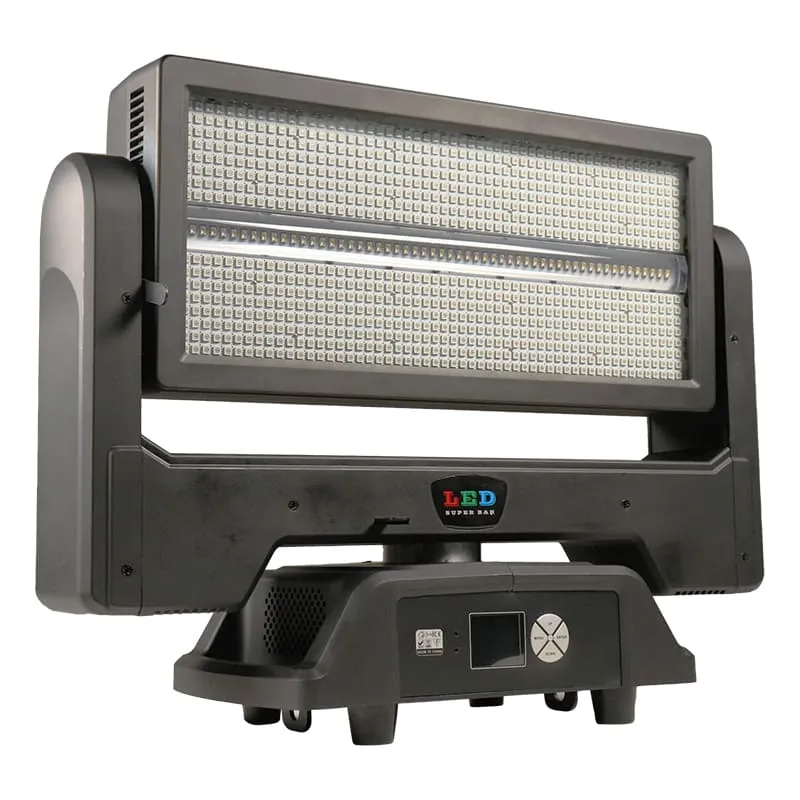
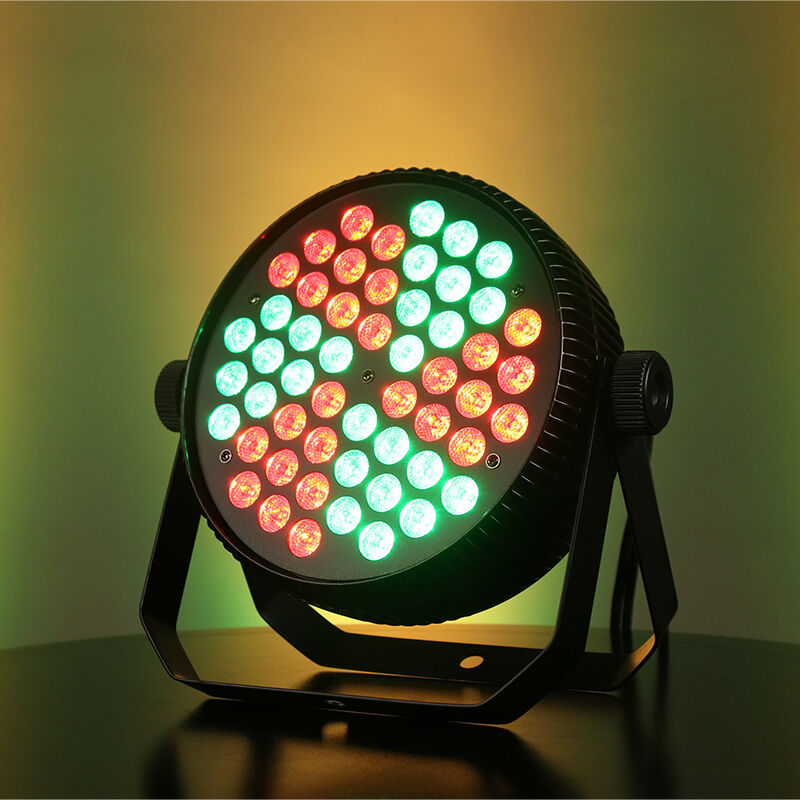
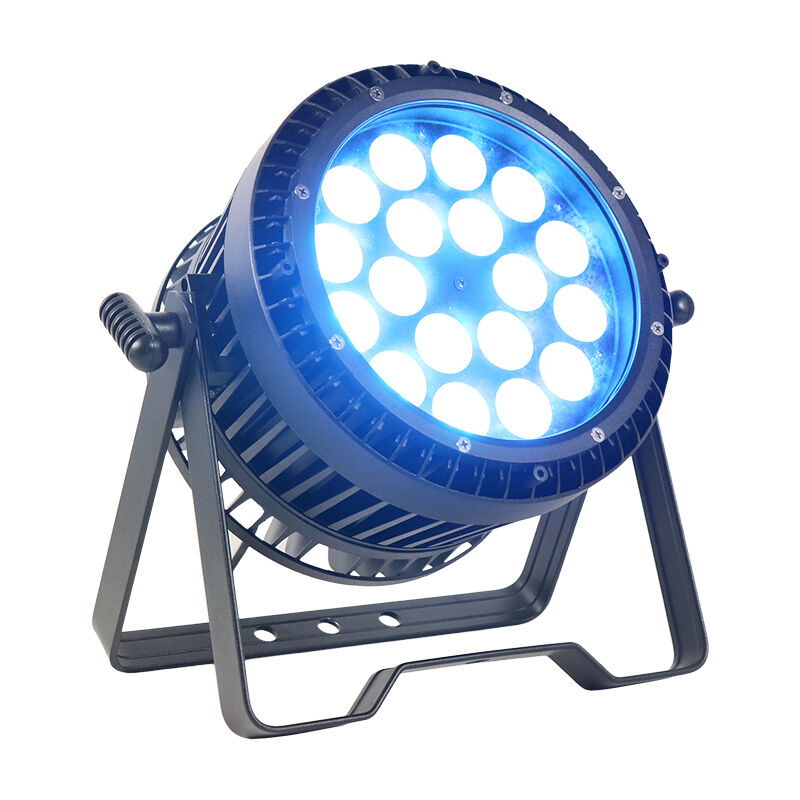
Concert hall lighting represents a sophisticated illumination system specifically engineered to enhance acoustic venues and performance spaces. These advanced lighting solutions serve multiple critical functions that extend far beyond basic visibility, creating an immersive environment that elevates both performer and audience experiences. The primary purpose of concert hall lighting involves providing optimal visibility for musicians, conductors, and audiences while maintaining the aesthetic integrity of the performance space. Modern concert hall lighting systems integrate cutting-edge LED technology, intelligent control systems, and specialized fixtures designed to minimize acoustic interference. These systems typically feature adjustable color temperature capabilities, allowing lighting designers to create warm, inviting atmospheres for classical performances or dynamic, vibrant environments for contemporary shows. The technological backbone includes DMX control protocols, automated dimming systems, and energy-efficient LED arrays that can be precisely programmed for different performance requirements. Concert hall lighting applications span various venue types, from intimate chamber music halls to grand symphonic auditoriums. The systems accommodate diverse performance formats including orchestral concerts, solo recitals, opera productions, and modern multimedia presentations. Advanced concert hall lighting incorporates specialized fixtures such as orchestra pit lights, audience house lights, stage wash systems, and accent lighting for architectural features. These installations often feature silent operation mechanisms to prevent any interference with acoustic performances. The integration of smart sensors allows for automatic adjustment based on ambient conditions and performance schedules. Professional concert hall lighting systems also include emergency lighting protocols and backup power systems to ensure safety compliance. The sophisticated control interfaces enable real-time adjustments during live performances, supporting the artistic vision while maintaining practical functionality for both performers and technical staff throughout various musical presentations.