
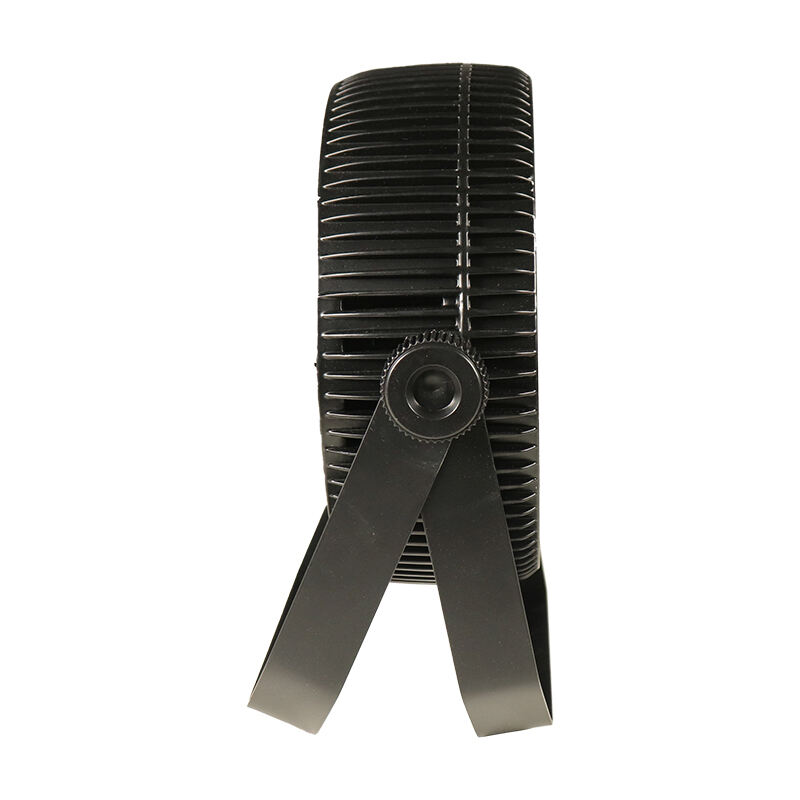
Modern stage productions face mounting pressure to deliver spectacular visual experiences while managing operational costs and environmental impact. Traditional lighting systems, once the backbone of theatrical and concert venues, are rapidly giving way to advanced LED stage lighting solutions that promise superior performance, reduced energy consumption, and unprecedented creative flexibility. This technological revolution is transforming how lighting designers approach their craft, enabling productions to achieve stunning visual effects while significantly improving their operational efficiency and sustainability profile.
The shift toward LED technology in entertainment venues represents more than just a trend; it reflects a fundamental change in how the industry approaches lighting design, energy management, and production logistics. From intimate theater spaces to massive concert arenas, venues worldwide are discovering that LED systems offer compelling advantages over conventional halogen and incandescent fixtures. These benefits extend beyond simple energy savings to encompass improved color accuracy, enhanced dimming capabilities, and dramatically reduced maintenance requirements that collectively transform the economics of stage lighting operations.
Energy Efficiency and Cost Reduction Benefits
Dramatic Power Consumption Reduction
LED stage lighting systems consume approximately 80-90% less electricity than traditional incandescent and halogen fixtures while producing equivalent or superior light output. This remarkable efficiency stems from LED technology's ability to convert electrical energy directly into light rather than generating substantial heat as a byproduct. A typical 500-watt halogen PAR can be replaced by an 18-watt LED fixture that delivers comparable brightness, resulting in massive reductions in electrical demand across entire production rigs.
The cumulative impact of this efficiency becomes particularly pronounced in large-scale productions where hundreds or thousands of fixtures operate simultaneously. Major concert tours report power savings of 60-80% after transitioning to LED systems, enabling them to reduce generator requirements, lower venue electrical costs, and minimize their environmental footprint. These savings translate directly to improved profit margins and reduced operational complexity for touring productions.
Reduced Infrastructure and Cooling Costs
Traditional stage lighting generates enormous amounts of heat that requires substantial air conditioning and ventilation systems to maintain comfortable temperatures for performers and audiences. LED fixtures produce minimal heat output, dramatically reducing the cooling load on venue HVAC systems. This secondary benefit often equals or exceeds the direct electrical savings from the lighting itself, as venues can downsize cooling equipment or reduce runtime hours significantly.
The reduced heat generation also eliminates many infrastructure challenges associated with conventional lighting. Venues no longer need extensive heat management systems, specialized ventilation for lighting positions, or heat-resistant materials in close proximity to fixtures. This simplification reduces both initial construction costs and ongoing maintenance requirements while improving safety conditions for technical crews working around lighting equipment.
Enhanced Performance and Creative Capabilities
Superior Color Control and Mixing
Modern LED stage lighting fixtures offer unprecedented color control capabilities that surpass traditional lighting systems in both accuracy and range. RGB and RGBW LED arrays can produce millions of color combinations with precise digital control, eliminating the need for physical color filters that reduce light output and require manual replacement. Advanced fixtures incorporating additional color chips like amber, lime, or UV can achieve even more sophisticated color reproduction that closely matches natural lighting conditions or creates impossible colors for artistic effect.
The instant color changing capability of LED systems enables lighting designers to create dynamic color sequences and transitions that would be impossible or prohibitively complex with conventional fixtures. Productions can shift entire lighting schemes in real-time without physical gel changes, allowing for more sophisticated programming and spontaneous creative adjustments during performances. This flexibility has revolutionized how designers approach color in theatrical and concert lighting design.
Advanced Dimming and Control Precision
LED technology provides smooth, flicker-free dimming across the entire brightness range, from 100% intensity down to virtually zero output. This precise control eliminates the color temperature shifts and dimming artifacts common with incandescent fixtures, ensuring consistent color reproduction at all intensity levels. The digital nature of LED control also enables more sophisticated programming options, including custom dimming curves and complex fade patterns that enhance the artistic possibilities for lighting designers.
The reliability and consistency of LED dimming prove particularly valuable in television and film production where camera sensors can detect subtle variations in light output that human eyes cannot perceive. LED fixtures maintain stable color temperature and smooth intensity curves that eliminate the flicker and color shift issues that plague traditional fixtures when used with electronic dimming systems or high-speed cameras.
Operational Advantages and Maintenance Benefits
Extended Fixture Lifespan and Reliability
Quality LED stage lighting fixtures typically provide 50,000 to 100,000 hours of operation before requiring replacement, compared to 1,000-2,000 hours for conventional incandescent lamps. This dramatic improvement in operational life reduces maintenance costs, minimizes production interruptions, and decreases the inventory requirements for replacement components. The solid-state nature of LED technology also makes fixtures more resistant to vibration and shock, crucial factors for touring productions that transport equipment frequently.
The reliability benefits extend beyond simple lamp replacement to encompass reduced failure rates across entire lighting systems. LED fixtures have fewer moving parts and generate less heat stress on internal components, resulting in lower overall failure rates and more predictable maintenance schedules. Productions can operate with smaller technical crews and reduced spare inventory while maintaining higher reliability standards than possible with conventional lighting systems.
Simplified Logistics and Setup
LED fixtures typically weigh significantly less than equivalent traditional fixtures, reducing structural requirements and transportation costs for touring productions. A 200-watt LED par light often weighs half as much as a comparable halogen fixture while eliminating the need for separate dimmer racks and associated power distribution equipment. This weight reduction enables more complex lighting designs within venue load limits and reduces setup time for touring productions.
The elimination of lamp inventory and gel stock further simplifies touring logistics, as productions no longer need to carry substantial quantities of consumable items or worry about sourcing compatible components in different markets. LED systems can store multiple looks and color palettes digitally, reducing the physical inventory requirements while expanding creative possibilities beyond what traditional systems could achieve.
Environmental Impact and Sustainability
Reduced Carbon Footprint
The energy efficiency of LED stage lighting translates directly into reduced carbon emissions and environmental impact for productions and venues. Large concert tours can reduce their carbon footprint by 50-70% through LED adoption alone, contributing significantly to industry sustainability goals. This improvement becomes increasingly important as venues and production companies face pressure to meet environmental standards and carbon reduction targets.
The extended lifespan of LED fixtures also reduces manufacturing demand and waste generation compared to systems requiring frequent lamp replacement. A single LED fixture can replace dozens of conventional lamps over its operational life, dramatically reducing packaging waste, transportation emissions, and disposal requirements. This lifecycle advantage reinforces the environmental benefits beyond the direct energy savings during operation.
Elimination of Hazardous Materials
LED technology eliminates the mercury content found in many discharge lamps and reduces the use of other hazardous materials common in traditional lighting systems. The solid-state construction also reduces the risk of broken glass and other safety hazards associated with conventional lamps. These improvements simplify waste disposal procedures and reduce environmental compliance requirements for venues and production companies.
The reduced heat output of LED systems also decreases the demand for cooling systems that often use refrigerants with high global warming potential. Venues can often reduce or eliminate specialized cooling equipment for lighting areas, further reducing their environmental impact and operational complexity while improving overall energy efficiency.
FAQ
How much can venues save by switching to LED stage lighting systems
Venues typically see energy cost reductions of 60-80% after transitioning to LED stage lighting, with additional savings from reduced cooling costs and maintenance expenses. The exact savings depend on usage patterns, local electricity rates, and the efficiency of existing systems, but most venues recover their LED investment within 2-3 years through operational savings alone.
Do LED stage lights provide adequate brightness for large venues
Modern LED stage lighting fixtures can match or exceed the light output of traditional systems while offering superior color control and beam quality. High-output LED fixtures designed for large venues provide excellent brightness and projection capabilities suitable for arenas, stadiums, and major concert halls without compromising performance quality.
Are LED stage lighting systems compatible with existing control equipment
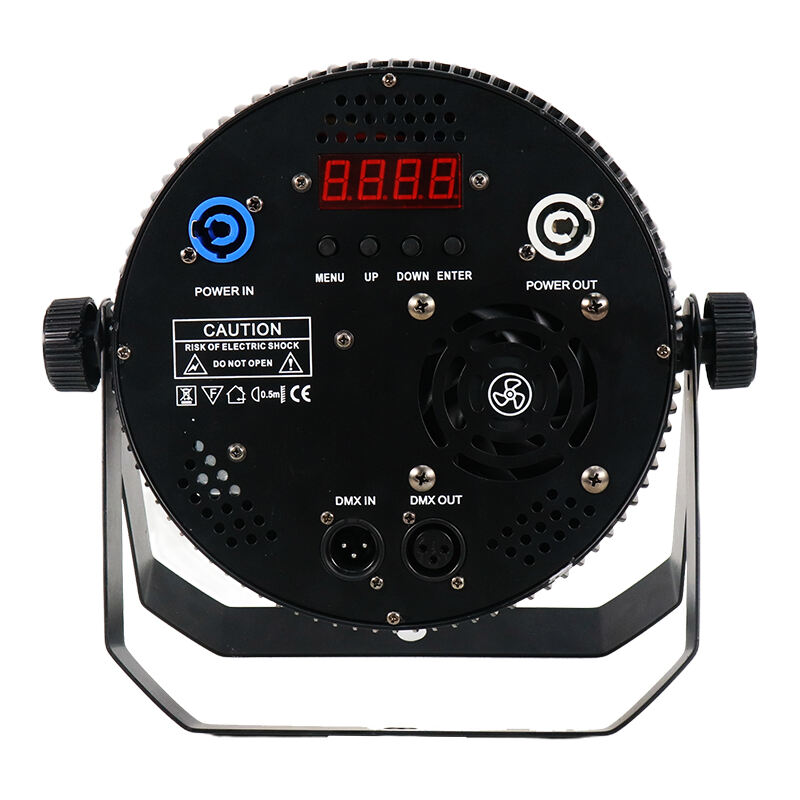
Most professional LED stage lighting fixtures support standard DMX512 control protocols and can integrate seamlessly with existing lighting consoles and control systems. Many fixtures also offer additional control features like built-in color mixing and effects that enhance programming capabilities beyond traditional dimming control.
What maintenance requirements do LED stage lighting systems have
LED stage lighting requires minimal maintenance compared to conventional systems, primarily involving periodic cleaning and software updates. The elimination of lamp replacement and gel changes dramatically reduces ongoing maintenance costs and technical crew requirements while improving system reliability and reducing production interruptions.