
Professional concert lighting transforms ordinary performances into unforgettable experiences that captivate audiences and create lasting memories. The art of stage illumination requires careful planning, specialized equipment, and technical expertise to achieve the dramatic effects that define modern live entertainment. From intimate venue performances to massive stadium shows, the right lighting setup can make or break the entire production quality.
Understanding the fundamental components of concert lighting systems enables production teams to create compelling visual narratives that complement musical performances. Every successful lighting rig combines various fixture types, control systems, and support equipment to deliver consistent, reliable illumination throughout extended performance periods. The investment in quality equipment directly correlates with the professionalism and impact of the final production.
Essential Moving Light Systems
Spot Moving Lights
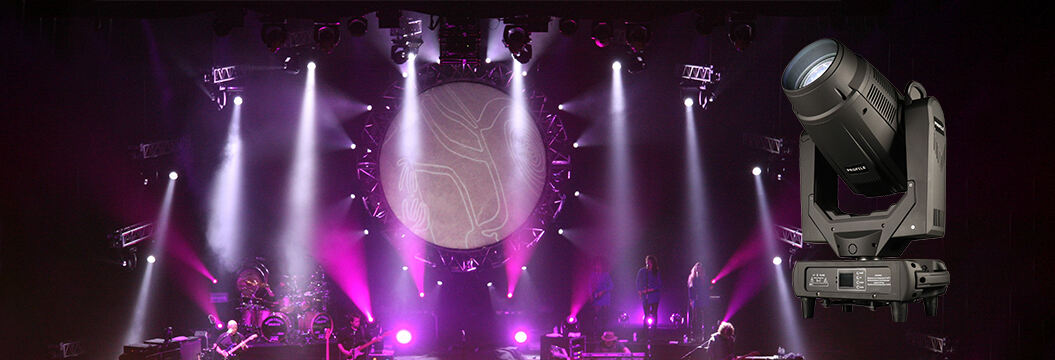
Spot moving lights serve as the backbone of most professional concert lighting installations, providing precise beam control and dynamic positioning capabilities. These versatile fixtures offer variable focus options, allowing lighting designers to create everything from tight pin spots to wide wash coverage. Modern spot movers typically feature advanced optical systems with multiple lens combinations, enabling seamless transitions between different beam angles during live performances.
The color mixing capabilities of contemporary spot lights have revolutionized creative possibilities for lighting designers. Many units incorporate CMY color mixing systems alongside traditional color wheels, providing virtually unlimited color combinations and smooth transitions. This flexibility allows designers to match specific brand colors, create mood-appropriate atmospheres, and synchronize lighting changes with musical dynamics throughout the show.
Wash Moving Lights
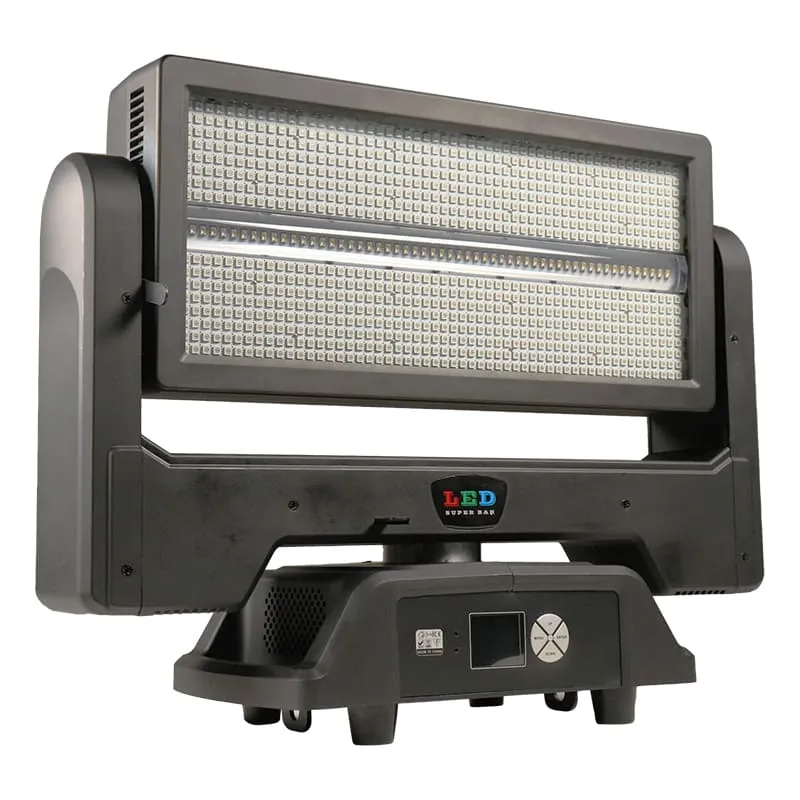
Wash fixtures complement spot lights by providing broad, even illumination across large stage areas and audience sections. These lights excel at creating ambient lighting conditions and establishing overall color schemes that support the performance mood. Professional wash lights often feature individual LED control, enabling pixel mapping effects and complex color patterns across the fixture face.
The beam quality and color rendering capabilities of wash lights significantly impact the overall visual experience. High-quality fixtures maintain consistent color temperature across the entire beam field, preventing hotspots or color variations that could distract from the performance. Advanced wash lights also offer variable beam angles and diffusion options, allowing designers to adapt the same fixture for multiple applications within a single show.
Control Systems and Programming
Lighting Consoles
Professional lighting consoles serve as the command center for complex professional concert lighting installations, providing operators with intuitive interfaces for real-time control and pre-programmed sequence playback. Modern consoles combine traditional fader-based control with advanced touchscreen interfaces, enabling rapid access to hundreds of fixtures and thousands of control parameters. The learning curve for professional consoles requires significant training, but the creative possibilities justify the investment.
Network connectivity has transformed how lighting systems integrate with other production elements. Contemporary consoles support multiple DMX universes, Art-Net protocols, and integration with video systems, allowing synchronized multimedia presentations. The ability to backup and transfer show files between consoles ensures continuity across tour dates and provides essential redundancy for critical performances.
DMX and Signal Distribution
Reliable signal distribution forms the invisible foundation of successful concert lighting systems, ensuring consistent communication between control consoles and fixtures throughout the venue. Professional DMX distribution requires proper termination, signal boosting, and redundant pathways to prevent signal loss or interference during critical performance moments. The complexity of modern lighting rigs often necessitates multiple DMX universes and sophisticated routing systems.
Wireless DMX solutions have gained popularity for their installation flexibility and reduced cable requirements, particularly in temporary venue setups. However, professional applications still rely heavily on hardwired connections for maximum reliability and interference resistance. The combination of wired backbone systems with strategic wireless connections provides optimal balance between reliability and installation convenience.
Power and Infrastructure Requirements
Power Distribution Systems
Concert lighting systems demand substantial electrical power, requiring careful planning of distribution systems and load calculations to ensure safe, reliable operation. Professional installations utilize three-phase power distribution with appropriate circuit protection and monitoring systems. The power requirements for major concert productions often exceed the capacity of standard venue electrical systems, necessitating temporary power generation or service upgrades.
Modern LED fixtures have significantly reduced power consumption compared to traditional incandescent and discharge sources, allowing more fixtures per circuit and reducing heat generation. However, the total fixture count in contemporary productions often offsets these efficiency gains, maintaining high overall power requirements. Proper power factor correction and harmonic filtering become essential considerations for large-scale installations.
Rigging and Safety Systems
The physical mounting and positioning of lighting equipment requires comprehensive rigging systems designed to safely support significant weight loads while providing necessary flexibility for different venue configurations. Professional rigging incorporates redundant safety systems, including secondary attachment points and regular inspection protocols. The complexity of modern lighting rigs often requires certified rigging professionals and engineered load calculations.
Ground-supported lighting towers and truss systems provide alternatives to overhead rigging in venues with limited structural capacity. These systems offer excellent stability and can support substantial equipment loads while maintaining portability for touring applications. The choice between ground-support and flown systems depends on venue characteristics, equipment requirements, and budgetary considerations.
Specialized Effects and Enhancement Equipment
Atmospheric Effects
Atmospheric effects equipment enhances the visibility and impact of lighting beams, creating dramatic three-dimensional lighting environments that immerse audiences in the performance experience. Professional haze machines produce consistent, fine particle atmospheric conditions that reveal beam paths without overwhelming the venue or triggering fire suppression systems. The timing and density of atmospheric effects require careful coordination with ventilation systems and performance requirements.
Pyrotechnic effects integration adds spectacular visual impact to concerts but requires specialized equipment and certified operators due to safety regulations. Professional pyrotechnic systems incorporate electronic firing systems with multiple safety interlocks and precise timing control. The combination of pyrotechnics with traditional lighting creates unforgettable moments that define premium concert experiences.
Video Integration Systems
The convergence of lighting and video technologies has created new creative possibilities while introducing additional technical complexity to concert productions. LED video panels can serve dual functions as both display surfaces and architectural lighting elements, requiring coordination between lighting and video control systems. The brightness levels necessary for effective video display often conflict with traditional lighting design principles, requiring careful balance and integration.
Media servers and content management systems enable synchronized playback of video content with lighting cues, creating cohesive multimedia presentations. The technical requirements for reliable video integration include high-bandwidth network infrastructure, backup systems, and specialized operator training. The investment in integrated systems provides exceptional creative flexibility but requires comprehensive technical support.
Budget Considerations and Equipment Selection
Cost-Benefit Analysis
Determining the appropriate equipment investment for professional concert lighting requires careful analysis of performance requirements, venue characteristics, and long-term operational costs. High-quality fixtures command premium prices but offer superior reliability, better light output, and longer service life compared to budget alternatives. The total cost of ownership includes initial purchase price, ongoing maintenance, power consumption, and replacement part availability.
Rental versus purchase decisions depend on usage frequency, storage capacity, and technical support requirements. Many production companies maintain core equipment inventories while renting specialized or high-quantity items for specific events. The rental market provides access to cutting-edge equipment without the capital investment and depreciation concerns associated with ownership.
Technology Evolution and Future-Proofing
The rapid evolution of lighting technology creates both opportunities and challenges for equipment investment decisions. LED technology continues advancing in efficiency, color rendering, and feature integration, while control protocols evolve to support more sophisticated programming capabilities. Investment in equipment with firmware update capabilities and standard protocol support helps protect against premature obsolescence.
Emerging technologies like wireless power transmission, AI-driven programming assistance, and enhanced reality integration promise to further transform professional concert lighting in the coming years. Staying informed about technology trends and maintaining flexibility in equipment choices enables production companies to adapt to changing market demands and creative expectations.
FAQ
What is the minimum equipment needed for a professional concert lighting setup
A basic professional concert lighting setup requires at least 12-16 moving head fixtures combining spot and wash lights, a professional lighting console with minimum 2 DMX universes, proper power distribution with circuit protection, basic rigging or ground support systems, and atmospheric effects equipment. The exact requirements depend on venue size, artist requirements, and budget constraints, but this represents the minimum for professional-quality results.
How much power does a typical concert lighting rig consume
Power consumption varies dramatically based on fixture count and types, but typical professional concert lighting rigs consume between 50-200 kilowatts for medium-sized venues and can exceed 500 kilowatts for major stadium productions. Modern LED fixtures have reduced per-fixture consumption, but increased fixture counts often maintain high total requirements. Three-phase power distribution and generator backup systems are often necessary for reliable operation.
What safety certifications are required for concert lighting equipment
Professional concert lighting equipment must meet various safety standards including UL or CE marking for electrical safety, IP ratings for environmental protection, and structural engineering certifications for rigging equipment. Operators often require specialized training certifications, and many venues mandate specific insurance coverage and inspection protocols. Compliance with local electrical codes and fire safety regulations is essential for legal operation.
How long does it typically take to set up a professional concert lighting system
Setup time depends on system complexity and crew size, but typical professional concert lighting installations require 6-12 hours for medium-scale productions and can extend to 2-3 days for major touring productions. This includes rigging installation, fixture mounting and addressing, cable routing, programming, and testing. Experienced crews and pre-visualization can significantly reduce setup time and improve efficiency.