Advanced DMX Control Technology
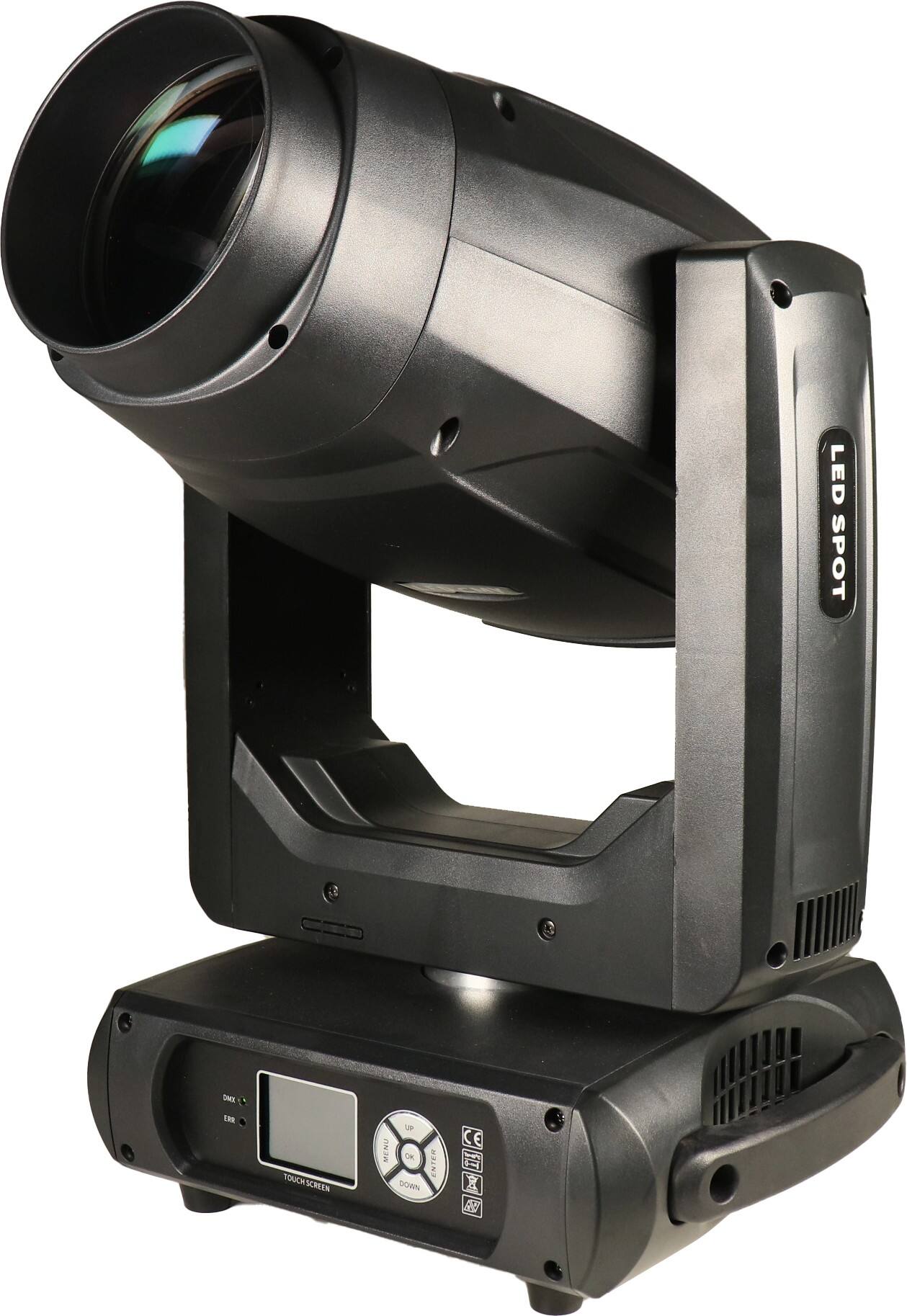
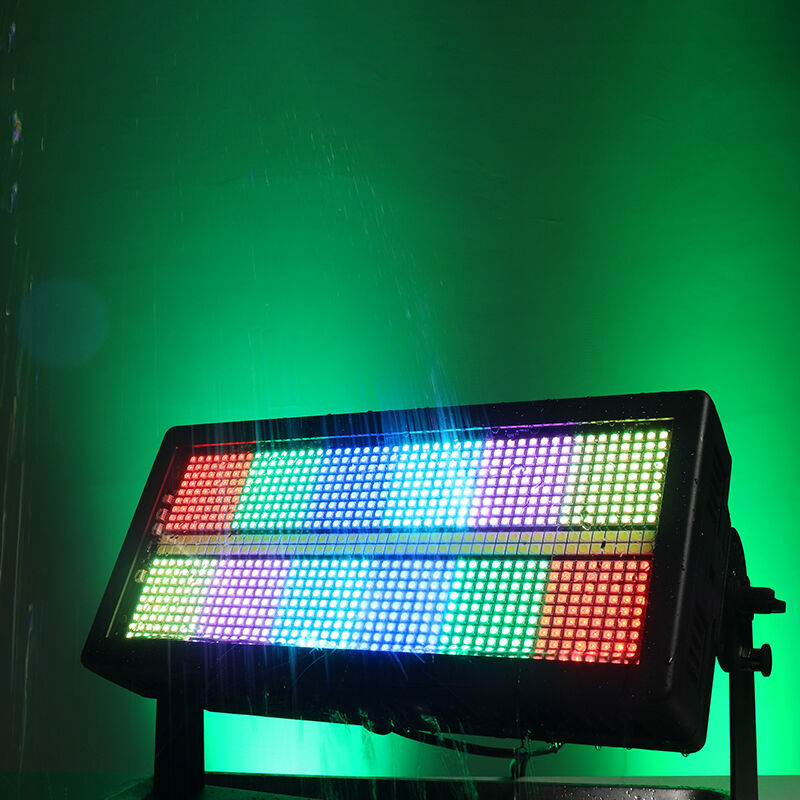
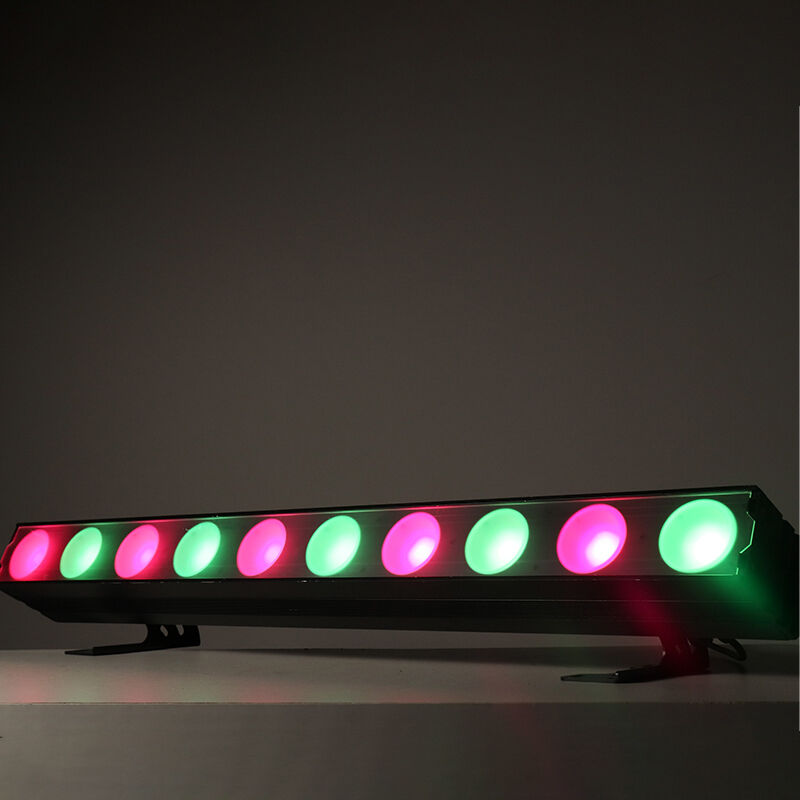
The sophisticated DMX control technology integrated into modern beam lights represents a quantum leap in lighting precision and automation capabilities. This digital control system operates on the industry-standard DMX-512 protocol, which transmits data at incredibly high speeds to ensure seamless communication between lighting consoles and fixtures. The DMX beam light responds to control signals with millisecond accuracy, enabling perfectly synchronized lighting sequences across multiple fixtures simultaneously. Professional lighting designers rely on this precision to create intricate choreographed lighting displays that would be impossible with analog control systems. The multi-channel control architecture allows independent adjustment of numerous parameters including pan, tilt, color mixing, beam intensity, focus, and special effects functions. Advanced DMX beam light models feature expandable channel configurations that can accommodate future software updates and additional control features without hardware modifications. The bidirectional communication capabilities in newer models provide real-time feedback about fixture status, lamp hours, and diagnostic information directly to the lighting console. This feedback system enables proactive maintenance scheduling and immediate identification of potential issues before they impact performance. The DMX addressing system allows individual fixture identification within large installations, supporting networks of hundreds of fixtures controlled from a single console. Professional venues appreciate the backup control options available through DMX technology, including emergency lighting modes and fail-safe operations that maintain basic illumination even during control system failures. The protocol compatibility ensures seamless integration with existing lighting infrastructure, lighting design software, and third-party control devices. Modern DMX beam light fixtures support both wired and wireless DMX transmission, providing installation flexibility in challenging architectural environments. The standardized nature of DMX control reduces training requirements for lighting operators and ensures consistent operation across different venue types and equipment brands, making it the preferred choice for professional lighting applications worldwide.