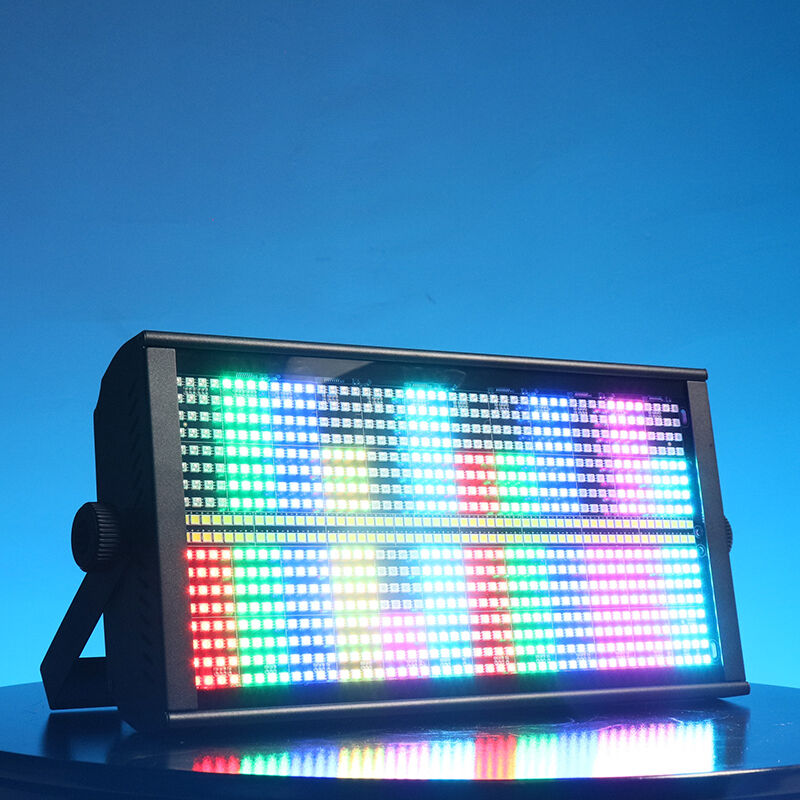
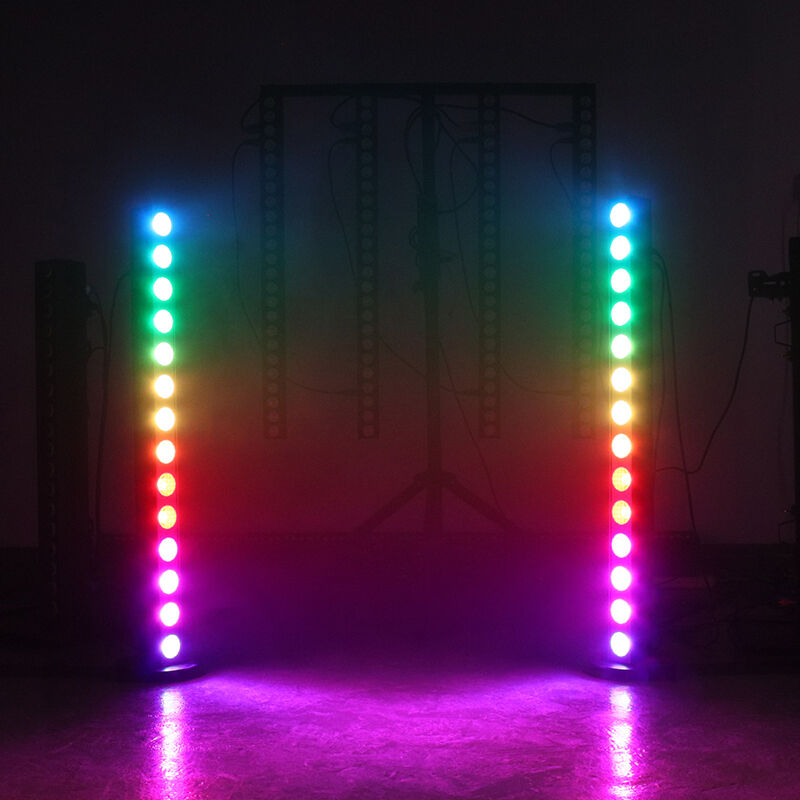
Front Beam Light: Advanced LED Illumination Systems for Superior Performance and Reliability

Get a Free Quote

Our representative will contact you soon.
Email
Name
Company Name
Message
0/1000

front beam light

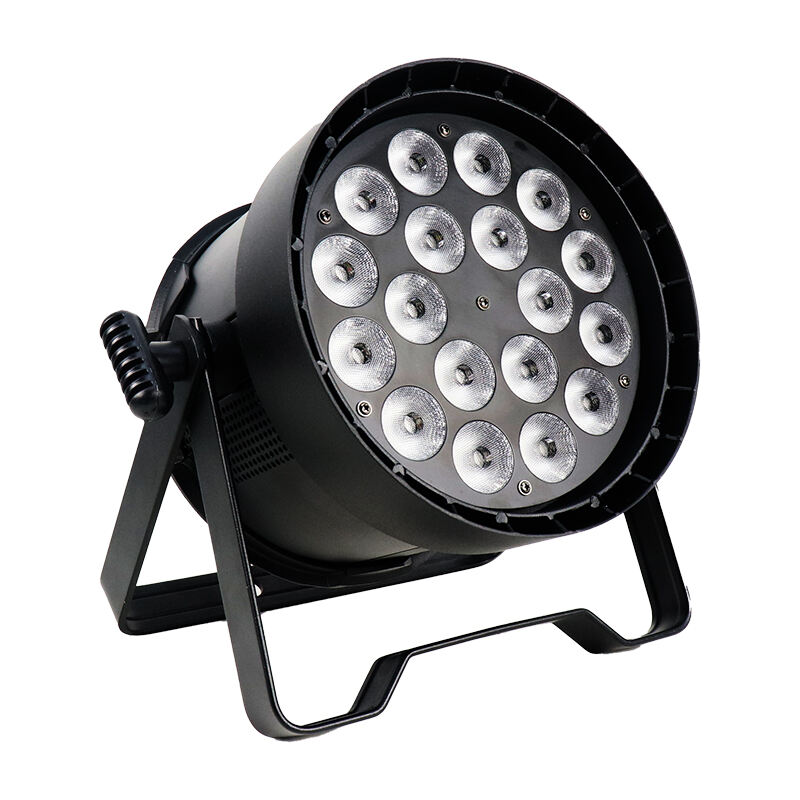
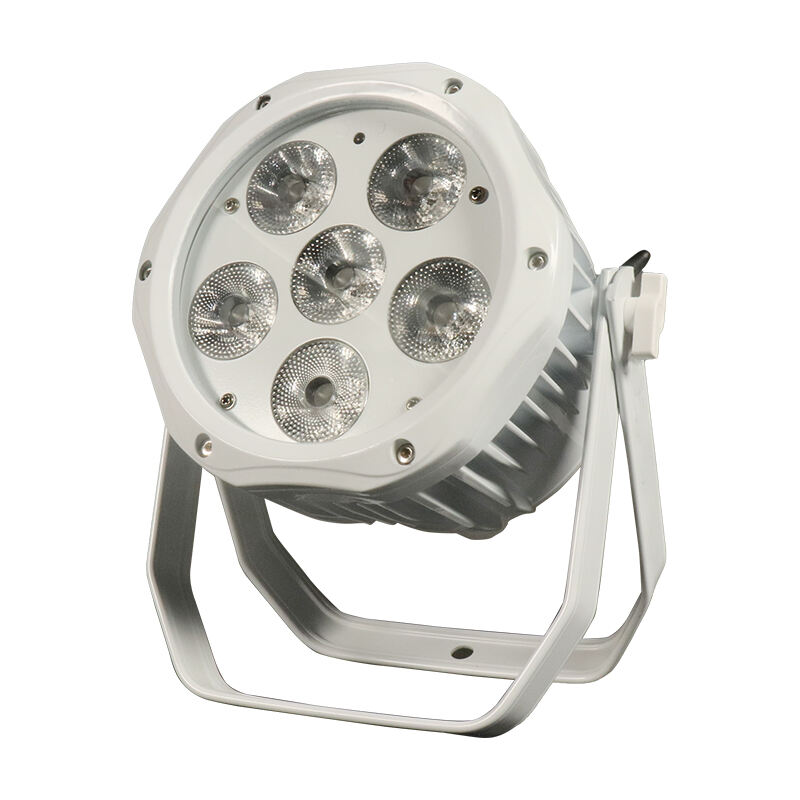
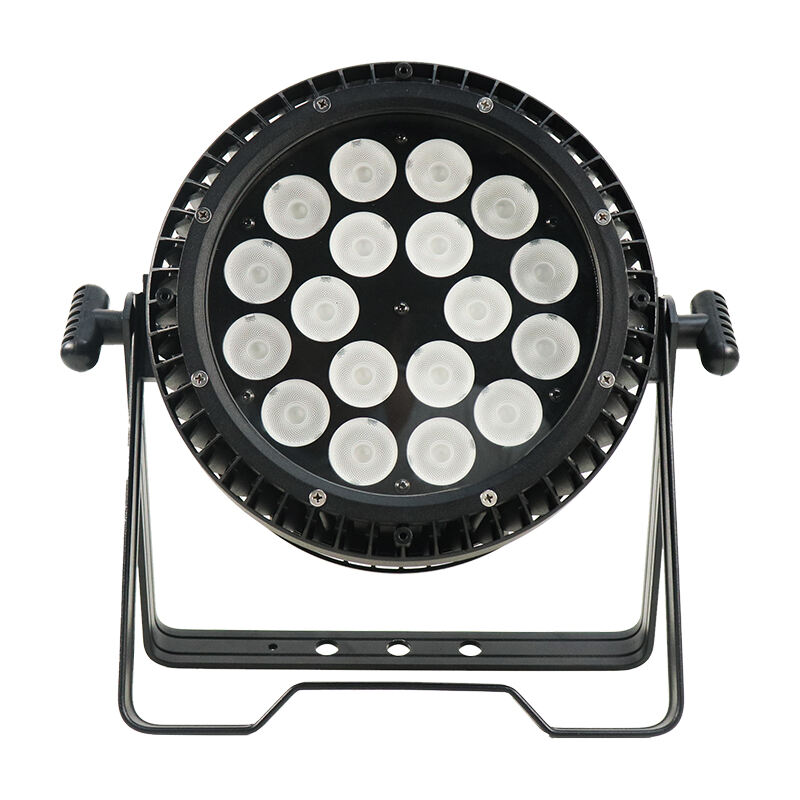
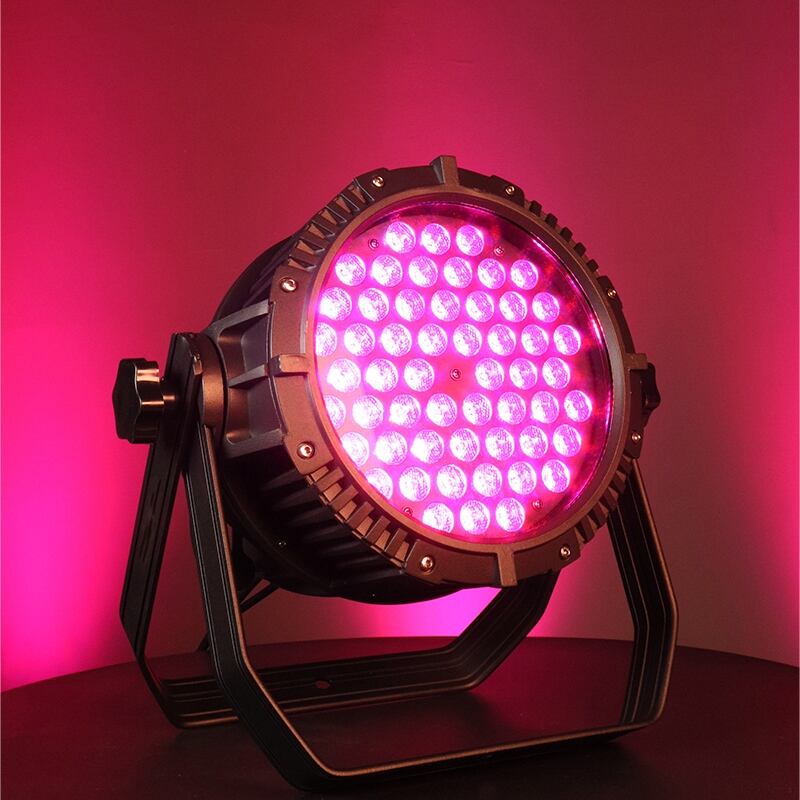
A front beam light represents an essential lighting solution designed to deliver powerful, focused illumination in forward-facing applications. This advanced lighting system combines cutting-edge LED technology with precision optics to create a concentrated beam pattern that maximizes visibility and performance. The front beam light serves as a critical component in various industries, from automotive applications to construction equipment, marine vessels, and emergency vehicles. Its primary function centers on providing directional lighting that penetrates darkness effectively while maintaining energy efficiency and durability. The technological foundation of the front beam light relies on high-intensity LED arrays paired with specialized reflector systems and lens configurations. These components work together to create a uniform, powerful light output that can reach considerable distances while minimizing glare and light scatter. The beam pattern is carefully engineered to optimize both width and throw distance, ensuring maximum coverage where needed most. Modern front beam light systems incorporate advanced thermal management systems to maintain consistent performance even under demanding conditions. Heat sinks, cooling fins, and intelligent temperature monitoring prevent overheating while extending the lifespan of LED components. The housing construction typically features robust materials like aluminum alloy or polycarbonate, providing resistance to vibration, moisture, and extreme temperatures. Applications for front beam light technology span numerous sectors including off-road vehicles, construction machinery, agricultural equipment, emergency response vehicles, and marine installations. Each application benefits from the precise beam control and reliable performance that characterizes quality front beam light systems. The versatility of mounting options and power configurations allows these lights to integrate seamlessly into existing systems while providing the enhanced visibility required for safe and efficient operations in challenging environments.

New Products

The front beam light delivers exceptional performance benefits that make it an superior choice for demanding lighting applications. Users experience dramatically improved visibility during nighttime operations, with beam patterns that can illuminate objects at distances exceeding traditional lighting solutions by 200-300%. This extended range capability transforms safety protocols and operational efficiency across multiple industries. The energy efficiency of modern front beam light systems provides substantial cost savings over time. LED-based designs consume significantly less power compared to halogen or HID alternatives while delivering superior brightness levels. This efficiency translates to reduced fuel consumption in mobile applications and lower electricity costs in stationary installations. The longevity of front beam light technology offers compelling economic advantages. Quality LED arrays typically operate for 50,000 hours or more without significant degradation, eliminating frequent replacement costs and maintenance downtime. This reliability proves especially valuable in commercial applications where equipment availability directly impacts productivity and profitability. Installation flexibility represents another key advantage of front beam light systems. Multiple mounting configurations, adjustable brackets, and various power input options ensure compatibility with diverse equipment types and operational requirements. Users can customize beam angles, mounting positions, and control systems to match specific application needs without extensive modifications to existing infrastructure. The durability characteristics of front beam light construction provide peace of mind in harsh operating environments. Waterproof ratings, shock resistance, and temperature stability ensure consistent performance regardless of weather conditions, vibration levels, or ambient temperature fluctuations. This ruggedness eliminates concerns about equipment failure during critical operations. Instant-on capability eliminates warm-up delays common with traditional lighting technologies. The front beam light reaches full brightness immediately upon activation, providing immediate visibility enhancement when needed most. This instantaneous response proves crucial in emergency situations and time-sensitive operations. The compact design profile of modern front beam light units maximizes installation options while minimizing aerodynamic impact and space requirements. These streamlined configurations integrate seamlessly with vehicle designs and equipment aesthetics without compromising performance or creating unnecessary bulk.

Practical Tips

What to Consider When Integrating Lasers into Stage and Event Lighting Systems

24

Oct

What to Consider When Integrating Lasers into Stage and Event Lighting Systems

Revolutionizing Live Entertainment Through Advanced Laser Integration The entertainment industry has witnessed a dramatic transformation in recent years, with stage laser lighting emerging as a cornerstone of modern live productions. From sold-out ar...
View More
How Do Professionals Plan and Execute Large-Scale Stage Lighting Projects

07

Nov

How Do Professionals Plan and Execute Large-Scale Stage Lighting Projects

The Art and Science Behind Professional Stage Illumination Stage lighting projects represent the perfect fusion of technical expertise and creative vision. From Broadway productions to massive concert venues, the success of any performance heavily re...
View More
Why Do Lighting Engineers Prefer Bean Lights for High-Impact Performances

24

Oct

Why Do Lighting Engineers Prefer Bean Lights for High-Impact Performances

The Revolutionary Impact of beam Lighting Technology in Modern Stage Design The world of stage lighting has evolved dramatically over the past decades, with beam lights emerging as the go-to choice for professional lighting engine...
View More
How Does LED Lighting Improve Efficiency in Stage Productions

07

Nov

How Does LED Lighting Improve Efficiency in Stage Productions

Modern stage productions face mounting pressure to deliver spectacular visual experiences while managing operational costs and environmental impact. Traditional lighting systems, once the backbone of theatrical and concert venues, are rapidly giving ...
View More

Get a Free Quote

Our representative will contact you soon.
Email
Name
Company Name
Message
0/1000

front beam light

Advanced Optical Engineering for Maximum Performance

Advanced Optical Engineering for Maximum Performance

The sophisticated optical engineering behind modern front beam light systems represents a breakthrough in illumination technology that delivers unparalleled performance for users across diverse applications. This advanced design incorporates precision-molded reflectors, high-grade optical lenses, and strategically positioned LED arrays to create beam patterns that maximize both distance and coverage while minimizing unwanted light spillage. The engineering process begins with computer-aided optical modeling that simulates light ray paths and optimizes reflector geometry for specific performance targets. These calculations ensure that every photon generated by the LED array contributes effectively to the desired beam pattern, eliminating waste and maximizing efficiency. The result is a front beam light that can project usable illumination distances of 500 meters or more while maintaining beam uniformity and color consistency throughout the coverage area. The lens systems employed in premium front beam light designs utilize specialized materials and coatings that enhance light transmission while providing protection against environmental factors. Anti-reflective coatings reduce light loss at optical interfaces, while scratch-resistant treatments maintain clarity over extended service periods. Some advanced designs incorporate aspherical lens elements that correct optical aberrations and create more uniform beam patterns than traditional spherical optics can achieve. The thermal management integration within the optical assembly ensures that heat generated by high-power LED arrays does not compromise optical performance. Precision-machined heat sinks and thermal interface materials maintain optimal operating temperatures for both LED chips and optical components, preventing thermal degradation that could reduce light output or alter beam characteristics over time. This comprehensive approach to optical engineering ensures that users receive consistent, reliable performance from their front beam light investment while benefiting from industry-leading illumination quality that enhances safety and productivity in demanding applications.
Rugged Construction for Extreme Environment Reliability

Rugged Construction for Extreme Environment Reliability

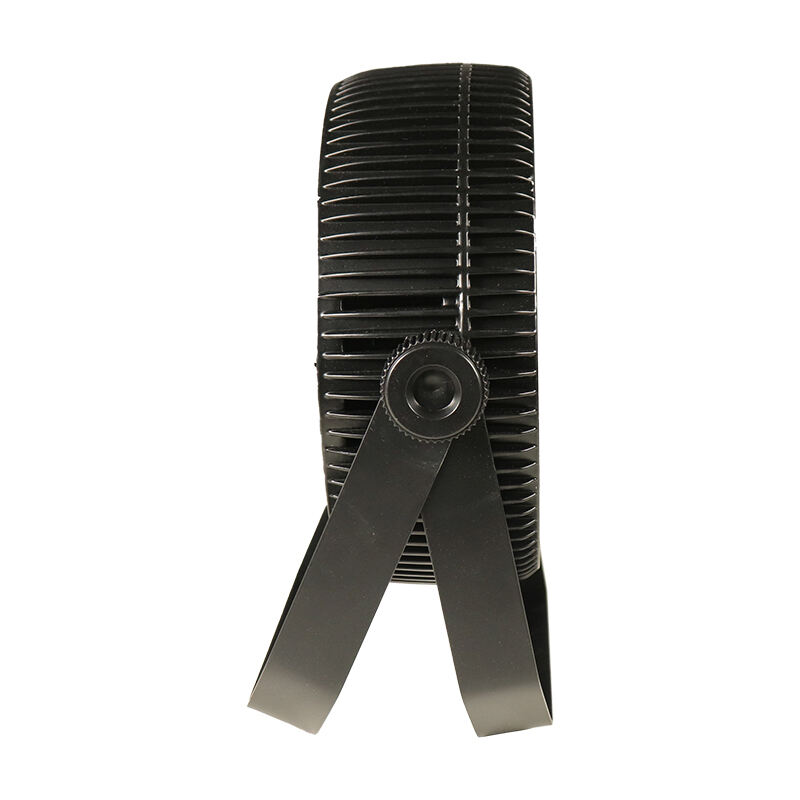
The exceptional durability of professional-grade front beam light systems stems from comprehensive engineering approaches that address the challenging environmental conditions these lighting solutions must withstand throughout their operational lifespan. Construction methodologies prioritize material selection, sealing technologies, and structural integrity to ensure reliable performance in extreme temperatures, high-vibration environments, and exposure to moisture, dust, and chemical contaminants. The housing construction typically employs aerospace-grade aluminum alloys or high-impact polycarbonate materials that provide superior strength-to-weight ratios while offering excellent thermal conductivity properties. These materials undergo specialized surface treatments including anodization, powder coating, or UV-resistant finishes that prevent corrosion and maintain aesthetic appearance despite prolonged exposure to harsh environmental conditions. The manufacturing processes incorporate precision machining and injection molding techniques that create seamless joints and uniform wall thicknesses, eliminating potential failure points that could compromise the front beam light integrity. Sealing systems represent critical components in the rugged construction philosophy, utilizing multiple layers of protection including O-rings, gaskets, and potting compounds to achieve IP67 or IP68 waterproof ratings. These sealing technologies prevent moisture ingress even during high-pressure washing operations or submersion conditions, while specialized breather membranes equalize internal pressure changes without compromising water resistance. Vibration resistance capabilities result from comprehensive shock mounting systems and component securement methods that prevent internal damage during operation on heavy machinery, off-road vehicles, or marine applications subject to constant movement and impact forces. Quality front beam light designs undergo extensive testing protocols including temperature cycling, vibration testing, salt spray exposure, and accelerated aging procedures that simulate years of real-world operation. This rigorous validation ensures that users can depend on their lighting investment to perform consistently regardless of operating conditions, minimizing downtime and replacement costs while maximizing safety and operational efficiency in critical applications.

Intelligent Control Systems and Customization Options

Intelligent Control Systems and Customization Options

Modern front beam light technology incorporates sophisticated control systems and extensive customization capabilities that allow users to optimize performance for specific applications while integrating seamlessly with existing equipment and operational protocols. These intelligent features transform basic lighting devices into comprehensive illumination management systems that enhance both functionality and user experience through advanced electronics and software integration. The control architecture typically includes microprocessor-based systems that enable multiple operating modes, dimming capabilities, and programmable beam patterns to match varying operational requirements. Users can select from preset configurations optimized for different scenarios such as highway driving, construction site work, emergency response, or precision tasks requiring specific lighting characteristics. Some advanced front beam light systems incorporate adaptive lighting algorithms that automatically adjust output levels and beam patterns based on ambient light conditions, vehicle speed, or operational modes detected through CAN bus integration or dedicated sensor inputs. Wireless connectivity options including Bluetooth, Wi-Fi, or proprietary RF protocols enable remote control and monitoring capabilities that prove especially valuable in applications where direct access to lighting controls may be limited or unsafe. Mobile applications and web-based interfaces provide intuitive control over multiple front beam light units simultaneously, allowing operators to customize settings, monitor performance parameters, and receive maintenance alerts without interrupting ongoing operations. The customization flexibility extends to mechanical mounting systems with adjustable brackets, swivel mechanisms, and modular designs that accommodate diverse installation requirements. Users can specify beam angles, light distribution patterns, and color temperature options to match specific operational needs while maintaining compatibility with existing electrical systems and control interfaces. Integration capabilities with vehicle management systems, fleet monitoring platforms, and industrial automation networks transform the front beam light from a simple lighting device into a connected component of comprehensive operational management systems. These intelligent features provide users with unprecedented control over their lighting solutions while ensuring optimal performance and efficiency across diverse applications and operational scenarios.

Get a Free Quote

Our representative will contact you soon.
Email
Name
Company Name
Message
0/1000