Comprehensive Control Systems with Wireless Integration
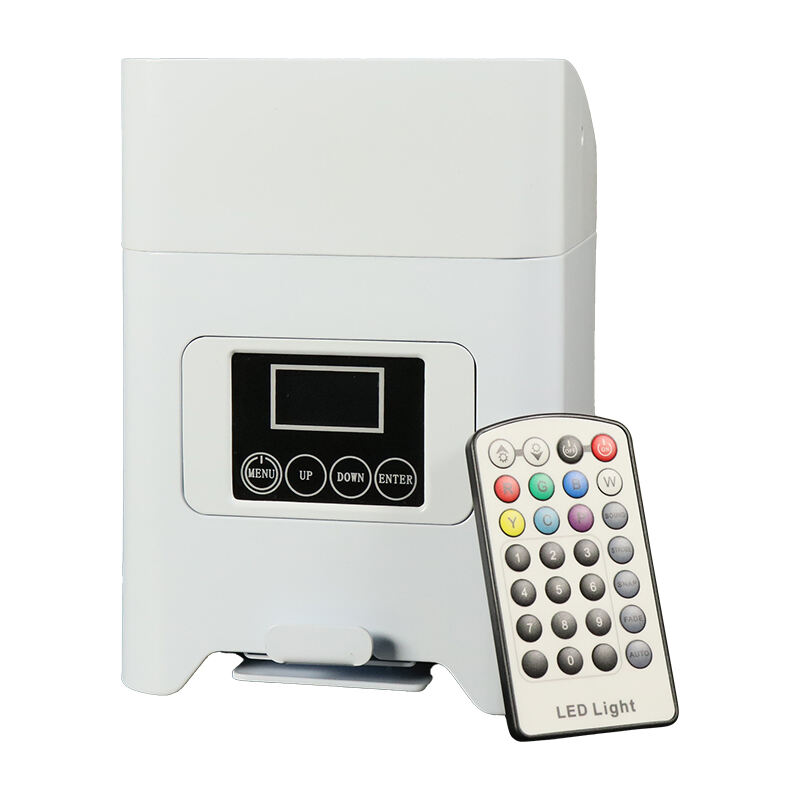
The sophisticated control systems that manage live concert lighting represent a technological marvel that enables operators to orchestrate complex lighting displays with unprecedented precision, flexibility, and creative freedom. Modern lighting control consoles feature intuitive touchscreen interfaces, extensive programming capabilities, and real-time operation tools that allow lighting designers to craft intricate visual sequences that synchronize perfectly with musical performances and artistic visions. These advanced systems can simultaneously manage hundreds of individual lighting fixtures, each with multiple controllable parameters including intensity, color, position, focus, and effects, creating virtually unlimited possibilities for creative expression. The programming capabilities include timeline-based sequencing, trigger-based cues, and MIDI synchronization that enables lighting to respond automatically to musical elements such as tempo, key changes, and dynamic variations. Wireless control technology liberates operators from fixed control positions, allowing them to manage live concert lighting systems from anywhere within venue range using tablet computers, smartphones, or portable control surfaces that maintain full functionality and security. This wireless flexibility proves invaluable for focusing sessions, troubleshooting, and making real-time adjustments during performances without disrupting the show flow. Advanced backup systems and redundancy protocols ensure continuous operation even in the event of primary control system failures, providing the reliability that professional entertainment applications demand. The networking capabilities of modern control systems allow multiple operators to collaborate on complex shows, with different technicians managing specific aspects such as stage lighting, audience lighting, and special effects while maintaining coordinated overall control. Integration with audio systems through SMPTE timecode and audio analysis creates truly multimedia experiences where lighting responds intelligently to musical content, generating visual interpretations of sound that enhance audience immersion. Cloud-based programming and storage capabilities enable lighting designers to develop shows remotely, share programming across multiple venues, and maintain extensive libraries of effects and sequences that can be adapted for different performances. The learning resources and simulation software available with professional control systems allow operators to develop skills and test programming without requiring access to physical lighting equipment, reducing training costs and improving operator proficiency before live events commence.