moving head led stage lights
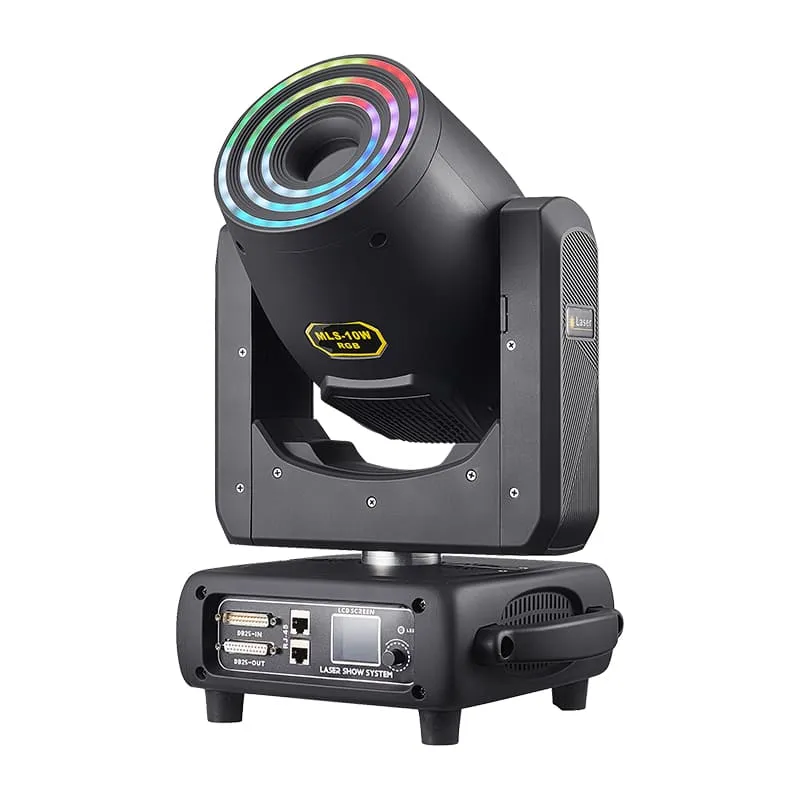
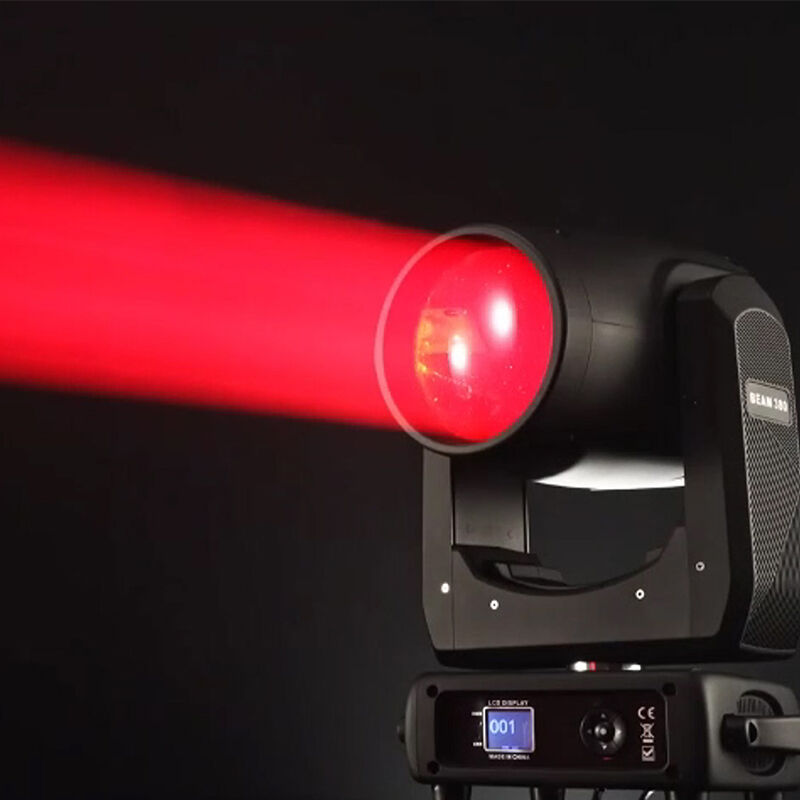
Moving head led stage lights represent a revolutionary advancement in professional lighting technology, combining the energy efficiency of LED illumination with sophisticated motorized movement capabilities. These versatile fixtures have become essential equipment for concerts, theatrical productions, nightclubs, corporate events, and architectural installations worldwide. The core functionality of moving head led stage lights centers around their ability to pan horizontally and tilt vertically while producing brilliant, color-rich illumination. Modern units typically offer 540-degree pan rotation and 270-degree tilt movement, enabling lighting designers to create dynamic effects that follow performers or sweep across audiences with precision timing. The LED light source technology provides exceptional color mixing capabilities through red, green, blue, and white diodes, often enhanced with amber and UV elements for expanded color gamuts. Advanced models incorporate CMY color mixing systems alongside traditional RGB configurations, delivering professional-grade color reproduction that meets broadcast standards. Control systems utilize DMX512 protocol compatibility, allowing seamless integration with existing lighting consoles and automated programming sequences. Many fixtures feature built-in color wheels, rotating gobos, prism effects, and variable iris control for enhanced creative possibilities. The modular design approach enables easy maintenance and component replacement, reducing operational downtime. Power consumption efficiency represents a significant technological achievement, with modern moving head led stage lights consuming 60-80% less energy than traditional halogen counterparts while delivering superior brightness output. Thermal management systems incorporate intelligent cooling mechanisms that maintain optimal operating temperatures, extending component lifespan and ensuring consistent performance during extended use. Professional applications span entertainment venues, broadcast studios, architectural highlighting, and mobile production setups. The compact form factor and reduced weight compared to conventional fixtures simplify rigging requirements and transportation logistics. Sound operation levels remain minimal, making these fixtures suitable for recording environments and intimate performance spaces where noise control is critical.