Professional Stage Light Systems - Advanced LED Technology & Digital Control Solutions

Get a Free Quote

Our representative will contact you soon.
Email
Name
Company Name
Message
0/1000

stage light system

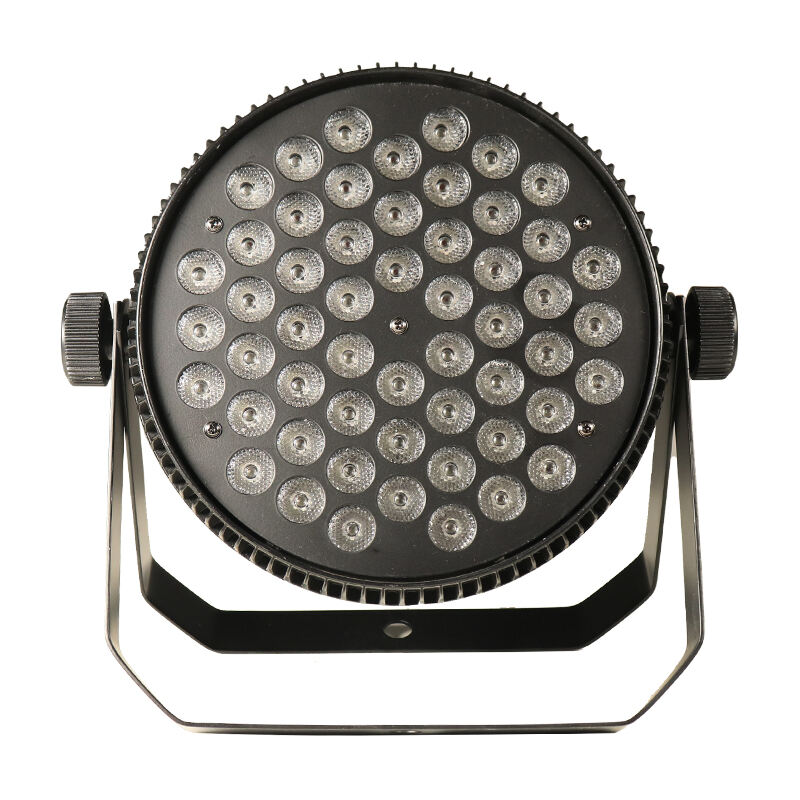
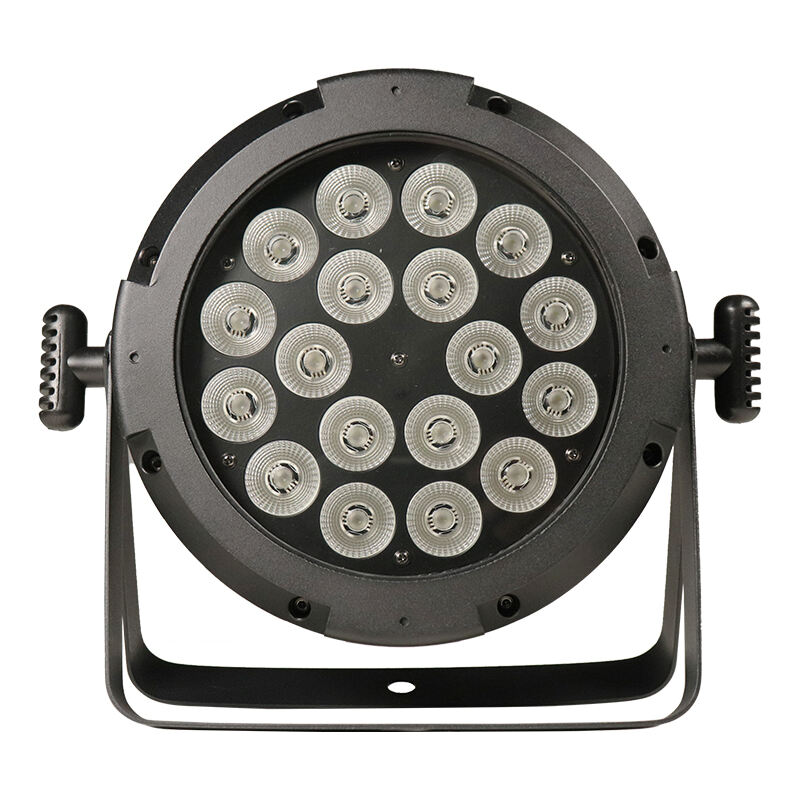
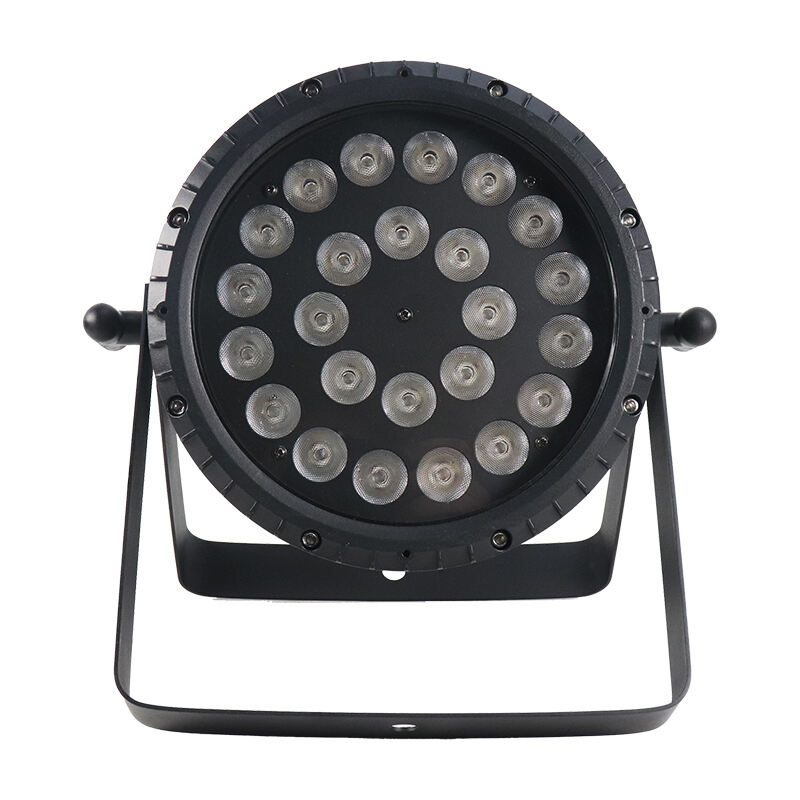
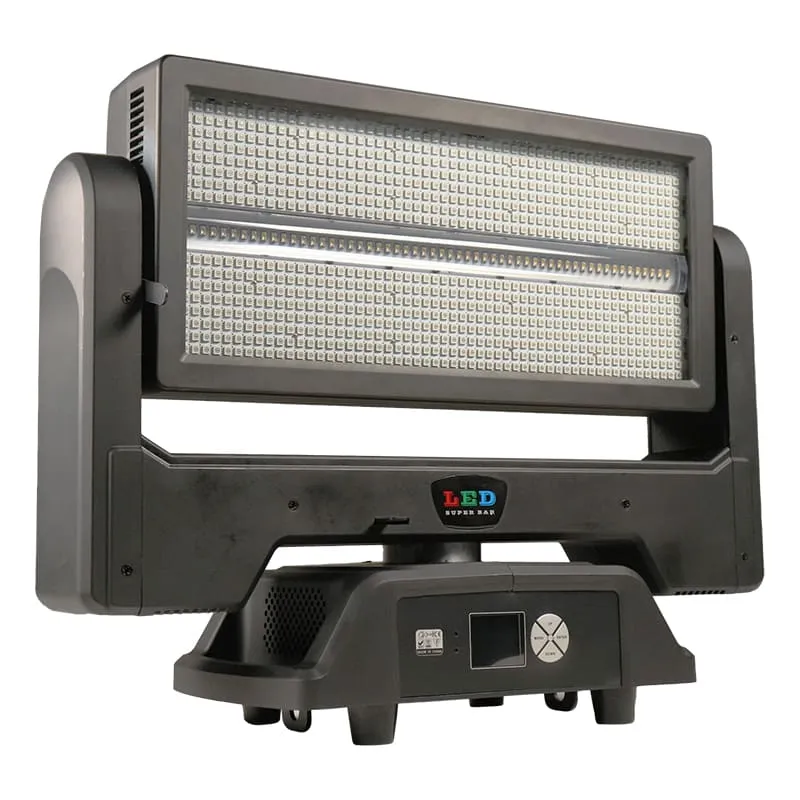
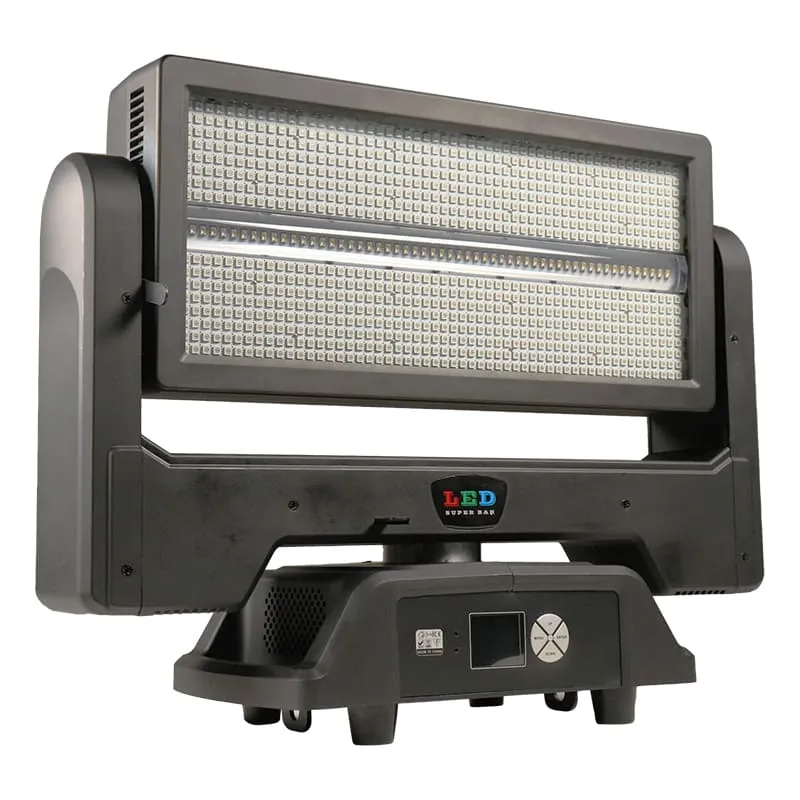
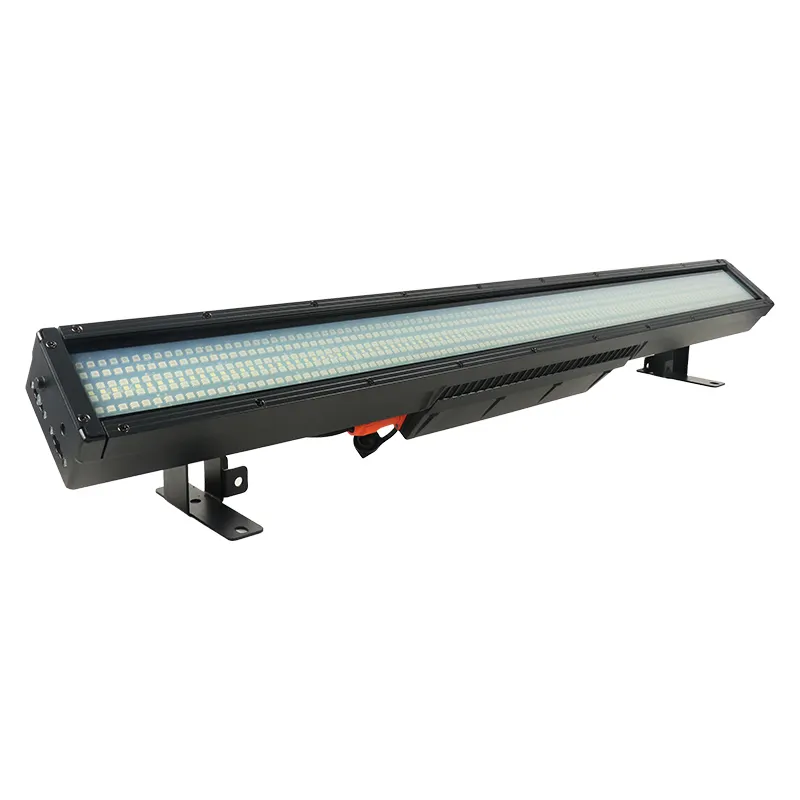
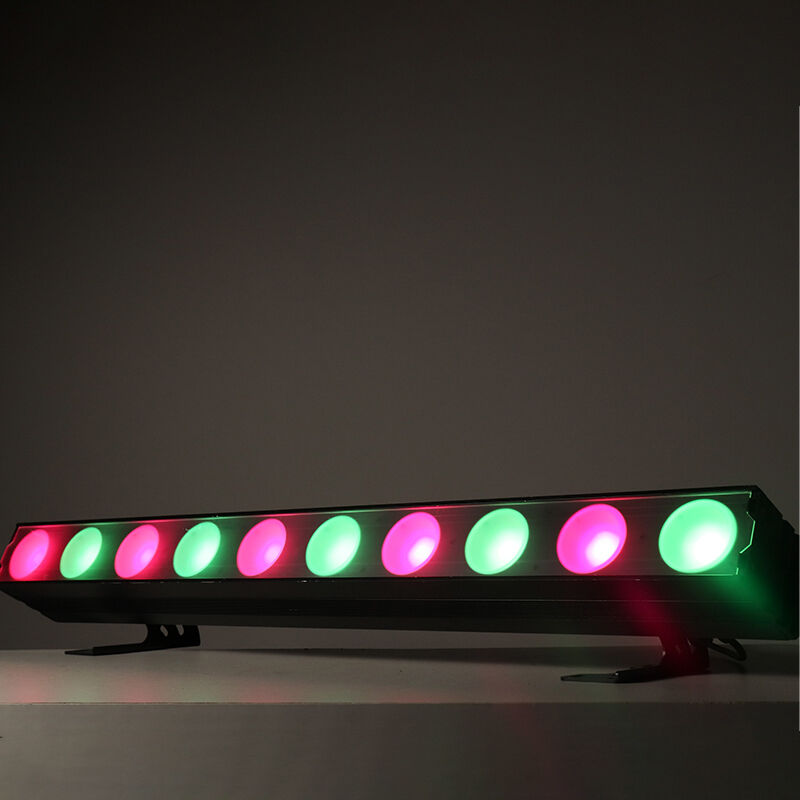
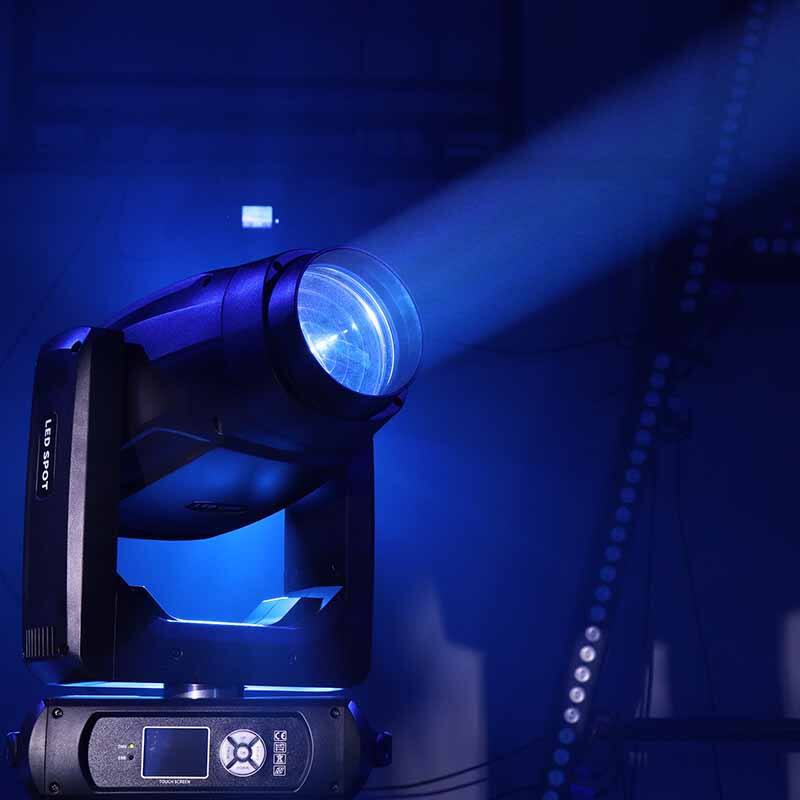
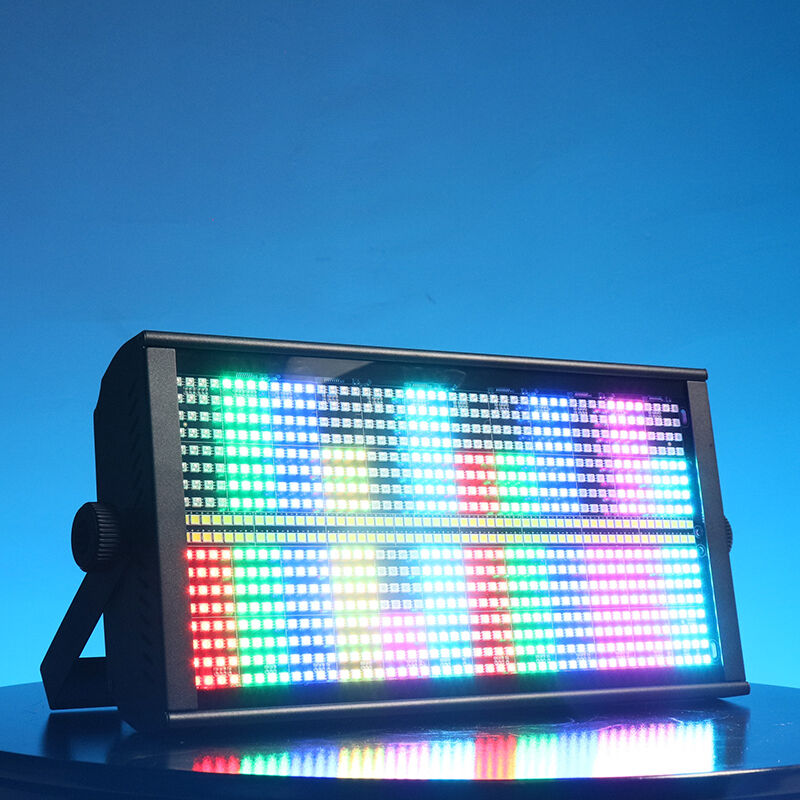
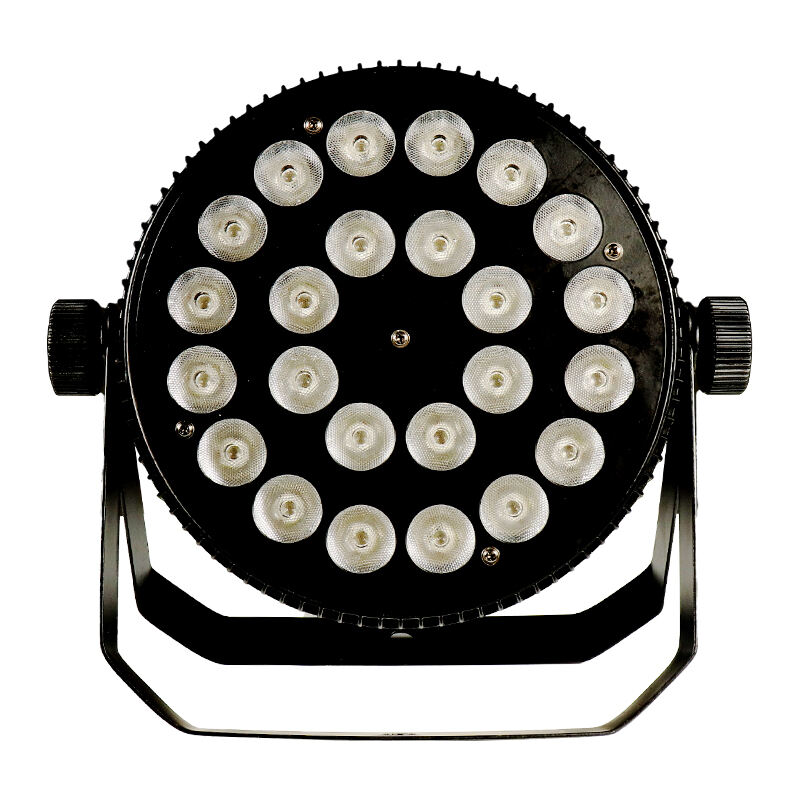
A stage light system represents the cornerstone of modern theatrical and entertainment production, serving as the primary tool for creating atmospheric environments and visual storytelling. This comprehensive lighting infrastructure encompasses multiple interconnected components that work harmoniously to deliver professional-grade illumination for various performance spaces. The stage light system integrates advanced LED technology, intelligent control mechanisms, and versatile fixture designs to meet the demanding requirements of contemporary productions. Modern stage light systems feature sophisticated digital control interfaces that allow operators to program complex lighting sequences with precision timing. These systems support multiple lighting protocols including DMX512, Art-Net, and sACN, ensuring compatibility with diverse equipment manufacturers and venue configurations. The technological foundation of today's stage light system includes automated moving head fixtures, color-changing LED panels, and traditional tungsten spotlights, all managed through centralized control consoles. Professional venues rely on stage light systems to create dynamic visual experiences that enhance audience engagement and support artistic expression. The modular architecture of contemporary stage light systems allows for scalable installations, accommodating everything from intimate theater productions to large-scale concerts and corporate events. Advanced features such as wireless control capabilities, real-time feedback monitoring, and energy-efficient LED technology make modern stage light systems increasingly attractive to venue operators seeking reliable performance solutions. The integration of computer-based lighting control software has revolutionized how lighting designers approach their craft, enabling precise beam positioning, color mixing, and effect generation. Safety considerations remain paramount in stage light system design, with built-in protection mechanisms preventing overheating and ensuring stable operation during extended performances. The evolution of stage light system technology continues to push boundaries, incorporating innovations like pixel mapping, automated focus tracking, and cloud-based remote monitoring capabilities.

New Product Releases

The stage light system delivers exceptional versatility that transforms ordinary spaces into captivating performance environments. This adaptability allows venue operators to accommodate diverse event types without requiring extensive equipment changes or costly renovations. The system's modular design enables quick reconfiguration between different production requirements, maximizing venue utilization and revenue potential. Energy efficiency stands as another compelling advantage of modern stage light systems, with LED technology consuming significantly less power than traditional incandescent alternatives while delivering superior brightness and color accuracy. This reduction in energy consumption translates directly into lower operational costs and reduced environmental impact, making the stage light system an economically and environmentally responsible choice. The enhanced control capabilities of contemporary stage light systems empower lighting designers to execute complex creative visions with unprecedented precision. Operators can program intricate lighting sequences that synchronize perfectly with music, dialogue, and movement, creating immersive experiences that captivate audiences and elevate production quality. The reliability of professional-grade stage light systems ensures consistent performance throughout demanding production schedules, minimizing the risk of equipment failures that could disrupt performances and damage venue reputations. Maintenance requirements have been significantly reduced through advanced engineering and quality components, resulting in lower long-term ownership costs and improved operational efficiency. The user-friendly interfaces of modern stage light systems accelerate training processes for new operators while reducing the likelihood of programming errors during live productions. Remote monitoring capabilities enable technical staff to oversee system performance from multiple locations, facilitating proactive maintenance and rapid troubleshooting when issues arise. The scalability of contemporary stage light systems allows venues to expand their capabilities gradually as budgets permit, avoiding the need for complete system replacements when upgrading. Color consistency across all fixtures ensures uniform lighting quality throughout performance spaces, while advanced dimming technologies provide smooth transitions that enhance visual continuity. The integration of wireless control options eliminates cable management challenges while providing greater flexibility in console positioning and operator mobility during productions.

Latest News

How Do Strobe Lights Elevate the Energy of Concerts and Dance Events

24

Oct

How Do Strobe Lights Elevate the Energy of Concerts and Dance Events

The Electrifying Impact of Strobes in Live Entertainment The pulsating flash of strobe lights has become an inseparable element of modern live entertainment, transforming ordinary venues into otherworldly spaces of pure energy and excitement. These p...
View More
What Equipment Is Crucial for Professional Concert Lighting Setups

07

Nov

What Equipment Is Crucial for Professional Concert Lighting Setups

Professional concert lighting transforms ordinary performances into unforgettable experiences that captivate audiences and create lasting memories. The art of stage illumination requires careful planning, specialized equipment, and technical expertis...
View More
How Do Concert Lighting Designs Influence Audience Engagement and Experience

07

Nov

How Do Concert Lighting Designs Influence Audience Engagement and Experience

Concert lighting designs serve as the invisible conductor orchestrating the emotional journey of every live performance, transforming simple musical presentations into immersive spectacles that captivate audiences worldwide. Professional lighting des...
View More
What Features Should Event Companies Look for in LED Lighting

07

Nov

What Features Should Event Companies Look for in LED Lighting

Event companies today face unprecedented pressure to deliver visually stunning experiences that captivate audiences and create lasting memories. The lighting technology they choose can make or break an event's atmosphere, directly impacting client sa...
View More

Get a Free Quote

Our representative will contact you soon.
Email
Name
Company Name
Message
0/1000

stage light system

Advanced Digital Control Technology

Advanced Digital Control Technology

The heart of every modern stage light system lies in its sophisticated digital control technology, which represents a quantum leap forward from traditional analog lighting systems. This advanced control architecture enables lighting designers and technicians to achieve unprecedented levels of precision and creativity in their productions. The digital control interface provides intuitive access to thousands of individual lighting parameters, allowing operators to fine-tune every aspect of the lighting environment with remarkable accuracy. Modern stage light systems incorporate powerful processing capabilities that can manage hundreds of individual fixtures simultaneously, each with its own unique set of controllable attributes including intensity, color temperature, beam angle, and movement patterns. The real-time feedback mechanisms built into these digital control systems provide operators with instant status updates on fixture performance, power consumption, and system health, enabling proactive maintenance and immediate troubleshooting when necessary. The programming capabilities of advanced digital control technology allow for the creation of complex lighting cues that can be triggered automatically or manually, ensuring perfect synchronization with other production elements such as sound, video, and stage machinery. The memory capacity of modern stage light systems enables storage of extensive show files containing thousands of individual lighting states, complete with fade times, trigger conditions, and safety protocols. The networking capabilities inherent in digital control technology facilitate seamless integration with other production systems, creating a unified control environment that streamlines operational workflows and reduces the potential for human error. The backup and redundancy features built into professional stage light systems ensure continuous operation even in the event of primary controller failures, protecting valuable productions from costly interruptions. The software interfaces accompanying these digital control systems provide powerful visualization tools that allow designers to preview lighting effects before implementation, saving valuable rehearsal time and reducing programming errors during critical production phases.
Energy-Efficient LED Technology Integration

Energy-Efficient LED Technology Integration

The integration of cutting-edge LED technology within modern stage light systems represents a revolutionary advancement that delivers superior performance while dramatically reducing operational costs and environmental impact. LED-based stage light systems consume up to 80 percent less energy than traditional incandescent alternatives while producing comparable or superior light output, resulting in substantial savings on electricity bills and reduced strain on venue power infrastructure. The extended lifespan of LED fixtures, typically ranging from 50,000 to 100,000 operational hours, significantly reduces replacement costs and maintenance requirements compared to conventional tungsten lamps that require frequent bulb changes. The superior color rendering capabilities of high-quality LEDs enable stage light systems to produce vibrant, accurate colors across the entire visible spectrum without the need for colored gels or filters that reduce light output and require regular replacement. The instant-on capability of LED technology eliminates warm-up periods associated with traditional discharge lamps, allowing operators to achieve full brightness immediately when fixtures are activated. The reduced heat generation of LED-based stage light systems creates more comfortable working conditions for performers and crew members while reducing air conditioning requirements and associated energy costs. The compact form factor of LED technology enables the development of lightweight, versatile fixtures that can be positioned in locations previously inaccessible to larger traditional lighting equipment. The digital control integration inherent in LED technology allows for precise dimming capabilities without color shifting, maintaining consistent color temperature across the entire brightness range. The environmental benefits of LED technology extend beyond energy efficiency to include the elimination of mercury and other hazardous materials commonly found in traditional lighting technologies. The reduced maintenance requirements of LED-based stage light systems free up technical staff to focus on creative programming and system optimization rather than routine lamp replacements and fixture cleaning. The cost-effectiveness of LED technology continues to improve as manufacturing scales increase and technological refinements reduce production costs, making professional-grade stage light systems more accessible to smaller venues and production companies.
Scalable Modular Architecture Design

Scalable Modular Architecture Design

The scalable modular architecture of contemporary stage light systems provides venues with unprecedented flexibility to adapt their lighting capabilities to evolving production requirements and budget constraints. This innovative design approach allows facilities to begin with basic lighting configurations and progressively expand their systems as needs grow and financial resources become available. The modular components of modern stage light systems are engineered for seamless integration, ensuring that new fixtures and control elements can be added without disrupting existing installations or requiring extensive reconfiguration. The standardized communication protocols employed in modular stage light systems guarantee compatibility between equipment from different manufacturers, protecting venue investments and preventing vendor lock-in scenarios that could limit future upgrade options. The plug-and-play nature of modular stage light system components enables rapid deployment and reconfiguration, allowing venues to adapt their lighting setups for different events without requiring specialized technical expertise or extended downtime. The distributed processing architecture inherent in modular designs enhances system reliability by eliminating single points of failure that could compromise entire lighting installations. The flexibility of modular stage light systems extends to physical mounting options, with components designed to integrate seamlessly with various rigging systems, architectural elements, and portable support structures. The inventory management advantages of modular systems enable venues to maintain standardized spare parts that can support multiple fixture types, reducing storage requirements and simplifying maintenance procedures. The training benefits of modular stage light systems stem from standardized user interfaces and operational procedures that remain consistent across different system configurations and expansion phases. The future-proofing inherent in modular architecture ensures that venues can incorporate emerging technologies and industry standards without requiring complete system replacements. The cost distribution advantages of modular systems allow venues to spread capital investments over extended periods while maintaining operational capability throughout the expansion process. The troubleshooting efficiency of modular stage light systems enables technical staff to isolate and address problems quickly without affecting unrelated system components, minimizing production disruptions and maintenance costs.

Get a Free Quote

Our representative will contact you soon.
Email
Name
Company Name
Message
0/1000