 EN
EN


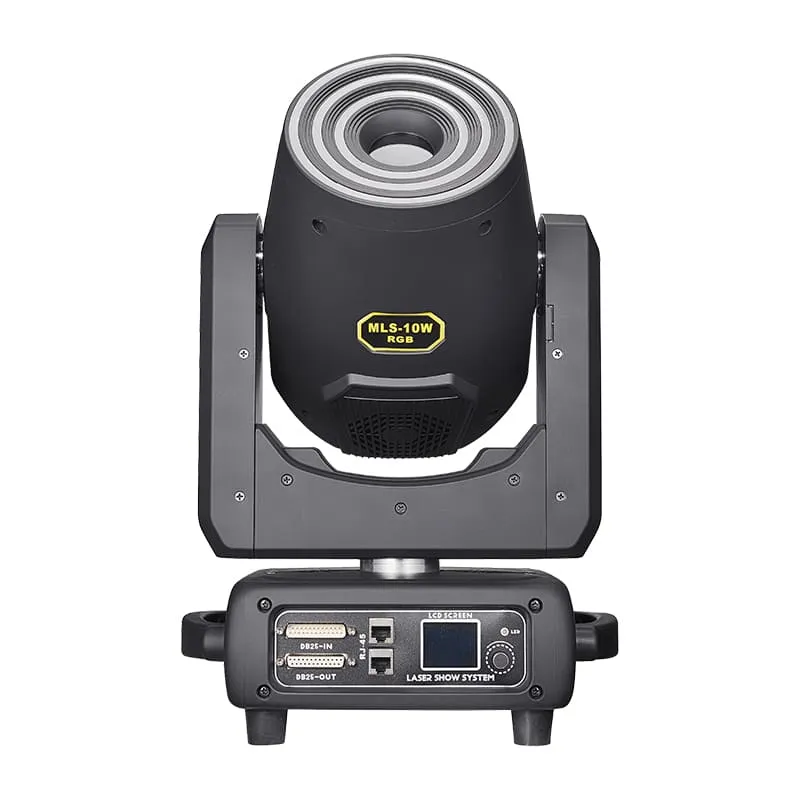
In event environments where attention is fragmented, branding succeeds when visual cues are immediate, repeated, and emotionally consistent. gobo lights help deliver that consistency by projecting logos, campaign symbols, and patterned textures directly onto walls, stages, entrances, and ceilings. Instead of relying only on printed signage, event teams can use gobo lights to place identity elements exactly where audiences are looking, turning brand presence into part of the live experience rather than background decoration.
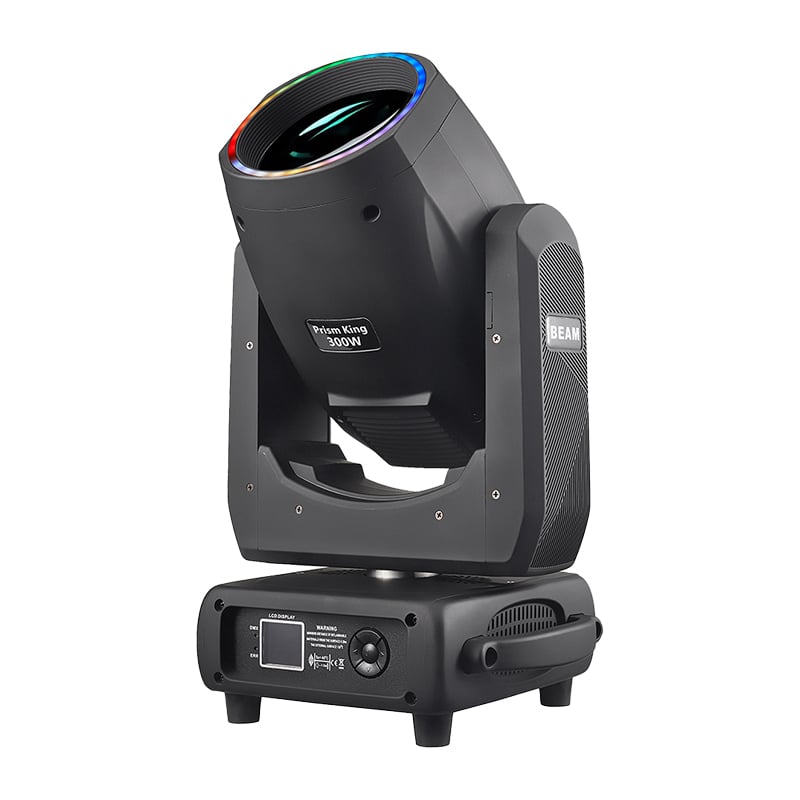
The branding impact of gobo lights comes from control and repetition. Teams can maintain color harmony, preserve logo geometry, and synchronize lighting moments with keynote timing or product reveals. In B2B events, where trust and credibility matter as much as creativity, gobo lights also communicate production maturity: the organization appears deliberate, coordinated, and technically capable. This is why many planners treat gobo lights not as an effect layer, but as a practical identity system inside the event itself.
Brand Visibility Becomes Architectural Instead of Peripheral
Identity placement moves into high-attention zones
Traditional branding often stays on banners, booth panels, and registration desks. Those placements are useful, but they compete with movement, crowd flow, and sightline obstructions. Gobo lights allow teams to project marks onto central surfaces such as stage backdrops, ceiling spans, and entry corridors, where visitors naturally direct their gaze. This increases visual contact frequency without adding physical clutter.
When gobo lights are mapped to architectural surfaces, the brand becomes part of the room geometry. Audiences do not just see a logo once; they encounter it repeatedly while moving through keynote zones, networking spaces, and demo areas. That repeated exposure supports stronger recall, especially in multi-session conferences where attendees process large amounts of information across long schedules.
Scale and distance support larger audience environments
In medium to large venues, printed branding can lose legibility at distance. Gobo lights help solve this by producing high-contrast projections that remain readable across wider spans. If the design file is optimized and focus is managed correctly, logo edges stay crisp enough to preserve brand integrity from back-of-room seating. This is valuable in investor forums, trade events, and corporate summits where audience dispersion is high.
Because gobo lights can be adjusted in beam angle, intensity, and projection position, crews can tune visibility for varying ceiling heights and ambient light conditions. That flexibility reduces the risk of underperforming visuals when event spaces change at the last moment. From an operations perspective, gobo lights provide adaptive branding control without requiring major reprints or structural reinstallation.
Visual Consistency Strengthens Perceived Brand Quality
Color discipline and logo fidelity improve trust signals
Consistency is a core component of professional brand perception. Gobo lights support that consistency by keeping identity graphics aligned with defined visual standards across sessions and zones. When colors, icon proportions, and projection placement remain stable, audiences receive a coherent message that feels intentional and managed. In B2B settings, that coherence often influences how stakeholders assess reliability.
Event teams can reinforce this effect by pairing gobo lights with a fixed scene library: opening state, speaker transition state, product reveal state, and closing state. Each state can preserve the same identity cues while changing motion or intensity to match program flow. This method prevents random visual shifts that dilute message clarity.
Repeated cues improve memory encoding during long agendas
Attendees at industrial and enterprise events absorb technical content for hours, often across multiple halls. Memory retention improves when visual anchors are repeated in predictable ways. Gobo lights create those anchors by maintaining recognizable symbols at critical decision points, such as breakout entrances, sponsor lounges, and presentation stages. The result is not only better recall of the event host but also clearer association between the brand and key topics discussed.
When gobo lights are synchronized with message moments, branding shifts from passive display to cognitive reinforcement. For example, projecting a product family icon during a feature explanation helps attendees connect verbal detail with a visual trigger. Later, the same projection at exit routes can reactivate memory and improve post-event follow-up performance.
Storytelling Through Motion and Timing Expands Brand Expression
Dynamic scenes connect identity with narrative moments
Static logos communicate presence, but events also need narrative progression. Gobo lights can transition from subtle texture to explicit identity marks as agenda intensity rises, allowing brand expression to follow program logic. During opening music, abstract brand patterns can set tone; during executive remarks, sharper logo projections can signal authority. This progression makes branding feel integrated rather than repetitive.
Because gobo lights work within lighting control workflows, timing can be precise to seconds. That precision matters in product launch segments where visual transitions must align with speech cues, video playback, and stage movement. Properly timed projections make brand moments feel deliberate and cinematic without requiring oversized set construction.
Multi-zone events gain a unified visual language
Large events often include registration halls, exhibition areas, plenary rooms, and private meeting suites. Without a unifying design mechanism, each zone can drift into a separate visual identity. Gobo lights help maintain continuity by carrying a shared motif across all zones while allowing each area to adjust brightness and mood to its purpose. This balance preserves both consistency and functional variation.
For industrial exhibitions, teams may project different application icons in each demo area while keeping the same core symbol style. Gobo lights then act as a navigation and branding layer at once: attendees understand where they are and who is presenting. That dual function supports cleaner visitor flow and stronger brand coherence across complex floor plans.
Operational Efficiency Makes Branding More Adaptable On Site
Faster updates reduce redesign pressure and waste
Event branding frequently changes during final production windows due to speaker adjustments, campaign shifts, or revised messaging. Printed assets can be costly to replace under tight deadlines. Gobo lights offer a practical alternative because projection content and placement can be updated with less physical rework. This makes branding programs more resilient when timelines compress.
From a production management perspective, gobo lights support iterative refinement during rehearsals. Teams can test projection scale, angle, and contrast live, then adjust quickly to improve readability. That agility is especially useful in venues with reflective surfaces or unexpected ambient light, where pre-event renderings do not always predict real outcomes.
Technical integration supports reliable execution
Branding value only materializes when execution is stable throughout the event. Gobo lights integrate with standard lighting consoles and cue structures, allowing identity moments to run as part of the same technical timeline as house lighting and stage effects. This reduces coordination gaps between creative direction and on-site operation.
Reliability also improves when gobo lights are planned with viewing angles, throw distances, and focus positions documented in advance. With clear patching and cue naming, operators can maintain brand visuals across long sessions without drift. For B2B audiences, that consistency contributes to an overall impression of discipline, which reflects positively on the host organization.
FAQ
Are gobo lights suitable for formal B2B conferences, not just entertainment events?
Yes. Gobo lights are highly suitable for formal B2B conferences because they can be programmed for subtle, controlled branding rather than high-energy effects. By using restrained movement, balanced brightness, and clean logo projections, teams can reinforce professionalism while still improving visibility and recall. The key is design discipline, not visual excess.
How early should event teams plan gobo lights for branding use?
Planning gobo lights early in the production cycle produces better results because identity assets, venue drawings, and cue timing can be coordinated from the start. Early planning helps avoid projection conflicts with scenic elements and ensures logo readability from main audience positions. It also gives technical teams time to test color and focus accuracy before show day.
Can gobo lights support multiple campaign messages during one event?
They can, provided the message hierarchy is clear. Gobo lights can present one core identity throughout the event while introducing supporting symbols or patterns for specific sessions. This approach keeps the master brand stable and avoids confusion. Overloading too many competing visuals in short intervals should be avoided to preserve clarity.
What is the main reason gobo lights improve visual identity outcomes?
The main reason is controlled repetition in high-attention spaces. Gobo lights place brand elements where people naturally look, maintain consistency across zones, and synchronize identity with key narrative moments. Together, these factors make branding more memorable, more coherent, and more aligned with the event experience from entry to close.