
 EN
EN


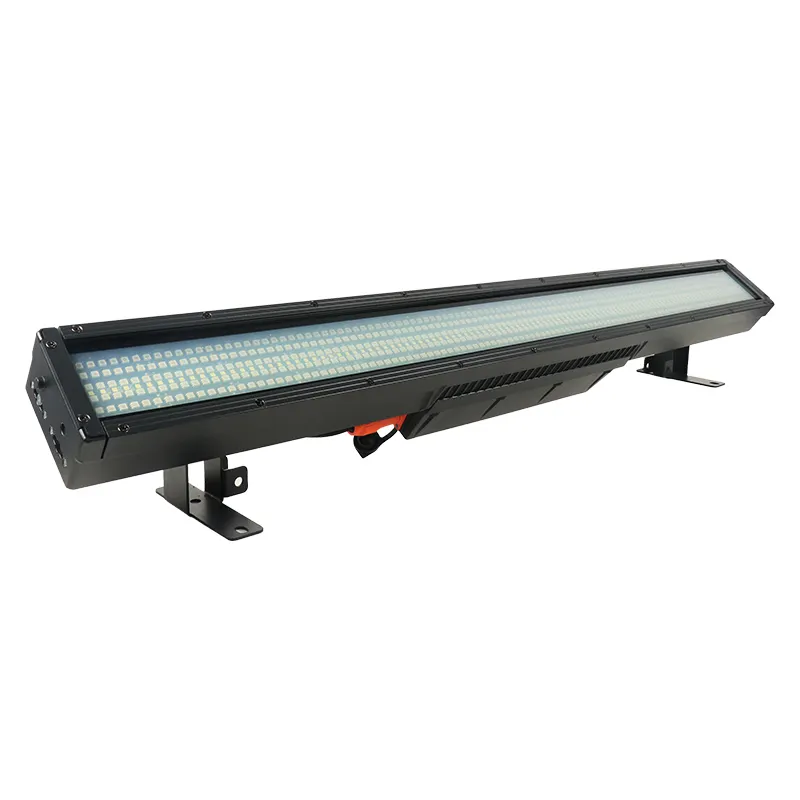
Creative lighting design is no longer about brightness alone. In modern venues, gobo lights help transform plain stages and club rooms into visual stories that match music, mood, and audience energy. When designers ask how to make a show feel original night after night, gobo lights often become the key tool because they project shape, texture, and motion in ways static fixtures cannot. In practical production terms, gobo lights give teams more looks per show without rebuilding the full rig.
For stage productions and nightlife environments, the value of gobo lights comes from controlled creativity. Designers can move from elegant theatrical patterns to high-impact club effects in seconds, keeping transitions smooth and immersive. This flexibility is why gobo lights are now central in both planned cue stacks and live operator improvisation. The real creative advantage is not one single effect, but how gobo lights combine with rhythm, haze, color, and movement to build a dynamic visual identity for each event.
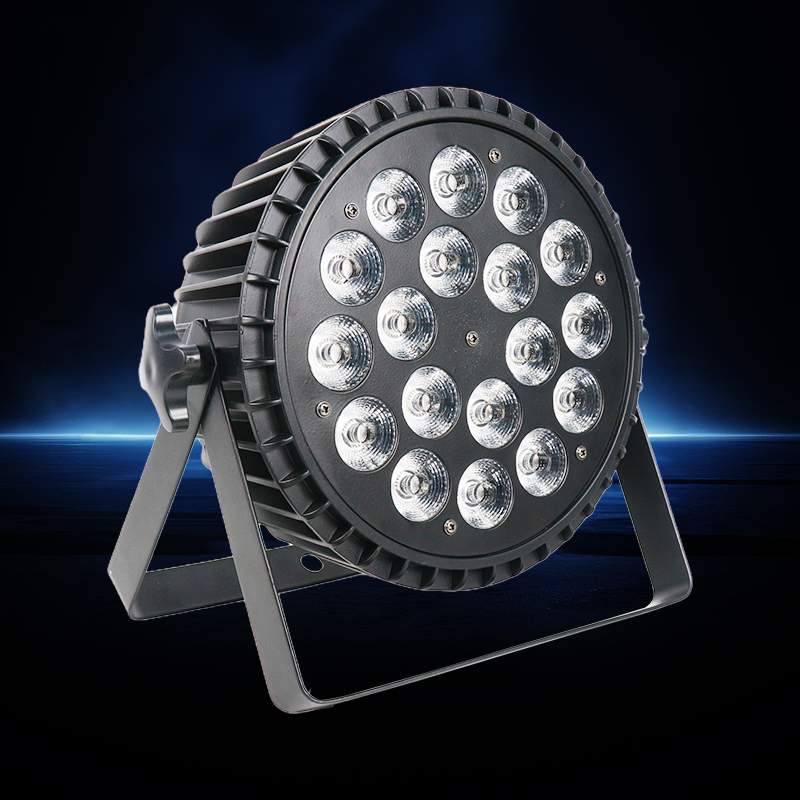
Creative Range Through Pattern, Texture, and Spatial Illusion
Projected patterns expand visual language
One reason gobo lights add creativity is their ability to project recognizable and abstract patterns that immediately change the atmosphere. A circular beam can become a lattice, breakup texture, or geometric motif that supports a song section or scene transition. Instead of treating light as simple illumination, teams use gobo lights as visual content layered across floors, backdrops, and scenic elements. This lets lighting design communicate tone before performers even move.
In clubs, this pattern variety keeps repeat customers engaged because the room can look new each night with different gobo wheels and cue timing. On stage, directors often rely on gobo lights to suggest environment, such as urban, industrial, organic, or futuristic textures without large set changes. The result is faster pacing and stronger emotional continuity. Creativity increases because gobo lights let one rig produce many distinctive visual signatures.
Texture and depth make flat rooms feel cinematic
Many venues struggle with flat walls, low ceiling contrast, or limited scenic budget, and gobo lights directly address that limitation. By projecting textured light at different angles, designers create perceived depth and layered space, turning ordinary architecture into a scenic asset. This depth effect matters for camera capture as well, because gobo lights add separation between subject and background. Audiences experience a richer environment even when the physical room stays unchanged.
When haze is present, gobo lights also shape visible beam paths that make movement feel three-dimensional. A simple pan or tilt can turn into a dramatic visual sweep when pattern edges catch airborne particles. This is where creative design becomes efficient: instead of adding more fixtures, crews can extract more looks from existing gobo lights through angle, focus, and timing control. That efficiency is especially valuable in touring and fast-turn club operations.
Real-Time Adaptability for Music-Driven and Cue-Driven Shows
Fast cue changes support live energy shifts
Stage shows and clubs are both built on momentum, and gobo lights support that momentum with quick scene shifts. Designers can move from tight, sharp gobos to wide, soft textures in a single transition to match tempo or emotional arc. This allows the lighting system to respond to live vocals, DJ pacing, or audience reaction without breaking visual coherence. Creative impact increases because gobo lights make transitions feel intentional rather than abrupt.
In timecoded environments, gobo lights can be programmed as repeatable visual motifs tied to musical structure, such as intro, drop, bridge, and finale. In busked shows, operators can trigger those same motifs manually and still maintain design quality. The flexibility to work in both programmed and improvised modes gives gobo lights a practical edge over simpler fixtures. Teams gain creative freedom while keeping operational reliability.
Movement plus gobo rotation creates evolving scenes
Creativity often depends on evolution over time, not one static image, and gobo lights excel here. Rotating gobos combined with fixture movement generate living scenes that feel synchronized with rhythm and performer motion. Subtle rotation can create tension during buildup, while faster rotation can intensify high-energy segments. Because gobo lights can vary speed, direction, and indexing, designers can craft nuanced visual narratives instead of repetitive loops.
This evolving quality is especially powerful in clubs where tracks vary widely across a set. Rather than resetting the room physically, the operator reshapes the environment with gobo lights in real time. On theatrical stages, the same principle supports scene progression and dramatic punctuation. Creativity rises because gobo lights provide continuity and change at once, keeping the audience oriented yet surprised.
Branding, Theme Building, and Audience Memory
Custom projection supports event identity
Beyond abstract effects, gobo lights can reinforce a production identity by projecting thematic symbols, monograms, or motif-driven shapes. This makes events feel authored rather than generic, which is critical in competitive nightlife and premium stage production. When viewers can associate a signature visual with a venue or show concept, recall improves long after the event ends. In that sense, gobo lights contribute directly to brand storytelling through light.
Designers also use gobo lights to differentiate nights within the same venue, such as residency formats, seasonal themes, or genre-specific programs. A room can shift from elegant ambience to aggressive dance energy without rehang or rebuild. Operationally, this is efficient and commercially useful because creative variety does not require constant hardware changes. Thematic consistency and visual novelty can coexist through well-programmed gobo lights.
Layered visuals improve social and camera impact
Audience memory now depends heavily on phone footage and live capture, and gobo lights improve how scenes read on camera. Patterned layers behind performers create contrast and texture that survive compression better than flat washes. For clubs, this means dance floor clips look more dramatic online, which supports organic promotion. For stage events, gobo lights help maintain visual quality in both in-room and broadcast-style viewing contexts.
A practical way to expand this capability is selecting fixtures designed for beam definition, gobo clarity, and movement precision, such as gobo lights built for dynamic cueing. The creative goal is not maximum brightness in every moment, but maximum visual intention. When layers are balanced correctly, gobo lights improve both artistic direction and audience shareability. This link between design quality and digital visibility is now central to event success.
Practical Design Methods That Unlock More Creativity
Programming strategy determines creative ceiling
Even advanced hardware underperforms without structure, so creative use of gobo lights starts in programming. Teams that build reusable palettes for focus, rotation speed, prism behavior, and color pairing can generate more unique looks quickly during rehearsals or live sets. This method reduces repetitive trial and error while preserving room for experimentation. In practice, gobo lights become more creative when operators can combine prepared building blocks on demand.
A strong approach is to map gobo lights by function across song energy bands, then refine transitions between bands rather than treating each cue as isolated. This creates coherent flow and makes the show feel designed at a systems level. Clubs benefit by maintaining identity through long sets, while stage teams benefit from repeatable quality across multiple performance days. Creativity improves because the workflow supports controlled variation.
Placement, focus, and restraint shape stronger results
Creative lighting is not only about adding effects; it also requires intentional restraint, and gobo lights are most effective when every projection has a role. Strategic placement at different heights prevents pattern collisions and keeps negative space available for key moments. Focus discipline ensures textures remain readable instead of becoming visual noise. In other words, better creativity with gobo lights often comes from editing, not excess.
Teams that review sightlines from audience positions, DJ booth perspective, and camera angles usually get more value from the same gobo lights inventory. Small adjustments in fixture tilt or focus can dramatically improve clarity and perceived depth. Over time, this iterative refinement builds a stronger visual language unique to each venue or production. That is how gobo lights move from decorative effect to core creative infrastructure.
FAQ
Are gobo lights only useful for large venues?
No. Gobo lights are effective in both compact and large spaces because creativity comes from pattern control, angle, and programming, not venue size alone. In smaller clubs, gobo lights can make limited architecture feel deeper and more immersive. On larger stages, gobo lights scale by covering wider surfaces and layering multiple fixture groups.
Do gobo lights require haze to look creative?
Haze enhances beam visibility, but gobo lights remain creative without it because projected textures on floors, walls, and scenic elements still carry strong visual impact. With haze, movement and depth become more pronounced. Without haze, focus and surface selection become more important for clean results.
How do gobo lights improve repeat events at the same venue?
Gobo lights let teams refresh the look of recurring events by changing pattern combinations, rotation behavior, cue timing, and color context. This avoids visual fatigue for returning audiences while using the same rig. The venue maintains consistent production quality while still delivering new creative experiences.
What is the biggest mistake when using gobo lights in clubs and stages?
The most common mistake is overloading every moment with intense effects, which reduces contrast and emotional progression. Gobo lights are most creative when scenes breathe and transitions are intentional. Balanced programming, clear focus, and selective emphasis produce stronger audience response than constant maximum output.