
 EN
EN


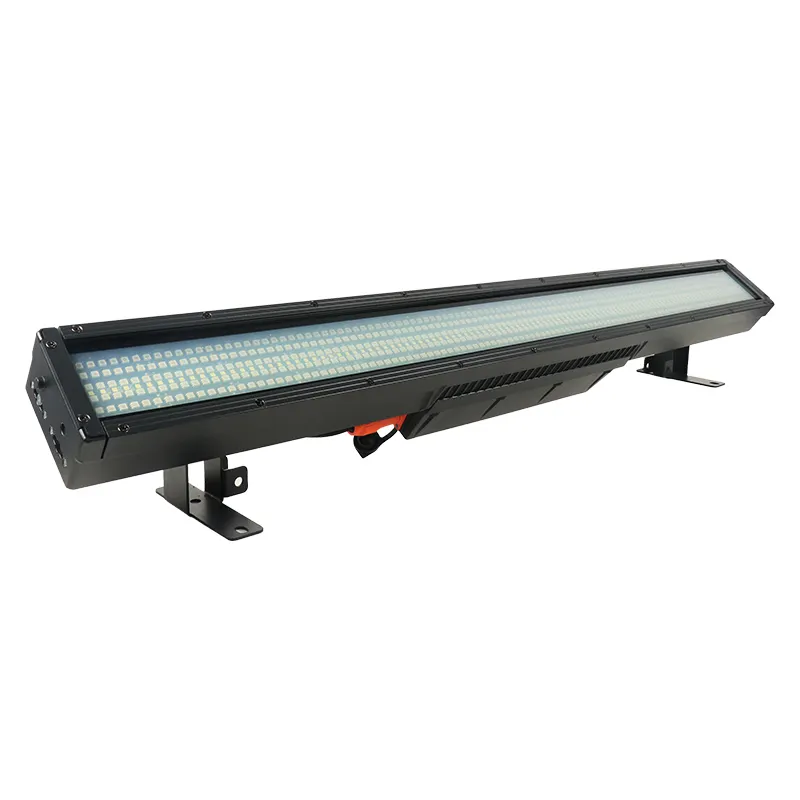
Laser lights have revolutionized the way clubs and large events create captivating atmospheres that keep audiences engaged and energized throughout the night. These sophisticated lighting systems transform ordinary venues into immersive experiences through precise beam control, synchronized patterns, and dynamic visual effects that respond to music and crowd energy. Professional event organizers and club owners understand that laser light technology serves as a crucial element in establishing the emotional connection between performers and audiences.
The strategic implementation of laser light systems goes beyond simple illumination, creating three-dimensional light sculptures that move through space and interact with architectural elements, smoke effects, and human movement. Modern laser technology allows lighting designers to craft precise atmospheric moods that enhance musical performances, guide crowd attention, and create memorable moments that distinguish exceptional events from ordinary gatherings. Understanding how these systems operate and integrate with other production elements reveals why laser light has become an indispensable tool for creating extraordinary entertainment experiences.
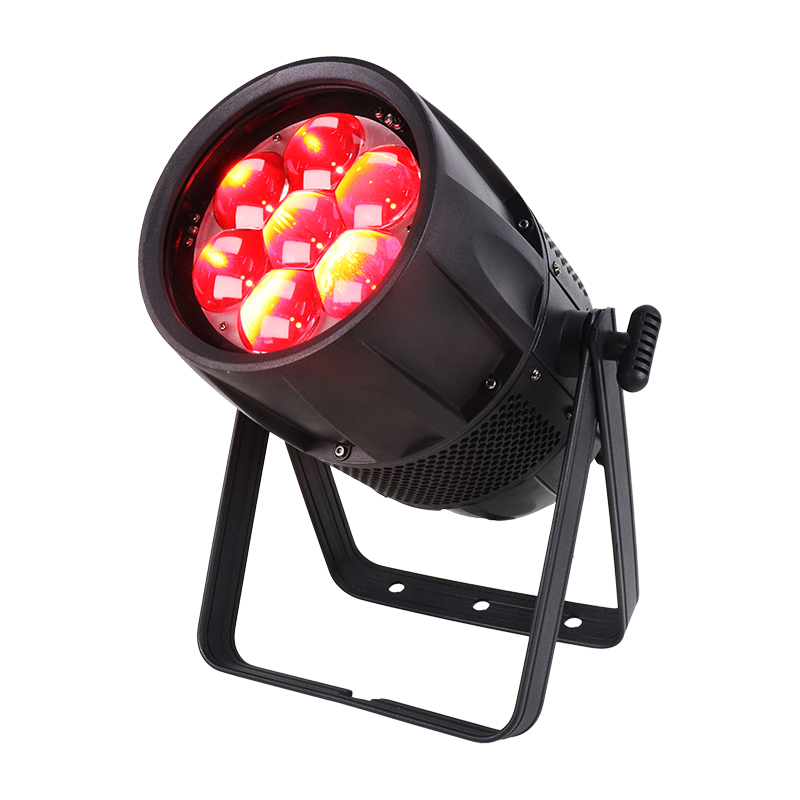
The Science Behind Laser Light Atmospheric Enhancement
Beam Physics and Visual Perception
Laser light systems create atmospheric enhancement through precise control of coherent light beams that maintain consistent wavelength and phase relationships. This coherence allows laser light to travel long distances without significant beam dispersion, creating sharp, defined patterns that cut through ambient lighting and atmospheric effects. The monochromatic nature of laser light produces saturated colors that appear more vivid than conventional lighting, particularly when interacting with haze or fog particles suspended in the venue atmosphere.
The human eye perceives laser light differently than traditional lighting sources due to the concentrated photon density and directional characteristics of the beam. This perception difference allows laser light to create apparent motion and depth effects that engage peripheral vision and create immersive visual experiences. Professional lighting designers leverage these perceptual qualities to guide audience attention, create focal points, and establish visual rhythms that complement musical elements.
Atmospheric Interaction Mechanics
Laser light becomes visible and dramatically effective when interacting with atmospheric particles such as haze, fog, or environmental dust. These particles scatter the laser light through Rayleigh scattering and Mie scattering processes, making the beam path visible and creating volumetric lighting effects. The density and distribution of atmospheric particles directly influence the visual intensity and character of laser light displays, requiring careful coordination between lighting designers and atmospheric effect technicians.
Temperature gradients, humidity levels, and air circulation patterns within venues affect how laser light interacts with the atmosphere. Professional installation teams consider these environmental factors when positioning laser light systems to ensure consistent performance throughout events. The strategic use of atmospheric enhancement allows single laser light beams to fill large spaces with visible light patterns, maximizing the impact of each installed fixture.
Design Integration Strategies for Maximum Impact
Architectural Considerations
Successful laser light integration requires careful analysis of venue architecture to identify optimal mounting positions, beam paths, and reflection surfaces. Ceiling height, structural elements, and audience sightlines determine the effective range and coverage patterns for laser light installations. Professional designers map three-dimensional beam trajectories to ensure laser light effects reach intended audience areas without obstruction or safety hazards.
Mirror balls, reflective surfaces, and architectural features can multiply the apparent number of laser light beams through strategic reflection and refraction. This multiplication effect allows smaller laser light systems to create the visual impact of much larger installations when properly integrated with venue architecture. Sound absorption materials and acoustic treatments must be considered during laser light planning to prevent interference between audio and visual system installations.
Synchronization and Control Systems
Modern laser light systems integrate with sophisticated control networks that synchronize lighting effects with musical elements, video content, and other production components. DMX512 protocol and Art-Net networking allow laser light systems to respond to real-time audio analysis, creating dynamic relationships between sound and visual elements. Professional control systems enable lighting designers to program complex sequences that build and release tension in coordination with musical arrangements.
Time-code synchronization ensures that laser light effects maintain precise timing relationships with recorded music, live performances, and video content. This synchronization capability allows event producers to create repeatable experiences while maintaining the flexibility to adapt lighting effects for different performances or audience responses. Advanced control systems include safety monitoring features that automatically adjust laser light output based on environmental conditions and audience proximity.
Psychological and Emotional Impact Mechanisms
Sensory Engagement Principles
Laser light systems engage multiple sensory pathways simultaneously, creating psychological responses that enhance emotional connection to musical and performance content. The sharp, geometric patterns produced by laser light stimulate visual processing centers differently than organic or soft lighting, creating heightened states of attention and focus. These neurological responses contribute to the energizing effect that audiences experience in well-designed laser light environments.
Color psychology plays a crucial role in how laser light affects audience mood and energy levels. Red laser light wavelengths tend to increase physiological arousal and create excitement, while blue and green laser light can establish calming or mysterious atmospheres. Professional lighting designers sequence different laser light colors to guide emotional journeys throughout events, building intensity during peak moments and providing visual rest during quieter segments.
The temporal patterns of laser light movement influence audience perception of time and space within event environments. Rapid, stroboscopic laser light effects can create sensations of compressed time and heightened intensity, while slow, sweeping movements establish feelings of spaciousness and contemplation. These temporal manipulation techniques allow lighting designers to psychologically reshape venue spaces and influence audience engagement levels.
Social Atmosphere Creation
Laser light systems contribute to social bonding and collective experience through shared visual focus and synchronized sensory input. When audiences simultaneously observe the same laser light patterns and movements, they develop shared reference points that enhance group cohesion and collective excitement. This social synchronization effect helps explain why venues with sophisticated laser light systems often develop stronger audience loyalty and repeat attendance.
The three-dimensional nature of laser light displays creates opportunities for audience members in different locations to experience unique perspectives while maintaining connection to the overall visual experience. This spatial diversity allows large events to maintain intimacy and personal connection even when serving thousands of attendees. Professional event designers use laser light positioning to create multiple focal zones that accommodate different audience preferences and viewing angles.
Technical Implementation and Safety Considerations
Power Classification and Regulatory Compliance
Professional laser light installations must comply with international safety standards that classify laser systems based on power output and potential biological hazard levels. Class 3B and Class 4 laser light systems commonly used in entertainment applications require specific safety protocols, operator training, and environmental monitoring to ensure audience and crew safety. Regulatory compliance varies by jurisdiction, requiring professional installation teams to understand local requirements and obtain appropriate permits.
Beam containment and audience scanning protocols prevent laser light exposure that could cause eye injury or skin irritation. Professional laser light systems include safety interlocks, emergency shutdown capabilities, and real-time beam monitoring to maintain safe operation throughout events. Proper installation includes establishment of controlled access zones, warning signage, and operator training programs that ensure consistent safety compliance.
Integration with Other Production Elements
Laser light systems must integrate seamlessly with pyrotechnics, video walls, moving lights, and audio systems to create coordinated production experiences. Electromagnetic interference from high-power audio amplifiers can affect laser light control systems, requiring careful cable routing, grounding, and shielding practices. Professional installation teams coordinate power distribution, signal routing, and equipment positioning to prevent technical conflicts between different production systems.
Environmental factors such as temperature variations, humidity changes, and airborne particles affect laser light performance and longevity. Climate control systems, air filtration, and equipment protection measures ensure reliable laser light operation throughout extended events or permanent installations. Regular maintenance protocols include optical cleaning, calibration verification, and safety system testing to maintain optimal performance and safety compliance.
FAQ
How much power do professional laser light systems require for large events?
Professional laser light systems for large events typically require between 500 watts and 5000 watts of electrical power, depending on the number of fixtures, beam power levels, and control system complexity. High-power installations may require dedicated electrical service and power conditioning equipment to ensure stable operation. The actual laser diode power ranges from 1 watt to 20 watts per fixture, with the majority of power consumption occurring in cooling systems, control electronics, and beam shaping components.
What atmospheric conditions work best with laser light displays?
Laser light displays perform optimally in environments with controlled atmospheric density using professional haze machines or fog effects. The ideal particle density allows beam visibility without overwhelming opacity, typically achieved with haze fluid consumption rates of 1-2 ounces per hour per 10,000 cubic feet of venue space. Humidity levels between 40-60% provide optimal scattering without condensation issues, while minimal air circulation preserves atmospheric effects without dispersing particles too quickly.
Can laser light systems be safely used in venues with low ceilings?
Laser light systems can be safely implemented in low-ceiling venues through careful beam positioning, power limitation, and safety zone establishment. Professional installations in venues with ceilings below 12 feet require specialized mounting techniques, beam containment measures, and reduced power settings to maintain safety compliance. Low-ceiling applications often emphasize wall and surface projection effects rather than overhead beam displays to maximize visual impact while ensuring audience safety.
How do laser light systems integrate with existing venue lighting infrastructure?
Laser light systems integrate with existing lighting infrastructure through standard DMX512 control protocols, shared power distribution systems, and coordinated control programming. Professional installations require power load analysis to ensure adequate electrical capacity, signal distribution planning to maintain reliable control communication, and programming integration to coordinate laser light effects with conventional lighting systems. Most modern lighting consoles include laser light fixture profiles and safety monitoring capabilities for seamless integration.