
 EN
EN


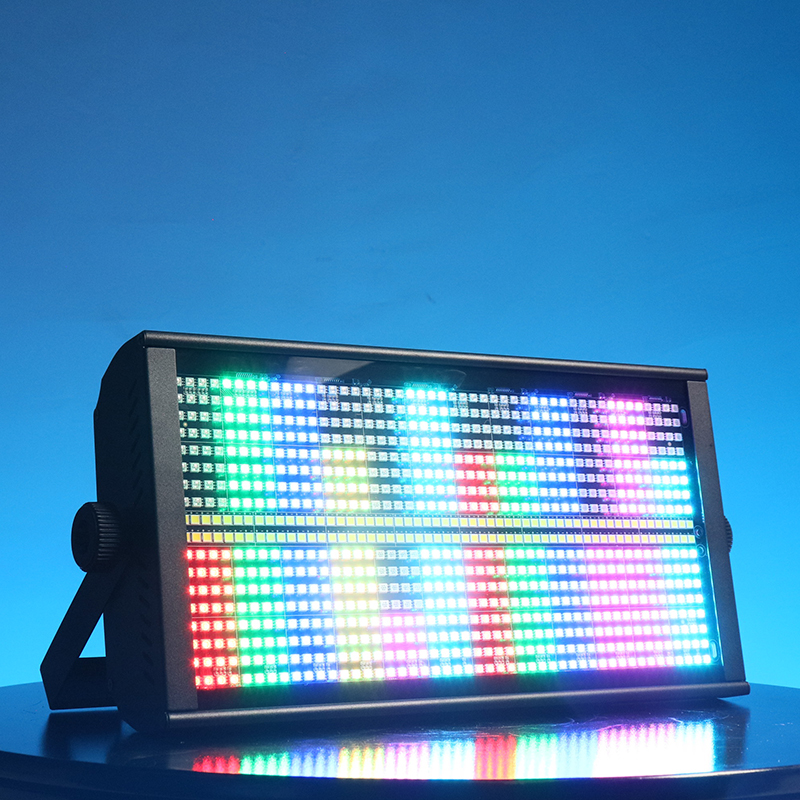
Entertainment venues rely heavily on creating memorable visual experiences that captivate audiences and transform ordinary spaces into extraordinary environments. LED bars have emerged as one of the most versatile and powerful lighting solutions for achieving dramatic visual impact across theaters, concert halls, nightclubs, and event spaces. These linear lighting fixtures offer unprecedented control over color, intensity, and dynamic effects that can instantly elevate the atmosphere and engage audiences on multiple sensory levels.
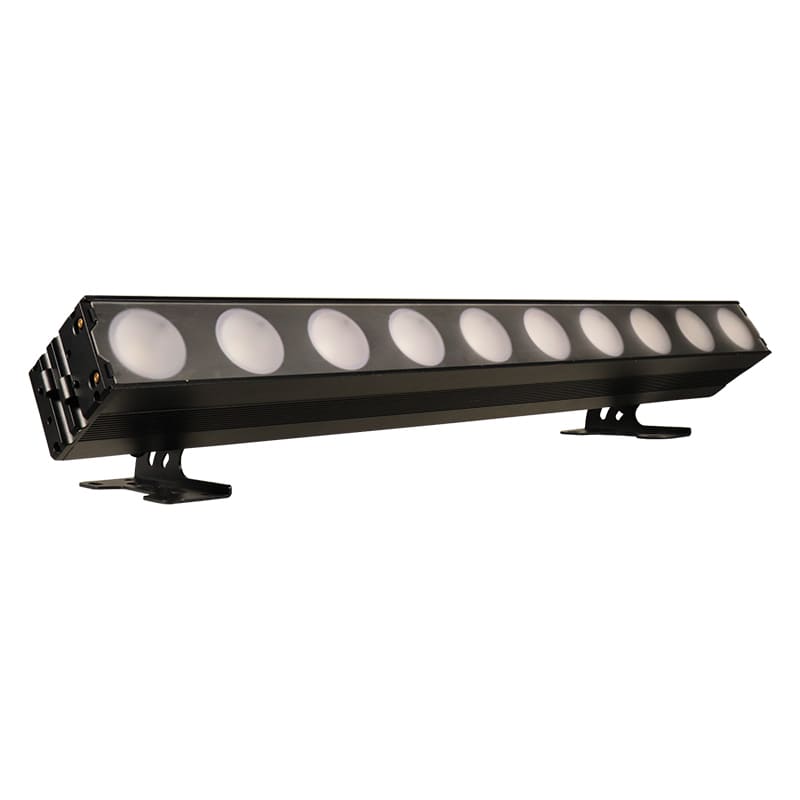
The transformation that LED bars bring to entertainment venues operates through multiple mechanisms that work together to create immersive visual experiences. Unlike traditional lighting systems that provide static illumination, LED bars enable real-time customization of lighting scenes that can synchronize with music, performances, and audience energy levels. This dynamic capability allows venue operators to craft unique visual narratives that enhance the emotional connection between performers and audiences while creating Instagram-worthy moments that drive social media engagement and repeat visits.
Color Psychology and Emotional Engagement Through LED Bars
Creating Psychological Impact with Dynamic Color Schemes
LED bars leverage the fundamental principles of color psychology to influence audience emotions and create specific atmospheric moods throughout entertainment venues. The ability to instantly transition between warm amber tones that create intimate, cozy environments and cool blues that generate energetic, modern atmospheres gives venue operators unprecedented control over the psychological experience. Research in environmental psychology demonstrates that strategic color implementation can increase audience engagement by up to 40% and significantly impact dwell time in commercial entertainment spaces.
The RGB and RGBW capabilities of modern LED bars allow for millions of color combinations that can be programmed to match specific themes, seasonal celebrations, or brand requirements. Entertainment venues utilize this flexibility to create signature lighting schemes that become part of their brand identity, making their spaces instantly recognizable and memorable. The seamless color transitions possible with LED bars eliminate the jarring switches common with traditional lighting systems, maintaining the flow of visual storytelling throughout events.
Synchronization with Audio for Multisensory Experiences
Modern LED bars integrate with audio systems to create synchronized light shows that respond to music frequency, volume, and rhythm patterns in real-time. This audio-visual synchronization transforms passive lighting into an active participant in the entertainment experience, creating immersive environments where light becomes a visual interpretation of sound. The result is a multisensory experience that engages audiences on both auditory and visual levels, leading to higher satisfaction rates and stronger emotional connections to the venue.
Entertainment venues report that audio-synchronized LED bars contribute to increased energy levels during performances and create more cohesive experiences between different acts or program segments. The technology enables smooth transitions between different musical genres or performance styles by automatically adjusting color palettes, intensity levels, and movement patterns to match the audio content, maintaining audience engagement throughout extended events.
Spatial Enhancement and Architectural Integration
Transforming Venue Architecture with Linear Lighting
LED bars excel at enhancing the architectural features of entertainment venues by providing linear illumination that can emphasize structural elements, create visual depth, and modify the perceived dimensions of spaces. The slim profile and flexible mounting options of LED bars allow them to be integrated into existing architectural elements without requiring major structural modifications, making them ideal for both new constructions and retrofit applications in historic venues.
Strategic placement of LED bars along ceiling lines, stage edges, and wall surfaces creates visual pathways that guide audience attention and improve sightlines throughout venues. This architectural integration approach helps overcome common challenges in entertainment spaces such as poor acoustics, low ceilings, or awkward layouts by using light to redirect focus and create more appealing visual proportions. Venues often report improved customer satisfaction scores after implementing architectural LED bar lighting systems that enhance the overall spatial experience.
Creating Depth and Dimension in Performance Spaces
The ability of LED bars to create layered lighting effects adds significant depth and dimension to performance spaces that might otherwise appear flat or uninspiring. By positioning LED bars at different distances and angles, lighting designers can create multiple planes of illumination that give stages and performance areas a three-dimensional quality that enhances performer visibility and creates more engaging backgrounds for photography and video content.
Entertainment venues utilize LED bars to create virtual scenery changes without physical set modifications, allowing the same space to transform between different themes, moods, or performance requirements throughout a single event. This flexibility reduces setup time, eliminates storage requirements for physical backdrops, and provides unlimited creative possibilities for visual storytelling that adapts to different performers and event types.
Energy Efficiency and Operational Benefits
Reducing Operational Costs Through LED Technology
LED bars deliver substantial operational cost savings compared to traditional incandescent or halogen lighting systems commonly used in entertainment venues. The energy efficiency of LED technology typically reduces electricity consumption by 60-80% while providing superior light output and color accuracy. This reduction in energy costs becomes particularly significant for venues that operate extended hours or host frequent events, with many establishments reporting annual savings of thousands of dollars in electricity expenses alone.
The extended lifespan of LED bars, often exceeding 50,000 hours of operation, dramatically reduces maintenance requirements and replacement costs that can be prohibitive with traditional lighting systems. Entertainment venues benefit from reduced downtime for bulb changes, fewer service calls, and elimination of the heat-related damage that frequently affects traditional lighting installations in high-usage environments.
Simplified Programming and Control Systems
Modern LED bars integrate with sophisticated control systems that allow venue operators to pre-program complex lighting sequences, store multiple scene configurations, and make real-time adjustments through intuitive interfaces. This programmability eliminates the need for specialized lighting technicians for routine operations while providing the flexibility to create custom lighting experiences for different events, performers, or seasonal celebrations.
The digital control capabilities of LED bars enable remote operation and monitoring, allowing venue managers to adjust lighting from anywhere in the facility or even off-site through internet-connected systems. This operational flexibility proves particularly valuable for venues hosting multiple events simultaneously or facilities with limited technical staff, as lighting adjustments can be made quickly without disrupting ongoing activities.
Versatility Across Different Entertainment Applications
Adaptability for Live Music and Concert Venues
LED bars provide exceptional versatility for live music venues where lighting requirements can vary dramatically between different musical genres, performer preferences, and audience expectations. The ability to quickly reconfigure lighting schemes allows venues to transition seamlessly between intimate acoustic performances that require warm, subdued lighting and high-energy electronic shows that demand intense, dynamic light displays with rapid color changes and strobing effects.
Concert venues particularly benefit from the wide beam angles and uniform light distribution that LED bars provide, ensuring consistent illumination across large performance areas without creating harsh shadows or uneven coverage. The reliability of LED bars becomes crucial during live performances where lighting failures can disrupt shows and damage venue reputations, making the robust construction and consistent performance of quality LED bar systems essential investments for professional music venues.
Enhancing Theatrical and Drama Productions
Theater and drama productions require precise lighting control to support storytelling, create mood changes, and direct audience attention to specific stage areas or performers. LED bars excel in theatrical applications by providing smooth dimming capabilities, accurate color reproduction, and silent operation that doesn't interfere with audio quality or performer concentration during live productions.
The flexibility of LED bars allows theatrical lighting designers to create complex lighting cues that support narrative development, character entrances, and scene transitions with professional precision. The ability to program and recall specific lighting states ensures consistency across multiple performances while providing the creative flexibility to adjust lighting intensity, color temperature, and effects timing to match different directorial interpretations or cast changes throughout production runs.
Integration with Smart Venue Technology
Connectivity with Building Management Systems
LED bars integrate seamlessly with comprehensive building management systems that control HVAC, security, audio systems, and other venue infrastructure components. This integration enables coordinated responses to different operational scenarios, such as automatically adjusting lighting levels during emergency situations, coordinating with fire safety systems, or synchronizing with access control systems to provide appropriate lighting for different areas based on occupancy levels and security requirements.
The data collection capabilities of smart LED bars provide valuable insights into venue usage patterns, energy consumption trends, and maintenance requirements that help venue operators optimize their operations and reduce long-term costs. This data-driven approach to venue management enables more strategic decision-making regarding event scheduling, energy budgeting, and facility improvements that enhance overall venue performance and profitability.
Mobile App Control and User Customization
Entertainment venues increasingly offer mobile app interfaces that allow event organizers, performers, or even audience members to interact with LED bar lighting systems within controlled parameters. This user engagement capability creates unique interactive experiences where audience participation directly influences the visual environment, fostering stronger connections between guests and the venue while generating social media content that promotes the facility.
The mobile connectivity of LED bars enables venue operators to provide customized lighting experiences for private events, corporate functions, or special celebrations without requiring specialized technical knowledge from event organizers. Pre-programmed lighting themes, color schemes, and effect patterns can be easily selected and modified through user-friendly interfaces that put creative control directly into the hands of event hosts while maintaining professional quality results.
FAQ
How much energy do LED bars save compared to traditional lighting in entertainment venues?
LED bars typically consume 60-80% less energy than equivalent traditional incandescent or halogen lighting systems while producing superior light output and color accuracy. For entertainment venues operating extended hours, this translates to substantial annual electricity cost savings often measured in thousands of dollars, with additional savings from reduced cooling costs since LED bars generate significantly less heat than traditional lighting systems.
Can LED bars be synchronized with existing audio and video systems in entertainment venues?
Yes, modern LED bars feature sophisticated control interfaces that integrate with standard audio equipment through DMX protocols, allowing real-time synchronization with music, sound effects, and video content. This synchronization capability enables the creation of immersive multimedia experiences where lighting automatically responds to audio frequencies, volume levels, and rhythm patterns, creating cohesive audio-visual presentations without requiring manual lighting operation during performances.
What maintenance requirements do LED bars have in high-usage entertainment environments?
LED bars require minimal maintenance compared to traditional lighting systems, with typical lifespans exceeding 50,000 hours of operation before any decline in performance. Routine maintenance generally involves periodic cleaning of fixture surfaces and checking electrical connections, while the solid-state design eliminates the frequent bulb replacements, filter changes, and heat-related component failures common with conventional entertainment lighting systems.
Are LED bars suitable for all types of entertainment venues regardless of size?
LED bars offer exceptional scalability and can be effectively implemented in entertainment venues ranging from intimate club spaces to large concert halls and outdoor festivals. The modular design allows systems to be configured with the appropriate number of fixtures and control complexity to match venue size, budget constraints, and performance requirements, while the same core technology provides consistent results across different installation scales and applications.
Table of Contents
- Color Psychology and Emotional Engagement Through LED Bars
- Spatial Enhancement and Architectural Integration
- Energy Efficiency and Operational Benefits
- Versatility Across Different Entertainment Applications
- Integration with Smart Venue Technology
-
FAQ
- How much energy do LED bars save compared to traditional lighting in entertainment venues?
- Can LED bars be synchronized with existing audio and video systems in entertainment venues?
- What maintenance requirements do LED bars have in high-usage entertainment environments?
- Are LED bars suitable for all types of entertainment venues regardless of size?