
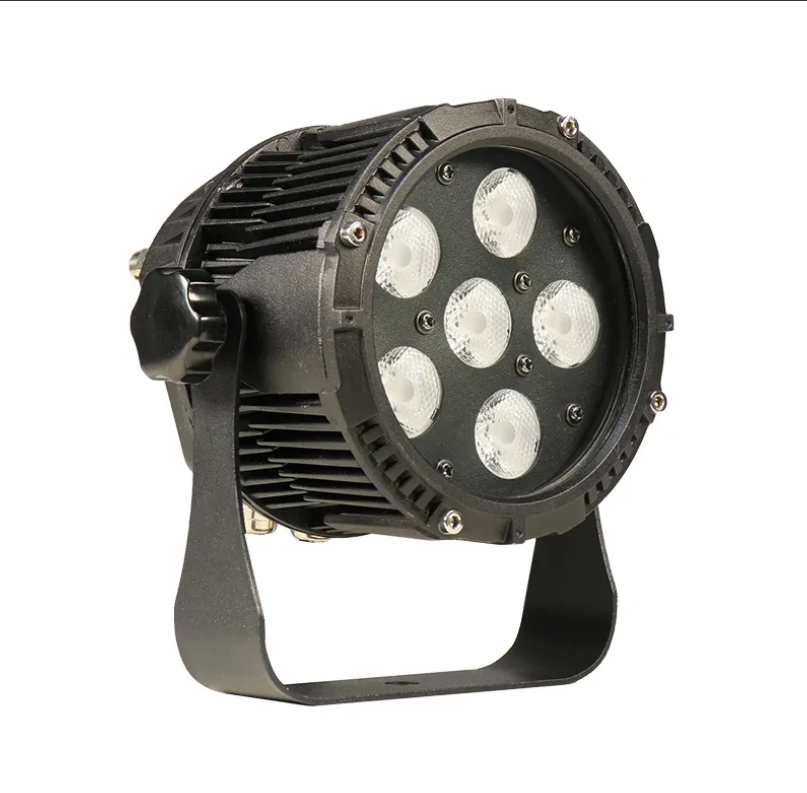
Custom stage lighting projects demand precision, versatility, and exceptional performance from every lighting fixture. Professional lighting designers and event managers increasingly turn to LED par lights as their go-to solution for creating dynamic visual experiences. These versatile fixtures offer unmatched flexibility in color mixing, energy efficiency, and durability that traditional lighting systems simply cannot match. Whether designing for theatrical productions, corporate events, or large-scale concerts, understanding how LED par lights can fulfill specific project requirements becomes crucial for achieving professional results.
Understanding Custom Stage Lighting Requirements
Project Scope and Design Considerations
Custom stage lighting projects encompass a wide range of applications from intimate theater productions to massive outdoor festivals. Each project presents unique challenges in terms of venue size, ambient lighting conditions, and artistic vision. LED par lights excel in these environments because they offer unprecedented control over color temperature, intensity, and beam angle. The ability to fine-tune these parameters allows lighting designers to create precisely the atmosphere needed for each specific moment of a performance.
Professional lighting designers must consider multiple factors when selecting fixtures for custom projects. Power consumption, heat generation, and maintenance requirements all play critical roles in the decision-making process. LED par lights address these concerns by consuming significantly less power than traditional incandescent or halogen alternatives while producing minimal heat. This efficiency translates to lower operating costs and reduced HVAC requirements for venues, making them an economically sound choice for long-term installations.
Technical Specifications and Performance Standards
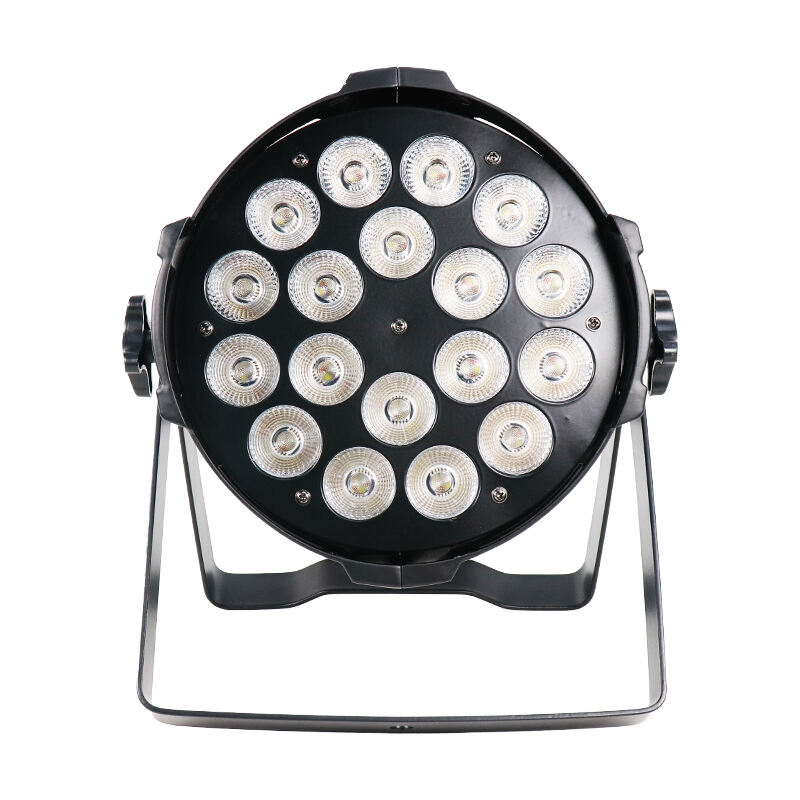
Modern stage lighting projects require fixtures that can meet rigorous technical specifications while maintaining consistent performance throughout extended use periods. LED par lights deliver exceptional longevity with typical lifespans exceeding 50,000 hours of operation. This reliability ensures that custom lighting installations remain functional throughout entire production runs without the frequent lamp replacements required by traditional fixtures.
Color accuracy and mixing capabilities represent another critical requirement for custom stage lighting applications. High-quality LED par lights utilize advanced RGB+W or RGBWA LED arrays that produce smooth color transitions and accurate white light reproduction. The ability to create millions of color combinations through precise digital control makes these fixtures invaluable for productions requiring rapid color changes or subtle atmospheric shifts.
Advanced Features for Professional Applications
DMX Control and Programming Flexibility
Professional stage lighting systems rely heavily on DMX512 protocol for precise control over individual fixtures. LED par lights equipped with comprehensive DMX functionality allow lighting designers to program complex sequences and synchronize multiple fixtures across large installations. Advanced models offer multiple DMX modes, enabling users to choose between simplified control options for basic applications or detailed parameter control for sophisticated programming requirements.
The integration of wireless DMX capabilities in modern LED par lights eliminates cable runs in challenging installation environments. This wireless functionality proves particularly valuable for architectural lighting applications, temporary installations, and venues where traditional cable routing presents logistical challenges. Battery-powered options further enhance installation flexibility by removing the need for dedicated power connections in remote locations.
Heat Management and Thermal Performance
Effective thermal management remains crucial for maintaining consistent light output and extending fixture lifespan in demanding professional applications. High-quality LED par lights incorporate sophisticated cooling systems including aluminum heat sinks, thermal management circuits, and variable-speed cooling fans. These systems ensure optimal operating temperatures even during continuous operation at maximum output levels.
The improved thermal characteristics of LED par lights compared to traditional fixtures provide significant advantages in temperature-sensitive environments. Reduced heat output minimizes the risk of damage to nearby set pieces, costumes, or sensitive equipment while creating more comfortable working conditions for performers and crew members. This thermal efficiency also reduces air conditioning loads in enclosed venues, contributing to overall energy savings.
Installation and Mounting Considerations
Rigging and Positioning Flexibility
Custom stage lighting projects often require creative mounting solutions to achieve optimal positioning and coverage. LED par lights offer significant advantages in rigging scenarios due to their compact size and lightweight construction compared to traditional fixtures. The reduced weight per fixture allows for higher fixture densities on existing rigging systems while maintaining safety margins and structural integrity.
Versatile mounting options available with professional LED par lights accommodate various installation requirements including traditional C-clamps, floor stands, truss mounting, and architectural integration. Many models feature adjustable yoke systems with precise positioning capabilities and secure locking mechanisms. The availability of specialized mounting accessories enables creative positioning solutions that would be impractical with heavier traditional fixtures.
Power Distribution and Infrastructure Requirements
The reduced power consumption of LED par lights significantly simplifies electrical infrastructure requirements for custom lighting installations. Lower current draws allow more fixtures per circuit while reducing cable gauge requirements and associated costs. This efficiency enables lighting designers to achieve higher fixture counts within existing electrical systems without requiring costly infrastructure upgrades.
Power linking capabilities built into many professional LED par lights streamline installation processes by allowing daisy-chaining of multiple fixtures from single power sources. This feature reduces the number of required electrical connections while maintaining proper circuit protection and isolation. The availability of both traditional AC power input and DC battery operation options provides maximum flexibility for diverse installation scenarios.
Color Mixing and Output Characteristics
Advanced LED Technology and Color Reproduction
The color mixing capabilities of modern LED par lights surpass traditional lighting technologies through the use of multiple LED colors within each fixture. Professional models incorporate red, green, blue, white, and amber LEDs to achieve superior color mixing and white light quality. This multi-color approach eliminates the color temperature limitations of single-source fixtures while providing smooth transitions across the entire color spectrum.
High-CRI LED arrays in premium LED par lights ensure accurate color reproduction of stage elements, costumes, and scenery. This color accuracy proves essential for applications where visual fidelity directly impacts artistic expression and audience experience. The ability to adjust color temperature from warm tungsten to cool daylight within the same fixture provides unprecedented flexibility for matching existing lighting conditions or creating specific atmospheric effects.
Beam Angle Control and Light Distribution
Precise beam angle control capabilities distinguish professional LED par lights from basic lighting fixtures. Interchangeable lens systems allow users to modify beam angles from narrow spot applications to wide flood coverage without changing fixtures. This adaptability proves invaluable for touring applications where lighting requirements vary between venues or for permanent installations requiring different coverage patterns for various events.
The even field distribution characteristics of quality LED par lights eliminate the hot spots and color inconsistencies common with traditional PAR cans. Advanced optical systems ensure uniform light distribution across the entire beam pattern while maintaining consistent color mixing from center to edge. This uniformity simplifies lighting design calculations and reduces the number of fixtures required to achieve even coverage.
Durability and Environmental Performance
Construction Quality and Weather Resistance
Professional-grade LED par lights feature robust construction designed to withstand the demanding conditions of touring productions and permanent installations. Cast aluminum housings provide excellent heat dissipation while protecting internal components from physical damage during transport and handling. Sealed optical chambers prevent dust and moisture infiltration that could degrade performance or cause premature failure.
Weather-resistant models rated for outdoor use expand the application possibilities for LED par lights beyond indoor venues. IP65 or higher ratings ensure reliable operation in rain, snow, and dusty environments while maintaining full functionality. These environmental capabilities make LED par lights suitable for outdoor festivals, architectural installations, and touring applications where exposure to harsh conditions is unavoidable.
Maintenance Requirements and Longevity
The maintenance advantages of LED par lights over traditional fixtures provide significant long-term cost savings for custom lighting installations. The absence of consumable lamp replacements eliminates ongoing maintenance costs and reduces labor requirements for fixture servicing. This reliability proves particularly valuable for installations in difficult-to-access locations where maintenance activities would otherwise be costly and disruptive.
Predictable performance degradation characteristics of LED par lights enable proactive maintenance scheduling and budget planning. Unlike traditional lamps that fail suddenly, LEDs gradually decrease in output over their operational lifespan, allowing for planned replacement before performance becomes inadequate. This predictability supports long-term project planning and helps ensure consistent lighting quality throughout extended production runs.
Cost-Effectiveness and Return on Investment
Initial Investment Considerations
While the initial purchase price of professional LED par lights may exceed that of traditional fixtures, the total cost of ownership calculation reveals significant long-term savings. Reduced power consumption, eliminated lamp replacement costs, and decreased maintenance requirements combine to create attractive return on investment scenarios for most custom lighting applications. The improved efficiency and longevity of LED par lights typically result in payback periods of less than two years for active installations.
The versatility of LED par lights also contributes to their cost-effectiveness by reducing inventory requirements for rental companies and production facilities. A single LED fixture can replace multiple traditional fixtures with different color filters, reducing storage space requirements and simplifying equipment management. This consolidation effect provides additional value beyond direct operating cost savings.
Operational Efficiency and Resource Utilization
The operational benefits of LED par lights extend beyond simple energy savings to encompass improved workflow efficiency and reduced resource requirements. Instant-on capability eliminates warm-up periods, allowing for more efficient rehearsal and setup processes. The ability to change colors electronically rather than through physical filter changes reduces setup time and labor costs while enabling more creative lighting designs.
Reduced heat output from LED par lights creates additional operational efficiencies by decreasing air conditioning loads and improving working conditions for performers and crew members. The elimination of hot lamp handling during shows enhances safety while reducing the risk of burns and equipment damage. These operational improvements contribute to overall production efficiency and help justify the investment in LED technology.
FAQ
What makes LED par lights suitable for custom stage lighting projects
LED par lights offer exceptional versatility through advanced color mixing capabilities, precise DMX control, and energy-efficient operation that meets the demanding requirements of custom stage lighting installations. Their compact size, reduced weight, and flexible mounting options enable creative positioning solutions while delivering consistent performance and reliability essential for professional applications.
How do LED par lights compare to traditional PAR cans in terms of performance
LED par lights provide superior color mixing capabilities, instant-on operation, and precise digital control compared to traditional PAR cans. They eliminate the need for color filters, reduce power consumption by up to 80%, and offer significantly longer operational lifespans while producing less heat and requiring minimal maintenance throughout their service life.
What should be considered when selecting LED par lights for professional installations
Key selection criteria include DMX channel configuration, color mixing technology, beam angle options, construction quality, and environmental ratings. Professional applications require fixtures with robust mechanical design, comprehensive control features, and proven reliability in demanding operational environments while meeting specific output and coverage requirements.
How do wireless capabilities enhance LED par light functionality in custom projects
Wireless DMX and battery power capabilities eliminate cable runs and power connections, enabling flexible positioning in challenging installation environments. These features prove particularly valuable for temporary installations, architectural applications, and venues where traditional cable routing presents logistical difficulties while maintaining full control functionality and programming capabilities.
Table of Contents
- Understanding Custom Stage Lighting Requirements
- Advanced Features for Professional Applications
- Installation and Mounting Considerations
- Color Mixing and Output Characteristics
- Durability and Environmental Performance
- Cost-Effectiveness and Return on Investment
-
FAQ
- What makes LED par lights suitable for custom stage lighting projects
- How do LED par lights compare to traditional PAR cans in terms of performance
- What should be considered when selecting LED par lights for professional installations
- How do wireless capabilities enhance LED par light functionality in custom projects