
 EN
EN


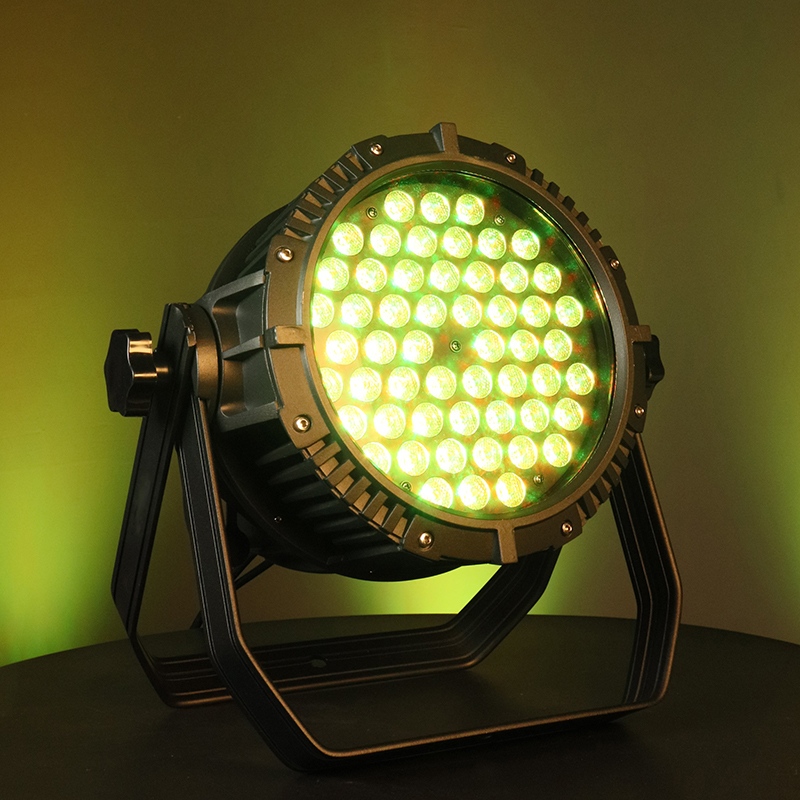
The professional lighting industry has undergone a dramatic transformation in recent years, with lighting contractors increasingly seeking versatile, high-performance solutions that can adapt to diverse project requirements. Among the most sought-after products in this evolving landscape is the LED aluminum par light, which combines superior durability, exceptional heat dissipation, and energy efficiency in a compact form factor. For lighting contractors working on commercial installations, theatrical productions, architectural projects, and event venues, finding the right LED aluminum par light through reliable OEM and ODM partnerships has become critical to maintaining competitive advantage and client satisfaction.
Modern lighting contractors face unprecedented challenges in meeting client expectations while maintaining profitability and project timelines. The demand for customized lighting solutions has grown exponentially, particularly as architects and designers push creative boundaries in commercial and residential spaces. This market shift has created opportunities for contractors who can leverage OEM and ODM manufacturing relationships to deliver tailored LED aluminum par light solutions that meet specific project requirements while maintaining consistent quality standards.
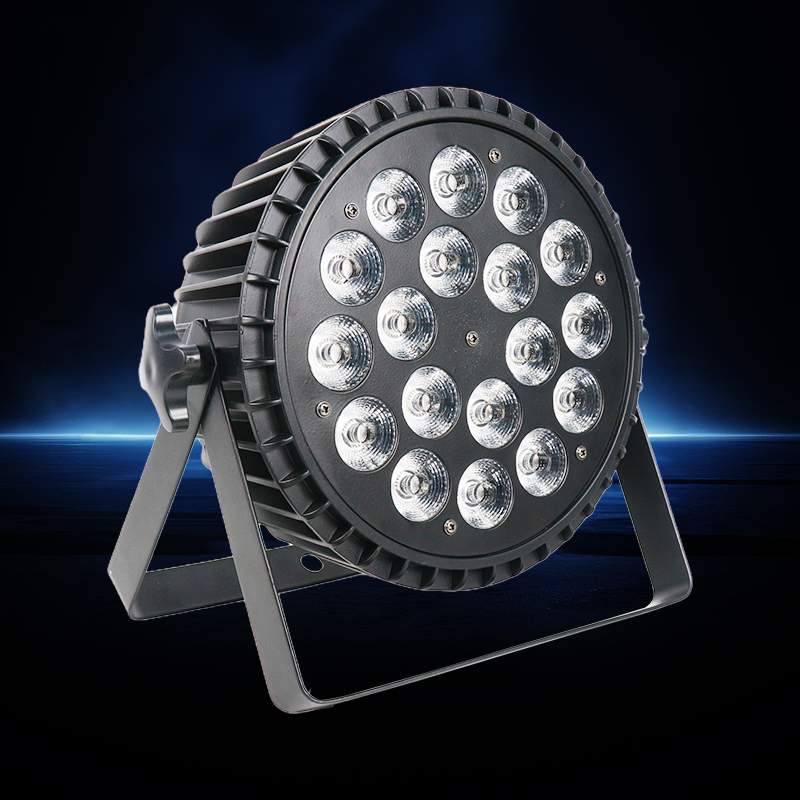
Understanding OEM and ODM Manufacturing Models for Professional Lighting
Defining OEM Partnerships in LED Lighting Manufacturing
Original Equipment Manufacturing (OEM) represents a strategic approach where lighting contractors partner with established manufacturers to produce LED aluminum par light fixtures under their own brand identity. This model allows contractors to offer branded lighting solutions without investing in manufacturing infrastructure, tooling, or extensive research and development capabilities. OEM partnerships typically involve manufacturers producing existing designs with contractor-specific modifications, packaging, and branding elements.
The advantages of OEM partnerships extend beyond simple cost savings, encompassing quality assurance, technical support, and scalable production capabilities. Established LED aluminum par light manufacturers bring decades of engineering expertise, allowing contractors to access proven designs that have undergone rigorous testing and certification processes. This approach significantly reduces time-to-market for new product launches while ensuring compliance with industry standards and safety regulations.
Successful OEM relationships in the LED lighting industry require clear communication regarding specifications, quality standards, and delivery schedules. Contractors must establish detailed technical requirements for their LED aluminum par light products, including photometric performance, thermal management characteristics, and mechanical durability specifications. These partnerships often evolve into long-term strategic alliances that enable contractors to develop comprehensive product portfolios without substantial capital investment.
Exploring ODM Advantages for Custom Lighting Solutions
Original Design Manufacturing (ODM) represents a more collaborative approach where manufacturers develop custom LED aluminum par light designs based on contractor specifications and market requirements. This model provides greater flexibility in product development, allowing contractors to create unique lighting solutions that differentiate their offerings in competitive markets. ODM partnerships often result in innovative products that address specific market gaps or emerging application requirements.
The ODM approach enables contractors to influence every aspect of product development, from initial concept design through final manufacturing specifications. This comprehensive involvement allows for optimization of LED aluminum par light performance characteristics, including beam angle customization, color temperature options, dimming capabilities, and mounting system integration. Contractors can work directly with engineering teams to refine designs based on field experience and customer feedback.
ODM partnerships require more substantial investment in product development compared to OEM arrangements, but they offer greater potential for market differentiation and higher profit margins. Contractors who choose ODM relationships often target specialized market segments where standard products cannot meet specific application requirements. The resulting LED aluminum par light products can become signature offerings that establish contractors as innovation leaders in their respective markets.
Technical Specifications and Performance Requirements
Thermal Management and Aluminum Housing Benefits
The aluminum housing construction of professional par lights serves multiple critical functions that directly impact performance, longevity, and reliability in demanding applications. Aluminum's exceptional thermal conductivity properties enable efficient heat dissipation from high-power LED arrays, preventing thermal degradation that can compromise light output and color consistency over time. This thermal management capability is particularly crucial in applications where LED aluminum par light fixtures operate for extended periods or in elevated ambient temperatures.
Advanced aluminum alloy selection and precision machining techniques contribute to superior heat sink performance while maintaining lightweight characteristics essential for portable and installed applications. The structural integrity of aluminum housings provides excellent protection for internal LED components, drivers, and control electronics against physical impact, vibration, and environmental exposure. This durability factor significantly reduces maintenance requirements and total cost of ownership for lighting contractors and their clients.
Surface treatment options for aluminum LED par light housings include anodizing, powder coating, and specialized finishes that enhance corrosion resistance and aesthetic appeal. These treatments also contribute to improved heat radiation characteristics while providing customization opportunities for contractor branding and project-specific color matching requirements. The combination of functional and aesthetic benefits makes aluminum construction the preferred choice for professional-grade par light applications.
LED Technology Integration and Optical Performance
Contemporary LED aluminum par light designs incorporate advanced semiconductor technologies that deliver exceptional luminous efficacy, color rendering capabilities, and spectral consistency across operating conditions. High-power LED arrays configured in optimized thermal and electrical arrangements enable compact fixtures to produce substantial light output while maintaining energy efficiency standards that exceed traditional lighting technologies by significant margins.
Optical system design plays a crucial role in LED aluminum par light performance, with precision-molded lenses and reflector configurations controlling beam patterns, light distribution, and photometric characteristics. Advanced optical designs enable contractors to specify exact beam angles, field coverage patterns, and intensity distributions that match specific application requirements. This level of optical control allows single fixture types to serve multiple applications through interchangeable optical accessories.
Color temperature control and spectral tuning capabilities in modern LED aluminum par light fixtures enable precise color matching and dynamic lighting effects that enhance architectural and entertainment applications. Variable white technology and full-spectrum LED implementations provide contractors with tools to create compelling lighting environments while maintaining energy efficiency and operational reliability standards expected in professional installations.
Market Applications and Contractor Benefits
Commercial and Architectural Lighting Applications
The commercial lighting sector represents one of the largest growth markets for LED aluminum par light applications, driven by energy efficiency mandates, maintenance cost reduction initiatives, and enhanced design flexibility requirements. Retail environments benefit significantly from LED par light installations that provide superior color rendering for merchandise display while reducing cooling loads and electrical consumption compared to traditional lighting systems.
Architectural accent lighting applications leverage the compact form factor and precise optical control of LED aluminum par light fixtures to create dramatic visual effects while maintaining architectural integrity. Contractors specializing in architectural lighting find these products essential for highlighting building features, artwork, and landscape elements with minimal visual impact during daytime hours. The longevity and reliability of LED technology reduces maintenance interventions that can disrupt commercial operations.
Corporate and institutional lighting projects increasingly specify LED aluminum par light fixtures for conference rooms, lobbies, and presentation spaces where lighting quality directly impacts professional image and occupant comfort. The dimming capabilities and color consistency of modern LED par lights enable contractors to create versatile lighting environments that adapt to different usage scenarios throughout the day.
Entertainment and Event Lighting Solutions
The entertainment industry has embraced LED aluminum par light technology for its combination of vibrant color capabilities, low heat emission, and reduced power consumption compared to traditional tungsten and discharge lighting systems. Concert venues, theaters, and event spaces benefit from LED par lights that enable complex lighting designs while reducing infrastructure requirements for power distribution and cooling systems.
Portable event applications particularly benefit from the lightweight construction and durability of aluminum-housed LED par lights, which withstand frequent transportation and setup cycles without performance degradation. The instant-on capabilities and flicker-free operation of LED technology enable seamless integration with video production requirements that have become standard in modern entertainment applications.
Rental companies specializing in event lighting find LED aluminum par light fixtures provide excellent return on investment through reduced maintenance costs, lower power consumption, and increased booking frequency due to their versatility across different event types. The ability to create custom color palettes and dynamic effects with LED technology enables lighting contractors to offer premium services that command higher rental rates.
Quality Assurance and Certification Standards
International Safety and Performance Standards
Professional LED aluminum par light manufacturers must navigate complex international certification requirements that ensure product safety, electromagnetic compatibility, and performance consistency across global markets. UL certification for North American markets, CE marking for European applications, and additional regional certifications require comprehensive testing and documentation that validates electrical safety, thermal performance, and photometric specifications.
Quality management systems implementing ISO 9001 standards provide frameworks for consistent manufacturing processes that ensure every LED aluminum par light unit meets specified performance criteria. These systems encompass incoming material inspection, production process control, final testing procedures, and traceability documentation that enables rapid response to any quality issues that may emerge in field applications.
Environmental compliance standards including RoHS restrictions on hazardous substances and REACH regulations for chemical safety require careful material selection and supplier qualification processes. LED aluminum par light manufacturers must maintain detailed material declarations and supply chain documentation that supports contractor compliance with green building standards and environmental regulations in their respective markets.
Testing Protocols and Performance Validation
Comprehensive testing protocols for LED aluminum par light products include photometric measurements, thermal cycling analysis, vibration and shock testing, and accelerated aging studies that predict long-term performance characteristics. These testing procedures ensure that products can withstand demanding installation environments while maintaining specified performance parameters throughout their operational lifetime.
Third-party testing laboratories provide independent validation of LED aluminum par light performance claims, offering contractors confidence in product specifications and warranty coverage. Photometric testing according to IES standards ensures accurate lumen output, beam angle, and color temperature measurements that enable precise lighting calculations and system design optimization.
Field testing programs involving beta installations allow manufacturers to gather real-world performance data before full product launch, identifying potential issues and optimization opportunities that might not emerge in laboratory environments. This collaborative approach between manufacturers and contractors ensures that LED aluminum par light products meet practical application requirements while exceeding theoretical performance specifications.
Cost Considerations and ROI Analysis
Initial Investment versus Long-term Savings
The financial analysis of LED aluminum par light installations requires comprehensive evaluation of initial purchase costs, installation expenses, operational savings, and maintenance cost reductions over the product lifecycle. While LED fixtures typically require higher initial investment compared to conventional lighting technologies, the extended operational lifetime and reduced energy consumption create compelling total cost of ownership advantages.
Energy cost savings from LED aluminum par light installations can range from 60-80% compared to equivalent halogen or incandescent par light systems, with actual savings dependent on local utility rates, operating schedules, and application requirements. The reduced heat generation of LED technology also contributes to lower cooling costs in climate-controlled environments, providing additional operational savings that enhance overall project ROI.
Maintenance cost reductions represent another significant factor in LED aluminum par light financial analysis, with typical LED lifespans of 50,000+ hours reducing lamp replacement frequency by 10-25 times compared to conventional technologies. This maintenance advantage is particularly valuable in applications where fixture access requires specialized equipment or disrupts normal operations.
Financing Options and Project Scalability
Leasing and financing programs specifically designed for LED lighting upgrades enable contractors to offer comprehensive lighting solutions without requiring substantial upfront capital investment from clients. These programs often structure payments to be covered entirely by energy savings, creating cash-flow positive installations from project completion. LED aluminum par light projects can qualify for utility rebates and energy efficiency incentives that further improve project economics.
Scalable implementation strategies allow contractors to demonstrate LED aluminum par light benefits through pilot installations before expanding to complete facility upgrades. This phased approach reduces client risk while providing measurable performance data that supports larger investment decisions. The modular nature of LED par light systems enables easy expansion and modification of existing installations as requirements evolve.
Performance contracting arrangements where contractors guarantee energy savings provide additional financing options for large LED aluminum par light projects. These agreements transfer performance risk to contractors while ensuring clients achieve specified cost savings, creating win-win scenarios that support market growth and contractor profitability.
FAQ
What are the key advantages of aluminum housing in LED par lights
Aluminum housing provides superior thermal management compared to plastic alternatives, enabling LED aluminum par light fixtures to operate at optimal temperatures while extending LED lifespan and maintaining consistent performance. The material's excellent heat dissipation properties prevent thermal stress that can degrade LED output and color quality over time. Additionally, aluminum construction offers exceptional durability and corrosion resistance, making these fixtures suitable for demanding installation environments while maintaining lightweight characteristics essential for portable and architectural applications.
How do OEM and ODM partnerships differ for lighting contractors
OEM partnerships allow contractors to source existing LED aluminum par light designs with their branding and minor customizations, providing quick market entry with proven products and lower development costs. ODM relationships involve collaborative development of custom lighting solutions tailored to specific market requirements, offering greater differentiation potential but requiring more substantial investment in product development. Contractors should choose OEM for rapid product portfolio expansion and ODM for specialized applications requiring unique performance characteristics or market positioning.
What certification standards apply to professional LED par lights
Professional LED aluminum par light fixtures must comply with multiple safety and performance standards including UL certification for North American markets, CE marking for European applications, and FCC regulations for electromagnetic compatibility. Additional certifications may include IP ratings for environmental protection, IES photometric testing standards for performance validation, and energy efficiency certifications such as Energy Star or DLC listings. These certifications ensure product safety, performance consistency, and market acceptance across different regional requirements.
How can contractors evaluate LED par light ROI for client projects
ROI evaluation for LED aluminum par light projects should include energy cost savings, maintenance cost reductions, productivity improvements from better lighting quality, and available utility rebates or tax incentives. Contractors should calculate total cost of ownership over the expected LED lifespan, typically 15-20 years, comparing operational costs against conventional lighting alternatives. Additional benefits such as reduced cooling loads, improved color rendering, and dimming capabilities may provide quantifiable value that enhances overall project ROI and client satisfaction.