
 EN
EN


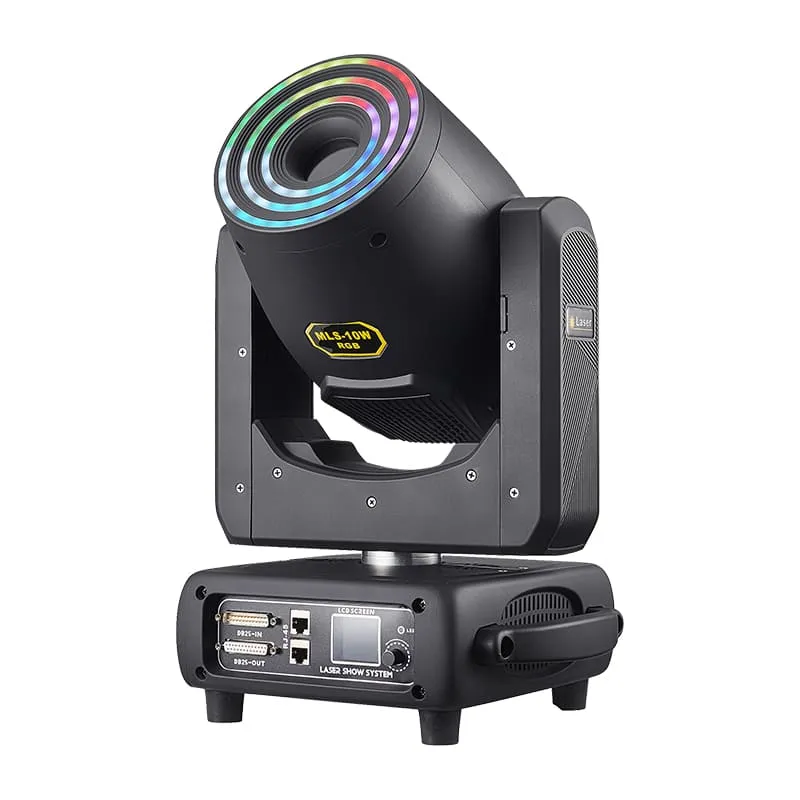
Event lighting transforms venues from ordinary spaces into immersive environments that captivate audiences and enhance experiences. Professional event lighting requires precise control systems that manage multiple fixtures, coordinate complex sequences, and respond instantly to changing requirements. Lighting controllers serve as the central command hub that orchestrates every aspect of event illumination, from subtle ambient adjustments to dramatic synchronized displays.
Modern events demand sophisticated lighting control that extends far beyond simple on-off switches. Professional lighting controllers revolutionize event production by providing unprecedented precision, flexibility, and creative possibilities. These advanced systems enable lighting designers to craft memorable experiences through seamless integration of multiple light sources, automated sequences, and real-time adjustments that respond to event dynamics.
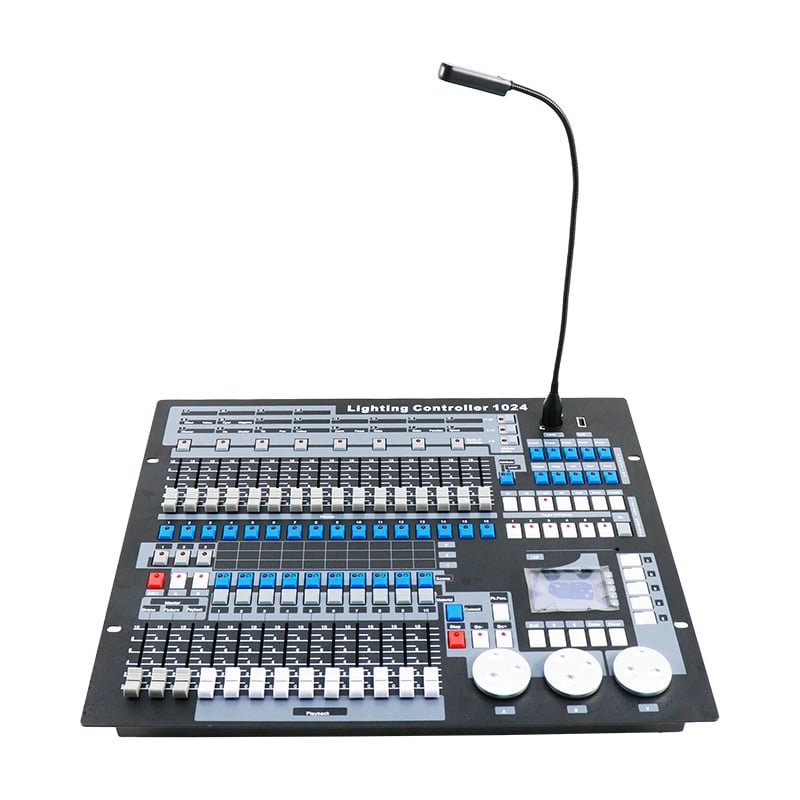
Centralized Command and Control Architecture
Unified System Management
Lighting controllers establish a centralized command structure that consolidates control over diverse lighting fixtures throughout event venues. This unified approach eliminates the complexity of managing individual lights separately, instead providing operators with comprehensive oversight of entire lighting systems. Professional lighting controllers can simultaneously manage hundreds of fixtures across multiple zones, each responding to precise commands from a single control interface.
The centralized architecture enables lighting technicians to coordinate complex lighting arrangements with remarkable efficiency. Rather than manually adjusting each fixture individually, operators can control entire lighting arrays through predetermined groupings and zones. This systematic approach ensures consistent lighting quality across venue spaces while reducing the technical complexity that would otherwise require multiple operators.
Real-Time Monitoring and Feedback
Advanced lighting controllers provide continuous monitoring capabilities that track fixture status, power consumption, and performance metrics in real-time. This monitoring functionality allows operators to identify potential issues before they impact event lighting quality. System feedback includes fixture response confirmation, error reporting, and performance analytics that inform operational decisions throughout events.
Real-time feedback systems built into modern lighting controllers enable proactive maintenance and troubleshooting during live events. Operators receive immediate notifications when fixtures experience malfunctions or connectivity issues, allowing for rapid response and minimal disruption to lighting sequences. This monitoring capability proves essential for maintaining professional lighting standards during critical event moments.
Precision Control and Programming Capabilities
DMX Protocol Integration
Professional lighting controllers utilize DMX (Digital Multiplex) protocols to achieve precise control over individual fixture parameters. DMX integration allows controllers to manage intensity, color, position, and effects for each connected fixture with extraordinary accuracy. This protocol-based approach ensures reliable communication between controllers and fixtures, maintaining consistent performance across complex lighting networks.
DMX-enabled lighting controllers support up to 512 channels per universe, with advanced systems managing multiple universes simultaneously. This extensive channel capacity enables detailed control over large-scale lighting installations while maintaining the precision required for professional event production. The standardized DMX protocol ensures compatibility across different fixture brands and types, providing flexibility in equipment selection and configuration.
Scene Programming and Memory Storage
Sophisticated programming capabilities allow lighting controllers to store complex lighting scenes and sequences in internal memory systems. These stored programs can be recalled instantly during events, ensuring consistent reproduction of predetermined lighting designs. Programming functionality includes fade times, transition effects, and synchronized sequences that create seamless lighting changes throughout event presentations.
Memory storage in lighting controllers extends beyond simple scene recall to include comprehensive show programming with multiple cue lists and automated sequences. Professional controllers can store hundreds of individual scenes and complex multi-step sequences that execute automatically according to predetermined timing. This programming capability enables lighting designers to create sophisticated shows that run without constant manual intervention.
Enhanced Creative Possibilities and Effects
Dynamic Color Management
Modern lighting controllers provide advanced color management systems that enable precise control over RGB, RGBW, and full-spectrum LED fixtures. Color control capabilities include individual color channel adjustment, preset color palettes, and dynamic color-changing sequences that enhance event atmospheres. These systems ensure accurate color reproduction and smooth transitions between different color schemes throughout events.
Professional lighting controllers support sophisticated color mixing algorithms that create smooth gradients and complex color combinations across multiple fixtures. Advanced color management includes color temperature adjustment, saturation control, and hue shifting that allows designers to match lighting to specific event themes or branding requirements. This level of color control transforms venues through carefully crafted lighting palettes that support event messaging and ambiance.
Movement and Positioning Control
For events utilizing moving lights and intelligent fixtures, lighting controllers provide precise positioning control through pan, tilt, and focus adjustments. Movement control systems enable automated light positioning that follows performers, highlights specific areas, or creates dynamic visual effects throughout venues. These capabilities expand creative possibilities by transforming static lighting into dynamic visual elements that respond to event flow.
Advanced movement control through lighting controllers includes preset position memories, automated tracking sequences, and synchronized movement patterns across multiple fixtures. Professional systems can coordinate complex movement sequences that create sweeping effects, focused spotlighting, and architectural highlighting that enhances venue aesthetics. This movement capability transforms lighting from passive illumination into active visual choreography.
Operational Efficiency and Workflow Optimization
Automated Sequence Execution
Lighting controllers dramatically improve operational efficiency through automated sequence execution that reduces manual intervention requirements. Automated systems can execute complex lighting changes according to predetermined timelines, ensuring consistent timing and reducing the potential for operator errors during critical event moments. This automation capability allows lighting technicians to focus on monitoring and creative adjustments rather than constant manual operation.
Professional automation features in lighting controllers include time-based triggering, audio-reactive sequences, and external control integration that synchronizes lighting with other event systems. Automated sequences can respond to music cues, presenter remotes, or building management systems to create seamlessly integrated event experiences. This level of automation ensures professional lighting execution even during complex multi-element presentations.
User Interface Design and Accessibility
Modern lighting controllers feature intuitive user interfaces that simplify complex lighting operations for operators with varying experience levels. Well-designed interfaces provide logical control layouts, visual feedback systems, and contextual help features that reduce learning curves and minimize operational errors. Professional interfaces balance comprehensive functionality with user-friendly operation to support efficient event lighting management.
Advanced user interface design in lighting controllers includes customizable control surfaces, multi-touch operation, and visual programming environments that streamline complex lighting setup processes. Professional systems provide multiple interface options including physical control surfaces, software applications, and mobile device integration that accommodate different operational preferences and venue requirements.
Integration and Scalability Benefits
Network Connectivity and Expansion
Professional lighting controllers support network connectivity that enables remote operation, system expansion, and integration with other event technologies. Network capabilities include Ethernet connectivity, wireless control options, and cloud-based monitoring that extend operational flexibility beyond traditional control room limitations. This connectivity enables distributed control systems that support complex venue layouts and multi-location events.
Scalable network architecture in lighting controllers accommodates growing lighting requirements without complete system replacement. Professional systems can integrate additional control nodes, expand fixture capacity, and incorporate new lighting technologies through network-based expansion. This scalability protects event lighting investments while enabling system growth to meet evolving venue and production requirements.
Third-Party System Integration
Advanced lighting controllers support integration with audio systems, video displays, and building automation systems to create coordinated event experiences. Integration capabilities include MIDI connectivity, contact closure inputs, and protocol conversion that enables lighting systems to respond to external triggers and control signals. This integration capability transforms lighting from isolated systems into coordinated elements of comprehensive event production.
Professional integration features in lighting controllers include API connectivity, streaming protocols, and real-time data exchange that enable sophisticated multi-system coordination. These capabilities allow lighting to respond to audio levels, video content changes, or environmental conditions to create immersive experiences that adapt dynamically to event conditions and requirements.
FAQ
What types of lighting fixtures work with professional lighting controllers?
Professional lighting controllers work with virtually all DMX-compatible fixtures including LED panels, moving lights, conventional dimmers, fog machines, and specialty effects fixtures. Most modern controllers support multiple control protocols and can manage both traditional and intelligent lighting equipment simultaneously through standardized DMX connections.
How many lighting fixtures can a single controller manage?
The number of fixtures depends on the controller's universe capacity and channel count. Basic controllers might manage 32-64 fixtures, while professional systems can control hundreds or thousands of fixtures across multiple DMX universes. Each fixture type requires different numbers of control channels, affecting total capacity calculations.
Can lighting controllers be operated remotely during events?
Yes, most modern lighting controllers support remote operation through network connectivity, wireless interfaces, or mobile applications. Remote capabilities enable operators to make adjustments from anywhere within venues, coordinate with other technicians, and provide backup control options during live events for enhanced operational reliability.
What happens if a lighting controller fails during an event?
Professional lighting controllers typically include backup systems, redundant power supplies, and emergency override capabilities to prevent complete lighting failure. Many systems can operate in reduced functionality modes, while advanced installations include backup controllers that automatically take over if primary systems fail, ensuring continuous lighting operation during critical events.