
 EN
EN


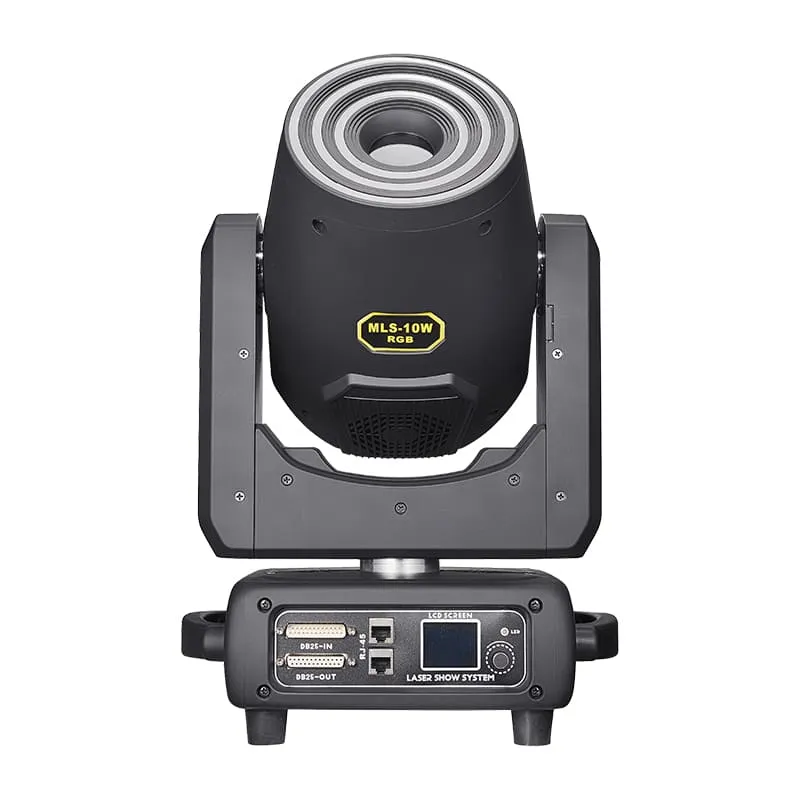
Modern stage productions have transformed dramatically over the past several decades, and stage production strobes have evolved alongside these changes to meet increasingly sophisticated demands. From simple flash effects in early theater to today's programmable multi-segment systems, strobes have become essential tools for creating dynamic visual experiences that captivate audiences and support artistic vision.
The evolution of stage production strobes reflects broader technological advances in lighting control, power management, and visual effects design. As production teams demand more precise timing, varied intensity levels, and seamless integration with digital control systems, manufacturers have responded with innovations that push the boundaries of what strobe lighting can achieve in professional entertainment environments.
Technological Advances Driving Strobe Evolution
Digital Control Integration
Traditional stage production strobes operated with basic on-off functionality and limited timing control, but modern systems integrate sophisticated digital control protocols that allow precise programming of flash sequences. DMX512 compatibility has become standard, enabling lighting designers to synchronize strobe effects with music, movement, and other lighting elements with millisecond accuracy.
Advanced strobe units now feature multiple control channels, allowing operators to adjust flash rate, intensity, duration, and even color temperature independently. This level of control transforms stage production strobes from simple effect lights into versatile instruments that can create subtle atmospheric enhancements or dramatic visual punctuation depending on artistic requirements.
Real-time feedback systems in contemporary strobes provide status monitoring and error reporting, ensuring reliable operation during critical performance moments. These diagnostic capabilities help production teams maintain consistent lighting quality throughout extended runs and minimize technical disruptions.
Power Efficiency and Heat Management
Energy consumption has become a critical consideration in modern stage production design, driving innovations in strobe power management. LED-based strobe systems consume significantly less power than traditional xenon or halogen units while delivering comparable or superior light output, allowing productions to create impactful effects without overwhelming venue electrical systems.
Heat dissipation improvements in modern stage production strobes extend equipment lifespan and reduce cooling requirements in performance venues. Advanced thermal management systems prevent overheating during intensive use, maintaining consistent performance throughout demanding production schedules.
Smart power distribution features allow strobes to automatically adjust consumption based on available power capacity, preventing circuit overloads while maximizing visual impact. This intelligence proves particularly valuable in touring productions where electrical infrastructure varies between venues.
Enhanced Performance Capabilities
Multi-Segment Design Innovation
Contemporary stage production strobes incorporate multiple flash segments that can operate independently or in coordinated patterns, creating complex visual textures impossible with single-flash units. Segmented designs allow lighting designers to build layered effects, from subtle flicker patterns to intense synchronized bursts that enhance musical climaxes or dramatic moments.
Individual segment control enables progressive flash sequences that can sweep across the stage, creating movement and direction within the strobe effect itself. This capability expands creative possibilities for choreographers and directors who use lighting as an integral element of performance storytelling.
Variable segment grouping functions in advanced units allow operators to configure different zones and patterns on demand, adapting to changing performance requirements without requiring physical repositioning or equipment changes.
Intensity and Frequency Range Expansion
Modern stage production strobes offer dramatically expanded frequency ranges, from extremely slow effects barely perceptible to the eye up to rapid-fire sequences that create intense visual energy. This range flexibility allows productions to use strobes for subtle mood enhancement as well as high-impact dramatic moments.
Variable intensity control provides smooth transitions between different effect levels, eliminating abrupt changes that can disrupt audience immersion. Progressive build-up and fade capabilities integrate strobe effects seamlessly with other lighting elements and musical dynamics.
Customizable flash duration settings enable producers to tailor strobe characteristics to specific venue acoustics and audience positioning, ensuring optimal visual impact while maintaining performer and audience comfort.
Integration with Modern Production Workflows
Automated Programming and Synchronization
Professional stage production strobes now integrate with automated lighting control systems that can generate synchronized effects based on musical tempo, performer movement, or pre-programmed cues. This automation reduces the manual programming burden on lighting operators while ensuring precise timing that enhances overall production quality.
SMPTE timecode synchronization allows strobes to maintain perfect alignment with recorded music tracks or video content, critical for productions that combine live performance with multimedia elements. This precision ensures consistent timing across multiple performances and venues.
Wireless control capabilities eliminate cable runs in complex stage configurations, providing installation flexibility while maintaining reliable communication between control systems and stage production strobes positioned throughout performance spaces.
Safety and Compliance Evolution
Enhanced safety features in modern strobe systems address health concerns related to photosensitive epilepsy and visual comfort. Programmable flash rate limits and intensity controls help production teams comply with accessibility guidelines while maintaining artistic freedom.
Automated shutdown functions prevent equipment damage from overheating or electrical irregularities, protecting both the strobe units and venue electrical systems. These protective measures reduce maintenance costs and ensure reliable operation throughout production runs.
Improved construction standards and materials enhance durability in demanding touring environments, where stage production strobes must withstand repeated setup, transport, and operation across diverse venues and climate conditions.
Adaptability to Diverse Production Styles
Genre-Specific Optimization
Different performance genres require distinct strobe characteristics, and modern units offer configurable parameters that optimize performance for specific applications. Rock concerts demand high-intensity, rapid-fire capabilities, while theatrical productions may require subtle, mood-enhancing effects that complement dramatic narrative.
Color temperature adjustment features allow stage production strobes to match ambient lighting conditions or create specific atmospheric effects. Warm color temperatures can enhance intimate performance moments, while cooler settings create energy and excitement for high-tempo musical numbers.
Beam angle customization enables producers to focus strobe effects precisely where needed, from wide washes that illuminate entire stage areas to narrow beams that highlight specific performers or set pieces.
Venue Scalability Solutions
Modern strobe systems accommodate productions ranging from intimate black box theaters to massive stadium concerts through modular design approaches. Scalable power options and flexible mounting systems allow the same strobe technology to serve diverse venue requirements without compromising performance quality.
Network-based control systems enable complex installations with dozens of strobe units operating in coordination, creating immersive visual environments that surround audiences with synchronized light effects. This capability proves particularly valuable for large-scale productions and festival environments.
Portable configuration options ensure that stage production strobes can adapt to touring requirements while maintaining consistent performance characteristics across different venues and setup conditions.
FAQ
What are the key differences between traditional and modern stage production strobes?
Modern stage production strobes offer digital control integration, multi-segment designs, LED technology for improved efficiency, programmable timing and intensity, and enhanced safety features compared to traditional units that provided basic on-off flash functionality with limited control options.
How do multi-segment strobes enhance creative possibilities in stage productions?
Multi-segment strobes allow independent control of different flash zones, creating complex patterns, directional movements, and layered effects that single-flash units cannot achieve, enabling lighting designers to create more sophisticated visual textures and dynamic sequences that enhance performance storytelling.
Why is DMX512 compatibility important for modern stage production strobes?
DMX512 compatibility enables precise synchronization with other lighting elements, automated programming capabilities, real-time control adjustments, and integration with professional lighting control systems, allowing stage production strobes to function as coordinated components of comprehensive lighting designs rather than standalone effects.
What safety considerations have influenced the evolution of stage strobes?
Safety evolution includes programmable flash rate limits to address photosensitive epilepsy concerns, improved heat management to prevent equipment damage, automated shutdown protection, enhanced construction durability, and compliance features that help productions meet accessibility guidelines while maintaining artistic flexibility.
Table of Contents
- Technological Advances Driving Strobe Evolution
- Enhanced Performance Capabilities
- Integration with Modern Production Workflows
- Adaptability to Diverse Production Styles
-
FAQ
- What are the key differences between traditional and modern stage production strobes?
- How do multi-segment strobes enhance creative possibilities in stage productions?
- Why is DMX512 compatibility important for modern stage production strobes?
- What safety considerations have influenced the evolution of stage strobes?