
 EN
EN


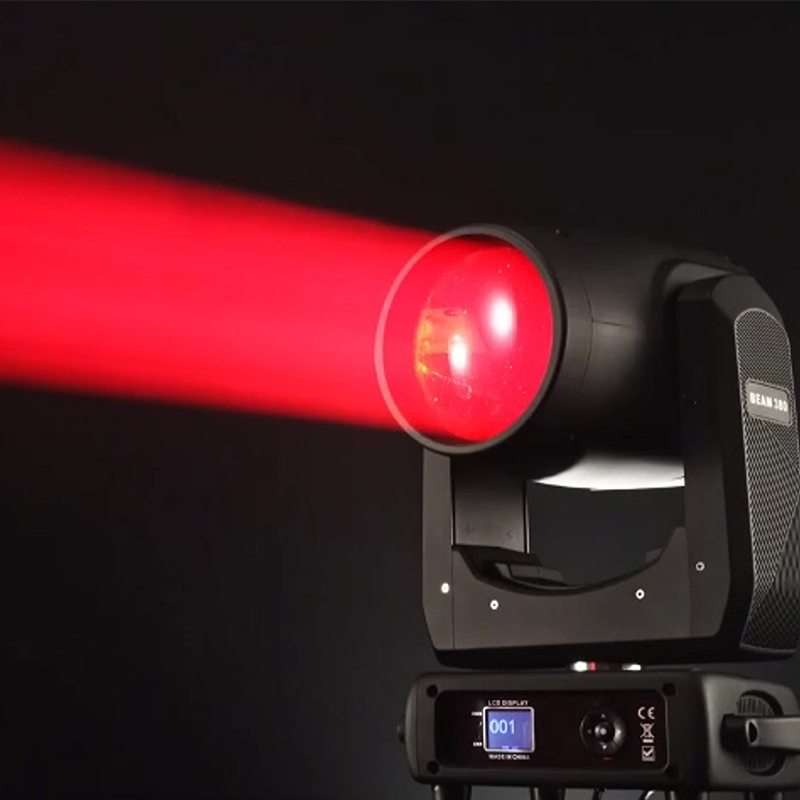
Stage design has evolved tremendously over the past few decades, with technology playing a pivotal role in transforming how designers approach theatrical productions, concerts, and live events. Among the most revolutionary innovations in this field are moving lights, which have fundamentally changed the landscape of stage illumination and creative expression. These sophisticated lighting instruments offer unprecedented control over beam direction, color, intensity, and effects, enabling designers to create dynamic visual experiences that were previously impossible with traditional static lighting fixtures.
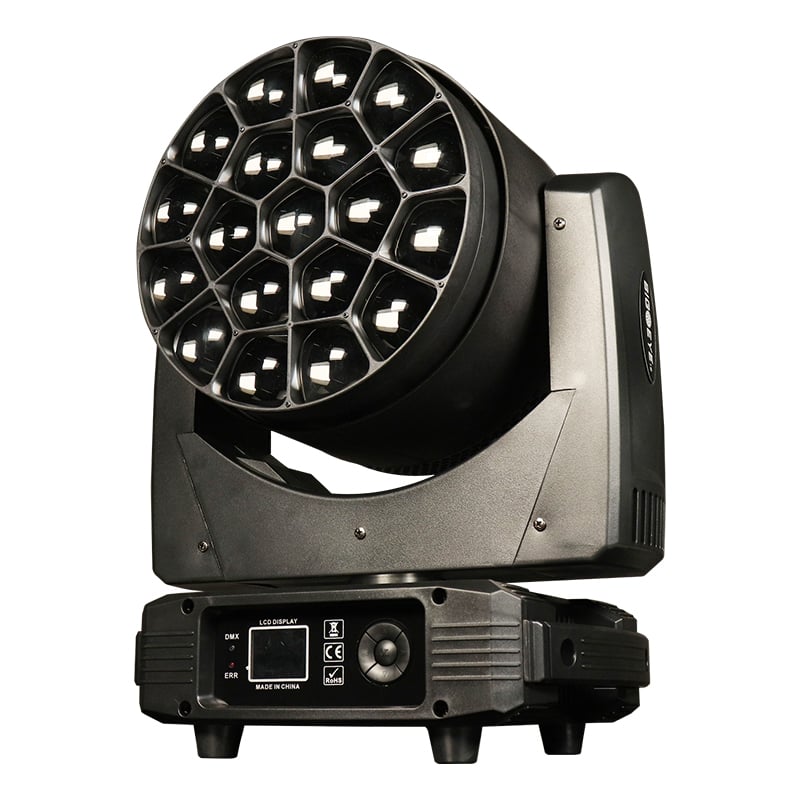
The integration of moving lights into stage design represents a paradigm shift from traditional lighting approaches that relied heavily on fixed positions and manual adjustments. Today's lighting designers can manipulate beam angles, create seamless color transitions, and orchestrate complex movement patterns that synchronize perfectly with music, dialogue, and performer actions. This technological advancement has not only enhanced the visual impact of productions but has also opened new avenues for artistic expression and storytelling through light.
Creative flexibility in stage design encompasses the ability to adapt lighting schemes in real-time, create multiple scenes with minimal physical changes, and respond dynamically to the evolving needs of a performance. Moving lights excel in all these areas, providing designers with tools that can transform a single stage into multiple environments throughout a single production. This capability has become essential in modern theater, where budget constraints often require maximum impact with minimal resources.
Dynamic Movement Capabilities
Pan and Tilt Functionality
The fundamental advantage of moving lights lies in their pan and tilt capabilities, which allow fixtures to rotate horizontally and vertically with precision control. This movement functionality enables lighting designers to redirect beams across the stage without physically repositioning equipment or requiring manual adjustments during performances. The smooth, motorized movement creates fluid transitions that enhance the visual flow of productions and maintain audience engagement throughout the show.
Professional moving lights typically offer pan ranges of 540 degrees and tilt ranges of 270 degrees, providing comprehensive coverage of stage areas from a single mounting position. This extensive range of motion means that fewer fixtures are needed to achieve complete stage coverage, making moving lights both cost-effective and space-efficient solutions for venues with limited rigging positions or budget constraints.
The precision of motorized movement in modern moving lights allows for repeatability and consistency that manual lighting adjustments cannot match. Lighting designers can program exact positions for specific cues, ensuring that every performance maintains the same visual quality and that complex lighting sequences execute flawlessly night after night. This reliability is crucial for professional productions where consistency and precision are paramount to the overall artistic vision.
Speed and Precision Control
Advanced moving lights feature variable speed control that allows designers to adjust movement rates according to the dramatic requirements of different scenes. Fast, dynamic movements can create energy and excitement during upbeat musical numbers or action sequences, while slow, subtle movements can enhance dramatic moments or create atmospheric effects that support the emotional content of a performance.
The precision control systems in contemporary moving lights utilize high-resolution motors and feedback systems that ensure accurate positioning within fractions of degrees. This level of precision enables designers to create intricate patterns, maintain tight focus on performers as they move across the stage, and execute complex choreographed lighting sequences that would be impossible to achieve manually.
Programming capabilities allow designers to create smooth acceleration and deceleration curves for movement patterns, eliminating the mechanical feel that might distract from the artistic presentation. These sophisticated motion control features enable moving lights to become an integral part of the performance itself, rather than simply tools for illumination.
Color Mixing and Effects
Advanced Color Systems
Modern moving lights incorporate sophisticated color mixing systems that provide designers with virtually unlimited color possibilities. LED-based fixtures offer RGB mixing capabilities, while more advanced units include additional colors such as amber, white, and UV to create even broader color spectrums. This extensive color palette enables designers to create mood, establish atmosphere, and support storytelling through carefully chosen color schemes.
The ability to change colors instantly and seamlessly has revolutionized how designers approach scene transitions and mood changes within productions. Rather than relying on colored gels that must be physically changed between scenes, moving lights can shift from one color to another in seconds, maintaining the flow of the performance while creating dramatic visual impact. This capability is particularly valuable in fast-paced productions where quick scene changes are essential.
Color temperature adjustment features in moving lights allow designers to match different lighting sources and create consistent color rendering across the entire lighting system. This capability ensures that performers and set pieces appear natural and properly colored under all lighting conditions, maintaining the visual integrity of the production throughout varying lighting states.
Pattern and Texture Projection
Many moving lights feature rotating gobos and pattern wheels that can project textures, shapes, and images onto stages and scenery. These patterns can simulate natural elements like water ripples, cloud shadows, or forest patterns, adding depth and visual interest to stage environments without requiring additional scenic elements. The ability to rotate these patterns and adjust their focus creates dynamic textures that evolve throughout scenes.
Interchangeable gobo systems in professional moving lights allow designers to customize pattern selections for specific productions. This flexibility means that the same lighting fixtures can serve multiple productions with different thematic requirements, maximizing the return on investment for theaters and production companies while providing designers with the tools they need for creative expression.
The combination of movement, color, and pattern projection capabilities in moving lights enables designers to create complex visual effects that would require multiple specialized fixtures in traditional lighting systems. This consolidation of features into single units simplifies equipment requirements while expanding creative possibilities for stage designers working within budget and space constraints.
Programmable Control Systems
DMX Integration and Protocol
Moving lights utilize the DMX512 protocol for communication and control, allowing seamless integration with professional lighting consoles and control systems. This standardized communication protocol ensures compatibility across different manufacturers and enables lighting designers to control multiple moving lights from a single console, creating cohesive lighting designs that span entire productions.
The multi-channel control capabilities of DMX enable independent adjustment of every parameter of moving lights, including pan, tilt, color mixing, gobo selection, focus, and effects. This granular control allows designers to create subtle variations and complex combinations of effects that enhance the artistic impact of lighting designs while maintaining precise control over every aspect of the visual presentation.
Advanced DMX implementations in modern moving lights include features like 16-bit resolution for smooth movement, RDM (Remote Device Management) for remote configuration, and Art-Net compatibility for network-based control systems. These technical capabilities ensure that moving lights can integrate effectively with modern lighting infrastructure while providing the reliability and functionality required for professional applications.
Cue Programming and Automation
The programmable nature of moving lights allows designers to create complex cue sequences that automate lighting changes throughout performances. These programmed cues can include movement patterns, color changes, and effect sequences that synchronize perfectly with music, dialogue, or other production elements, ensuring consistent execution of the lighting design vision.
Memory capabilities in lighting consoles enable storage of hundreds or thousands of cues, allowing designers to create elaborate lighting plots that support complex productions with multiple acts, scenes, and transitions. The ability to recall these cues instantly and accurately ensures that lighting changes happen at precisely the right moments, supporting the dramatic flow of performances.
Automation features in moving lights extend beyond simple cue playback to include chase patterns, randomization effects, and sound-to-light functionality that can create dynamic responses to music or other audio elements. These automated capabilities reduce the workload on lighting operators while providing consistent, repeatable effects that enhance the overall production value.
Space Efficiency and Versatility
Reduced Fixture Requirements
The multifunctional capabilities of moving lights significantly reduce the number of fixtures required to achieve comprehensive stage coverage compared to traditional static lighting systems. A single moving light can perform the functions of multiple conventional fixtures by changing position, color, and beam characteristics throughout a performance, making efficient use of available rigging positions and reducing equipment costs.
This reduction in fixture count translates to decreased power consumption, simplified cable runs, and reduced setup time for productions. Touring productions particularly benefit from these efficiencies, as fewer fixtures mean reduced transportation costs and faster load-in and load-out times at venues. The ability to achieve complex lighting effects with fewer physical fixtures makes moving lights essential tools for modern production companies.
The versatility of moving lights also enables venues to maintain smaller lighting inventories while still providing designers with extensive creative options. This efficiency is particularly valuable for multi-purpose venues that host different types of events, as the same moving lights can be reconfigured and reprogrammed to serve concerts, theatrical productions, corporate events, and other applications.
Adaptability to Different Venues
Moving lights excel in adapting to various venue configurations and architectural constraints. Their ability to adjust beam angles, redirect light, and modify coverage patterns makes them suitable for theaters, concert halls, outdoor stages, and unconventional performance spaces. This adaptability ensures that lighting designs can be effectively implemented regardless of venue limitations or characteristics.
The compact form factor of many modern moving lights allows installation in locations where traditional fixtures might not fit, expanding the possibilities for creative lighting placement. This flexibility is particularly valuable in historic venues or spaces with architectural restrictions that limit conventional lighting positions.
Remote focus and adjustment capabilities in moving lights eliminate the need for technicians to access fixtures during performances or rehearsals, improving safety while enabling real-time adjustments to accommodate different staging configurations or last-minute changes to blocking and choreography.
Impact on Design Workflow
Pre-Production Planning
Moving lights have transformed the pre-production planning process by enabling designers to create more ambitious lighting concepts while working within practical constraints. The ability to simulate multiple lighting states with the same fixtures allows designers to explore creative options during the planning phase without committing to extensive equipment lists or complex rigging requirements.
Visualization software for moving lights enables designers to preview lighting effects and movements before physical installation, reducing the need for extensive technical rehearsals and minimizing surprises during production implementation. This pre-visualization capability improves communication between designers, directors, and technical teams while ensuring that creative visions can be realized effectively.
The programmable nature of moving lights also allows designers to develop detailed cue sequences during pre-production, creating comprehensive lighting scores that integrate seamlessly with other production elements. This advance planning capability ensures smooth technical rehearsals and helps identify potential issues before they impact performance quality.
Real-Time Creative Adjustments
The flexibility of moving lights enables real-time creative adjustments during rehearsals and performances, allowing directors and designers to experiment with different approaches and refine their artistic vision throughout the production process. This adaptability is particularly valuable during collaborative creative processes where ideas evolve through experimentation and discovery.
The ability to modify lighting effects instantly without physical changes to equipment positions encourages creative exploration and enables designers to respond quickly to directorial feedback or unexpected production requirements. This responsiveness supports the collaborative nature of theatrical production while maintaining the technical precision required for professional results.
Remote control capabilities of moving lights allow lighting designers to make adjustments from anywhere in the venue, facilitating communication with directors and other creative team members while enabling immediate implementation of requested changes. This operational flexibility improves the efficiency of technical rehearsals and supports the iterative creative process that characterizes professional productions.
Cost-Effectiveness and Return on Investment
Long-Term Economic Benefits
While moving lights require higher initial investment compared to conventional fixtures, their versatility and functionality provide significant long-term economic benefits. The ability of single fixtures to perform multiple functions reduces overall equipment requirements, leading to savings in purchase costs, maintenance expenses, and operational overhead over the lifetime of the equipment.
LED-based moving lights offer additional cost savings through reduced power consumption and extended lamp life compared to traditional discharge lamp fixtures. These operational efficiencies contribute to lower total cost of ownership while providing superior performance and reliability for professional applications.
The durability and reliability of modern moving lights reduce maintenance requirements and minimize performance disruptions caused by equipment failures. This reliability translates to reduced technical support costs and improved production quality, supporting the reputation and success of theaters and production companies.
Enhanced Production Value
Moving lights enable production companies to create professional-quality lighting effects that enhance the perceived value and marketability of their productions. The visual impact achieved through dynamic lighting can differentiate productions in competitive markets while attracting audiences who expect high production values from live entertainment.
The ability to create multiple looks and effects with the same equipment allows productions to maximize visual variety within budget constraints, creating more engaging experiences for audiences while maintaining cost control. This capability is particularly valuable for smaller theaters and production companies that must achieve maximum impact with limited resources.
The professional appearance and smooth operation of moving lights contribute to the overall production quality and can justify higher ticket prices or attract more prestigious bookings. This enhanced market position can improve revenue generation while building reputation and industry credibility for production companies and venues.
Future Trends and Technological Advancement
Smart Lighting Integration
The integration of smart technology and IoT capabilities into moving lights represents the next frontier in stage lighting innovation. These advanced systems will enable automated adjustment based on environmental conditions, performer positions, and real-time feedback from sensors and other smart devices integrated throughout the performance space.
Artificial intelligence and machine learning capabilities are beginning to emerge in lighting control systems, potentially enabling moving lights to learn from previous performances and automatically optimize settings for different types of productions or venue conditions. These intelligent systems could reduce programming time while improving consistency and quality of lighting execution.
Network-based control and monitoring systems are expanding the capabilities of moving lights beyond simple DMX control to include comprehensive system management, predictive maintenance, and remote diagnostics. These advanced features will improve reliability while reducing operational costs and technical support requirements for venues and production companies.
Enhanced Performance Capabilities
Ongoing developments in LED technology, optical systems, and mechanical engineering continue to improve the performance capabilities of moving lights. Higher output levels, improved color rendering, and enhanced beam quality are making LED moving lights suitable for applications that previously required discharge lamp fixtures.
Miniaturization trends are enabling the development of more compact moving lights that provide professional capabilities in smaller form factors, expanding installation possibilities and reducing rigging requirements. These compact units are particularly valuable for touring applications and venues with limited technical infrastructure.
Advanced control interfaces and user-friendly programming systems are making moving lights more accessible to designers and operators with varying levels of technical expertise. These improvements in usability are expanding the adoption of moving lights across different market segments while maintaining the sophistication required for professional applications.
FAQ
What are the main advantages of moving lights over traditional static fixtures
Moving lights offer several key advantages over static fixtures, including the ability to change beam direction without physical repositioning, instant color changes without gel swaps, programmable movement patterns that can be repeated consistently, and the capability to perform multiple functions with single fixtures. These advantages result in reduced equipment requirements, lower labor costs, and enhanced creative flexibility for lighting designers working on various types of productions.
How do moving lights integrate with existing lighting control systems
Moving lights integrate seamlessly with existing lighting control systems through the standard DMX512 protocol, which ensures compatibility with professional lighting consoles regardless of manufacturer. Most moving lights also support advanced features like RDM for remote configuration and Art-Net for network-based control. This standardization means that venues can add moving lights to existing installations without requiring complete system overhauls or specialized training for operators.
What maintenance requirements should be considered for moving lights
Moving lights require regular maintenance of mechanical components including pan and tilt motors, focus mechanisms, and cooling systems. LED-based units generally require less maintenance than discharge lamp fixtures since they eliminate lamp replacement requirements. Recommended maintenance includes periodic cleaning of optical components, lubrication of mechanical parts according to manufacturer specifications, and software updates to ensure optimal performance. Proper maintenance schedules can significantly extend equipment life and maintain consistent performance quality.
Are moving lights suitable for small venues and budget-conscious productions
Modern moving lights are increasingly suitable for small venues and budget-conscious productions due to decreasing equipment costs, reduced power consumption of LED units, and the ability of single fixtures to replace multiple conventional lights. Many manufacturers now offer compact, affordable moving lights specifically designed for smaller applications while maintaining professional features and reliability. The versatility of moving lights often provides better value than larger quantities of static fixtures, making them cost-effective solutions even for productions with limited budgets.