 EN
EN


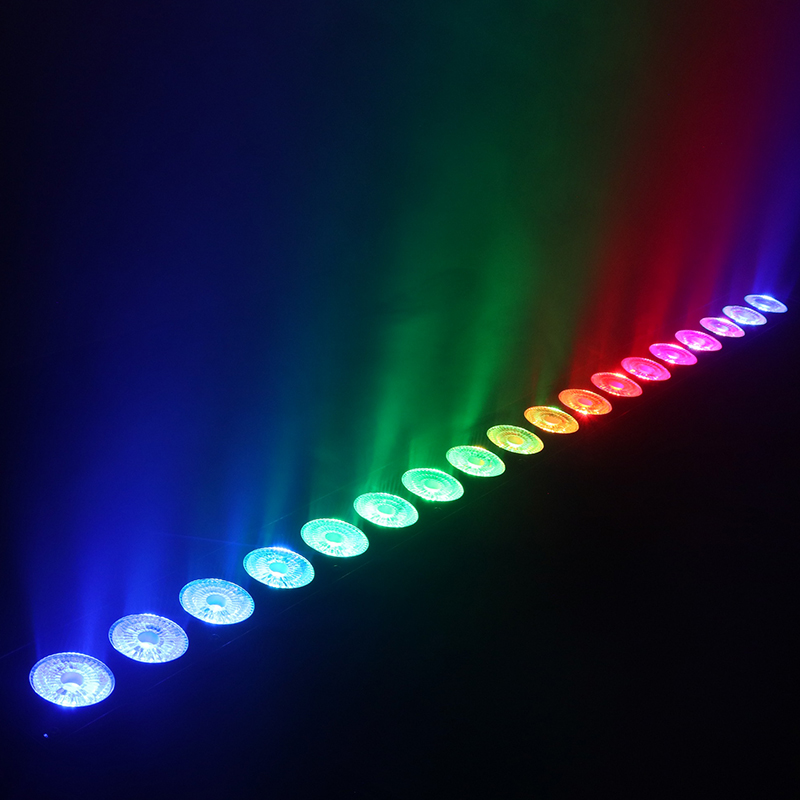
Multi-venue lighting projects demand exceptional versatility and reliability from every fixture in your rig. Whether you're touring between intimate theaters, expansive concert halls, or outdoor festivals, the choice of moving lights can make or break your production's visual impact. Professional lighting designers understand that moving lights must deliver consistent performance across diverse environments while maintaining color accuracy and beam quality regardless of venue size or configuration.
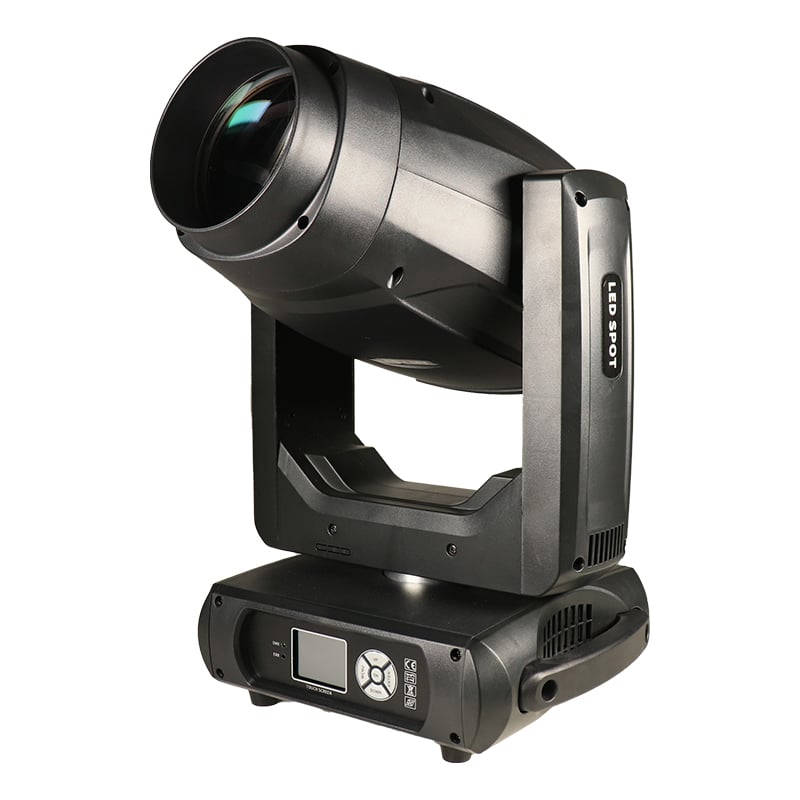
The modern entertainment industry requires lighting solutions that adapt seamlessly to changing venue requirements. From corporate events in hotel ballrooms to theatrical productions in historic venues, moving lights serve as the backbone of contemporary lighting design. These intelligent fixtures provide the flexibility to transform any space through precise beam control, color mixing, and dynamic movement patterns that captivate audiences across all venue types.
Selecting the right moving lights for multi-venue applications involves careful consideration of beam angle versatility, color rendering capabilities, and mechanical reliability. Professional fixtures must withstand the rigors of constant transportation while delivering consistent photometric performance. The investment in quality moving lights pays dividends through reduced maintenance costs and enhanced creative possibilities across your entire tour or production schedule.
Essential Features for Multi-Venue Moving Light Applications
Beam Angle Adaptability and Zoom Range
The ability to adjust beam angles dramatically impacts how effectively moving lights perform across different venue sizes. Wide zoom ranges allow the same fixtures to create intimate washes in small theaters and powerful aerial effects in large arenas. Professional moving lights with zoom ratios of 6:1 or greater provide the flexibility needed for diverse venue requirements without compromising beam quality or intensity distribution.
Modern moving lights incorporate advanced optical systems that maintain consistent beam quality throughout their zoom range. This ensures that whether you're creating tight spotlights for solo performances or broad washes for ensemble pieces, the light output remains even and professional. The mechanical precision of zoom mechanisms directly affects the reliability and repeatability of your lighting cues across multiple venues.
Variable beam angles also influence the strategic positioning of moving lights within different venue configurations. Fixtures with extensive zoom capabilities can be mounted at varying distances from performance areas while achieving similar coverage patterns. This adaptability reduces the need for fixture repositioning between venues and streamlines the load-in process for touring productions.
Color Mixing Technology and Rendering Quality
Color consistency across venues with different ambient lighting conditions requires sophisticated color mixing systems in moving lights. CMY (Cyan, Magenta, Yellow) color mixing provides superior color rendering and smoother transitions compared to basic RGB systems. Professional fixtures often incorporate additional color correction filters to maintain color temperature consistency under various architectural lighting conditions.
The color rendering index (CRI) of moving lights significantly impacts how performers and sets appear under stage lighting. High CRI values ensure that costumes, makeup, and scenic elements maintain their intended appearance regardless of venue characteristics. This consistency is crucial for productions where visual continuity must be maintained across multiple performance locations.
Advanced moving lights feature programmable color temperature adjustment that compensates for different venue environments. This capability allows lighting designers to match the color temperature of architectural lighting or adapt to venues with varying ceiling heights and wall colors that affect ambient light reflection.
Mechanical Reliability and Durability Considerations
Transportation and Road-Worthiness
Multi-venue productions subject moving lights to constant transportation stress that can compromise mechanical integrity over time. Professional-grade fixtures incorporate robust housing construction and shock-mounted internal components that withstand the vibrations and impacts associated with trucking between venues. The quality of mechanical construction directly correlates with long-term reliability and reduced maintenance requirements.
Dust and moisture protection ratings become critical factors for moving lights used in diverse venue environments. IP-rated fixtures provide protection against environmental contaminants that can degrade optical performance and mechanical function. Venues with poor climate control or outdoor applications require moving lights with enhanced environmental protection to maintain consistent performance.
The design of moving lights must balance weight considerations with structural integrity for touring applications. Lighter fixtures reduce trucking costs and simplify rigging requirements, but cannot compromise the mechanical stability needed for precise movement and positioning. Advanced materials and engineering techniques allow manufacturers to create fixtures that optimize both portability and durability.
Maintenance Requirements and Field Serviceability
Multi-venue productions benefit from moving lights designed for efficient field maintenance and lamp replacement. Tool-free access to critical components reduces downtime during tours and allows technical staff to perform routine maintenance without specialized equipment. The availability of replacement parts and local service support varies by geographic region and should influence fixture selection for international touring productions.
Diagnostic capabilities built into modern moving lights enable proactive maintenance scheduling and rapid troubleshooting during production periods. Self-monitoring systems that track lamp hours, temperature conditions, and mechanical cycle counts help prevent unexpected failures during critical performance periods. These features are essential for maintaining show quality across extended touring schedules.
Remote monitoring capabilities allow technical teams to assess the health of moving lights across multiple venues through network connectivity. This technology enables predictive maintenance strategies that minimize equipment downtime and ensure consistent performance throughout multi-venue productions.
Power and Control System Integration
Power Consumption and Electrical Requirements
Power availability varies significantly between venues, making the electrical efficiency of moving lights a crucial consideration for multi-venue applications. LED-based moving lights offer substantial power savings compared to traditional discharge lamp fixtures while providing comparable light output. This efficiency translates to reduced generator requirements for outdoor venues and lower electrical costs across extended production runs.
Auto-ranging power supplies in professional moving lights accommodate the voltage variations commonly encountered across different regions and venue types. This capability eliminates the need for external transformers and reduces the complexity of power distribution systems. Universal power input specifications ensure that moving lights operate consistently regardless of local electrical infrastructure variations.
Power factor correction and harmonics management built into modern moving lights reduce the total electrical load on venue power systems. These features are particularly important in older venues with limited electrical capacity or when multiple moving lights operate simultaneously on the same electrical circuit.
DMX Control and Protocol Compatibility
Standardized control protocols ensure that moving lights integrate seamlessly with different console systems encountered across various venues. DMX-512 compatibility remains the industry standard, but advanced fixtures also support additional protocols such as Art-Net and sACN for network-based control systems. This flexibility allows lighting designers to work with house consoles or maintain consistency with their preferred control systems.
The channel count and parameter mapping of moving lights affects programming complexity and console capacity requirements. Fixtures with well-organized channel layouts and logical parameter groupings reduce programming time and minimize errors during the technical rehearsal process. Standardized personality files for popular console systems further streamline the integration process across different venues.
RDM (Remote Device Management) capabilities in modern moving lights enable remote configuration and monitoring through the DMX network. This technology allows lighting technicians to adjust fixture settings, monitor lamp hours, and perform diagnostics without physical access to individual moving lights during production periods.
Cost-Effectiveness and Return on Investment
Initial Investment versus Long-Term Value
The upfront cost of professional-grade moving lights must be evaluated against their expected service life and maintenance requirements across multiple venue applications. Higher-quality fixtures typically provide better return on investment through reduced replacement costs, lower maintenance requirements, and consistent performance that protects production quality. The total cost of ownership includes not only purchase price but also transportation, maintenance, and replacement part costs over the fixture's operational lifetime.
Energy efficiency directly impacts operating costs for productions with extended run periods or frequent venue changes. Moving lights with lower power consumption reduce electrical costs at venues that charge for power usage and decrease generator fuel costs for outdoor productions. These savings accumulate significantly over multi-venue touring schedules.
Resale value considerations become important for production companies that regularly update their moving lights inventory. Professional fixtures from established manufacturers typically retain value better than budget alternatives, providing better exit strategies when technology upgrades become necessary. This factor should influence the selection process for companies that view moving lights as depreciating assets rather than long-term investments.
Operational Efficiency and Productivity Benefits
Reliable moving lights reduce the labor costs associated with fixture replacement and maintenance during production periods. Fixtures that consistently perform as expected minimize the need for backup equipment and reduce the technical staff time spent troubleshooting problems. This reliability becomes particularly valuable during intensive production schedules with limited load-in time between venues.
The programming flexibility of advanced moving lights allows lighting designers to create more sophisticated looks with fewer fixtures. This efficiency reduces trucking costs, simplifies rigging requirements, and decreases load-in time across multiple venues. The creative capabilities of professional moving lights often justify their higher initial cost through enhanced production value and reduced labor requirements.
Standardizing on specific moving lights models across an entire production inventory simplifies spare parts management and reduces training requirements for technical staff. Consistency in fixture specifications and operation reduces the complexity of maintaining show quality across different venues and technical crews.
FAQ
What beam angle range is most versatile for multi-venue moving lights
The most versatile moving lights for multi-venue applications feature zoom ranges from approximately 7 degrees to 50 degrees or wider. This range allows the same fixtures to create tight spotlights for intimate venues and broad washes for large spaces. Professional fixtures with 6:1 zoom ratios or greater provide the flexibility needed to adapt to diverse venue requirements without compromising beam quality or requiring additional fixtures for different applications.
How important is color rendering quality for touring productions
Color rendering quality is crucial for maintaining visual consistency across different venue environments and lighting conditions. Moving lights with high CRI values ensure that performers, costumes, and scenic elements appear natural and vibrant regardless of venue characteristics. Poor color rendering can create inconsistent visual experiences that detract from production quality, making high-quality color mixing systems essential for professional touring applications.
What maintenance considerations are most important for multi-venue moving lights
The most critical maintenance considerations include ease of lamp replacement, availability of replacement parts, and diagnostic capabilities that prevent unexpected failures. Moving lights designed for field serviceability with tool-free access to critical components minimize downtime during tours. Self-monitoring systems that track operational parameters help technical teams perform proactive maintenance and identify potential issues before they impact show quality.
How do power requirements affect moving lights selection for touring
Power requirements significantly impact venue compatibility and operational costs for touring productions. Moving lights with auto-ranging power supplies and high efficiency ratings provide greater flexibility across different electrical systems and reduce power consumption costs. LED-based moving lights offer substantial power savings compared to traditional discharge fixtures while providing comparable output, making them ideal for venues with limited electrical capacity or productions seeking to minimize generator requirements.