
 EN
EN


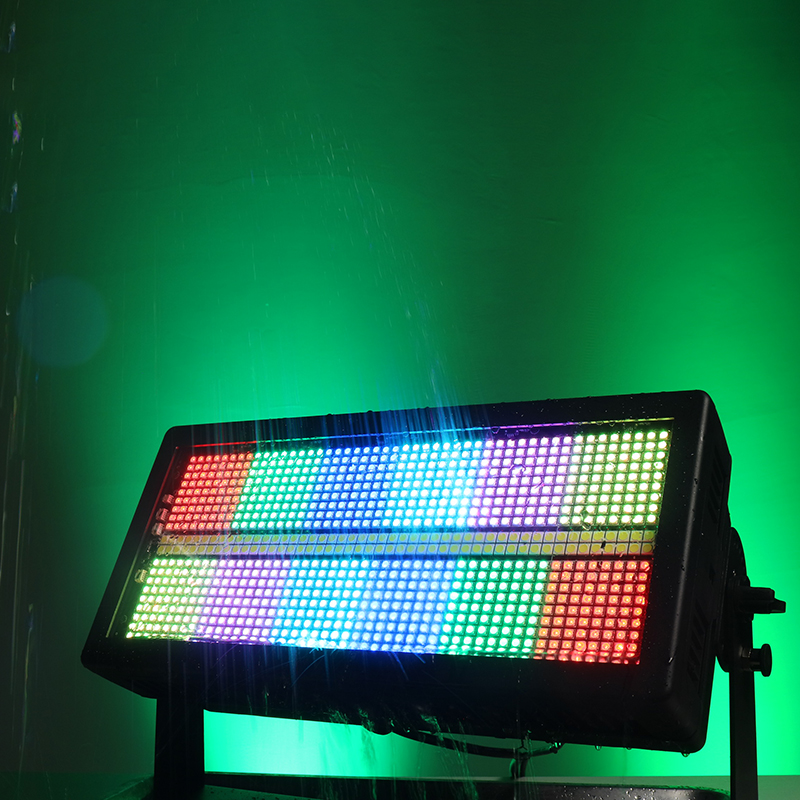
Stage design has evolved dramatically over the past few decades, with moving lights becoming one of the most transformative elements in modern theatrical and concert productions. These sophisticated lighting instruments offer designers unprecedented creative freedom, enabling them to craft immersive experiences that captivate audiences and enhance storytelling. Moving lights have revolutionized how designers approach spatial dynamics, color palettes, and atmospheric effects, making them indispensable tools in contemporary stage design.
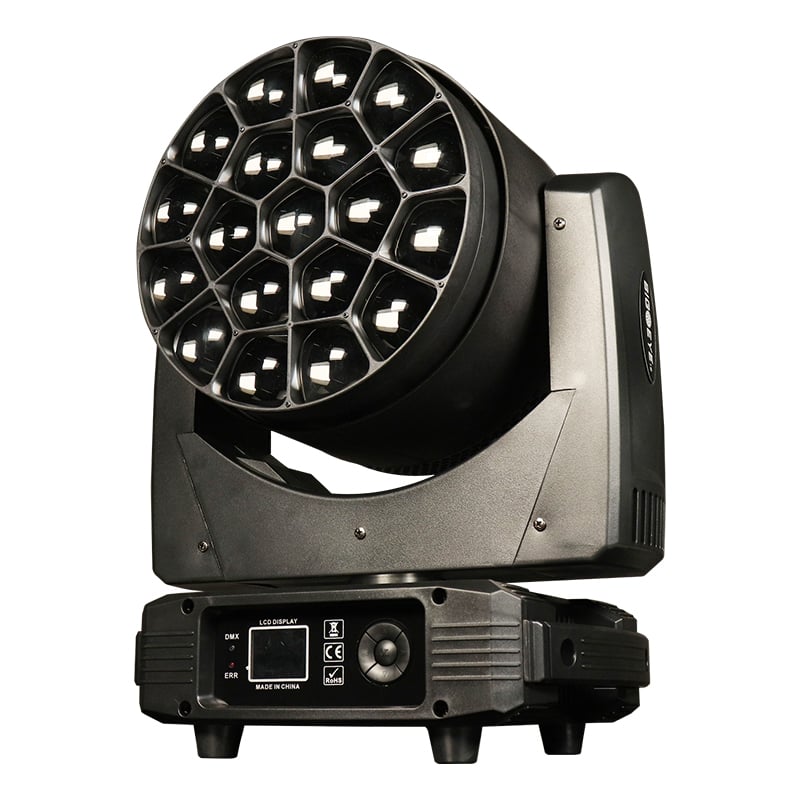
Dynamic Visual Storytelling Through Automated Lighting
Creating Narrative Depth with Light Movement
Moving lights serve as powerful storytelling devices that can transform the emotional landscape of any performance. Unlike traditional static fixtures, these automated instruments can shift focus, change colors, and create movement patterns that directly support the narrative arc. Designers utilize moving lights to guide audience attention, highlight key moments, and create seamless transitions between scenes. The ability to program complex sequences allows for precise synchronization with music, dialogue, and choreography, resulting in a cohesive artistic vision.
The psychological impact of light movement cannot be understated in theatrical productions. Moving lights can create tension through rapid, erratic movements or establish calm through gentle, flowing patterns. This dynamic capability enables designers to manipulate audience emotions subconsciously, enhancing the overall theatrical experience. Professional lighting designers often describe moving lights as an additional cast member, capable of supporting and amplifying the performance without overwhelming the primary elements.
Spatial Transformation and Dimensional Effects
The three-dimensional capabilities of moving lights allow designers to reshape physical spaces in real-time. Through strategic positioning and movement, these fixtures can make small stages appear larger or intimate venues feel more expansive. Moving lights excel at creating depth perception through layered lighting effects, where foreground, middle ground, and background elements receive distinct treatment. This spatial manipulation becomes particularly valuable in productions with limited set pieces or budget constraints.
Advanced moving lights offer gobos, prisms, and zoom functions that further enhance spatial transformation possibilities. Designers can project architectural elements, create virtual environments, or establish specific locations through carefully crafted light patterns. The ability to change these projections instantly allows for rapid scene changes without physical set movements, streamlining production logistics while maintaining visual impact.
Color Psychology and Atmospheric Enhancement
Advanced Color Mixing Technologies
Modern moving lights incorporate sophisticated color mixing systems that provide designers with millions of color combinations. LED-based moving lights offer exceptional color accuracy and consistency, enabling designers to create subtle mood transitions or dramatic color shifts. The precision of contemporary color mixing allows for perfect color matching across multiple fixtures, ensuring visual continuity throughout complex lighting designs.
Color temperature control in moving lights enables designers to simulate various lighting conditions, from warm candlelight to cool moonlight or harsh industrial environments. This capability proves invaluable for establishing time of day, season, or emotional context within productions. The seamless transitions between color temperatures help maintain the illusion of natural lighting progression while supporting the dramatic requirements of the performance.
Atmospheric Effects and Environmental Simulation
Moving lights excel at creating atmospheric effects that transport audiences to different environments and time periods. Through combination of movement, color, and intensity changes, these fixtures can simulate weather conditions, natural phenomena, and otherworldly environments. Lightning effects, sunrise simulations, and underwater ambiances become achievable through careful programming of moving lights sequences.
The integration of haze and fog machines with moving lights creates volumetric lighting effects that add tangible depth to the visual experience. Light beams become visible elements that can be shaped and manipulated, creating architectural structures from pure light. These atmospheric enhancements contribute significantly to the immersive quality of modern stage productions, blurring the line between reality and artistic interpretation.
Technical Innovation and Creative Possibilities
Precision Control and Programming Capabilities
The advanced control systems available for moving lights provide designers with unprecedented precision in their creative execution. Modern lighting consoles offer intuitive interfaces that allow for complex programming while maintaining real-time control capabilities. The ability to create and store multiple cue sequences enables designers to build intricate lighting compositions that evolve throughout the performance.
Automated features in contemporary moving lights reduce the technical burden on operators while expanding creative possibilities. Auto-focus systems, automatic color correction, and built-in effect libraries allow designers to focus on artistic vision rather than technical limitations. These innovations democratize advanced lighting techniques, making sophisticated effects accessible to productions with varying technical resources.
Integration with Modern Production Workflows
Moving lights seamlessly integrate with contemporary production technologies, including media servers, digital audio systems, and automated scenery. This interconnectivity allows for synchronized multimedia presentations where lighting, video, and audio elements work in perfect harmony. The ability to trigger lighting changes through various control protocols enables responsive lighting designs that adapt to live performance variables.
Remote monitoring and control capabilities of modern moving lights facilitate complex touring productions and multi-venue installations. Designers can make real-time adjustments from anywhere in the venue, ensuring consistent quality across different performance spaces. This flexibility proves essential for touring productions that must adapt to varying venue configurations while maintaining artistic integrity.
Economic and Practical Advantages
Cost-Effective Design Solutions
While the initial investment in moving lights may be substantial, their versatility provides significant long-term value for production companies. A single moving light can replace multiple conventional fixtures and color changers, reducing overall equipment needs and setup complexity. The programming capabilities allow designers to create diverse looks without purchasing additional equipment, maximizing the return on investment.
Energy efficiency in LED-based moving lights contributes to reduced operating costs and environmental impact. Lower power consumption means reduced generator requirements for touring productions and decreased electrical infrastructure needs in permanent installations. The extended lamp life of LED systems reduces maintenance costs and eliminates frequent lamp replacement schedules that burden production budgets.
Streamlined Production Processes
The automation capabilities of moving lights significantly reduce setup and strike times for productions. Pre-programmed positions and settings can be recalled instantly, eliminating the need for manual adjustments between shows. This efficiency proves particularly valuable for touring productions and venues hosting multiple events, where quick turnovers are essential for operational success.
The reduced labor requirements for operating moving lights allow production teams to allocate human resources more effectively. Fewer technicians are needed for day-to-day operations, while the programming phase may require specialized expertise. This shift in labor allocation often results in more consistent performance quality and reduced operational complexity.
Future Trends and Technological Developments
Emerging Technologies in Automated Lighting
The integration of artificial intelligence and machine learning technologies promises to further enhance the creative possibilities of moving lights. Smart fixtures that can analyze performance content and suggest lighting changes represent the next evolution in automated lighting systems. These technologies may eventually enable moving lights to respond dynamically to performer movements or audience reactions, creating truly interactive lighting environments.
Wireless control systems and battery-powered moving lights are expanding placement possibilities beyond traditional power and data distribution limitations. These innovations enable designers to position fixtures in previously inaccessible locations, opening new creative avenues for spatial lighting design. The freedom from cable constraints allows for more dynamic set changes and temporary installations.
Sustainability and Environmental Considerations
The entertainment industry's increasing focus on sustainability drives continued innovation in energy-efficient moving lights. Manufacturers are developing fixtures with improved lumen-per-watt ratios and longer operational lifespans. These environmental considerations influence both product development and purchasing decisions, as production companies seek to reduce their carbon footprint while maintaining creative excellence.
Recyclable materials and modular designs in moving lights support circular economy principles within the entertainment industry. The ability to upgrade or repair individual components extends fixture lifespans and reduces electronic waste. These sustainability initiatives align with broader industry trends toward environmentally responsible production practices.
FAQ
What are the primary advantages of using moving lights in stage design
Moving lights offer multiple advantages including dynamic positioning capabilities, extensive color mixing options, programmable effects, and space-efficient design solutions. They enable designers to create complex lighting sequences with precise control while reducing the overall number of fixtures required for comprehensive coverage. The ability to change focus, color, and effects instantly provides unmatched flexibility for live productions and allows for seamless transitions between different scenes or moods.
How do moving lights compare to traditional static lighting fixtures in terms of cost
While moving lights have higher initial purchase costs compared to conventional fixtures, they provide better long-term value through versatility and efficiency. A single moving light can replace multiple static fixtures and color changers, reducing overall equipment needs and installation complexity. LED-based moving lights also offer lower operating costs through reduced power consumption and maintenance requirements, making them economically advantageous for frequent users.
Can moving lights be effectively used in small venue productions
Moving lights are highly effective in small venues where they can maximize limited space and resources. Their ability to create diverse looks without requiring multiple fixture positions makes them ideal for compact production environments. Smaller, more affordable moving lights are specifically designed for intimate venues while still providing professional-quality effects and control capabilities that enhance creative possibilities within budget constraints.
What technical skills are required to operate moving lights effectively
Operating moving lights requires understanding of lighting console programming, fixture addressing, and basic DMX protocols. While initial setup may require technical expertise, modern systems feature user-friendly interfaces that simplify day-to-day operation. Many manufacturers provide training resources and simplified programming modes that make moving lights accessible to operators with varying technical backgrounds, though advanced creative applications benefit from specialized knowledge and experience.