
 EN
EN


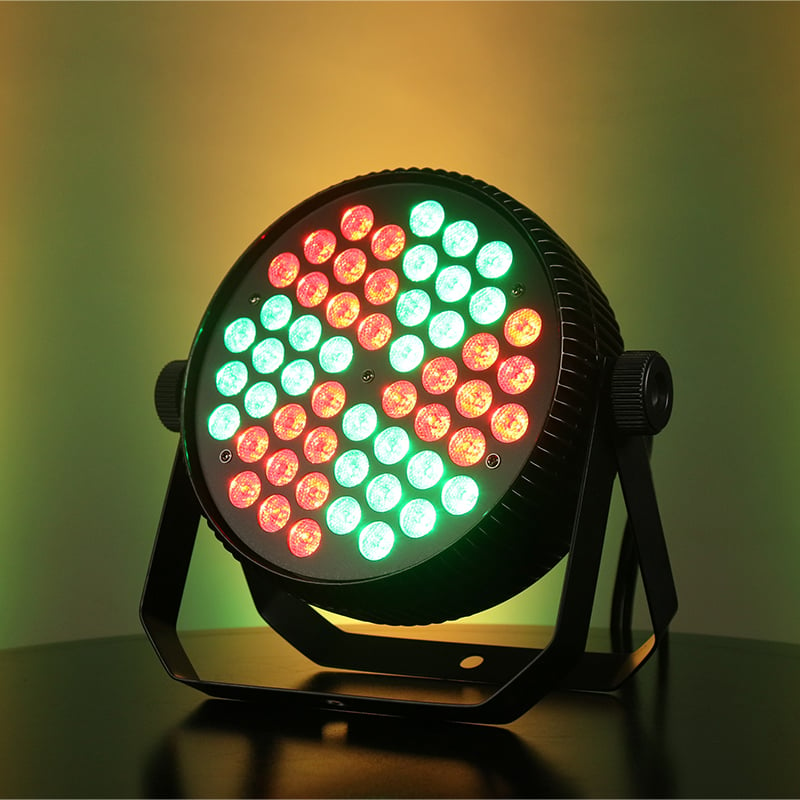
Professional concert lighting has evolved dramatically over the past few decades, transforming from static spotlights to dynamic, programmable systems that create immersive visual experiences. Among the most significant innovations in this field are moving lights, which have revolutionized how lighting designers approach live entertainment. These versatile fixtures offer unprecedented creative control, allowing designers to craft stunning visual narratives that complement musical performances and captivate audiences worldwide.
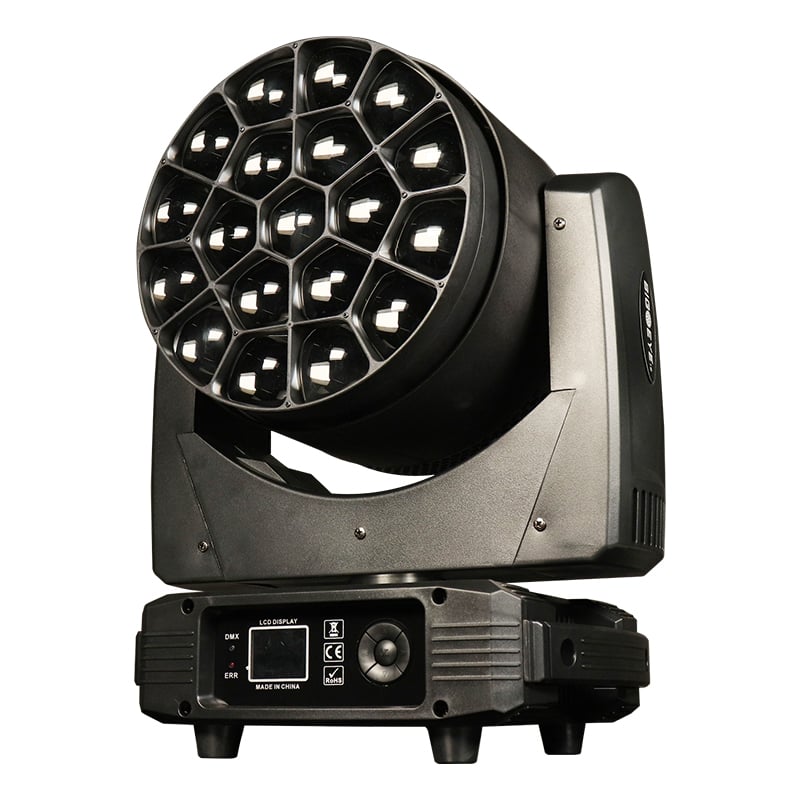
The Evolution of Concert Lighting Technology
From Static to Dynamic Illumination
The journey from conventional static lighting to sophisticated moving lights represents one of the most transformative periods in entertainment technology. Traditional concert lighting relied heavily on fixed-position fixtures that required manual adjustment between songs or acts. This limitation severely constrained creative possibilities and demanded extensive crew coordination. The introduction of moving lights changed this paradigm completely, offering lighting designers the ability to reposition, refocus, and reshape their lighting setups in real-time without human intervention.
Early moving lights were relatively simple devices with basic pan and tilt capabilities. However, modern systems incorporate advanced features such as color mixing, gobo projection, zoom control, and sophisticated beam shaping. These enhancements have made moving lights indispensable tools for creating the complex, multi-layered lighting designs that audiences now expect from professional concerts and theatrical productions.
Technological Advances Driving Adoption
The rapid adoption of moving lights in professional concert environments stems from continuous technological improvements that have enhanced their reliability, versatility, and cost-effectiveness. LED technology integration has significantly reduced power consumption while improving color accuracy and fixture longevity. Advanced control systems now allow for precise coordination between multiple moving lights, creating synchronized effects that would be impossible with traditional lighting setups.
Wireless control capabilities have further streamlined operations, enabling lighting technicians to program and adjust moving lights remotely during performances. This technological evolution has made moving lights more accessible to touring productions, where quick setup and breakdown times are crucial for maintaining tight performance schedules.
Creative Advantages of Moving Light Systems
Unlimited Positioning and Movement Capabilities
One of the most compelling advantages of moving lights lies in their exceptional positioning flexibility. Unlike fixed fixtures that illuminate only predetermined areas, moving lights can sweep across venues, follow performers, and create dynamic patterns that enhance musical storytelling. This capability allows lighting designers to craft sequences that flow seamlessly with musical compositions, creating emotional peaks and valleys that amplify audience engagement.
The ability to program complex movement sequences enables lighting designers to create signature looks that distinguish one tour from another. Whether executing slow, sweeping movements during ballads or rapid, staccato sequences during high-energy songs, moving lights provide the creative freedom necessary for innovative lighting design.
Color and Beam Control Innovation
Modern moving lights offer unprecedented control over color reproduction and beam characteristics. Advanced color mixing systems can produce millions of distinct colors with smooth transitions between different hues, saturations, and intensities. This capability allows lighting designers to create sophisticated color palettes that complement stage design elements and enhance the overall visual atmosphere.
Beam control features such as variable zoom, iris control, and prism effects enable designers to sculpt light with precision. These tools allow for the creation of sharp, focused beams for dramatic spotlighting or wide, soft washes for ambient illumination. The ability to modify these characteristics in real-time provides lighting designers with powerful tools for visual storytelling and atmosphere creation.
Operational Benefits in Professional Environments
Efficiency and Setup Advantages
Professional touring productions face constant pressure to minimize setup and breakdown times while maintaining high production values. Moving lights address these challenges by reducing the number of individual fixtures required to achieve complex lighting designs. A single moving light can often replace multiple static fixtures, significantly reducing truck space requirements and crew labor costs.
The programmable nature of moving lights allows lighting designers to pre-program entire shows, eliminating the need for extensive on-site focusing and adjustment. This capability is particularly valuable for touring productions that perform in different venues each night, as moving lights can adapt their output to accommodate varying ceiling heights, stage sizes, and architectural constraints.
Cost-Effectiveness Over Time
While the initial investment in moving lights may be higher than traditional fixtures, their operational benefits often result in significant long-term cost savings. The reduced crew requirements, lower transportation costs, and decreased setup times contribute to improved profitability for touring productions. Additionally, the versatility of moving lights means that the same fixtures can be used for different types of productions, maximizing equipment utilization.
Energy efficiency improvements, particularly in LED-based moving lights, result in reduced power consumption and lower operational costs. These savings become particularly significant for long-running productions or extensive touring schedules where energy costs can represent a substantial portion of the overall production budget.
Technical Specifications and Performance Characteristics
Motor and Movement Systems
The heart of any moving light system lies in its motor and movement mechanisms. High-quality moving lights feature precision stepper motors or servo motors that provide smooth, accurate positioning with minimal noise generation. These systems must withstand the rigors of touring while maintaining consistent performance across thousands of operational cycles.
Modern moving lights typically offer 540-degree pan rotation and 270-degree tilt capability, providing comprehensive coverage of performance spaces. Advanced models may include extended movement ranges or specialized mounting options that expand positioning possibilities even further. The speed and accuracy of these movement systems directly impact the effectiveness of programmed lighting sequences.
Optical Systems and Light Output
The optical systems in professional moving lights represent sophisticated engineering achievements that balance light output, beam quality, and energy efficiency. High-performance reflectors and lens systems maximize light utilization while maintaining consistent beam characteristics across the entire zoom range. These optical components must maintain their performance despite temperature variations and mechanical stresses associated with constant movement.
Light output specifications vary significantly among different moving light categories, from compact fixtures suitable for intimate venues to powerful units capable of illuminating large stadiums. The selection of appropriate moving lights depends on venue size, throw distances, and desired visual impact, requiring careful consideration of photometric data and performance specifications.
Applications Across Different Venue Types
Arena and Stadium Implementations
Large-scale venues present unique challenges that moving lights are particularly well-suited to address. The vast distances between lighting positions and performance areas demand fixtures with high light output and precise beam control. Moving lights excel in these environments by providing the flexibility to adjust coverage patterns and intensities based on specific venue configurations.
Stadium concerts often require lighting systems that can adapt to different stage configurations and audience seating arrangements. Moving lights enable designers to redirect illumination as needed, ensuring consistent visual coverage regardless of venue-specific constraints. This adaptability is crucial for touring productions that perform in venues ranging from intimate theaters to massive outdoor amphitheaters.
Theater and Smaller Venue Applications
While moving lights are often associated with large-scale productions, their benefits extend to smaller venues and theatrical applications. Compact moving lights offer many of the same creative advantages as their larger counterparts while fitting within the physical and budgetary constraints of smaller productions. These fixtures can create sophisticated lighting designs that would be impossible with conventional lighting in space-limited environments.
The programmable nature of moving lights is particularly valuable in theatrical applications where consistent reproduction of lighting cues is essential. Once programmed, moving lights can reliably reproduce complex sequences night after night, ensuring consistent artistic quality throughout extended runs of theatrical productions.
Integration with Modern Control Systems
DMX and Network Control Protocols
The successful implementation of moving lights requires sophisticated control systems capable of managing multiple fixtures simultaneously. DMX512 protocol has become the industry standard for moving light control, enabling precise parameter adjustment and sequence programming. Modern control systems often incorporate network protocols such as Art-Net and sACN, allowing for more flexible system architectures and improved reliability.
Advanced lighting consoles provide intuitive interfaces for programming complex moving light sequences, with features such as effect generators, timeline-based programming, and real-time visualization. These tools enable lighting designers to create and modify sophisticated shows efficiently, maximizing the creative potential of moving light installations.
Automation and Synchronization Features
Professional concert productions increasingly rely on automation systems that synchronize moving lights with other production elements such as video screens, pyrotechnics, and mechanical stage elements. Time-code synchronization ensures that lighting sequences align precisely with musical performances, creating seamless integration between audio and visual elements.
Backup and redundancy systems have become standard features in professional moving light installations, ensuring continued operation even in the event of equipment failures. These systems may include automatic fixture substitution, emergency positioning modes, and real-time monitoring capabilities that alert operators to potential issues before they impact performances.
Maintenance and Reliability Considerations
Preventive Maintenance Strategies
The mechanical complexity of moving lights requires comprehensive maintenance programs to ensure reliable operation throughout demanding tour schedules. Preventive maintenance protocols typically include regular cleaning of optical components, lubrication of moving parts, and calibration of positioning systems. These procedures help extend fixture lifespan and maintain consistent performance quality.
Professional touring companies often maintain dedicated technical staff trained specifically in moving light maintenance and repair. This expertise is crucial for addressing issues that may arise during performances and ensuring that moving lights continue to operate at peak efficiency throughout extended touring periods.
Troubleshooting and Field Repairs
Despite their sophistication, moving lights occasionally experience operational issues that require immediate attention. Common problems include motor failures, lamp burnouts, and control system glitches. Successful touring productions maintain comprehensive spare parts inventories and possess the technical expertise necessary to perform field repairs quickly and effectively.
Diagnostic systems built into modern moving lights provide valuable troubleshooting information that helps technicians identify and resolve issues efficiently. These systems often include self-test routines, error reporting capabilities, and remote monitoring functions that facilitate proactive maintenance strategies.
Future Trends and Technological Developments
LED Technology Integration
The ongoing transition to LED-based moving lights represents one of the most significant trends in professional lighting technology. LED sources offer numerous advantages including improved energy efficiency, extended operational life, and enhanced color mixing capabilities. These benefits are particularly valuable for touring productions where reduced power requirements and maintenance needs translate directly to operational cost savings.
Advanced LED moving lights now rival traditional discharge lamp fixtures in terms of light output while offering superior color reproduction and control capabilities. The continued development of LED technology promises even greater improvements in efficiency and performance, making moving lights increasingly attractive for a broader range of applications.
Wireless and Battery-Powered Systems
Emerging wireless control and power technologies are expanding the deployment possibilities for moving lights in situations where traditional cabling is impractical or impossible. Battery-powered moving lights enable creative positioning options that were previously impossible, allowing designers to place fixtures in locations without access to power or control cables.
These developments are particularly significant for outdoor events, temporary installations, and venues where infrastructure limitations constrain traditional lighting approaches. As battery technology continues to improve, wireless moving lights are becoming increasingly viable for professional applications.
FAQ
What are the main advantages of using moving lights in concert productions
Moving lights provide superior creative flexibility compared to static fixtures, allowing lighting designers to create dynamic, programmable sequences that enhance musical performances. They reduce setup time and crew requirements while offering precise control over positioning, color, and beam characteristics. The ability to program complex sequences ensures consistent reproduction of lighting designs across multiple performances, making them ideal for touring productions.
How do moving lights impact power consumption compared to traditional lighting
Modern LED-based moving lights typically consume significantly less power than traditional discharge lamp fixtures while delivering comparable or superior light output. This improved efficiency reduces operational costs and infrastructure requirements, particularly important for touring productions. The reduced power consumption also generates less heat, improving comfort conditions for performers and reducing venue cooling requirements.
What maintenance requirements should be expected with professional moving lights
Professional moving lights require regular preventive maintenance including optical component cleaning, mechanical system lubrication, and positioning calibration. While more complex than static fixtures, modern moving lights are designed for reliability in demanding touring environments. Proper maintenance programs and trained technical staff are essential for maximizing fixture lifespan and ensuring consistent performance throughout extended use periods.
How do moving lights integrate with other production elements in concerts
Moving lights integrate seamlessly with other production elements through advanced control systems that synchronize lighting sequences with music, video displays, and special effects. Time-code synchronization ensures precise coordination, while network-based control protocols enable complex system architectures. This integration capability makes moving lights essential components of modern concert productions where all elements must work together to create cohesive artistic experiences.
Table of Contents
- The Evolution of Concert Lighting Technology
- Creative Advantages of Moving Light Systems
- Operational Benefits in Professional Environments
- Technical Specifications and Performance Characteristics
- Applications Across Different Venue Types
- Integration with Modern Control Systems
- Maintenance and Reliability Considerations
- Future Trends and Technological Developments
-
FAQ
- What are the main advantages of using moving lights in concert productions
- How do moving lights impact power consumption compared to traditional lighting
- What maintenance requirements should be expected with professional moving lights
- How do moving lights integrate with other production elements in concerts