
 EN
EN


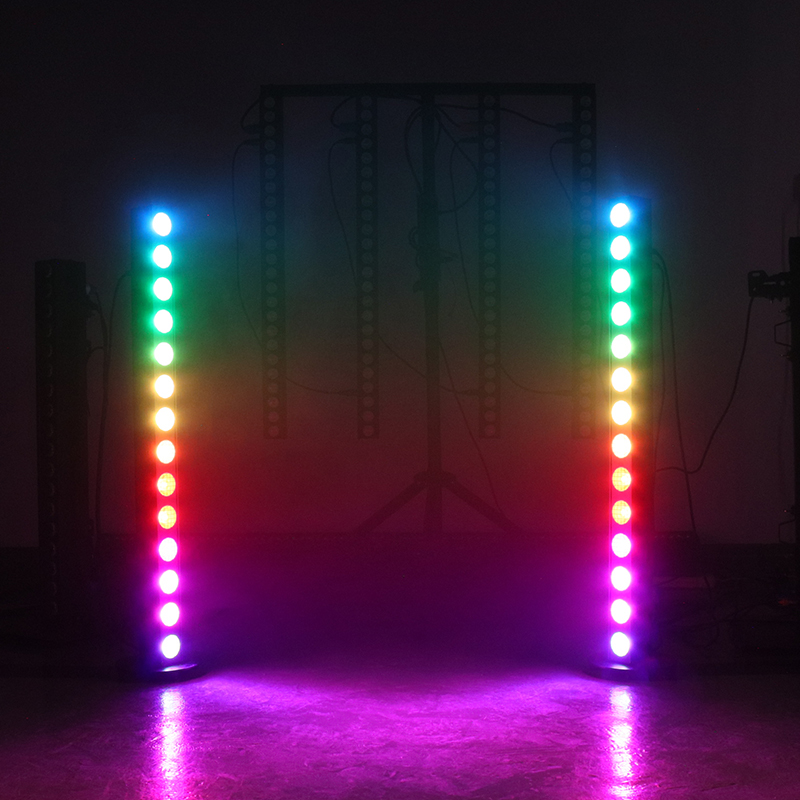
LED bars have revolutionized the landscape of stage and club lighting design, offering unprecedented creative possibilities and operational advantages that traditional lighting systems simply cannot match. These versatile lighting fixtures have become the backbone of modern entertainment venues, providing designers with the tools to create immersive environments that captivate audiences and enhance performances. The adoption of LED bars in professional lighting applications represents a fundamental shift towards more efficient, flexible, and visually stunning lighting solutions.
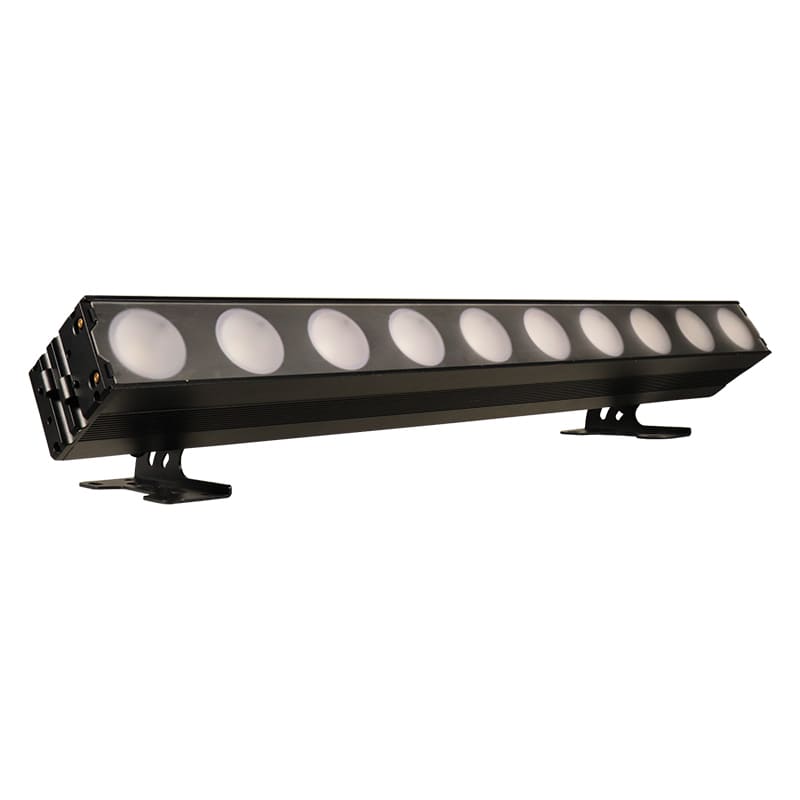
The advantages that LED bars bring to stage and club lighting design extend far beyond simple illumination, encompassing energy efficiency, color versatility, programming flexibility, and maintenance benefits that directly impact both creative output and operational costs. Understanding these advantages is crucial for lighting designers, venue operators, and entertainment professionals who seek to maximize their lighting investments while delivering exceptional visual experiences. The comprehensive benefits of LED bars make them indispensable tools in creating dynamic lighting environments that respond to the demands of modern entertainment venues.
Energy Efficiency and Operational Cost Benefits
Reduced Power Consumption
LED bars consume significantly less electrical power compared to traditional halogen or incandescent lighting systems, typically using 70-80% less energy while producing equivalent or superior light output. This dramatic reduction in power consumption directly translates to lower electricity bills for venues, making LED bars an economically sound investment for stage and club operations. The energy efficiency of LED bars also reduces the load on electrical infrastructure, allowing venues to install more fixtures without upgrading their power systems.
The lower power consumption of LED bars also generates less heat, reducing the burden on venue air conditioning systems and creating more comfortable environments for performers and audiences. This thermal efficiency becomes particularly important in enclosed spaces like clubs where heat buildup can significantly impact comfort levels. Venues that switch to LED bars often report substantial reductions in overall operational costs, with energy savings paying for the initial investment within the first few years of operation.
Extended Lifespan and Maintenance Savings
Professional-grade LED bars typically offer operational lifespans of 50,000 to 100,000 hours, dramatically exceeding the lifespan of traditional lighting fixtures that may require replacement after just 1,000 to 5,000 hours of use. This extended lifespan means that LED bars require replacement far less frequently, reducing both material costs and labor expenses associated with fixture maintenance. For venues that operate multiple shows per week, this longevity translates to years of reliable operation without the need for frequent bulb changes or fixture repairs.
The maintenance advantages of LED bars extend beyond simple longevity, as these fixtures are designed with fewer moving parts and more robust construction than traditional lighting systems. This reliability reduces the risk of equipment failure during critical performances, providing venue operators with greater confidence in their lighting infrastructure. The reduced maintenance requirements also free up technical staff time for more creative and productive tasks rather than routine fixture servicing.
Color Versatility and Creative Control
Full-Spectrum Color Mixing Capabilities
Modern LED bars offer sophisticated color mixing capabilities through RGB, RGBW, or even RGBWW configurations, allowing lighting designers to create virtually any color combination imaginable. This color versatility enables designers to match specific brand colors, create mood-appropriate atmospheres, or develop complex color sequences that would be impossible with traditional gel-based lighting systems. The precision of LED color mixing allows for subtle gradations and smooth transitions that enhance the visual impact of performances and events.
The color consistency of LED bars remains stable throughout their operational lifespan, unlike traditional fixtures that may experience color shift as bulbs age or gels fade. This consistency ensures that lighting designs maintain their intended appearance throughout extended runs or multiple performances. Advanced LED bars also offer color temperature adjustment capabilities, allowing designers to seamlessly blend warm and cool white light to create natural-looking illumination or dramatic contrast effects.
Dynamic Programming and Effect Generation
LED bars excel in creating dynamic lighting effects through pixel mapping and individual LED control, enabling designers to produce chase sequences, color washes, and animated patterns that bring energy and movement to performances. This programming flexibility allows for real-time adjustments and improvisation during live events, giving lighting operators the ability to respond to changes in music, performance, or audience energy. The digital control capabilities of LED bars integrate seamlessly with modern lighting consoles and control systems, providing precise timing and synchronization options.
The ability to program complex sequences and store multiple lighting cues in LED bars streamlines the show preparation process and ensures consistent reproduction of desired effects. Advanced LED bars can store hundreds of pre-programmed sequences and effects, reducing setup time and allowing for quick changes between different show configurations. This programming capability also enables automated operation for venues that require lighting without dedicated operators, such as clubs during non-peak hours or smaller performance spaces.
Physical Design and Installation Advantages
Compact Form Factor and Mounting Flexibility
The compact and lightweight design of LED bars makes them highly adaptable to various installation scenarios, from overhead trusses and wall-mounted positions to ground-based uplighting and portable setups. This mounting flexibility allows lighting designers to place fixtures in locations that would be impractical for larger traditional fixtures, opening up new creative possibilities for lighting angle and coverage. The reduced weight of LED bars also simplifies truss loading calculations and reduces structural requirements for permanent installations.
LED bars are available in various lengths and configurations, allowing designers to select fixtures that precisely fit their space and coverage requirements without compromising on light output or functionality. This scalability makes LED bars suitable for intimate club settings as well as large-scale stage productions, providing consistent performance characteristics across different venue sizes. The modular nature of many LED bar systems also allows for easy expansion or reconfiguration as venue needs change over time.
Durability and Environmental Resistance
Professional LED bars are constructed with robust materials and protective housings that resist the physical demands of entertainment environments, including vibration, temperature fluctuations, and occasional impacts. This durability ensures reliable operation in challenging conditions where traditional fixtures might fail or require frequent adjustment. Many LED bars feature ingress protection ratings that allow for outdoor use or in venues with high humidity levels, expanding their application possibilities beyond traditional indoor theaters and clubs.
The solid-state construction of LED bars eliminates fragile filaments and glass components that are vulnerable to breakage during transportation and setup. This ruggedness makes LED bars particularly valuable for touring productions and mobile entertainment setups where fixtures must withstand frequent handling and transportation. The environmental resistance of quality LED bars also ensures consistent performance in venues with challenging atmospheric conditions, such as fog machines, pyrotechnics, or outdoor weather exposure.
Integration and Control System Compatibility
Digital Protocol Support
Modern LED bars support industry-standard digital control protocols such as DMX512, Art-Net, and sACN, ensuring seamless integration with existing lighting control systems and infrastructure. This protocol compatibility eliminates the need for expensive interface equipment or system redesigns when incorporating LED bars into established lighting rigs. The digital nature of LED bar control also provides more precise and reliable signal transmission compared to analog dimming systems, reducing the potential for signal degradation or interference.
Advanced LED bars also support wireless control protocols and smartphone app integration, providing additional flexibility for smaller venues or applications where running control cables is impractical. This wireless capability enables real-time control adjustments from anywhere in the venue, allowing lighting operators to fine-tune effects while observing the visual impact from the audience perspective. The integration capabilities of LED bars also support future technology adoption, ensuring that investments remain relevant as control systems evolve.
Network Connectivity and Remote Management
Many professional LED bars include Ethernet connectivity and network management features that allow for remote monitoring, configuration, and troubleshooting. This network connectivity enables venue operators to monitor fixture status, adjust settings, and diagnose issues without physical access to the fixtures, significantly reducing maintenance time and costs. Remote management capabilities also facilitate coordinated control of multiple LED bars across large installations or multiple venue locations.
The network capabilities of LED bars support advanced features such as automated scheduling, preset activation, and integration with building management systems. This connectivity allows venues to automate routine lighting operations and create sophisticated programming that responds to occupancy sensors, time schedules, or external triggers. The data logging capabilities of networked LED bars also provide valuable insights into usage patterns and performance metrics that can inform maintenance schedules and operational decisions.
FAQ
How do LED bars compare to traditional tungsten fixtures in terms of heat output?
LED bars produce approximately 85% less heat than equivalent tungsten fixtures, making them significantly more comfortable for performers and reducing air conditioning costs. This lower heat output also eliminates the risk of burns from accidentally touching fixtures and reduces fire hazards associated with high-temperature lighting equipment. The minimal heat generation of LED bars allows for closer placement to performers, props, and set pieces without causing damage or discomfort.
Can LED bars be used outdoors for festival and concert applications?
Many professional LED bars feature IP65 or higher ingress protection ratings, making them suitable for outdoor use in most weather conditions. These weatherproof LED bars can withstand rain, dust, and temperature extremes while maintaining full functionality and color accuracy. However, it's important to verify the specific IP rating and operating temperature range of LED bars before outdoor deployment to ensure reliable performance in local climate conditions.
What is the typical color accuracy of LED bars compared to tungsten sources?
High-quality LED bars typically achieve Color Rendering Index (CRI) values of 90-95, which closely matches or exceeds the color accuracy of tungsten sources. Advanced LED bars with RGBWW configurations can produce even more accurate color reproduction by combining colored LEDs with variable color temperature white LEDs. This color accuracy ensures that performers, costumes, and set pieces appear natural and vibrant under LED bar illumination, meeting the standards required for professional video production and live performance.
How do LED bars handle dimming compared to traditional dimmers?
LED bars provide superior dimming performance with smooth, flicker-free operation from 0-100% intensity without the color shift that occurs with dimmed tungsten fixtures. The digital dimming control in LED bars offers precise adjustment capabilities with thousands of dimming steps, allowing for subtle lighting changes that would be impossible with traditional analog dimmers. LED bars also maintain consistent color temperature and color mixing accuracy throughout the dimming range, ensuring that lighting designs remain true to the designer's intent at all intensity levels.