
 EN
EN


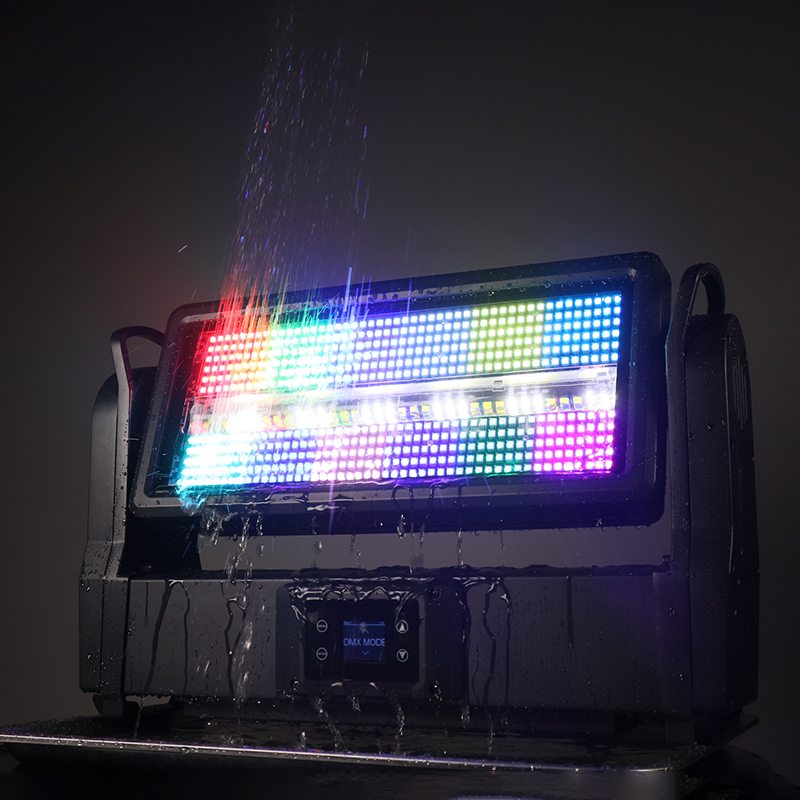
LED bars have revolutionized architectural lighting by offering unprecedented flexibility in creating dramatic wall wash effects that transform spaces into dynamic visual environments. These powerful linear lighting fixtures enable lighting designers to achieve uniform illumination across vertical surfaces while maintaining precise control over color temperature, intensity, and beam distribution patterns that were previously impossible with traditional lighting technologies.
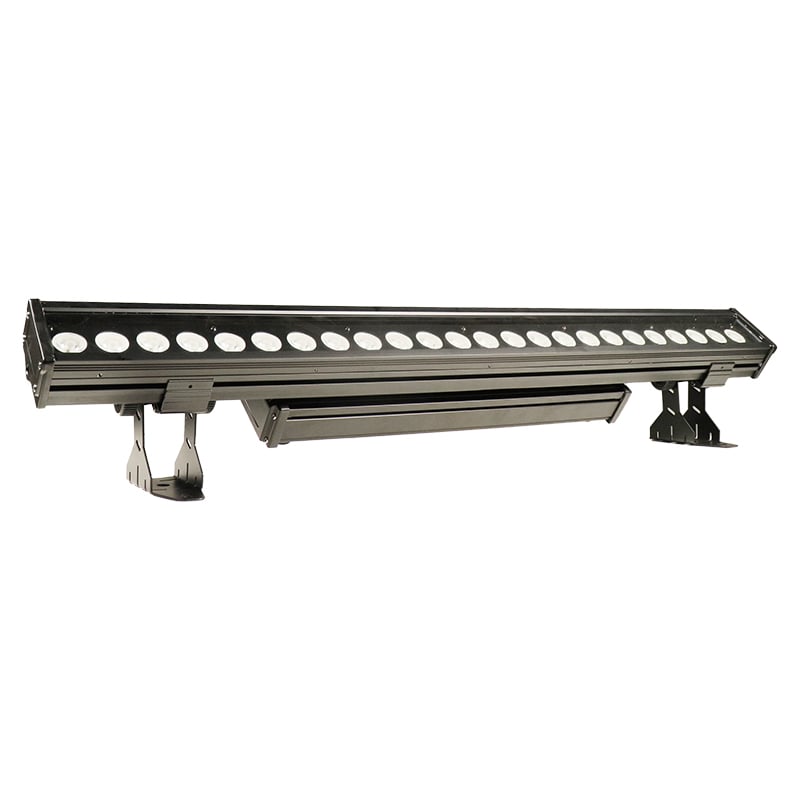
The key to achieving dynamic wall wash effects lies in understanding how LED bars interact with architectural surfaces through careful positioning, beam angle selection, and color mixing capabilities. Modern LED bar systems incorporate advanced optics and DMX control protocols that allow for seamless integration into building management systems, enabling real-time adjustment of lighting parameters to create engaging visual experiences that respond to occupancy patterns, time of day, or specific events.
Understanding Wall Wash Lighting Fundamentals
Photometric Principles Behind Effective Wall Washing
Wall wash lighting requires precise understanding of photometric distribution patterns to achieve uniform illumination without creating unwanted hotspots or dark zones. LED bars excel in this application because their linear form factor naturally distributes light across extended surfaces while maintaining consistent luminous intensity throughout the entire beam spread.
The photometric performance of LED bars depends on several critical factors including mounting distance from the wall surface, beam angle characteristics, and the reflectance properties of the target surface. Professional lighting designers calculate these parameters using industry-standard formulas that account for inverse square law principles and cosine distribution effects to ensure optimal light distribution patterns.
Modern LED bars incorporate specialized optical systems that modify the natural Lambertian distribution of individual LED chips to create asymmetric beam patterns specifically optimized for wall washing applications. These engineered optics typically produce beam angles ranging from 15 to 60 degrees, allowing designers to select the appropriate distribution for specific mounting conditions and desired visual outcomes.
Color Temperature Control and Visual Impact
Dynamic wall wash effects rely heavily on the ability to manipulate color temperature across broad ranges while maintaining high color rendering index values. LED bars equipped with tunable white technology enable seamless transitions between warm and cool color temperatures, creating temporal lighting experiences that enhance occupant circadian rhythms and emotional responses to architectural spaces.
The psychological impact of color temperature variation in wall washing applications cannot be overstated. Research demonstrates that cooler color temperatures above 4000K create impressions of alertness and productivity, while warmer temperatures below 3000K promote relaxation and comfort. LED bars facilitate smooth transitions between these states through sophisticated dimming and color mixing protocols.
Advanced LED bar systems incorporate individual control channels for different phosphor combinations, enabling precise color temperature adjustment with minimal shift in overall luminous output. This capability allows lighting designers to maintain consistent illumination levels while dramatically altering the visual character of illuminated wall surfaces throughout different periods of building operation.
Technical Implementation Strategies
Mounting Configuration and Spatial Relationships
Proper mounting configuration represents the foundation of successful wall wash implementations using LED bars. The relationship between fixture placement, mounting angle, and target surface distance determines both the uniformity and visual quality of the resulting illumination pattern. Industry best practices recommend mounting LED bars at distances equivalent to one-third to one-half of the wall height to achieve optimal light distribution characteristics.
Grazing angle installations produce dramatically different visual effects compared to perpendicular mounting configurations. When LED bars are positioned to graze wall surfaces at shallow angles, they emphasize texture and architectural details while creating subtle shadow patterns that add visual depth and interest to otherwise flat surfaces.
The linear nature of LED bars makes them particularly well-suited for continuous wall washing applications where seamless light distribution across extended surfaces is required. Multiple fixtures can be installed end-to-end to create uninterrupted linear lighting systems that eliminate the scalloping effects common with point source fixtures.
Control System Integration and Programming
Modern LED bars integrate seamlessly with building automation systems through standardized control protocols including DMX512, DALI, and IP-based networking solutions. These communication standards enable sophisticated programming capabilities that transform static wall washing installations into dynamic lighting experiences responsive to occupancy sensors, time clocks, and external environmental conditions.
Programming dynamic wall wash effects requires careful consideration of transition timing, intensity curves, and color mixing algorithms to avoid jarring visual changes that can negatively impact occupant comfort. Professional lighting control systems provide tools for creating smooth transitions with customizable fade rates and intermediate steps that maintain visual continuity throughout lighting scene changes.
Advanced control implementations incorporate feedback systems that monitor ambient light conditions and automatically adjust LED bar output to maintain consistent visual appearance despite changing daylight conditions. These adaptive systems ensure that wall wash effects remain visually prominent and effective throughout all periods of building operation.
Design Considerations for Optimal Results
Surface Material Properties and Light Interaction
The selection and preparation of wall surfaces significantly influences the success of LED bar wall washing applications. Different materials exhibit varying reflectance characteristics, texture patterns, and color properties that interact with LED light output in unique ways. Understanding these interactions enables lighting designers to optimize LED bar specifications and positioning for maximum visual impact.
Smooth surfaces such as painted drywall or polished stone create uniform reflectance patterns that showcase the precision of LED bar beam distribution. These materials work well with wide beam angle configurations that emphasize overall brightness and color uniformity across large wall areas. Conversely, textured surfaces benefit from narrower beam angles that create interesting shadow patterns and highlight architectural details.
Surface color significantly affects the visual perception of wall wash lighting effects. Lighter colored surfaces maximize light reflection and create bright, energetic environments, while darker surfaces absorb more light but can produce dramatic visual contrast effects when properly illuminated with high-output LED bars.
Environmental Factors and Performance Optimization
Environmental conditions including ambient temperature, humidity levels, and air quality directly impact LED bar performance and longevity in wall washing applications. Professional installations require careful consideration of these factors during the design phase to ensure consistent performance throughout the expected service life of the lighting system.
Thermal management becomes particularly critical when LED bars are installed in confined spaces or areas with limited air circulation. Proper heat dissipation ensures that LED bars maintain optimal light output and color consistency while preventing premature degradation of electronic components. Many modern LED bars incorporate active thermal management systems that adjust output levels to prevent overheating conditions.
Dust accumulation on LED bar optics and housing surfaces can significantly reduce light output and alter beam distribution patterns over time. Regular maintenance schedules and appropriate IP ratings ensure that wall washing installations continue to perform at design specifications throughout their operational lifetime.
Advanced Techniques and Creative Applications
Layered Lighting Design Approaches
Sophisticated wall washing installations often incorporate multiple layers of LED bars operating at different intensities, color temperatures, and beam angles to create complex visual effects that cannot be achieved with single fixture configurations. These layered approaches enable lighting designers to establish visual hierarchy, emphasize specific architectural elements, and create depth perception in interior spaces.
Combining direct wall washing with indirect bounce lighting creates particularly compelling visual effects. LED bars positioned to wash walls directly can be supplemented with additional fixtures that bounce light off ceiling surfaces to provide ambient illumination that complements the primary wall washing effect. This approach reduces visual contrast and creates more comfortable viewing conditions for occupants.
Color mixing techniques using multiple LED bars with different spectral outputs enable creation of gradient effects across wall surfaces. By carefully controlling the intensity and positioning of red, green, blue, and white LED bars, designers can create seamless color transitions that change dynamically based on programming sequences or external control inputs.
Interactive and Responsive Lighting Systems
Contemporary LED bar installations increasingly incorporate sensors and interactive technologies that enable wall washing effects to respond to human presence, movement patterns, and behavioral cues. These responsive systems create engaging environments that adapt to occupancy levels and usage patterns throughout different periods of building operation.
Motion detection systems can trigger dramatic lighting changes as occupants move through spaces, creating dynamic wall wash effects that follow movement patterns or highlight specific circulation routes. These installations often incorporate LED bars with rapid response capabilities that can change intensity and color properties within milliseconds of receiving control signals.
Sound-responsive LED bar systems analyze ambient audio levels and frequencies to create wall washing effects that pulse, fade, or change color in synchronization with music or environmental sounds. These installations require specialized control systems that process audio inputs in real-time and translate them into appropriate lighting control signals for connected LED bars.
FAQ
What is the optimal mounting distance for LED bars in wall washing applications?
The optimal mounting distance for LED bars depends on the desired beam spread and wall height, but generally ranges from one-third to one-half of the wall height. For a 10-foot wall, mounting LED bars 3-5 feet away typically provides excellent uniformity. This distance allows the beam to spread properly while maintaining sufficient intensity for effective illumination. Closer mounting may create hotspots, while greater distances can reduce light intensity below acceptable levels.
How do LED bars compare to traditional wall washing fixtures in terms of energy efficiency?
LED bars typically consume 60-80% less energy than traditional halogen or metal halide wall washing fixtures while providing equivalent or superior light output. Modern LED bars achieve luminous efficacies of 120-150 lumens per watt compared to 15-25 lumens per watt for halogen systems. Additionally, LED bars generate significantly less heat, reducing cooling costs and improving occupant comfort in conditioned spaces.
Can LED bars create smooth color transitions across large wall surfaces?
Yes, LED bars excel at creating smooth color transitions when properly configured with DMX or similar control systems. Multiple LED bars can be programmed with slightly different color values to create gradual color shifts across extended wall surfaces. The key is ensuring adequate overlap between adjacent fixtures and using control systems capable of precise color mixing and timing coordination to achieve seamless transitions without visible boundaries between fixture zones.
What maintenance requirements should be considered for LED bar wall washing installations?
LED bar maintenance primarily involves periodic cleaning of optical surfaces to maintain light output and beam quality, typically required every 6-12 months depending on environmental conditions. Unlike traditional fixtures, LED bars rarely require lamp replacement during their 50,000+ hour lifespan. However, control system components may require occasional software updates or hardware replacement. Proper IP rating selection during installation minimizes moisture-related maintenance issues in humid environments.
Table of Contents
- Understanding Wall Wash Lighting Fundamentals
- Technical Implementation Strategies
- Design Considerations for Optimal Results
- Advanced Techniques and Creative Applications
-
FAQ
- What is the optimal mounting distance for LED bars in wall washing applications?
- How do LED bars compare to traditional wall washing fixtures in terms of energy efficiency?
- Can LED bars create smooth color transitions across large wall surfaces?
- What maintenance requirements should be considered for LED bar wall washing installations?