
 EN
EN


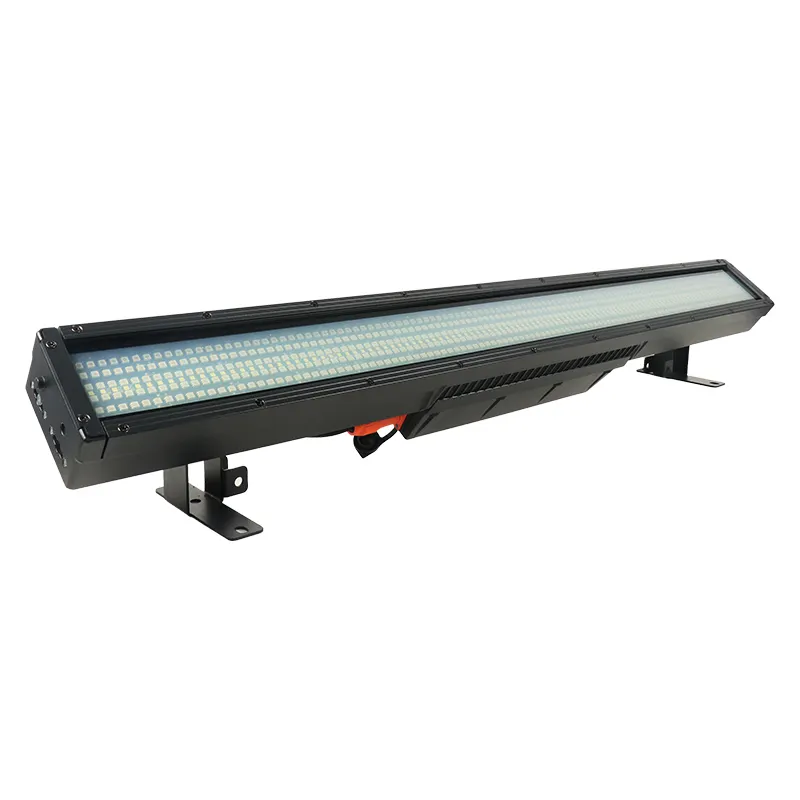
High-quality beam light fixtures are defined by optical precision, mechanical consistency, thermal stability, and control accuracy that hold up under real production pressure. In professional venues, beam light fixtures are expected to deliver the same punchy shaft, edge sharpness, and movement repeatability from the first cue to the final blackout. That standard is not created by one headline specification but by how optics, motors, electronics, and housing design perform together over time. For buyers in entertainment, rental, and architectural event markets, understanding these defining features helps separate durable beam light fixtures from units that look good on paper but fail in demanding workflows.
When the title asks what features define high-quality beam light fixtures, the practical answer is a set of measurable traits that affect beam quality, reliability, and programming efficiency. Good beam light fixtures maintain tight output, survive transport cycles, and respond cleanly to fast cue stacks without drift or stutter. They also support serviceability, because ownership cost is shaped by uptime and maintenance intervals as much as initial purchase price. The sections below break down exactly which features matter most and why those features define professional-grade beam light fixtures.
Optical Performance Features That Set the Baseline
Beam concentration and edge definition
A defining trait of high-quality beam light fixtures is concentrated beam geometry that remains coherent across throw distance. Low-quality optics often produce flare, halo spill, or uneven center intensity, which weakens aerial effects in haze-heavy scenes. Strong beam light fixtures use well-aligned lens groups and stable source positioning to keep the beam core bright and visually clean. In practical show design, this single feature determines whether the fixture reads as a crisp beam tool or a noisy hybrid with inconsistent projection.
Edge definition also matters because beam light fixtures frequently operate in synchronized arrays where visual symmetry is critical. If one unit has soft or distorted edges, the entire look appears unbalanced even when position data is correct. Quality optics reduce that variation and preserve scene cohesion in wide truss spreads. For production teams, consistent edge behavior reduces programming correction and shortens focus time during setup.
Color, gobo, and prism integrity under motion
High-quality beam light fixtures maintain optical integrity while wheels and prisms are moving at speed. Poorly engineered systems can introduce wobble, color fringing, or alignment shift during rapid effect changes, especially in aggressive cueing. Reliable beam light fixtures keep color transitions clean, gobo indexing stable, and prism engagement centered so dynamic scenes remain readable. This is essential in live environments where visual artifacts become obvious to audiences and cameras.
Another key feature is repeatable color rendering across multiple beam light fixtures in the same rig. Inconsistent filters create patchy looks that waste rehearsal time, because programmers must compensate fixture by fixture. Stable color behavior supports predictable cue building and better continuity between scenes. That predictability is one of the clearest markers of professional beam light fixtures.
Mechanical and Motion Features That Define Professional Control
Pan and tilt accuracy with repeatable positioning
Motion precision defines whether beam light fixtures can execute modern show files with confidence. High-quality units deliver smooth acceleration, controlled deceleration, and accurate stop points without overshoot. In cue-dense performances, beam light fixtures that miss positions by even small margins create visible phase errors across fixture groups. Repeatability over long runtimes is therefore a core quality feature, not a secondary convenience.
Mechanical backlash is another hidden differentiator in beam light fixtures. Excess play in movement assemblies causes subtle jitter, especially during slow sweeps and camera-facing moments. Better construction and motor control minimize this effect and preserve clean motion language. For touring and installed systems alike, that stability directly supports creative intent and operator confidence.
Speed profile balance and effect responsiveness
Not all fast fixtures are high-quality beam light fixtures, because raw speed without control often looks chaotic. Superior designs balance movement speed with smooth curve handling so both punchy hits and elegant transitions are possible. Fast wheel response, timely shutter behavior, and accurate dimming curves are part of the same quality equation. Together, these traits let beam light fixtures adapt from high-energy concerts to tightly timed theatrical sequences.
Programmers also evaluate how beam light fixtures behave under layered effects, where pan, tilt, prism, and strobe run simultaneously. Weak systems may lag commands or produce inconsistent output when channels are heavily active. Strong fixtures retain responsiveness and keep cue timing intact. That reliability is a defining feature because it protects show integrity during the most demanding moments.
Electrical and Thermal Features That Protect Long-Term Output
Driver stability and power behavior
Electrical design has a direct impact on how beam light fixtures perform over months and years. Stable drivers help maintain output consistency and reduce flicker risk under variable power conditions, which is critical for live video capture. High-quality beam light fixtures are engineered to handle routine power fluctuations without erratic resets or output collapse. This feature is especially important in temporary event environments where distribution quality can vary.
Another defining feature is predictable startup and re-strike behavior after interruption. Production teams need beam light fixtures that return to operation quickly and safely to avoid gaps in programmed looks. Electrical robustness reduces on-site troubleshooting and protects schedule reliability. In B2B operations, fewer interruptions translate directly to stronger client trust and better margin protection.
Thermal management and component lifespan
Thermal control is a major quality marker because beam light fixtures often run for extended periods at high intensity. Effective airflow paths, heat sink design, and fan logic protect optical and electronic components from accelerated wear. When thermal engineering is weak, beam light fixtures lose output stability and may develop premature failures in motors or boards. Consistent thermal behavior is therefore central to long-term fixture quality.
Noise control within cooling systems also matters in many use cases. High-quality beam light fixtures balance cooling performance with acceptable acoustic output so they can be used in mixed event formats, including corporate shows and performance spaces with quieter scenes. This balance reflects thoughtful engineering rather than spec-sheet inflation. For buyers evaluating total lifecycle value, thermal design is one of the most practical quality indicators.
Control, Build, and Service Features That Determine Ownership Value
Protocol reliability and integration readiness
Control reliability defines whether beam light fixtures integrate smoothly into existing lighting ecosystems. High-quality units respond predictably through standard control workflows and maintain channel consistency throughout production. They should also provide stable behavior when linked in larger universes, where signal timing issues can expose weak firmware. Dependable beam light fixtures reduce programming friction and make cross-show file adaptation more efficient.
In practical terms, production teams benefit from clear fixture personality structure and intuitive parameter behavior. When beam light fixtures are logically mapped, operators spend less time interpreting odd channel responses and more time shaping looks. That operational clarity is a quality feature because it improves labor efficiency and lowers training overhead. For integrators and rental houses, it also supports faster handoff between crews.
Housing durability and maintenance accessibility
A high-quality classification for beam light fixtures is incomplete without mechanical durability and service access. Touring environments expose fixtures to vibration, frequent handling, and repeated rigging cycles, so enclosure strength and internal protection are critical. Well-built beam light fixtures resist alignment drift, connector fatigue, and casing damage that can compromise performance. Durable construction helps preserve consistency across fleets and extends useful service life.
Maintenance design is equally important for ownership economics. Beam light fixtures with accessible internals, sensible component layout, and straightforward cleaning points reduce downtime during preventive service. This is where many purchasing decisions move from upfront cost to real operating value. For teams evaluating options in market context, reviewing a proven configuration such as beam light fixtures can help translate feature criteria into a concrete technical benchmark.
FAQ
What is the first feature to evaluate when comparing beam light fixtures?
Start with optical performance, especially beam concentration and edge clarity, because these directly determine visible output quality. If beam light fixtures cannot produce a clean, coherent beam, other advanced features have limited practical value. After optics, evaluate movement repeatability and thermal stability since they influence long-run consistency. This sequence gives a reliable first-pass quality screen.
Are brighter beam light fixtures always higher quality?
No, brightness alone does not define high-quality beam light fixtures. A unit can have high peak intensity but still perform poorly due to unstable color, weak motion control, or thermal drift. Quality is defined by sustained, repeatable performance under real operating conditions. Balanced engineering across optics, mechanics, and electronics matters more than one headline output figure.
How do beam light fixtures impact operational cost over time?
Beam light fixtures influence operational cost through maintenance frequency, failure rate, setup efficiency, and programming time. High-quality units usually reduce labor loss by holding alignment and responding consistently show after show. They also tend to require fewer emergency interventions during events. Over the lifecycle, reliable beam light fixtures often deliver better financial outcomes than lower-cost units with unstable performance.
What signs indicate that beam light fixtures are suitable for professional B2B use?
Look for consistent beam behavior across multiple fixtures, accurate pan and tilt repeatability, stable operation in long sessions, and practical service access. Professional beam light fixtures should integrate cleanly into production control workflows and maintain effect quality during fast cues. Durable housing and predictable thermal behavior are also strong suitability signals. When these features are present together, the fixture is generally positioned for serious B2B deployment.