
 EN
EN


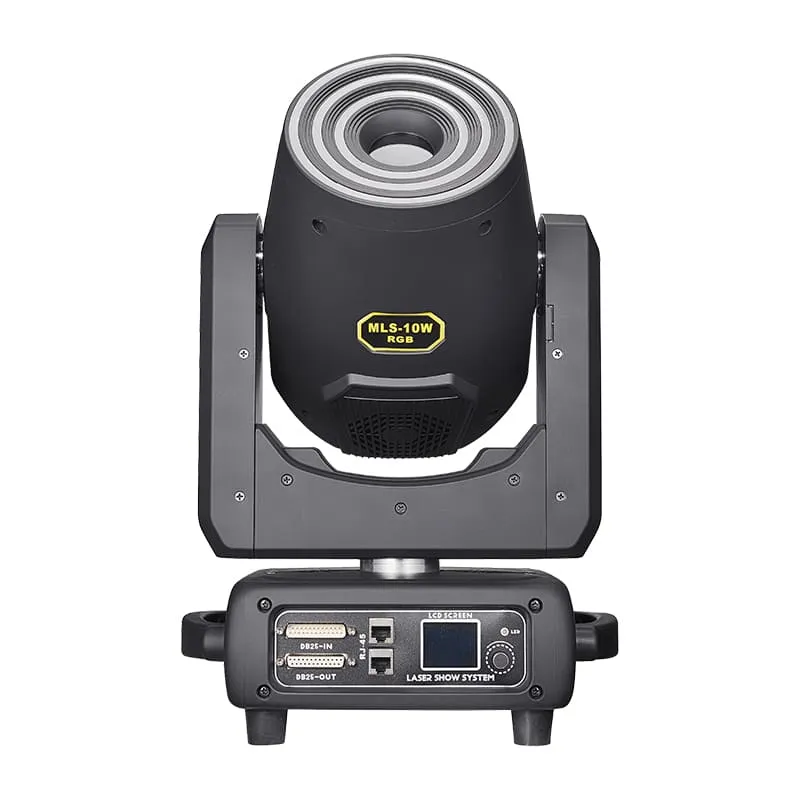
Event planners do not buy lighting for features alone. They buy outcomes: faster setup, fewer technical issues, stronger audience response, and predictable costs across many show types. In that context, the best-value beam light systems are not the cheapest fixtures or the most powerful fixtures, but the options that match venue scale, programming needs, and crew capability while maintaining consistent output over repeated events.
For most event operations, value comes from selecting beam light systems by scenario, not by spec sheet headlines. Corporate stages, weddings, touring DJ shows, and municipal festivals all place different demands on throw distance, beam sharpness, movement speed, and maintenance cycle. The right decision framework helps planners avoid overbuying, reduce rental substitutions, and build a lighting package that delivers both visual impact and dependable margins.

Defining Value in Beam Light Systems for Event Work
Total Cost Across the Event Lifecycle
When planners evaluate beam light systems, purchase price is only one cost layer. Transport, rigging time, power draw, technician labor, and failure-related disruptions often decide whether a fixture is truly economical. A system that saves one hour of programming and troubleshooting on every show can produce greater financial value than a lower-cost unit that creates repeated setup delays.
Value-focused beam light systems also support stable inventory planning. If a fixture can be used across indoor ballroom work, mid-size outdoor stages, and branded activations with only minor profile changes, utilization goes up and idle stock goes down. Higher utilization improves return on capital and reduces the need for frequent supplemental rentals.
Performance Consistency Under Real Event Conditions
Event planners need beam light systems that hold visual quality in haze variability, ambient spill, and tight show windows. Consistent beam edge, repeatable pan and tilt accuracy, and reliable dimming behavior are practical value indicators because they reduce correction work during rehearsals. In fast-paced production environments, consistency is often more important than peak output on paper.
Durability matters just as much. Beam light systems exposed to transport vibration and frequent mounting cycles should maintain alignment and smooth motor operation over time. Fewer post-transport recalibrations directly protect show timelines and protect crew focus for higher-value creative tasks.
Which Beam Light Systems Fit Different Event Scenarios
Small to Mid-Size Indoor Events
For hotel ballrooms, private celebrations, and conference sessions, compact beam light systems with balanced intensity usually provide the best value. In these settings, excessive brightness can create visual discomfort and force constant dimming adjustments, which limits usable dynamic range. A right-sized unit gives better programming flexibility and cleaner looks in photos and video capture.
Indoor planners also benefit from beam light systems that simplify positioning and cue building. Faster movement response and stable color transitions support tighter show flow, especially when one operator handles multiple fixture groups. This operational efficiency often matters more than extreme throw distance in controlled indoor spaces.
Large Venues, Outdoor Programs, and Hybrid Stages
In open-air festivals and long-throw applications, higher-output beam light systems tend to deliver stronger value because they maintain beam visibility across distance and atmospheric variance. The key is to balance brightness with power planning and rigging strategy so the system can run reliably through long show blocks without thermal stress.
Planners managing mixed-format events should prioritize beam light systems that transition well between focused aerial effects and broad stage coverage support. This adaptability allows one fixture class to serve multiple moments in the same run sheet, reducing the need for parallel fixture inventories and simplifying logistics.
Decision Criteria That Separate High-Value Options from Expensive Ones
Optical Quality, Movement Precision, and Control Integration
High-value beam light systems deliver a clean, punchy beam with predictable focus behavior through repeated cue changes. Precision in movement and repeatability in position are crucial for synchronized looks, especially in music-driven environments. Without this precision, operators spend extra time correcting offsets and rebuilding scenes during rehearsals.
Control integration is another practical filter. Beam light systems that map smoothly into existing DMX workflows and common showfile structures reduce pre-production friction. When programmers can deploy known templates quickly, planning teams save labor hours and reduce technical risk on show day.
Serviceability, Maintenance Rhythm, and Spare Strategy
The best-value beam light systems are designed for predictable maintenance. Easy cleaning access, clear status feedback, and stable internal components reduce downtime between events. For planners running dense seasonal calendars, serviceability has direct revenue impact because every unavailable fixture increases substitution costs.
A practical spare strategy strengthens value even further. Selecting beam light systems with consistent behavior across units helps crews swap fixtures quickly without extensive reprogramming. This operational resilience is often the hidden difference between profitable event execution and margin erosion caused by technical surprises.
A Practical Buying Framework for Event Planners
Match Fixture Class to Revenue Mix
Start by reviewing your last 12 months of projects and grouping events by venue scale, audience expectation, and visual complexity. The best beam light systems for your business are the ones that cover the largest share of paid use cases with minimal adaptation time. This approach prevents overspec purchases that look impressive but sit underused.
For many planners, a balanced mid-power category of beam light systems handles the broadest workload while still producing premium looks. Reserve top-tier output models for recurring large-stage demand rather than occasional one-off requirements. This allocation logic keeps capital tied to predictable revenue, not aspirational scenarios.
Validate with Pilot Runs Before Full Rollout
Before scaling inventory, test beam light systems in at least two contrasting event types, such as a corporate keynote and a music-focused night program. Evaluate setup speed, cue reliability, operator feedback, and post-show maintenance effort. Real production conditions reveal value factors that isolated demos often hide.
During pilot evaluation, compare not just visual impact but full operational performance. Many teams identify strong value in configurations built around beam light systems that combine tight beam character with manageable power and transport profiles. The right pilot evidence gives planners confidence to standardize specifications and pricing models for upcoming bids.
FAQ
What type of beam light systems usually deliver the best value for corporate events?
Corporate events usually benefit from beam light systems that prioritize controlled intensity, quiet operation, and fast programming. These environments reward consistency and polish more than extreme output. A right-sized fixture class tends to produce better audience comfort, cleaner camera results, and lower operating friction.
Are higher wattage beam light systems always better for event planners?
Higher wattage beam light systems are better only when the venue scale and throw distance require them. In smaller spaces, they can reduce flexibility and create unnecessary power and thermal demands. Value depends on fit to event conditions, not maximum power alone.
How can planners reduce risk when investing in beam light systems?
Risk is reduced by testing beam light systems across multiple event formats, documenting setup and maintenance time, and tracking how often each fixture is booked. Planners should also standardize showfile practices and spare unit policies before full deployment. This turns the investment decision into a measurable operational strategy rather than a one-time equipment purchase.
How often should beam light systems be reviewed for replacement or expansion?
Most teams should review beam light systems at regular business intervals tied to booking trends and maintenance data. If utilization remains high and service hours are stable, expansion may produce better returns than replacement. If downtime and prep labor rise, upgrading to newer beam light systems can restore efficiency and protect event delivery quality.
Table of Contents
- Defining Value in Beam Light Systems for Event Work
- Which Beam Light Systems Fit Different Event Scenarios
- Decision Criteria That Separate High-Value Options from Expensive Ones
- A Practical Buying Framework for Event Planners
-
FAQ
- What type of beam light systems usually deliver the best value for corporate events?
- Are higher wattage beam light systems always better for event planners?
- How can planners reduce risk when investing in beam light systems?
- How often should beam light systems be reviewed for replacement or expansion?