
 EN
EN


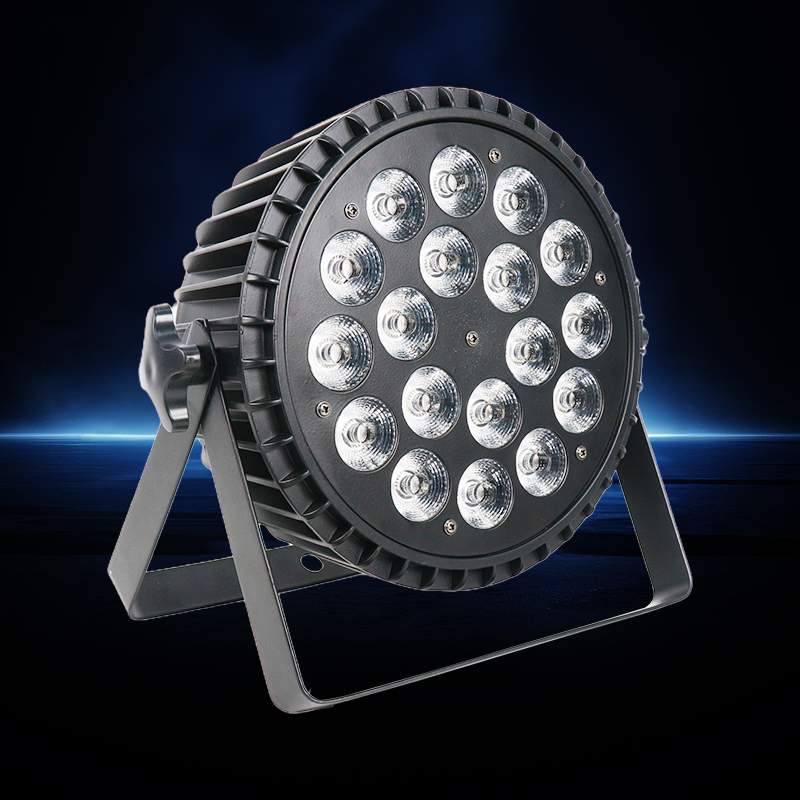
Nightclub branding is no longer defined only by logo design, music policy, or drink menu. In competitive nightlife markets, guests remember sensory identity first, and disco lights are one of the strongest signals that shape that memory. The color language, motion rhythm, and beam texture created by disco lights influence how people describe a venue to friends and how often they return. For operators trying to stand out, disco lights function as a brand asset, not just a technical setup.
When people ask what role disco lights play in differentiating nightclub branding, the practical answer is clear: disco lights translate abstract brand positioning into a visible experience that guests can instantly feel. A venue that wants to appear premium, underground, energetic, or immersive can express that identity through intentional disco lights choices across intensity, timing, and spatial focus. This is why disco lights are central to brand differentiation, audience fit, and long-term market recall in nightlife operations.
Brand Identity Becomes Visible Through Lighting Language
Visual signatures turn a venue into a recognizable brand
Strong nightclub brands create signatures that can be recognized without reading a name. Disco lights make that possible through repeated visual patterns such as dominant color families, transition speed, and beam geometry. Guests may not know the technical terms, but they recognize the feeling and identify the space quickly on social media clips. Over time, consistent disco lights programming becomes a shorthand for the venue itself.
This visual signature matters because nightlife purchasing decisions are emotional and social. People choose where to spend based on expected atmosphere, and disco lights communicate that atmosphere before the first track drop. If the lighting language is inconsistent, the brand feels fragmented. If disco lights are intentionally structured, the brand feels designed, confident, and memorable.
Positioning strategy is reinforced by scene design
A club positioned around high-energy dance culture uses disco lights differently from a club positioned around immersive mood and selective crowd curation. Fast chases, hard contrasts, and punchy strobe moments can signal intensity, while slower fades and layered wash tones can signal sophistication. In both cases, disco lights are not decoration; they are positioning tools. They align audience expectation with the actual experience on the floor.
When managers define positioning first and map disco lights behavior to that positioning, brand drift is reduced. Promoter events, guest DJs, and seasonal campaigns can still vary creatively while staying inside a controlled identity system. This improves consistency across nights and keeps brand perception stable. In branding terms, disco lights act as a governance mechanism for atmosphere.
Guest Perception and Memory Are Shaped in Real Time
First impressions are formed in the first minutes
Guests form judgments almost immediately after entry, and disco lights heavily influence that early judgment. Entry corridor glow, booth focus points, and dancefloor reveal sequences set expectations for quality and mood. If disco lights are flat or generic, guests perceive the venue as interchangeable with many others. If disco lights create a clear emotional arc, guests perceive intention and value.
Because nightlife is experience-led, first impression quality impacts dwell time and spending behavior. A cohesive lighting arrival can make guests settle in faster and engage earlier with the venue environment. Operators often invest in décor upgrades while underestimating how much disco lights can reshape perception at lower structural cost. Branding outcomes improve when disco lights are treated as front-end experience architecture.
Memory retention drives repeat visits and word of mouth
Nightclub branding succeeds when guests can clearly recall and describe what was unique. Disco lights help encode those memories by pairing emotional peaks with visual moments, such as chorus drops, dancer highlights, or synchronized room sweeps. These moments become stories guests share later, which extends brand visibility organically. Distinct disco lights scenes are therefore linked to referral behavior.
Repeat attendance is also connected to anticipation of that visual experience. Guests return not only for music but for the full sensory identity they expect to relive. When disco lights are managed with planned progression across the night, the brand feels dynamic rather than repetitive. That balance between familiarity and variation is one of the strongest differentiators in mature nightlife markets.
Content, Social Reach, and Digital Branding Depend on Lighting Quality
Camera-facing environments amplify brand reach
A major portion of nightclub marketing now happens through guest-generated video. Disco lights determine whether that content appears cinematic, chaotic, dull, or premium once captured on phones. Balanced intensity, intentional color contrast, and well-timed movement make clips more shareable and visually consistent with brand identity. In practical terms, disco lights influence how far the brand travels online after each event.
Digital discoverability also improves when a venue has recognizable visual texture in short-form media. When multiple clips from different guests carry a similar lighting signature, viewers can identify the venue faster. This consistency supports organic brand recall without adding paid media spend. For growth-focused operators, disco lights are part of the content strategy, not only stage hardware.
Technical consistency protects brand image across events
Different DJs and promoters can create large variation in atmosphere, which can weaken brand perception when uncontrolled. A baseline disco lights framework preserves visual standards regardless of event theme. Scene templates, color rules, and intensity ceilings keep the venue recognizable while still allowing creative freedom. This prevents brand dilution on high-traffic nights.
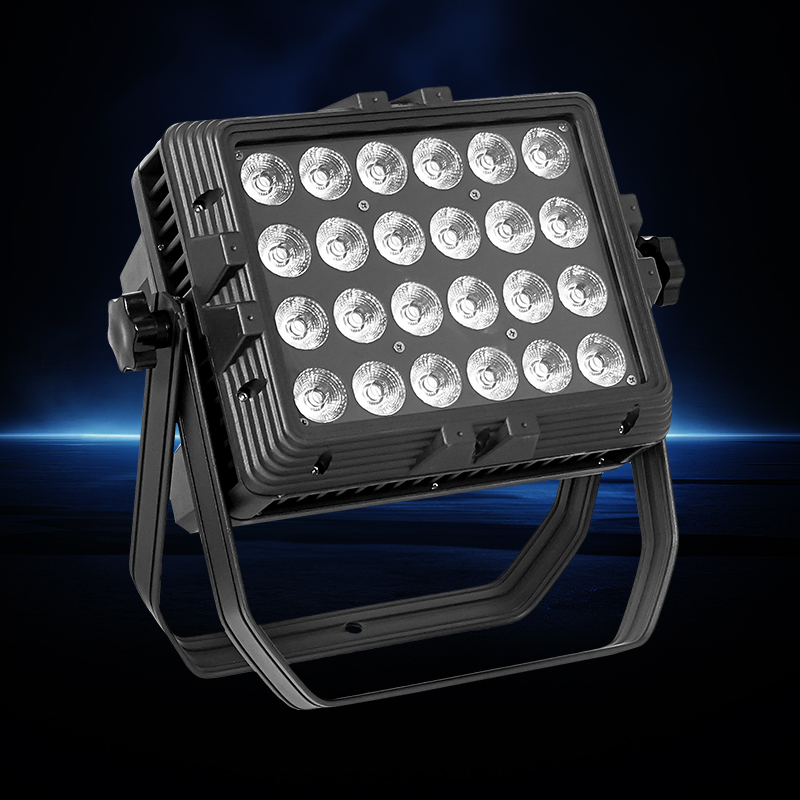
Equipment choices matter here because inconsistent output undermines consistent identity. Using reliable fixtures for core coverage helps maintain predictable results across peak operating hours. Many venues evaluate durable options such as disco lights that support stable color rendering and flexible programming in demanding conditions. Technical stability is branding stability when every night becomes public content.
Commercial Impact and Strategic Differentiation in Competitive Markets
Pricing power is linked to perceived experience depth
Nightclubs with stronger brand differentiation typically defend pricing more effectively. Disco lights contribute directly to that differentiation by signaling production value and emotional intensity that guests can feel immediately. When the visual environment appears curated, customers are more likely to accept premium entry or table pricing. In that way, disco lights support revenue strategy as much as aesthetic strategy.
This is especially important in markets where music lineups overlap and beverage offerings are similar. Operators cannot rely on product sameness to stand out, so experiential distinction becomes decisive. Disco lights help create that distinction night after night without requiring a full venue redesign. The return is seen in brand equity, not just in visual appeal.
Operational discipline turns lighting into a long-term brand asset
The differentiating power of disco lights depends on process, not one-time installation. Teams need documented show flows, staff training, and periodic calibration so visual identity remains intentional. Without operational discipline, even high-quality disco lights can produce inconsistent outcomes that confuse guests. Branding impact comes from repeatable execution across ordinary nights, special events, and seasonal campaigns.
A practical framework includes brand-defined lighting moods, time-block programming, and maintenance intervals tied to usage intensity. This approach treats disco lights as part of brand operations, similar to sound standards or service protocols. Over time, disciplined execution builds a distinctive market position that competitors struggle to copy quickly. In branding terms, disco lights become both creative expression and operational advantage.
FAQ
Can disco lights alone differentiate a nightclub brand?
Disco lights are not the only factor, but they are one of the most visible and immediate differentiation tools. Branding is strongest when disco lights align with music direction, crowd strategy, interior layout, and service tone. When these elements are aligned, disco lights accelerate recognition and memory. When they are disconnected, branding feels inconsistent even with good equipment.
How often should lighting scenes be updated without losing brand consistency?
A stable core lighting identity should remain constant while selected scenes are refreshed based on programming cycles. Many venues update thematic looks monthly or by campaign while preserving signature colors and motion logic. This keeps disco lights fresh for repeat guests but still recognizable in social content. Controlled evolution is better than constant reinvention.
Do smaller venues get the same branding benefit from disco lights as large clubs?
Yes, smaller venues can gain strong branding value from disco lights because differentiation depends on coherence, not scale alone. In compact rooms, precise beam placement and color discipline often produce an even stronger identity effect. Guests tend to notice consistency quickly in intimate spaces. Well-planned disco lights can therefore create premium perception even with limited square footage.
What is the biggest mistake venues make with disco lights and branding?
The most common mistake is treating disco lights as isolated effects rather than part of brand strategy. Random presets, inconsistent operation, and uncontrolled intensity shifts weaken brand clarity over time. Venues that define a visual identity framework and enforce execution standards gain better market recall. The key is to run disco lights with branding intent, not only technical convenience.