
 EN
EN


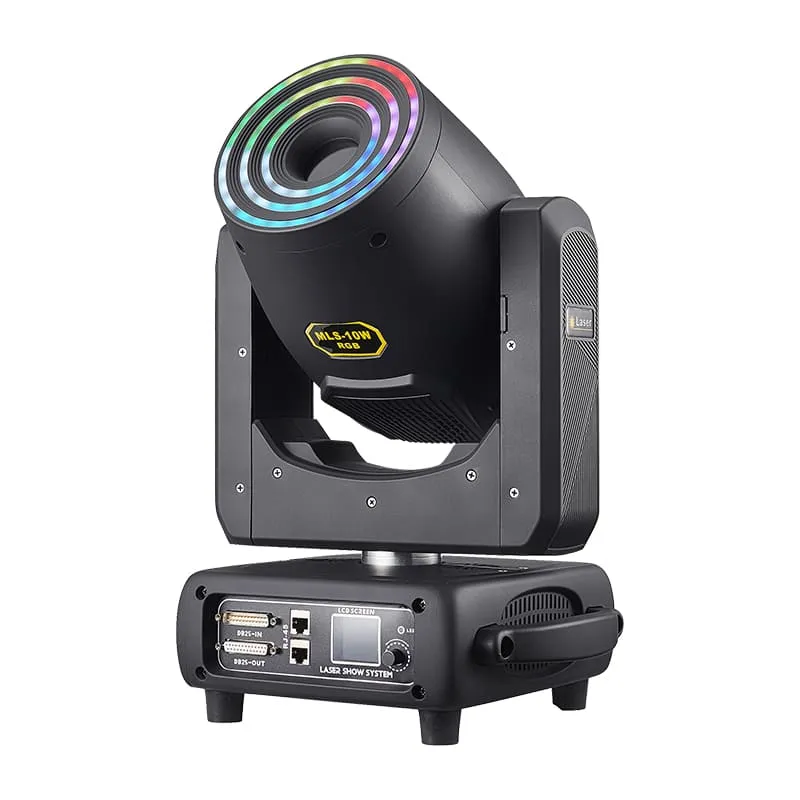
Event planners often ask why some dance floors feel instantly magnetic while others struggle to hold attention, even with good music and a capable DJ. The answer usually starts with disco lights, because visual rhythm shapes how guests interpret sound, space, and social confidence. In practical terms, disco lights turn passive attendees into active participants by making movement feel invited, visible, and shared. When people can see energy around them, they are far more likely to step in, stay longer, and raise the emotional tempo of the room.
To understand how disco lights enhance dance floor energy at events, it helps to view lighting as a behavioral tool rather than decoration. Well-designed disco lights influence perception, timing, emotional buildup, and crowd interaction in measurable ways. They can guide where guests gather, when they engage, and how intensely they respond to musical peaks. For B2B event teams, this is not an aesthetic extra but an operational lever that directly affects guest experience outcomes.
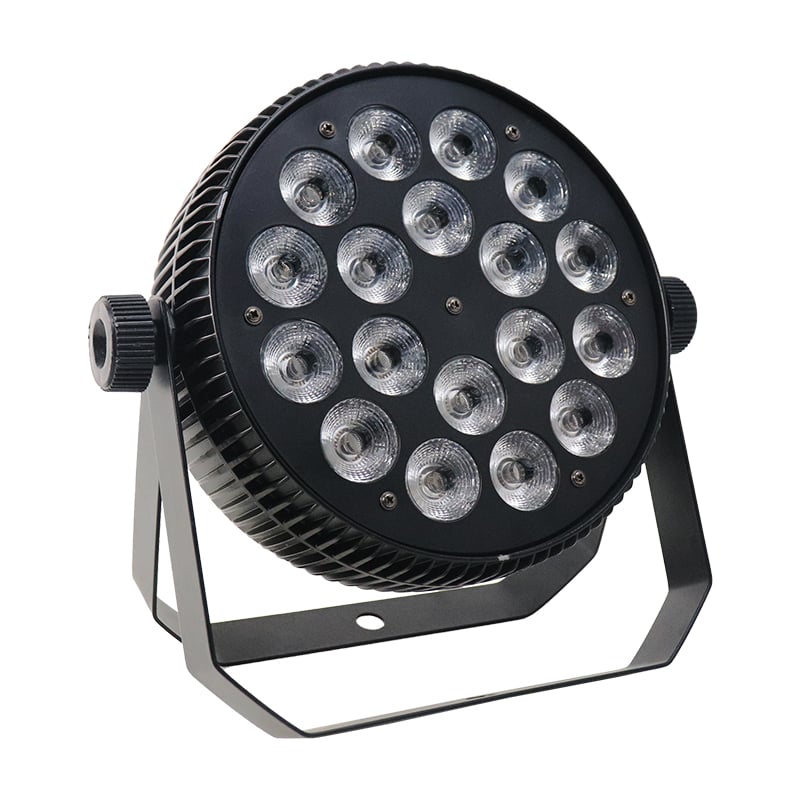
Visual Stimulation Converts Music Into Physical Response
Sensory synchronization increases movement confidence
Music alone can inspire movement, but disco lights make beats easier to feel in the body by giving rhythm a visible form. When light pulses align with tempo, guests receive synchronized audio and visual cues that reduce hesitation. This matters in mixed crowds where many attendees are not natural dancers. Disco lights provide social permission by signaling that movement is expected and welcomed.
From a production perspective, disco lights create a bridge between technical output and human reaction. Instead of hearing energy, guests see it and react faster, especially during transitions, drops, and chorus moments. This multisensory pairing raises dance floor activation earlier in the event cycle. As a result, planners can shorten the warm-up period and sustain momentum with less verbal prompting.
Dynamic contrast keeps attention from fading
Flat lighting conditions lead to visual fatigue, which often causes guests to drift away from the dance zone. Disco lights solve this by introducing movement, color shifts, and intensity variation that reset attention every few seconds. That renewal effect helps maintain psychological freshness even during long sets. In crowded venues, sustained visual novelty is essential for holding engagement.
The strongest dance floors use disco lights in layers rather than constant maximum output. Subtle transitions between saturated color, strobe accents, and soft washes prevent monotony while avoiding overstimulation. This balance keeps the environment exciting without becoming chaotic. When planners sequence disco lights with intent, they create an atmosphere where guests keep returning to the floor instead of circulating elsewhere.
Spatial Design and Crowd Flow Improve Dance Floor Density
Lighting zones guide where guests gather
One reason disco lights are effective is their ability to define functional space without physical barriers. Focused beams and color concentration can mark the dance area more clearly than signage or announcements. Guests naturally move toward brighter, more dynamic zones because those zones signal activity and social relevance. In venue layouts with competing attractions, disco lights help protect the dance floor as a priority destination.
For corporate events, weddings, and private functions, planners can use disco lights to stage crowd migration across the night. Early lighting can be wider and softer to invite broad participation, then narrow and intensify as the floor fills. This progression avoids an empty-center look and builds density gradually. Effective disco lights therefore support both visual impact and logistical flow control.
Perceived safety and comfort affect participation
Guests dance more freely when they feel socially covered, and disco lights contribute to that comfort by reducing harsh exposure. A carefully lit floor allows people to be seen as part of a group rather than singled out under static overhead light. This lowers self-consciousness, especially for attendees who are undecided about joining. In practical terms, disco lights reduce the psychological threshold for participation.
At the same time, professional disco lights should preserve orientation and visibility so movement remains safe. Balanced brightness, clear edge definition, and controlled effects help guests navigate while dancing. Event teams that calibrate disco lights for both atmosphere and mobility usually see better retention on the floor. Energy rises when people feel both excited and secure in the environment.
Emotional Pacing Drives Peaks, Not Just Constant Intensity
Color psychology shapes collective mood
Different color families in disco lights influence crowd emotion in distinct ways, and strategic shifts can steer the room through phases. Warm tones often support celebration and openness, while cooler tones can reset focus between high-energy moments. Alternating these states prevents emotional flattening across the event timeline. With intentional programming, disco lights become a pacing language that matches mood to music.
This emotional steering is especially important in B2B events where audiences may begin in networking mode rather than party mode. Disco lights can gradually transition perception from formal to expressive without abrupt change. As confidence builds, attendees respond more visibly to musical cues and each other. Strong energy on the floor is usually the result of this guided escalation, not random stimulation.
Peak moments become memorable social anchors
High-impact event memories are typically tied to timed peaks, and disco lights are central to creating those peaks. When lighting accents hit key songs or coordinated transitions, guests experience a shared emotional lift that feels bigger than the track alone. These moments become social anchors that attendees talk about afterward. Consistent use of disco lights in peak design increases perceived event quality.
Teams looking to strengthen this effect often choose flexible fixtures such as disco lights that allow precise color mixing and intensity control. Technical flexibility matters because peak moments rely on timing accuracy, not just brightness. When operators can shape scenes quickly, they can match crowd response in real time. That responsiveness keeps dance floor energy high without feeling repetitive.
Operational Execution Determines Real Energy Outcomes
Programming strategy outperforms random effects
Even advanced disco lights underperform when used without a sequencing plan. Effective operators build scene libraries for opening, build-up, peak, and cool-down phases so the dance floor has a clear narrative arc. This structure supports DJs and MCs by aligning visual language with program flow. In event operations, disco lights deliver maximum value when they are integrated into the run-of-show.
Programming also improves consistency across venue types and audience profiles. Instead of improvising every transition, teams can apply tested disco lights scenes and adjust based on live response. That approach reduces technical risk while preserving creative adaptability. For multi-event organizations, standardized disco lights workflows make performance more repeatable and scalable.
Measurement and iteration strengthen future events
To evaluate how disco lights enhanced energy, planners can review practical indicators such as time-to-first-dance, average floor occupancy, and duration of peak participation windows. These metrics reveal whether lighting choices supported or delayed engagement. Over several events, patterns emerge that guide better programming decisions. Disco lights become easier to optimize when teams treat them as measurable performance assets.
Post-event debriefs should connect guest feedback with specific disco lights scenes, transitions, and brightness levels. This creates a learning loop where technical choices are linked to audience behavior rather than personal preference. Continuous refinement leads to stronger activation, better retention, and more memorable peaks. In competitive event environments, disciplined use of disco lights is a direct path to higher experience quality.
FAQ
Do disco lights only matter for nightlife-style events?
No. Disco lights are effective in corporate celebrations, product launches, association gatherings, and private events because they influence participation behavior, not just party aesthetics. When programmed with appropriate pacing and color balance, disco lights can feel polished and brand-aligned while still energizing the floor.
Can disco lights increase dance floor energy with mixed-age audiences?
Yes. Mixed audiences often respond well when disco lights start with moderate movement and softer intensity, then build gradually. This progression helps cautious guests join early and prevents visual overload, allowing disco lights to support inclusive participation across comfort levels.
What is the biggest mistake when using disco lights at events?
The most common issue is running disco lights at one intensity level for too long. Constant output removes contrast, reduces emotional pacing, and can cause attention fatigue. Better results come from scene variation that follows music structure and crowd behavior throughout the event.
How many disco lights are needed for strong dance floor impact?
The right quantity depends on floor size, ceiling height, and desired effect depth, but placement and programming usually matter more than fixture count alone. A smaller, well-planned disco lights setup can outperform a larger unmanaged rig because timing, zoning, and contrast drive energy outcomes.