
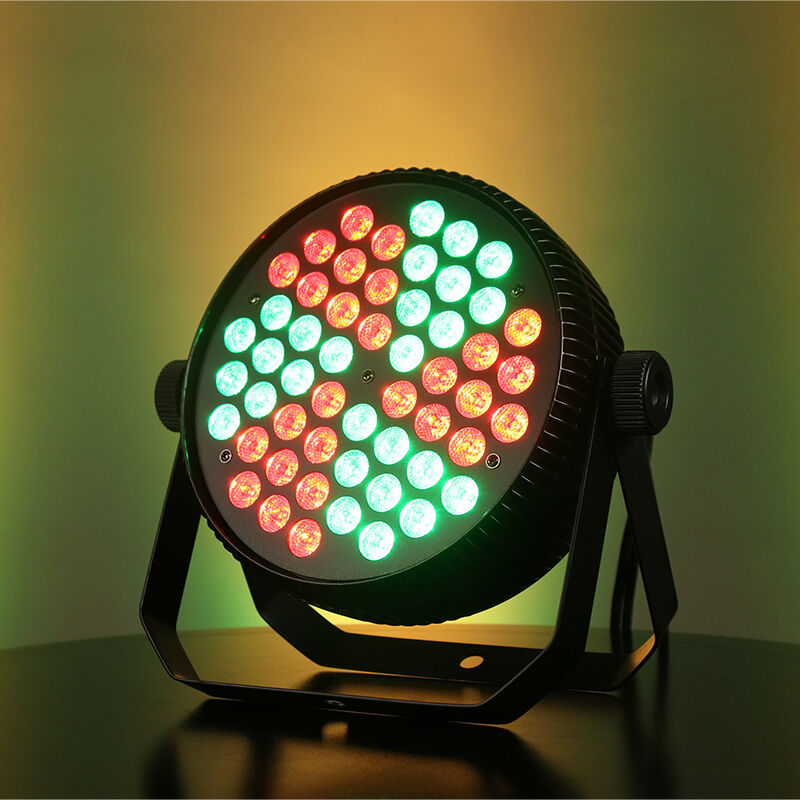
Professional event lighting has evolved dramatically in recent years, with beam light systems emerging as the cornerstone of dynamic entertainment experiences. These powerful lighting solutions deliver focused, intense beams that cut through ambient lighting to create stunning visual effects across venues of all sizes. From corporate conferences to large-scale concerts, beam light systems provide the precision and versatility that lighting designers demand for creating memorable atmospheres. The technology behind these systems combines advanced optics, powerful lamp sources, and sophisticated control mechanisms to produce the sharp, defined beams that have become synonymous with professional productions.
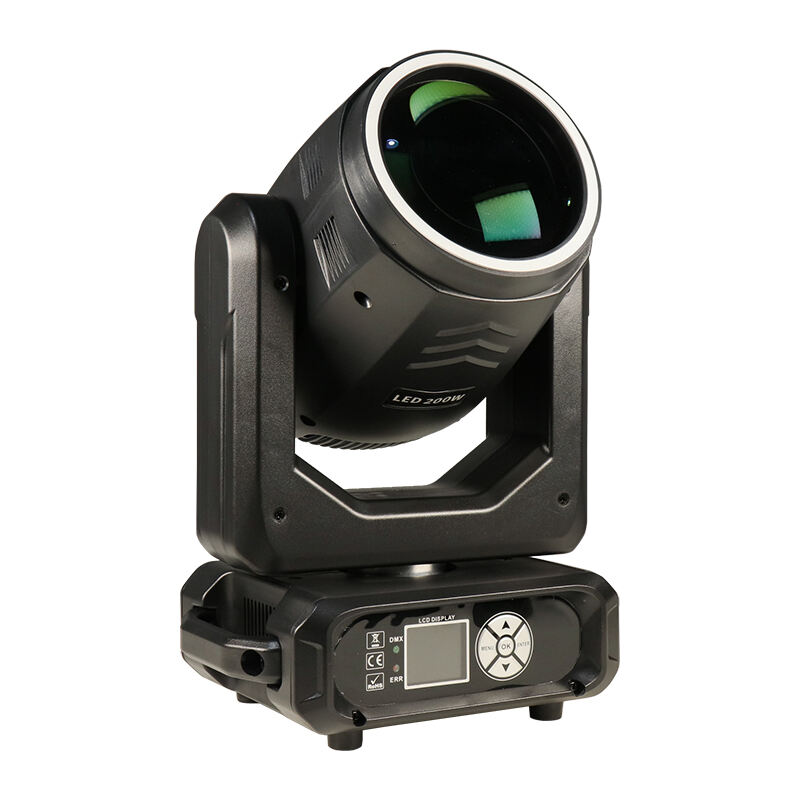
Understanding Beam Light Technology and Core Components
Optical System Design and Light Source Integration
The optical system forms the heart of any effective beam lighting solution, determining both the quality and characteristics of the output. High-quality beam lights incorporate precision-engineered reflectors, specialized lenses, and advanced dichroic filters to achieve the tight beam angles that define their performance. The light source, whether LED, halogen, or discharge-based, must deliver sufficient intensity while maintaining color accuracy and stability throughout extended operation periods. Modern systems often feature sophisticated cooling mechanisms that ensure consistent performance even during demanding production schedules.
Advanced optical designs utilize multiple lens elements and precision-ground reflectors to minimize light loss while maximizing beam intensity. The integration of these components requires careful engineering to balance factors such as beam angle, edge definition, and color mixing capabilities. Professional-grade systems incorporate anti-reflective coatings and specialized glass formulations that enhance light transmission while reducing unwanted artifacts. These technical considerations directly impact the system's ability to deliver the crisp, well-defined beams that distinguish professional installations from amateur setups.
Control Systems and Programming Capabilities
Contemporary beam light systems integrate sophisticated control interfaces that enable precise manipulation of every aspect of the lighting performance. DMX512 protocols provide the industry-standard communication framework, allowing lighting designers to coordinate multiple fixtures with frame-accurate timing. Advanced systems support extended channel counts, enabling control over parameters such as pan, tilt, color mixing, gobo selection, prism effects, and beam focus adjustments. The programming flexibility offered by these systems allows for complex sequences and dynamic effects that respond to music, environmental conditions, or preset timing schedules.
Professional control software packages provide intuitive interfaces for managing complex lighting installations, offering features such as 3D visualization, automated fixture patching, and comprehensive effect libraries. These tools streamline the design process while providing real-time feedback during programming sessions. Many systems now incorporate wireless control capabilities and smartphone app integration, allowing technicians to make adjustments from any position within the venue. This level of control accessibility proves particularly valuable during setup and focusing procedures in challenging installation environments.
Applications Across Different Event Categories
Corporate and Business Event Integration
Corporate events require lighting solutions that enhance professional presentations while creating engaging atmospheres for networking and brand experiences. Beam light systems excel in these environments by providing focused illumination for speakers and presenters while offering dynamic effects during transitions and entertainment segments. The precision control available with modern systems allows lighting designers to create sophisticated looks that align with corporate branding guidelines and messaging objectives. Color-changing capabilities enable seamless integration with brand colors and theme requirements throughout the event duration.
Business conferences and product launches benefit from the versatility that beam lighting provides in highlighting key presentation areas while maintaining appropriate ambient levels for note-taking and networking activities. The ability to quickly adjust beam angles and intensities allows for rapid reconfiguration between different event segments without requiring physical fixture adjustments. This operational flexibility proves invaluable for events with multiple presentation formats and varying spatial requirements throughout the program schedule.
Entertainment and Concert Applications
Live music performances and entertainment events represent the most demanding applications for professional beam lighting systems, requiring equipment that can deliver spectacular visual effects while maintaining reliability under extreme operating conditions. Concert lighting designers rely on the intense output and sharp beam definition to create dramatic aerial effects that complement musical performances and enhance audience engagement. The rapid movement capabilities of modern beam lights enable synchronized effects that follow musical beats and dynamic changes in tempo and intensity.
Theater and performance venues utilize beam lighting to create atmospheric effects that support storytelling and mood development throughout productions. The precise control available allows lighting designers to paint specific areas of the stage while maintaining appropriate contrast levels for audience visibility. Color mixing capabilities provide unlimited palette options for matching scenic designs and costume choices, while gobo projection features enable the creation of textured lighting effects that enhance the overall visual narrative.
Technical Specifications and Performance Characteristics
Power Requirements and Efficiency Considerations
Professional beam light systems require careful consideration of power consumption patterns and electrical infrastructure requirements to ensure reliable operation throughout event durations. Modern LED-based systems offer significant advantages in power efficiency compared to traditional discharge lamp technologies, reducing both operating costs and heat generation concerns. The power factor correction circuits incorporated in quality systems minimize electrical line interference while maximizing power utilization efficiency. These technical improvements translate directly into reduced infrastructure requirements and improved operational reliability.
Thermal management systems play crucial roles in maintaining consistent performance characteristics while protecting sensitive electronic components from heat-related failures. Advanced cooling designs incorporate temperature monitoring and automatic adjustment features that optimize performance while preventing overheating conditions. The integration of intelligent power management systems allows for automatic adjustment of output levels based on ambient conditions and operational requirements, extending equipment lifespan while maintaining performance standards.
Beam Characteristics and Output Specifications
The fundamental performance characteristics of beam light systems center around their ability to produce intense, well-defined light beams with minimal scatter and maximum throw distances. Beam angle specifications typically range from extremely narrow pencil beams of 2-4 degrees to wider coverage angles up to 15-20 degrees, providing flexibility for different application requirements. The beam quality depends heavily on the optical system design and manufacturing precision, with professional systems delivering uniform intensity distribution across the entire beam profile without significant hot spots or edge irregularities.
Color rendering capabilities have become increasingly important as LED technology has advanced, with high-quality systems achieving color rendering index values above 90 for accurate color reproduction. The color temperature range and mixing capabilities determine the system's versatility in matching other lighting elements and creating desired atmospheric effects. Advanced systems provide smooth color transitions and precise color positioning that remains stable throughout the operational temperature range, ensuring consistent performance during extended operation periods.
Installation and Setup Considerations
Mounting Solutions and Structural Requirements
Proper installation of beam light systems requires careful attention to structural load calculations and mounting hardware specifications to ensure safe and secure operation. Professional installations utilize certified rigging hardware and follow established safety protocols for overhead mounting applications. The weight distribution and mounting point selection must account for both static loads and dynamic forces generated during operation, particularly for moving beam fixtures that create additional stress on mounting systems.
Venue-specific considerations include ceiling height limitations, obstruction avoidance, and accessibility requirements for maintenance and adjustment procedures. Temporary installations require portable trussing systems that provide adequate structural support while allowing for rapid setup and breakdown procedures. The integration of safety cables and redundant mounting systems ensures continued operation safety even in the event of primary mounting hardware failure, meeting professional safety standards and insurance requirements.
Cable Management and Signal Distribution
Effective cable management practices ensure reliable signal transmission while maintaining professional appearance standards and safety compliance. DMX signal distribution requires proper termination procedures and signal conditioning to prevent data corruption and communication errors. The use of professional-grade cables with appropriate impedance characteristics and shielding ensures reliable communication even in electrically noisy environments with multiple electronic devices operating simultaneously.
Power distribution planning must account for voltage drop calculations and circuit protection requirements to maintain consistent performance across all connected fixtures. The implementation of dedicated circuits for lighting systems prevents interference from other electrical loads while ensuring adequate power delivery capacity. Professional installations incorporate monitoring systems that provide real-time feedback on power consumption and system status, enabling proactive maintenance and troubleshooting procedures.
Maintenance and Operational Best Practices
Preventive Maintenance Schedules and Procedures
Regular maintenance schedules ensure optimal performance and extended service life from professional beam light systems while minimizing unexpected failures during critical events. Cleaning procedures for optical components require specialized techniques and materials to prevent damage to precision-engineered surfaces and coatings. The replacement schedules for consumable components such as lamps, filters, and mechanical wear items should be established based on manufacturer recommendations and actual usage patterns to maintain consistent performance levels.
Documentation of maintenance activities and performance characteristics provides valuable data for optimizing maintenance intervals and identifying potential issues before they impact event operations. Calibration procedures ensure that color accuracy and positioning repeatability remain within acceptable tolerances throughout the equipment lifecycle. Professional maintenance programs incorporate spare parts inventory management and technical training requirements to support efficient repair procedures and minimize downtime impacts.
Troubleshooting Common Issues and Solutions
Common operational issues with beam light systems often relate to communication problems, mechanical positioning errors, or optical performance degradation that can be addressed through systematic troubleshooting procedures. Signal integrity issues frequently result from improper termination, cable damage, or electrical interference that requires methodical isolation and correction techniques. Understanding the relationship between environmental conditions and system performance helps identify solutions for temperature-related issues and humidity concerns that affect operational reliability.
Performance optimization requires ongoing monitoring of key parameters such as lamp hours, color accuracy, and mechanical positioning repeatability to identify maintenance requirements before they impact event quality. The implementation of remote monitoring systems enables proactive identification of potential issues and scheduling of corrective actions during non-critical periods. Professional installations benefit from comprehensive documentation of system configurations and programming parameters to facilitate rapid restoration following maintenance or repair procedures.
FAQ
What factors should be considered when selecting beam light systems for different venue sizes
Venue size directly impacts the selection criteria for beam light systems, with larger spaces requiring higher output fixtures and longer throw distances to achieve desired visual impact. Ceiling height limitations affect mounting options and beam angle requirements, while acoustic considerations may influence fixture selection for noise-sensitive applications. The electrical infrastructure capacity and available circuit configurations determine the practical limits for system size and complexity, requiring careful load calculations during the planning process.
How do LED beam lights compare to traditional discharge lamp systems in terms of performance and cost
LED beam light systems offer significant advantages in power efficiency, heat generation, and maintenance requirements compared to traditional discharge lamp technologies, though initial purchase costs may be higher. The extended operational life of LED systems reduces replacement costs and maintenance downtime while providing consistent color characteristics throughout the service life. Discharge lamp systems may still offer advantages in absolute light output for very large venues, though the performance gap continues to narrow with advancing LED technology developments.
What safety considerations are most important during beam light system installation and operation
Safety considerations include proper structural analysis for mounting loads, electrical safety protocols for power distribution, and emergency access procedures for maintenance activities. Eye safety protocols must be established for direct beam exposure risks, particularly during focusing and programming activities. The implementation of fail-safe systems and redundant safety measures ensures continued operation safety even during equipment malfunctions or unexpected conditions.
How can beam light systems be integrated with other lighting and audiovisual technologies
Integration with other technologies requires compatible control protocols and synchronized timing systems to achieve seamless operation across multiple equipment categories. Modern systems support various communication standards and can interface with audio triggers, video processing equipment, and environmental sensors to create comprehensive automated experiences. The coordination of multiple technology systems requires careful planning and programming to ensure reliable operation and avoid conflicts between different control systems operating simultaneously.
Table of Contents
- Understanding Beam Light Technology and Core Components
- Applications Across Different Event Categories
- Technical Specifications and Performance Characteristics
- Installation and Setup Considerations
- Maintenance and Operational Best Practices
-
FAQ
- What factors should be considered when selecting beam light systems for different venue sizes
- How do LED beam lights compare to traditional discharge lamp systems in terms of performance and cost
- What safety considerations are most important during beam light system installation and operation
- How can beam light systems be integrated with other lighting and audiovisual technologies