
 EN
EN


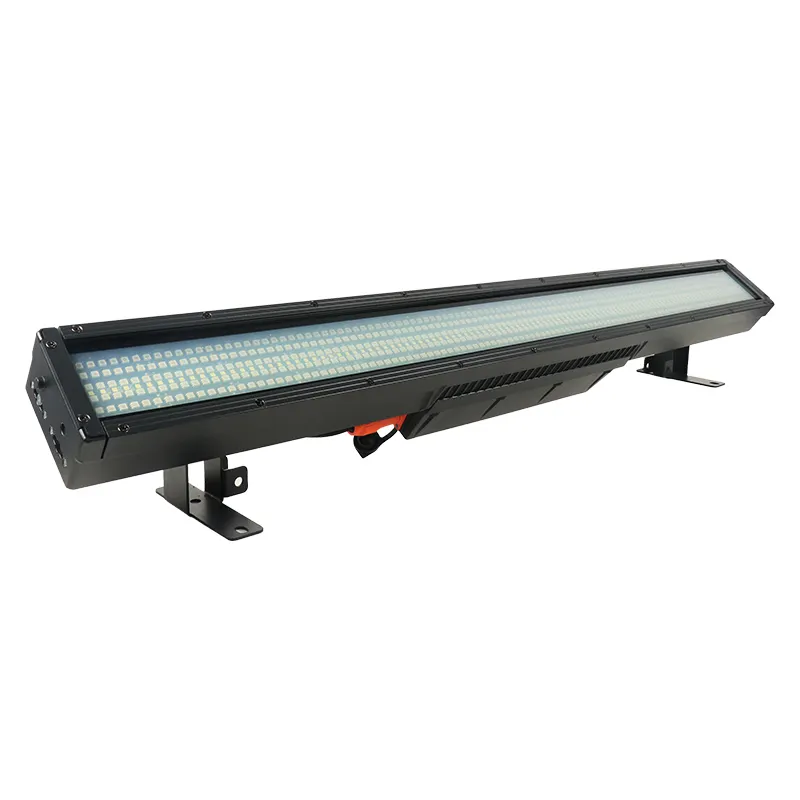
In industrial automation, the difference between a warning device that only flashes and one that truly supports plant-wide orchestration often comes down to interface design. For teams evaluating compatibility, the key issue is not brightness or enclosure rating alone, but which control strobe integration options are built into the device and how those options map to existing PLC, SCADA, and distributed I/O architectures. When engineers ask which integration path to choose, they are really asking which signal logic, protocol behavior, and wiring model will preserve reliability while reducing commissioning risk.
The most effective way to answer that question is to compare control strobe integration options by control-system fit, not by isolated product features. A strobe can be electrically robust but still cause logic bottlenecks if trigger methods, feedback channels, or segmentation control do not align with the plant standard. This guide focuses on selection logic for control strobe integration options so decision makers can match each option to operating scenarios, safety signaling priorities, and future expansion plans without overengineering the deployment.
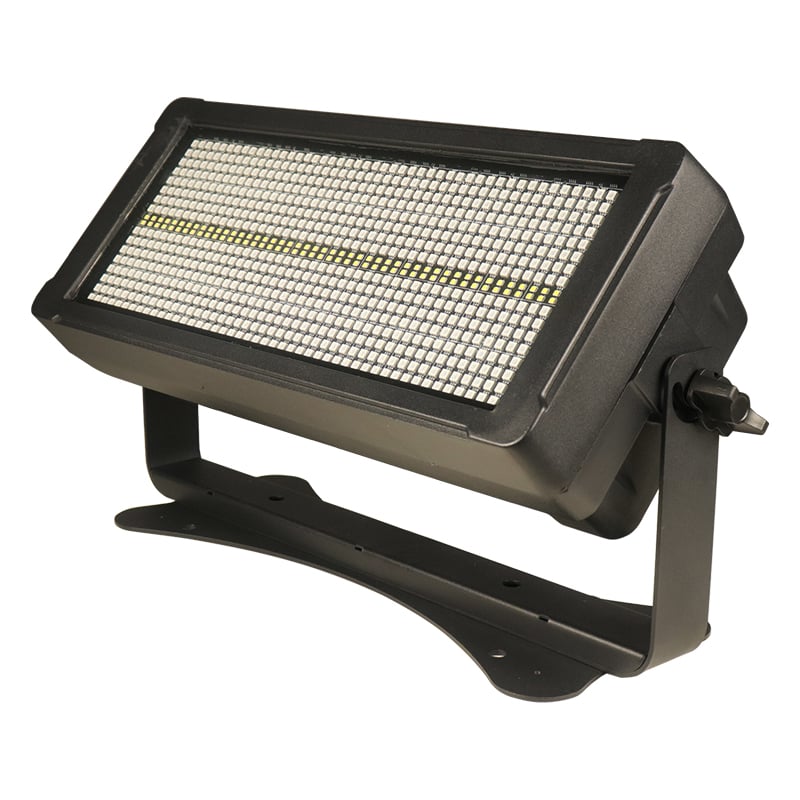
Compatibility Starts with Control Architecture Fit
Discrete I/O compatibility for deterministic signaling
In facilities where deterministic behavior is critical, discrete input and output channels remain one of the most practical control strobe integration options. A direct digital trigger from PLC output to strobe input allows clear cause-and-effect mapping, which simplifies both FAT and SAT testing. This model is highly valued in lines where each alarm state has a defined response window and operators must interpret events quickly.
When reviewing control strobe integration options under discrete control, engineering teams should verify voltage class alignment, sink/source behavior, and common reference strategy. These details determine whether the strobe can be integrated without signal converters or relay workarounds. The best result is a clean wiring model that supports fast troubleshooting during maintenance shutdowns.
Another advantage of discrete-based control strobe integration options is lifecycle transparency. Years later, technicians can trace alarm logic from terminal block to ladder rung without protocol decoding tools. In high-mix manufacturing, this transparency protects uptime because replacement and revalidation can be completed with predictable effort.
Fieldbus and networked control alignment for distributed plants
For larger sites with distributed control assets, networked control strobe integration options can reduce panel congestion and improve diagnostic depth. Instead of assigning separate hardwired outputs for each flash pattern, control instructions can be handled through bus-level data points or gateway mappings. This is especially useful when alarm behavior changes by mode, shift, or process recipe.
Choosing among network-friendly control strobe integration options requires attention to update cycles, message priority, and fail-state behavior during communication loss. Compatibility is not only about successful communication in normal conditions, but also predictable signaling during degraded network states. Teams should validate that fault handling remains compliant with plant safety philosophy.
Where mixed architectures exist, hybrid control strobe integration options often perform best. A strobe may use local discrete fallback while still accepting supervisory commands from higher-level control. This layered approach supports resilience and keeps signaling available even when one layer is unavailable.
Signal Method Selection by Operating Scenario
Segment control for state-rich visual communication
In environments where operators need more than a simple on or off alert, segmented signaling is one of the most practical control strobe integration options. Segment-level control allows different machine states to be represented by distinct visual regions, which reduces interpretation time during transitions, material changeovers, or quality interventions. The signal becomes more informative without adding separate tower hardware.
When evaluating segmented control strobe integration options, teams should map each segment to a process state before procurement. This mapping reveals whether current PLC memory structure can support the required state matrix and whether HMI alarm pages need updates. Early mapping avoids late-stage rework and keeps commissioning on schedule.
The same principle applies when selecting control strobe integration options for multi-cell production areas. Segment logic should remain consistent across cells so operators do not relearn visual language at each station. Standardization at this stage improves response consistency and lowers training overhead.
Pulse, steady, and pattern logic for alarm hierarchy
Different event severities require different optical behavior, making flash pattern flexibility an essential part of control strobe integration options. A brief pulse may suit advisory conditions, while high-priority safety events may require distinct rapid flashing with hold logic. Compatibility depends on whether the control layer can command and maintain these patterns without custom scripting.
Engineering teams should compare control strobe integration options based on how patterns are triggered and latched. If latching is handled inside the strobe, panel logic can stay simpler; if handled in PLC, pattern governance may be easier to standardize across devices. The right choice depends on how your site manages change control and validation documentation.
Pattern-based control strobe integration options also support better incident analysis. When event classes map to recognizable visual signatures, post-event reviews can reconstruct operator context more accurately. This makes continuous improvement meetings more data-grounded and less dependent on subjective recollection.
Electrical and Environmental Integration Criteria
Power domain matching and protection strategy
No set of control strobe integration options is complete without power-domain compatibility. Input tolerance, inrush behavior, and protection design all influence whether a strobe can be deployed across panels with varying supply stability. Even with ideal control logic, poor electrical fit creates nuisance trips and inconsistent signaling.
During selection, teams should review control strobe integration options alongside existing circuit protection philosophy. Shared branch circuits, fused outputs, and distributed power modules can change start-up behavior, especially in synchronized alarm events. A careful check of these factors improves commissioning predictability and helps prevent hidden reliability gaps.
Power-aware control strobe integration options are particularly valuable in retrofits. Older cabinets may have limited spare capacity, and integration success depends on avoiding additional relays or converters. Devices that fit existing electrical constraints shorten downtime windows and reduce project risk.
Ingress protection and installation envelope alignment
Environmental demands also shape which control strobe integration options are truly usable. Washdown zones, dust-heavy packaging areas, and outdoor transfer points impose constraints that can invalidate otherwise compatible signal methods. Enclosure integrity and mounting stability should be assessed together with control interfaces, not afterward.
Teams comparing control strobe integration options should verify that connector style, cable routing, and mounting orientation preserve rated protection in real installation conditions. A technically compatible strobe can still fail early if field wiring compromises sealing or strain relief. Integration quality includes mechanical execution, not only protocol fit.
Where vibration or thermal cycling is common, control strobe integration options with straightforward maintenance access tend to perform better over time. Quick replacement without rewiring protects uptime and keeps maintenance procedures consistent across shifts.
Decision Framework for Selecting the Right Option Set
Fit matrix based on control maturity and expansion plans
A practical way to decide among control strobe integration options is to score each option against current control maturity and near-term expansion goals. Sites with stable hardwired architecture may prioritize deterministic discrete control, while sites moving to distributed diagnostics may prioritize network visibility. The right answer is scenario dependent, not universal.
This fit-matrix approach keeps control strobe integration options tied to business outcomes such as downtime reduction, faster fault response, and easier replication across lines. It also prevents over-specification, where advanced features are purchased but never mapped into plant logic. Effective selection balances present needs with realistic evolution plans.
When expansion is likely, control strobe integration options should be chosen with modularity in mind. Adding zones, stations, or alarm classes should not require complete rewiring or logic redesign. Scalable integration preserves capital efficiency and shortens the path from pilot line to full deployment.
Validation workflow before full-scale rollout
Before standardizing, run a controlled pilot that tests control strobe integration options under normal operation, fault injection, and communication interruption. A structured validation workflow confirms not only that the strobe activates, but that it behaves as intended across all alarm transitions. This phase should include operator feedback, because usability directly affects response quality.
Pilot results should be documented against acceptance criteria covering trigger latency, state accuracy, and maintenance accessibility. Comparing control strobe integration options with these criteria creates objective selection evidence and supports faster internal approval. It also improves repeatability when the same design is rolled out to additional cells.
After validation, codify the chosen control strobe integration options into panel standards, PLC templates, and maintenance SOPs. Standardization turns a successful test into a reliable plant capability. Over time, this discipline yields better alarm consistency and less commissioning variability across projects.
FAQ
Which control strobe integration options are best for legacy PLC environments?
For legacy PLC environments, discrete I/O based control strobe integration options are usually the most practical because they match existing wiring practices and simplify troubleshooting. They reduce the need for gateways and minimize software dependencies. Compatibility checks should focus on voltage levels, trigger logic, and fail-safe behavior.
Can segmented signaling improve operator response time in complex lines?
Yes, segmented signaling can improve response speed when segment meanings are standardized and tied to clear process states. Among control strobe integration options, segment control provides richer visual context without expanding hardware count. The benefit is strongest when PLC state mapping and operator training are implemented together.
How do I evaluate networked control strobe integration options without overengineering?
Start with required alarm behaviors, then confirm whether those behaviors need network-level control or can be handled by discrete logic. Evaluate only the control strobe integration options that satisfy your required diagnostics, latency, and fallback needs. This requirement-first method prevents paying for features that do not improve plant outcomes.
What is the key risk when choosing control strobe integration options during retrofit projects?
The key risk is selecting options that conflict with existing power distribution and panel constraints, leading to hidden rework. In retrofits, control strobe integration options should be screened for electrical fit, mounting practicality, and maintenance workflow before final selection. Early field verification reduces schedule disruption and improves long-term reliability.
Table of Contents
- Compatibility Starts with Control Architecture Fit
- Signal Method Selection by Operating Scenario
- Electrical and Environmental Integration Criteria
- Decision Framework for Selecting the Right Option Set
-
FAQ
- Which control strobe integration options are best for legacy PLC environments?
- Can segmented signaling improve operator response time in complex lines?
- How do I evaluate networked control strobe integration options without overengineering?
- What is the key risk when choosing control strobe integration options during retrofit projects?