
 EN
EN


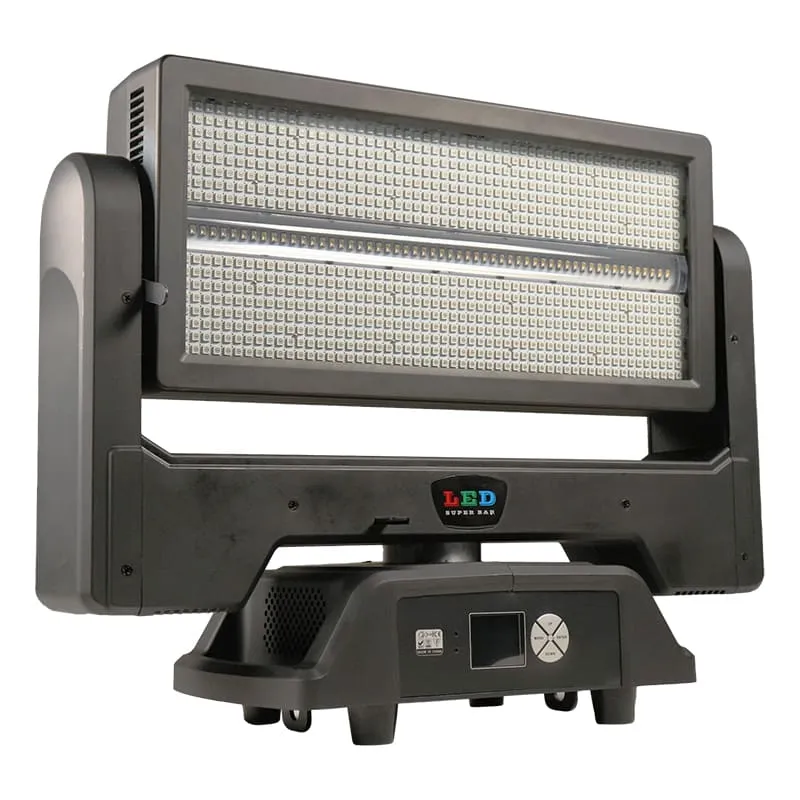
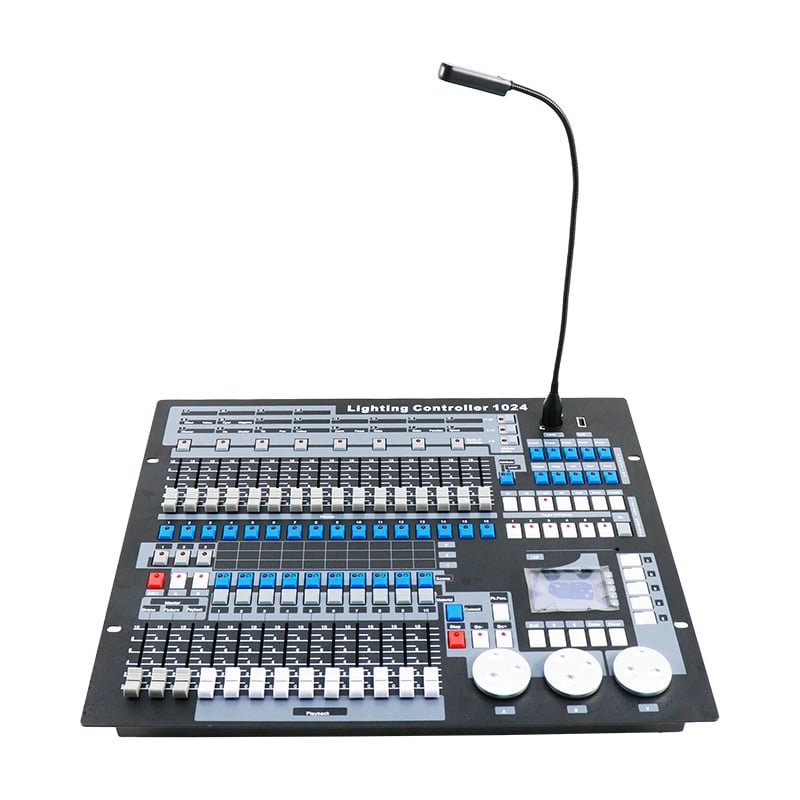
Stage lighting efficiency is not only about using less power or buying brighter fixtures. In live production, efficiency means building repeatable looks quickly, minimizing setup errors, reducing operator stress, and keeping every cue accurate under pressure. This is why lighting controllers sit at the center of modern stage systems. When teams ask why lighting controllers matter so much, the real answer is that lighting controllers convert creative intent into a reliable operational process that saves time, labor, and costly mistakes across rehearsals and live shows.
Without strong lighting controllers, crews often spend extra hours patching, correcting misfires, and rebuilding scenes that should have been reusable. With capable lighting controllers, teams can centralize control logic, automate repetitive actions, and maintain visual consistency from one performance to the next. For venues, touring crews, and production managers, lighting controllers are a strategic efficiency tool because they improve both technical execution and business outcomes at the same time.
Operational Reasons Lighting Controllers Drive Efficiency
Centralized command reduces technical friction
A stage system can include moving heads, dimmers, pixel fixtures, fog integration, and timing-based effects. Managing these devices manually creates coordination delays and communication gaps between departments. Lighting controllers provide one command environment where addressing, grouping, and output behavior can be controlled with precision. That centralization is a direct reason lighting controllers increase speed during setup and show operation.
When technicians work from separate device menus, tiny inconsistencies become large production issues. Lighting controllers reduce that risk by standardizing the control layer above individual fixtures. Instead of chasing settings across hardware, operators adjust scenes in one place and push those changes globally. This is one of the clearest efficiency gains that lighting controllers deliver in professional stage environments.
Programming logic prevents repeated manual work
In efficient productions, teams avoid rebuilding the same look for every song, segment, or act. Lighting controllers allow preprogrammed cues, chase structures, and timing relationships that can be called instantly during a show. This turns hours of repetitive work into a repeatable programming asset. As a result, lighting controllers reduce rehearsal overhead and improve confidence during complex transitions.
The impact grows over time because each production cycle adds reusable content. Skilled operators can adapt existing scenes rather than creating from scratch, and this compounds labor efficiency. For busy venues with rotating events, lighting controllers become a practical method for reducing turnaround pressure while maintaining visual quality standards.
Business Value Behind Lighting Controllers in Stage Environments
Faster setup and teardown improves schedule utilization
Stage operations often run on narrow windows where delays create overtime and downstream conflicts. Lighting controllers support faster patch checks, scene validation, and cue verification before doors open. Teams that use structured show files in lighting controllers can move from rigging to rehearsal with fewer correction loops. That schedule reliability is a concrete business reason lighting controllers are considered essential.
Teardown also benefits because a well-documented control file preserves the production state for future use. Instead of rediscovering previous settings, crews archive and redeploy known configurations through lighting controllers. In B2B production workflows, this cuts labor waste and helps venues handle more events with the same technical staff.
Error reduction protects production cost and reputation
A mistimed blackout or incorrect fixture response can disrupt a keynote, concert cue, or theatrical moment. Even small errors can force emergency adjustments and distract operators from critical timing tasks. Lighting controllers reduce these failures by enforcing structured cue execution and predictable command paths. This reliability is one reason lighting controllers are tied directly to professional service quality.
From a management perspective, fewer live errors means fewer refunds, fewer client complaints, and stronger repeat business potential. Lighting controllers therefore support both technical discipline and commercial trust. In markets where client retention depends on smooth delivery, lighting controllers are not optional infrastructure but a core efficiency investment.
Technical Mechanisms That Make Lighting Controllers Efficient
Scene architecture and cue stacking improve consistency
Efficiency in stage lighting depends on consistency under changing conditions. Lighting controllers organize scenes, submasters, and cue stacks so operators can trigger complex looks in a controlled sequence. This structure reduces improvisation risk and preserves visual intent through operator changes or touring rotations. The deeper the scene architecture, the more value lighting controllers provide to multi-show programs.
Consistency is also important for creative stakeholders who expect repeatable aesthetics. Directors and designers can review programmed states and request targeted revisions rather than restarting from manual operation. Lighting controllers make that refinement cycle practical by separating design decisions from raw device-level adjustments.
Real-time control flexibility supports dynamic environments
Live production rarely follows a perfect script. Speeches run long, performers skip sections, and technical conditions can shift without warning. Lighting controllers allow operators to adapt in real time through manual overrides, intensity adjustments, and immediate cue branching. This flexibility is a major efficiency advantage because it prevents full workflow disruption when plans change.
At the same time, real-time adaptation must stay controlled to avoid accidental output behavior. Advanced lighting controllers balance flexibility with guardrails, enabling fast action without sacrificing stability. Teams evaluating control platforms often prioritize this balance because it strongly influences operational resilience.
Implementation Practices That Maximize Lighting Controllers
Standardized programming conventions improve team performance
Lighting controllers deliver the highest efficiency when teams agree on naming, grouping, cue numbering, and show-file hygiene. Standard conventions reduce handoff confusion between programmers, operators, and freelancers. With shared structure inside lighting controllers, crews spend less time decoding each other’s logic and more time refining the show.
This is especially important in B2B environments where multiple technicians rotate across projects. Consistency in how lighting controllers are programmed makes onboarding faster and lowers dependency on one specialist. The result is more stable operations and reduced risk when schedules become compressed.
Scalable controller selection supports growth and complexity
Not every venue starts with the same channel count or cue complexity, but growth is common. Choosing scalable lighting controllers allows teams to expand fixture universes and show logic without replacing core workflows. Scalability protects investment and keeps training aligned as production demands evolve.
Efficiency is strongest when control capacity matches real operational needs. Undersized lighting controllers create bottlenecks, while oversized systems can add unnecessary complexity if poorly configured. A balanced approach focuses on current workload, likely expansion, and the skill level of the operating team.
Strategic Impact of Lighting Controllers on Long-Term Production Quality
Data continuity and show-file reuse create cumulative gains
Each event can either be an isolated effort or part of an improving technical system. Lighting controllers make continuous improvement possible because show data can be archived, reviewed, and adapted for future productions. This creates cumulative efficiency, where lessons from one event strengthen the next. Over time, lighting controllers become a knowledge platform rather than just a control interface.
For organizations running frequent events, this continuity reduces planning uncertainty and helps teams forecast labor requirements more accurately. Lighting controllers support predictable quality, which is critical for contract-driven B2B delivery models.
Cross-department alignment improves total stage performance
Lighting decisions interact with audio timing, video cues, stage management calls, and safety protocols. Lighting controllers help align these moving parts by providing reliable cue timing and clear operational states. Better alignment means fewer communication breakdowns during critical transitions. In practice, lighting controllers improve whole-show efficiency, not just lighting department output.
This cross-functional stability has strategic value for production leaders. When lighting controllers are integrated into broader show control discipline, teams can execute complex events with less friction and greater confidence. That is the deeper reason lighting controllers are key to stage lighting efficiency: they make high-quality execution repeatable at scale.
FAQ
Why do lighting controllers matter more in live shows than in static installations?
Live shows involve continuous timing changes, performer movement, and audience-facing transitions where mistakes are visible instantly. Lighting controllers provide rapid cue execution and controlled adaptability, which are less critical in static environments. Because live contexts are dynamic, lighting controllers have a larger impact on reliability and labor efficiency.
Can lighting controllers reduce training time for new operators?
Yes, especially when the team uses standardized programming conventions. Clear scene structures and consistent cue logic inside lighting controllers make it easier for new operators to understand show flow. Training becomes more about operational judgment and less about decoding inconsistent technical setups.
Do lighting controllers help with cost control even when power savings are modest?
Yes. While energy efficiency may vary by fixture type and usage pattern, lighting controllers often produce stronger savings through reduced setup time, fewer live errors, and better show-file reuse. These labor and risk reductions can significantly improve total production economics.
What is the biggest mistake teams make when adopting lighting controllers?
A common mistake is focusing only on hardware features while ignoring workflow design. Lighting controllers create the best efficiency when file structure, naming rules, and handoff practices are planned from the start. Without that operational discipline, teams underuse the real efficiency potential of lighting controllers.
Table of Contents
- Operational Reasons Lighting Controllers Drive Efficiency
- Business Value Behind Lighting Controllers in Stage Environments
- Technical Mechanisms That Make Lighting Controllers Efficient
- Implementation Practices That Maximize Lighting Controllers
- Strategic Impact of Lighting Controllers on Long-Term Production Quality
-
FAQ
- Why do lighting controllers matter more in live shows than in static installations?
- Can lighting controllers reduce training time for new operators?
- Do lighting controllers help with cost control even when power savings are modest?
- What is the biggest mistake teams make when adopting lighting controllers?