
 EN
EN


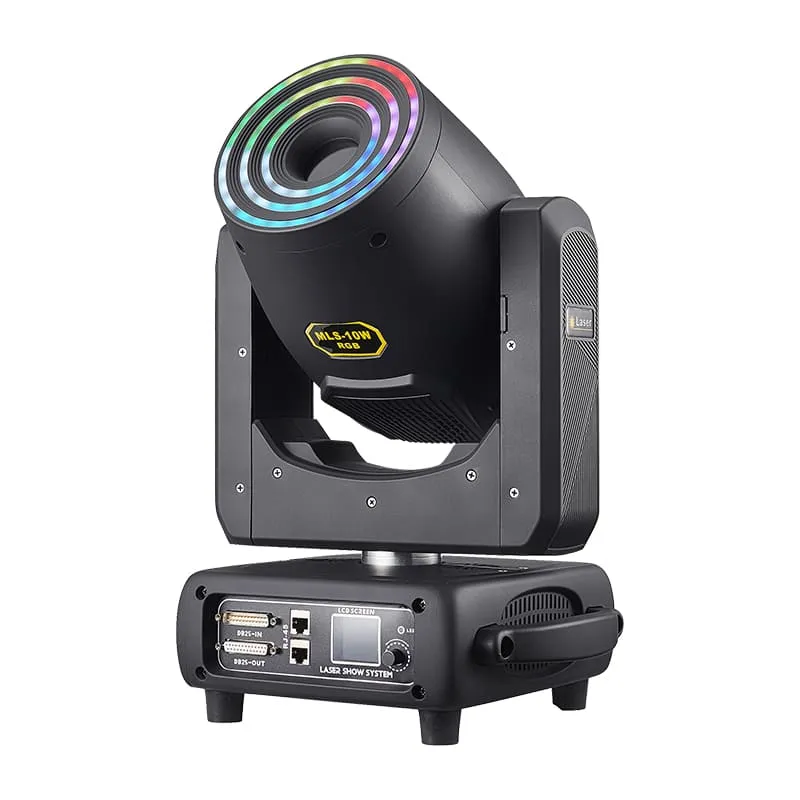
When planning an event, few decisions carry as much visual and operational weight as choosing the right LED lighting systems. Whether you are organizing a corporate conference, an outdoor music festival, a wedding reception, or a theatrical production, the lighting you select shapes the entire atmosphere and directly impacts your budget, logistics, and audience experience. With dozens of configurations, power options, and fixture types available, finding genuine value — not just the lowest upfront price — requires a clear understanding of what matters most in a real event environment.
Value in LED lighting systems is not a single metric. It is a composite of output quality, energy efficiency, deployment flexibility, durability, and total cost of ownership across multiple uses. This article breaks down the key selection criteria, compares the most relevant system types for live events, and explains which features consistently deliver the strongest return for event professionals and production companies alike.
Understanding Value in LED Lighting Systems for Events
Why Upfront Cost Is Only Part of the Picture
Many event organizers focus heavily on purchase price when evaluating LED lighting systems, but this approach often leads to disappointing results over time. A fixture that costs less upfront but requires frequent replacement, draws excessive power, or delivers inconsistent color output will cost significantly more across a full season of events. True value emerges when you account for the full lifecycle of the equipment.
Energy consumption is one of the clearest long-term cost drivers. LED lighting systems are inherently more efficient than traditional halogen or incandescent alternatives, but efficiency still varies considerably between product lines. Systems designed for high-output performance at lower wattage ratings reduce generator load, lower electricity costs, and extend battery runtime in wireless configurations — all of which translate directly into operational savings.
Durability is equally important. Event environments are physically demanding. Fixtures are packed, transported, set up, torn down, and exposed to variable weather conditions across their working lives. LED lighting systems built with robust housings, sealed connectors, and high IP-rated enclosures survive this cycle far better than budget alternatives, protecting your investment over many events rather than just a few.
Defining 'Best Value' Across Different Event Contexts
The concept of best value shifts depending on the event type, scale, and frequency of deployment. For a touring production company, value might mean maximum output, fast setup, and compatibility with existing control infrastructure. For a wedding planner, value might prioritize wireless operation, elegant color mixing, and compact form factor that keeps the venue looking clean and uncluttered.
Corporate events demand professional consistency — fixtures that hold their color temperature reliably under broadcast camera conditions and that integrate smoothly with AV systems. Outdoor festivals require IP65 or higher protection ratings, robust power management, and the ability to function in variable environmental conditions without performance degradation. Understanding your event context first is the most reliable way to identify which LED lighting systems will deliver genuine value for your specific use case.
Battery-Powered LED Lighting Systems and Their Event Advantages
The Operational Case for Wireless Fixtures
Battery-powered LED lighting systems have transformed how event productions are staged and managed. By eliminating the need for power runs across a venue, these fixtures drastically reduce setup time, cable hazards, and the logistical complexity of routing power to every lighting position. For events held in heritage buildings, outdoor spaces without power infrastructure, or venues where cable management is impractical, battery-powered systems solve a real operational problem.
Modern battery LED lighting systems offer runtime figures that comfortably cover most event durations at full output, with some configurations providing extended runtime at mid-brightness settings. The best-performing systems combine lithium-ion battery technology with efficient LED drivers to maintain consistent output throughout the discharge cycle, avoiding the dimming or color shift that plagued earlier generations of battery fixtures.
From a value perspective, the elimination of cabling infrastructure costs, reduced labor hours during setup and breakdown, and the flexibility to deploy fixtures in positions that would otherwise require expensive cable solutions make battery-powered LED lighting systems highly competitive even at a higher per-unit price than comparable wired fixtures.
IP65 Rating as a Value Multiplier for Outdoor Events
For any event that takes place outdoors or in environments where moisture exposure is likely, IP65-rated LED lighting systems represent a significant value advantage. An IP65 rating confirms complete protection against dust ingress and resistance to water jets from any direction — a level of protection that keeps fixtures operational through light rain, high humidity, and the general exposure risks of outdoor use.
Fixtures lacking adequate weather protection fail prematurely in outdoor environments, generating replacement costs and creating reliability risks on the night of an event. IP65 LED lighting systems designed for battery operation combine the flexibility of wireless deployment with the robustness needed for outdoor performance, making them an especially versatile choice for event professionals who work across both indoor and outdoor venues.
The practical value of this versatility should not be underestimated. A single fleet of IP65 battery LED lighting systems can cover corporate dinners, outdoor weddings, garden parties, and festival stages without requiring separate inventories for different environments. This consolidation significantly improves return on investment across a professional rental or production inventory.
Key Technical Features That Determine Event Lighting Value
Color Mixing Capability and Output Quality
The quality of color output is one of the most visible differentiators between LED lighting systems in a live event context. Systems that offer RGBW or RGBWA configurations provide broader color palettes and more accurate pastel tones than basic RGB units. For events where skin tones, stage aesthetics, or brand color matching are critical, this capability directly affects the perceived production quality of the event.
High CRI (Color Rendering Index) values are equally important when LED lighting systems are used for illuminating people, products, or detailed environments. A CRI above 90 ensures that colors appear natural and vibrant under the light, which matters enormously for broadcast events, trade shows, and any production being photographed or filmed. Investing in LED lighting systems with genuine high-CRI output often eliminates the need for post-production color correction, delivering hidden cost savings.
Smooth dimming performance is another quality indicator. LED lighting systems that exhibit flicker or uneven dimming curves create visible problems during video capture and can appear unprofessional even to the naked eye in live settings. Systems using quality PWM dimming circuits maintain smooth, flicker-free output across the full dimming range, which is essential for broadcast-safe event applications.
Control Flexibility and Integration
Event productions increasingly rely on integrated lighting control, and the value of LED lighting systems is directly linked to how well they integrate with existing control environments. DMX512 compatibility remains the professional standard, and any fixture targeting serious event use should offer reliable DMX response, multiple control modes, and stable wireless DMX reception when operating in crowded RF environments typical of large events.
The availability of multiple control modes — including standalone color programs, master-slave synchronization, and full DMX operation — gives event professionals the flexibility to deploy LED lighting systems across productions of varying scale and technical complexity. A fixture that works seamlessly in both simple standalone deployments and full DMX-controlled rigs represents considerably better value than one that is limited to only one operational mode.
Wireless DMX and battery operation together represent the pinnacle of deployment flexibility for modern LED lighting systems. When a fixture can be placed anywhere in a venue, controlled remotely without physical cable runs, and powered without a mains connection, the speed, creativity, and cost-efficiency of event production improve simultaneously.
Matching LED Lighting System Types to Event Scenarios
Par Cans and Wash Lights for General Event Illumination
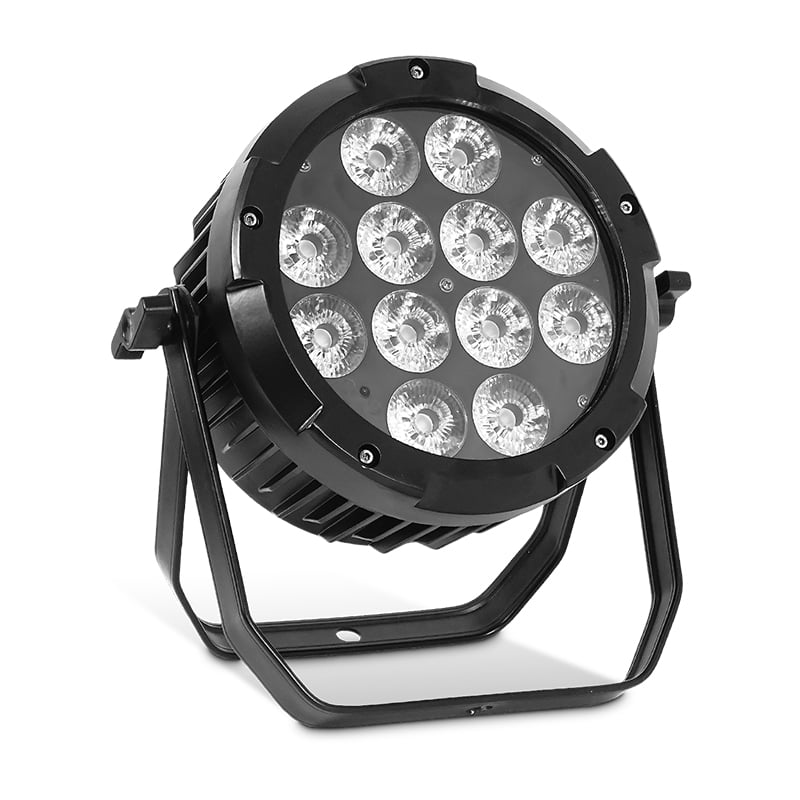
LED par cans remain the most widely deployed fixture type in event production, and for good reason. Their compact form factor, high output-to-size ratio, and versatility make LED lighting systems based on the par format suitable for stage wash, uplighting, architectural highlighting, and general ambiance creation. Modern LED par fixtures using multi-chip arrays deliver output levels that rival traditional 1000W halogen units at a fraction of the power draw.
For event companies building or expanding a rental inventory, a core fleet of high-quality battery LED par fixtures provides the flexibility to handle the widest possible range of bookings. The combination of IP65 protection, battery power, and RGBW color mixing in a par-format fixture covers corporate events, weddings, outdoor gatherings, and stage productions with a single fixture type — maximizing asset utilization and simplifying inventory management.
Battery-powered LED lighting systems in the par format, particularly those rated at higher wattages such as 12-source or multi-LED configurations, offer the output needed for professional results while maintaining the portability and setup speed that define modern wireless event production. These fixtures consistently deliver strong value across diverse event applications.
Specialist Fixtures for Targeted Applications
Beyond par wash systems, event productions frequently require specialist LED lighting systems for specific purposes. Moving heads deliver dynamic beam effects and the ability to reposition light during a live show. Ellipsoidal profile fixtures provide precise beam shaping for theatrical applications. Linear LED battens create seamless backdrop wash effects for broadcast and conference environments. Each of these fixture categories contributes differently to overall production value.
The key principle for evaluating specialist LED lighting systems is fit-for-purpose performance. A high-output moving head provides outstanding value on a festival stage but poor value as an uplighter at a boutique dinner event. Matching fixture type and specification to the specific visual requirements of each event type is how experienced production professionals extract maximum value from their lighting inventory.
Building a core inventory around versatile, battery-powered, IP65 LED lighting systems — supplemented by specialist fixtures for specific applications — is the most capital-efficient approach for event companies serving a broad market. This strategy balances flexibility with specialization, ensuring that the largest share of revenue-generating deployments can be covered by the most capable and cost-effective fixtures in the fleet.
Total Cost of Ownership and Long-Term Value Assessment
Maintenance, Reliability, and Replacement Cycles
The long-term value of LED lighting systems is ultimately determined by how reliably they perform across hundreds of deployments. Fixtures that require frequent maintenance, exhibit early LED degradation, or suffer from unreliable electronic components generate hidden costs that erode the initial price advantage. Investing in LED lighting systems with proven reliability records, quality LED sources rated for long operational lifespans, and accessible technical support represents sound value management for any professional operation.
Battery health is a specific consideration for wireless LED lighting systems. Lithium-ion battery cells degrade over charge cycles, and the rate of degradation depends heavily on the quality of the battery management system built into the fixture. Systems with intelligent battery management that prevents overcharge, deep discharge, and thermal stress maintain usable battery capacity far longer, extending the effective useful life of the fixture and deferring replacement costs.
Ease of maintenance and serviceability also contribute to long-term value. LED lighting systems that allow component-level servicing — such as battery pack replacement or driver board access — provide a longer operational lifespan than sealed units that must be discarded when a single component fails. For professional event companies managing large inventories, this design consideration can have a meaningful impact on total equipment expenditure over time.
Resale Value and Market Longevity
Professional-grade LED lighting systems retain residual value in the secondhand market far better than entry-level or unbranded alternatives. When upgrading equipment or restructuring an inventory, the ability to recover a meaningful portion of the original investment through resale contributes materially to the overall cost of ownership calculation. Fixtures with recognized quality standards, robust construction, and continuing market relevance hold their value more effectively.
The pace of technological change in LED lighting systems is relatively modest compared to other areas of event technology. Core fixture types — par cans, wash lights, moving heads — have been stable categories for many years, with incremental improvements in efficiency, output, and control. This stability means that well-specified LED lighting systems purchased today will remain competitive and deployable for many event seasons, supporting a long amortization period and strong long-term value.
FAQ
What makes battery-powered LED lighting systems more valuable for outdoor events?
Battery-powered LED lighting systems eliminate the need for power infrastructure at outdoor venues, reducing setup costs, cable hazards, and logistical complexity. When combined with an IP65 weather protection rating, they deliver reliable performance in variable outdoor conditions without risking moisture damage. This combination of wireless operation and environmental durability makes them exceptionally versatile and cost-effective for outdoor event production.
How important is IP rating when selecting LED lighting systems for events?
IP rating is critically important for any event application that involves outdoor use, high humidity, or environments where the fixtures may be exposed to water. An IP65 rating provides full dust protection and resistance to water jets, which covers the majority of outdoor event conditions. Fixtures without adequate IP protection are at significant risk of premature failure in these environments, making IP65 or higher a key value criterion for versatile event LED lighting systems.
How many LED lighting systems do I need for a typical event?
The number of LED lighting systems required depends on the venue size, the desired lighting effects, and the nature of the event. A small indoor corporate event might require as few as six to eight wash fixtures for effective ambiance lighting, while a large outdoor stage production might need dozens of fixtures across multiple positions and functions. Working from a scaled lighting plan and understanding the coverage angle and output of each fixture type is the most reliable way to determine the quantity needed for any specific event.
Are high-wattage LED lighting systems always better value for events?
Not necessarily. Higher wattage LED lighting systems provide greater output, which is valuable for large venues, outdoor stages, or applications where light needs to travel significant distances. However, for intimate indoor events, smaller venues, or applications where subtlety and control are more important than raw brightness, a high-wattage fixture may be unnecessary and inefficient. Matching the output specification of LED lighting systems to the actual requirements of each event context is the most reliable way to achieve genuine value rather than simply purchasing the highest-specification fixtures available.