
 EN
EN


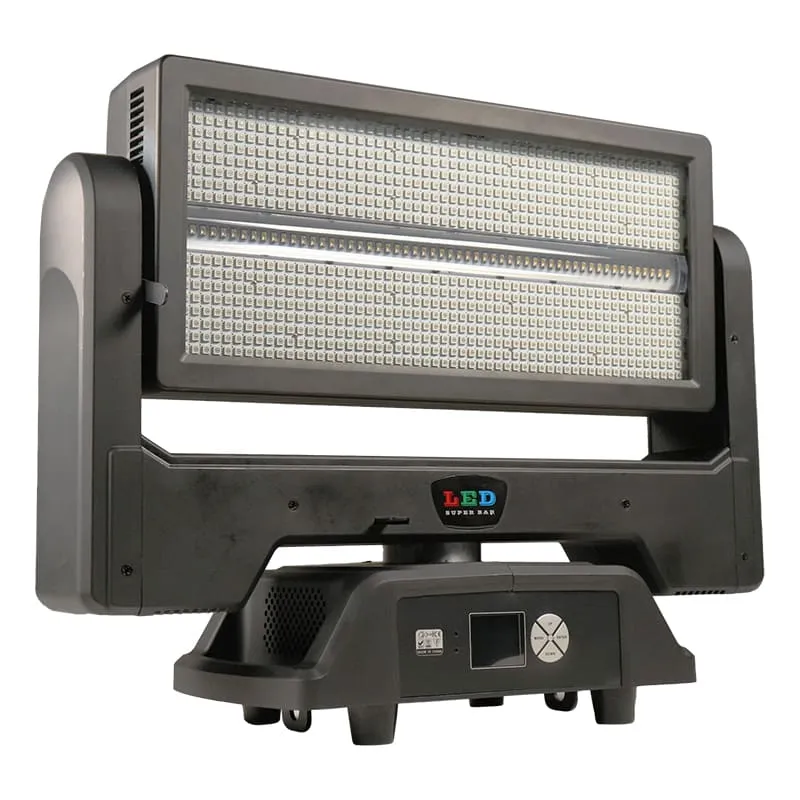
When audiences pack into arenas, festivals, and theaters, they come for more than just the music — they come for an experience. Concert lighting systems are a fundamental part of that experience, transforming a bare stage into a living, breathing environment that amplifies every note, every lyric, and every emotional beat of a live performance. From the sweeping beams that cut through haze to the subtle color washes that set a mood, professional lighting design has become inseparable from the art of live entertainment.
Understanding how concert lighting systems enhance stage performance requires looking at both the technical mechanics and the artistic strategy behind every lighting cue. These systems are not merely decorative — they direct attention, communicate narrative, build energy, and create the immersive atmosphere that makes a concert memorable long after the final song. This article explores the mechanisms and design principles that make concert lighting systems such a powerful performance tool.
The Role of Light in Live Performance Communication
Visual Storytelling Through Illumination
Every live performance tells a story, and concert lighting systems are one of the primary tools through which that story is communicated visually. Light color, intensity, movement, and direction all carry psychological and emotional signals that an audience processes instinctively. A deep red wash can convey passion or danger, while cool blue tones suggest introspection or calm. Skilled lighting designers use these cues to support the emotional narrative that the artist is building through music.
Beyond color, the directionality of light shapes how performers are perceived on stage. Front lighting ensures clarity and visibility, while back lighting creates dramatic silhouettes and separation between the performer and the backdrop. Side lighting can add sculptural depth, revealing the contours of a singer's face or the physicality of a dancer's movement. Concert lighting systems that incorporate all of these angles simultaneously give designers precise control over the visual story they are telling at any given moment.
The synchronization of light cues with musical peaks and transitions is another critical layer of communication. When a powerful chorus drops and the stage erupts in bright strobes and moving beams, the audience feels a physical sensation that reinforces the emotional intensity of the music. This is not accidental — it is the result of meticulous programming and a deep understanding of how concert lighting systems interact with sound to produce a unified sensory experience.
Audience Focus and Performer Spotlight
One of the most practical functions of concert lighting systems is guiding audience attention. In a large venue with multiple performers, instruments, and visual elements competing for the eye, lighting acts as a director — pointing the audience exactly where to look. A tightly focused spot on a guitarist during a solo draws thousands of eyes simultaneously, creating a shared moment of concentrated attention that enhances the perceived importance of that performance moment.
Follow spots, which track performers as they move across the stage, ensure that the principal artist is always clearly visible and prominently featured. This tracking function is especially important in large arenas where the distance between audience members and the stage can make subtle visual cues difficult to perceive without amplification through light. Modern concert lighting systems integrate automated follow spot technology that allows operators to maintain seamless tracking with minimal delay or human error.
Technical Components That Drive Performance Enhancement
Moving Lights and Dynamic Effects
Moving lights represent one of the most transformative innovations in concert lighting systems. Unlike static fixtures that illuminate a fixed area, moving lights can pan, tilt, change color, alter beam shape, and shift focus in real time under full programmatic control. This dynamic capability allows lighting designers to create sweeping, choreographed light shows that move in synchrony with the music and the performers on stage.
High-output moving lights equipped with prism and gobo features add even greater visual complexity. Gobos — patterned metal or glass inserts placed in the light path — project shapes and textures onto surfaces, turning a plain backdrop into a richly textured environment without the need for printed scenery. Prisms refract the beam into multiple beams, creating dazzling aerial effects that fill the space above and around the stage with active light movement. A fixture like the concert lighting systems solution featuring 300W beam, gobo, and prism capabilities in a single unit gives designers enormous creative flexibility while streamlining the rig.
The ring effect — a circular LED halo integrated into certain moving light designs — adds a distinctive visual signature that enhances the overall look of the stage from the audience's perspective. These design innovations illustrate how hardware evolution within concert lighting systems directly expands the creative vocabulary available to performance designers.
Haze, Atmosphere, and Aerial Beam Visibility
Concert lighting systems do not operate in isolation — they work in concert with atmospheric effects, most importantly stage haze. Haze is a fine mist dispersed into the air above and around the stage, making individual light beams visible as they travel through space. Without haze, a tightly focused beam is only visible at its source and destination. With haze, the entire beam becomes a solid column of light, creating dramatic aerial effects that massively enhance the visual scale of a production.
The interplay between haze and moving beams is one of the defining visual signatures of contemporary concert production. When multiple beams cut through a haze-filled venue in synchronized patterns, the effect is both technically impressive and emotionally stirring. Lighting designers working with concert lighting systems carefully calibrate the density and distribution of haze to ensure that beam effects read clearly from all audience positions without compromising visibility of the performers themselves.
Color, Rhythm, and Emotional Impact
Color Mixing and Wash Control
Modern concert lighting systems utilize advanced LED and CMY color mixing technology to produce virtually any color within the visible spectrum. CMY — cyan, magenta, yellow — mixing systems allow smooth, continuous color transitions that can shift subtly or dramatically in response to the music. This gives lighting designers the ability to bathe the entire stage in a unified color field or create complex multi-color environments that evolve throughout the show.
Color temperature is another nuanced tool within concert lighting systems. Warmer amber tones tend to suggest intimacy and nostalgia, while cooler whites and blues can feel clinical, ethereal, or futuristic depending on context. Designers assign color palettes to specific songs or segments of a setlist, creating visual chapters within the overall show structure that guide the audience through the emotional arc of the performance.
Color consistency and precision are critical in professional environments. High-quality fixtures within concert lighting systems maintain color accuracy across their full dimming range, ensuring that the stage looks exactly as designed whether the fixtures are at full output or at five percent intensity. This precision is especially important during quieter, more intimate moments in a performance where subtle lighting variations are more easily noticed by the audience.
Rhythm, Beat Matching, and Energy Management
One of the most powerful mechanisms through which concert lighting systems enhance stage performance is beat-matching — programming light cues to fire in exact synchronization with the rhythm of the music. When light pulses, strobes, or movement cues align precisely with musical beats, the effect is a multi-sensory reinforcement of rhythm that audiences feel physically, not just visually. This technique is especially prevalent in electronic music productions and high-energy rock concerts where rhythm is the dominant expressive element.
Beyond beat-matching, energy management through lighting pacing is essential to maintaining audience engagement across a full concert set. A well-designed light show within concert lighting systems will have deliberate moments of high intensity followed by contrasting periods of restraint, mirroring the dynamic structure of the musical program. These contrasts prevent sensory fatigue and ensure that the most important moments of the performance — the climactic song, the emotional ballad, the encore — land with full impact.
Integration With Stage Design and Production Technology
Rigging, Truss, and Spatial Design
Concert lighting systems are inherently spatial — their effectiveness depends significantly on how fixtures are positioned relative to the stage, the performers, and the audience. Professional touring rigs utilize modular truss systems that allow designers to configure lighting positions precisely for each venue while maintaining a consistent design intent. Overhead truss structures carry the bulk of the fixture inventory, supplemented by side lighting towers, floor positions, and sometimes lighting rigs integrated into the scenic design itself.
The three-dimensional placement of fixtures within concert lighting systems determines how light interacts with the bodies and faces of performers, how effects read from different audience perspectives, and how efficiently the overall rig can be transported and installed across multiple venues during a tour. Experienced production designers balance creative ambition with logistical practicality, building rigs that deliver maximum visual impact within the constraints of time, weight, and venue infrastructure.
DMX Control and Lighting Programming
The intelligence behind modern concert lighting systems resides in DMX — Digital Multiplex — control protocol, which allows a single console to communicate with hundreds or even thousands of individual fixtures simultaneously. Each fixture receives specific parameter commands including intensity, color, position, beam shape, and speed, all transmitted through a network of DMX or ArtNet data lines. This centralized control architecture gives lighting directors the ability to execute extraordinarily complex cue sequences with a single button press.
Programming a full concert light show within concert lighting systems is a labor-intensive creative process that can require days or weeks of preparation. Lighting programmers work closely with the artist's creative team to align cue sequences with the final versions of the songs, accounting for live performance variations that may alter timing from night to night. The best lighting programs built into concert lighting systems have sufficient flexibility built in so that operators can adapt in real time while maintaining the overall integrity of the designed show.
FAQ
What types of fixtures are most commonly used in concert lighting systems?
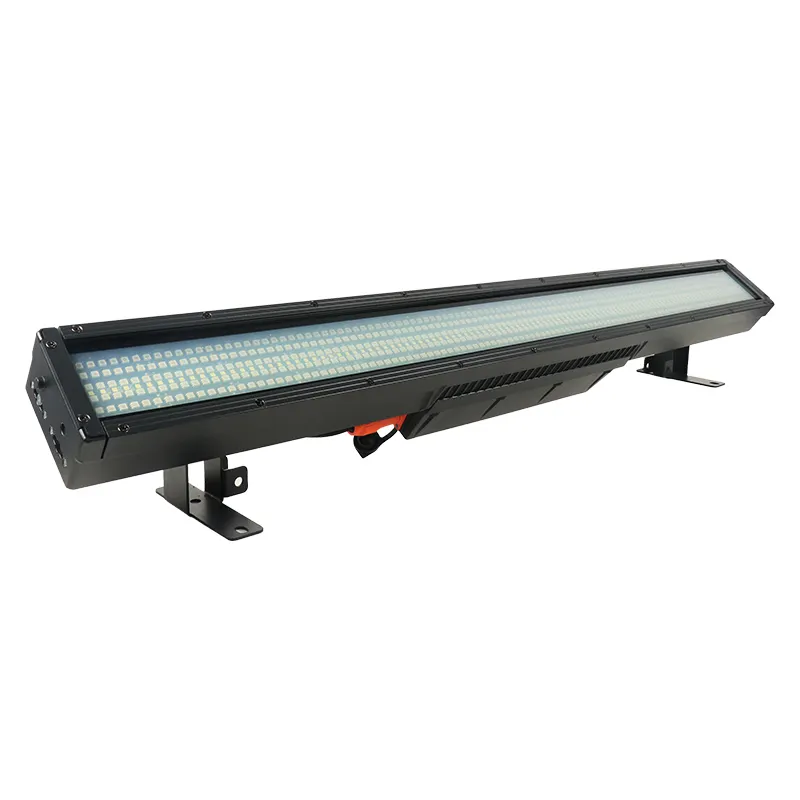
Professional concert lighting systems typically combine several fixture types to achieve full visual coverage and dynamic range. Moving beam and spot fixtures handle aerial effects and performer spotlighting, while wash fixtures provide color-saturated ambient fill across the stage and audience. Strobe fixtures create high-intensity pulse effects for rhythmic emphasis, and LED par cans offer efficient, low-profile color wash capability. Each fixture type plays a specific role within the overall system design.
How are concert lighting systems programmed to synchronize with music?
Concert lighting systems are programmed using dedicated lighting consoles that allow designers to create cue lists aligned to specific moments within each song. Timing information is loaded in advance, but operators also use manual override and live triggering to respond to real-time performance variations. For highly automated shows, MIDI timecode can be used to synchronize the lighting console with audio playback systems, ensuring frame-accurate cue execution throughout the entire performance.
How important is haze to the effectiveness of concert lighting systems?
Haze is extremely important to the visual effectiveness of concert lighting systems, particularly for aerial beam effects. Without haze in the air, tight beam fixtures produce visible effects only at the point where light strikes a surface — the floor, a backdrop, or a performer. With haze dispersed throughout the performance space, every beam becomes a visible three-dimensional object that the audience can appreciate from any angle. Haze density is carefully managed to maximize beam visibility without obscuring sightlines or creating health concerns for performers.
Can concert lighting systems be adapted for different venue sizes?
Yes, one of the key design principles within professional concert lighting systems is scalability. A touring production will typically maintain a consistent design language and fixture selection, but the number of fixtures, truss configurations, and rigging positions are adjusted to suit each venue's specific dimensions and infrastructure. Smaller venues may use a reduced fixture count and simplified truss layouts, while large arenas and festival stages allow for full rig deployment. Modular system architecture ensures that the core creative intent translates effectively regardless of venue scale.