
 EN
EN


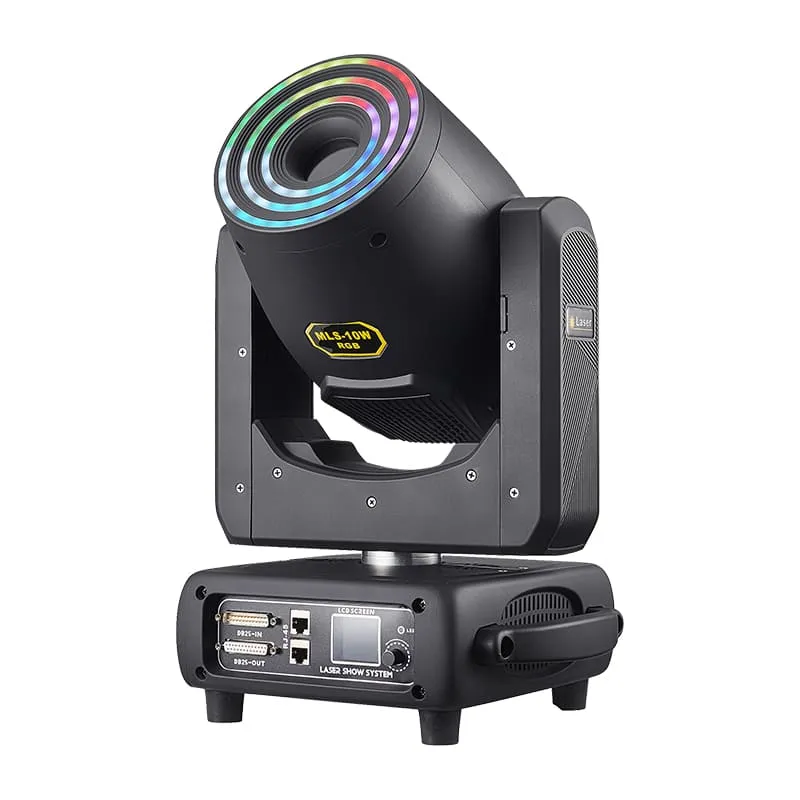
The entertainment industry has witnessed a dramatic transformation in recent years, with stage laser lighting becoming the cornerstone of modern festival and concert productions. This shift represents more than just a technological upgrade – it reflects changing audience expectations, improved safety protocols, and the relentless pursuit of creating unforgettable visual experiences that can compete in an increasingly crowded entertainment landscape.
Festival organizers and production companies are embracing stage laser lighting systems because they deliver unmatched visual impact while offering practical advantages that traditional lighting methods simply cannot match. From reducing power consumption to creating three-dimensional effects that fill entire venues, laser technology has revolutionized how live events captivate audiences and create lasting memories.
Enhanced Visual Impact and Audience Engagement
Three-Dimensional Light Sculptures
Stage laser lighting creates volumetric effects that transform empty air into canvas for artistic expression. Unlike conventional spotlights that illuminate surfaces, laser beams become visible throughout their entire path when interacting with atmospheric particles, fog, or haze. This capability allows lighting designers to sculpt three-dimensional forms that appear to float above audiences, creating immersive environments that traditional lighting cannot achieve.
These three-dimensional effects are particularly powerful in large festival settings where audiences are spread across vast areas. Stage laser lighting can reach every corner of a venue simultaneously, ensuring that attendees in the back rows experience the same visual intensity as those near the stage. This uniform distribution of visual impact helps maintain energy levels throughout entire crowds, contributing to the collective experience that makes festivals memorable.
The precision of modern stage laser lighting systems enables designers to create intricate patterns, animations, and synchronized movements that respond to music in real-time. This level of synchronization creates a sense of unity between audio and visual elements that enhances emotional connection and keeps audiences engaged throughout entire performances.
Dynamic Color Capabilities and Beam Control
Contemporary stage laser lighting systems offer unprecedented color mixing capabilities, allowing designers to create smooth color transitions and complex palettes that were impossible with traditional lighting fixtures. Full-spectrum laser systems can produce millions of color combinations, enabling lighting designers to match brand colors precisely or create unique atmospheric moods that support artistic vision.
The beam control precision of stage laser lighting allows for rapid movement and position changes that create dynamic visual sequences. Modern laser projectors can execute thousands of position changes per second, enabling effects like beam scanning, pattern morphing, and rapid-fire sequences that build excitement during climactic moments of performances.
This dynamic capability extends to beam intensity control, where individual beams can be dimmed, brightened, or strobed independently. This granular control allows lighting designers to create subtle ambient effects during quiet musical passages and explosive visual displays during high-energy segments, perfectly matching the emotional arc of live performances.
Cost-Effectiveness and Operational Efficiency
Reduced Power Consumption and Infrastructure Requirements
Stage laser lighting systems consume significantly less power than equivalent traditional lighting rigs, making them attractive for festival organizers managing large-scale events with substantial power requirements. A single high-powered laser projector can replace multiple conventional fixtures while drawing a fraction of the electrical current, reducing generator requirements and electrical infrastructure costs.
This power efficiency becomes particularly important for multi-day festivals where power consumption directly impacts operational costs. Stage laser lighting systems maintain consistent output throughout their operational periods without the heat buildup that affects conventional fixtures, eliminating the need for extensive cooling systems and reducing venue air conditioning requirements.
The reduced infrastructure requirements of stage laser lighting extend to rigging and support structures. Laser projectors are typically more compact and lighter than equivalent traditional lighting arrays, reducing truss loading and structural requirements. This weight reduction simplifies venue setup and can reduce construction costs for temporary festival installations.
Maintenance Advantages and Reliability
Modern stage laser lighting systems offer superior reliability compared to traditional fixtures, with solid-state laser diodes lasting significantly longer than conventional bulbs. This longevity reduces maintenance requirements during multi-day events and eliminates the risk of sudden lamp failures during critical performance moments.
The maintenance advantages extend to reduced consumable costs, as stage laser lighting systems do not require regular bulb replacements, color filter changes, or gobos that wear out over time. This reliability is crucial for festival productions where equipment failures can disrupt scheduled performances and create costly delays.
Environmental resistance is another practical advantage, as quality stage laser lighting systems are designed to withstand outdoor conditions including temperature variations, humidity, and dust exposure. This durability reduces equipment failures in challenging festival environments and maintains consistent performance throughout event durations.
Technological Advancements and Creative Possibilities
Integration with Digital Control Systems
Contemporary stage laser lighting systems integrate seamlessly with digital lighting consoles and show control software, enabling complex programming and automated sequences that would be impossible to execute manually. This integration allows lighting designers to create precisely timed sequences that synchronize with audio tracks, video content, and other production elements.
The digital nature of stage laser lighting control enables real-time adjustment of effects parameters, allowing operators to modify shows dynamically based on audience response or artistic requirements. This flexibility is particularly valuable in festival environments where performances may need to be adapted for different venues or adjusted for technical requirements.
Advanced control protocols allow multiple stage laser lighting units to work together as coordinated systems, creating large-scale effects that span entire venues. This coordination capability enables designers to create immersive environments where laser effects complement and enhance other production elements including video screens, pyrotechnics, and conventional lighting.
Safety Improvements and Regulatory Compliance
Modern stage laser lighting systems incorporate advanced safety features that address regulatory requirements while maintaining creative flexibility. Automated safety systems monitor beam paths and power levels continuously, ensuring compliance with safety standards while allowing designers to create spectacular effects within safe parameters.
The precision control of contemporary stage laser lighting enables designers to create effects that appear dangerous while maintaining safe exposure levels for audiences and performers. This capability allows for dramatic visual impact without compromising safety, satisfying both artistic vision and regulatory requirements.
Safety integration extends to emergency systems, where stage laser lighting can be programmed to respond to fire alarms, emergency stops, or other safety signals automatically. This integration ensures that laser effects do not interfere with emergency procedures while maintaining the ability to create spectacular displays during normal operations.
Market Trends and Industry Adoption
Growing Audience Expectations and Competition
Festival audiences increasingly expect sophisticated visual productions that match the quality of televised events and music videos. Stage laser lighting helps meet these expectations by delivering professional-grade effects that create social media-worthy moments and enhance the perceived value of live events.
The proliferation of mobile cameras and social media sharing has created additional pressure for visually striking productions. Stage laser lighting creates photogenic moments that translate well to social media platforms, helping festivals generate organic marketing content and attract future attendees through shared experiences.
Competition among festivals has intensified the focus on unique visual experiences that differentiate events in crowded markets. Stage laser lighting provides production teams with tools to create distinctive looks that help establish brand identity and create memorable experiences that encourage repeat attendance.
Technological Accessibility and Cost Reduction
The cost of stage laser lighting technology has decreased significantly as manufacturing scales have increased and technology has matured. This cost reduction has made laser systems accessible to smaller festivals and regional events that previously could not afford such sophisticated technology.
Rental availability of stage laser lighting equipment has expanded, allowing event organizers to access high-quality systems without major capital investments. This rental market growth has made laser technology feasible for single events and seasonal festivals that cannot justify equipment purchases.
Training and technical support for stage laser lighting systems have improved, with manufacturers and rental companies providing education resources that enable more production teams to utilize laser technology effectively. This knowledge transfer has accelerated adoption across the industry and improved the quality of laser implementations.
FAQ
What makes stage laser lighting more effective than traditional lighting for large venues?
Stage laser lighting creates visible beam paths that fill three-dimensional space, reaching audiences throughout large venues with uniform intensity. Unlike traditional fixtures that illuminate surfaces, lasers become visible throughout their entire path when interacting with atmospheric particles, ensuring consistent visual impact for all attendees regardless of their position relative to the stage.
How do safety regulations affect the use of stage laser lighting in festivals?
Modern stage laser lighting systems incorporate automated safety features that monitor beam paths and power levels continuously, ensuring compliance with regulations while maintaining creative flexibility. These systems can create spectacular effects within safe exposure limits and integrate with emergency systems to respond automatically to safety signals without compromising artistic vision.
What are the main cost benefits of using stage laser lighting compared to conventional systems?
Stage laser lighting systems consume significantly less power than equivalent traditional lighting rigs, reducing generator and electrical infrastructure costs. They also offer superior reliability with longer-lasting components, reduced maintenance requirements, and elimination of consumable costs like bulb replacements, making them more cost-effective for multi-day festival operations.
How has technology advancement made stage laser lighting more accessible to smaller festivals?
Manufacturing scale increases and technology maturation have significantly reduced stage laser lighting costs, while expanded rental markets have made high-quality systems accessible without major capital investments. Additionally, improved training resources and technical support have enabled more production teams to utilize laser technology effectively, accelerating adoption across festivals of all sizes.
Table of Contents
- Enhanced Visual Impact and Audience Engagement
- Cost-Effectiveness and Operational Efficiency
- Technological Advancements and Creative Possibilities
- Market Trends and Industry Adoption
-
FAQ
- What makes stage laser lighting more effective than traditional lighting for large venues?
- How do safety regulations affect the use of stage laser lighting in festivals?
- What are the main cost benefits of using stage laser lighting compared to conventional systems?
- How has technology advancement made stage laser lighting more accessible to smaller festivals?