
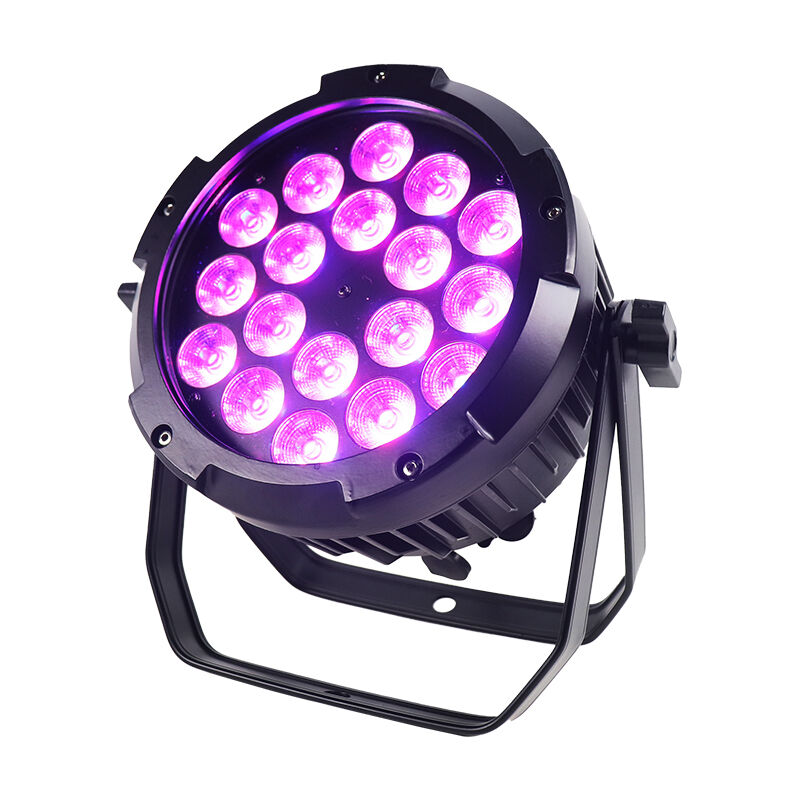
Concert lighting serves as the invisible conductor of live performances, orchestrating visual experiences that transform ordinary venues into immersive worlds of sound and spectacle. In large-scale productions, the role of lighting extends far beyond basic illumination to become a fundamental element that shapes audience perception, enhances artistic expression, and ensures technical excellence. Professional lighting design creates the essential bridge between performers and audiences, establishing emotional connections through carefully crafted visual narratives that complement musical performances. The complexity of modern concert productions demands sophisticated lighting systems capable of delivering dynamic, synchronized effects that elevate entertainment value while maintaining operational reliability throughout extended tour schedules.
The Foundation of Visual Storytelling in Live Entertainment
Creating Atmospheric Depth Through Strategic Illumination
Professional concert lighting establishes the fundamental visual framework that transforms musical performances into comprehensive sensory experiences. Strategic placement of fixtures creates dimensional depth across performance spaces, utilizing techniques such as backlighting, side lighting, and aerial positioning to sculpt three-dimensional environments. These lighting configurations enable designers to craft distinct visual zones within large venues, directing audience attention while creating seamless transitions between musical segments. The interplay between color temperature and intensity levels establishes emotional undertones that support lyrical content and musical dynamics.
Advanced lighting systems incorporate programmable color mixing capabilities that allow real-time adjustment of hues, saturation levels, and brightness parameters. This technological flexibility enables lighting designers to create subtle atmospheric shifts that mirror musical progressions, from intimate acoustic moments requiring warm, low-intensity illumination to explosive crescendos demanding vibrant, high-energy color palettes. The precision control offered by modern digital lighting consoles ensures consistent reproduction of designed lighting cues across multiple performance dates, maintaining artistic integrity throughout touring productions.
Synchronization Technologies for Seamless Integration
Contemporary concert lighting systems rely heavily on sophisticated synchronization protocols that integrate lighting effects with audio signals, video content, and mechanical stage elements. Time-code synchronization ensures precise coordination between lighting changes and musical events, creating seamless visual accompaniments that enhance rather than distract from artistic performances. Digital communication protocols such as DMX, Art-Net, and sACN enable complex lighting networks that can control hundreds of individual fixtures from centralized control positions.
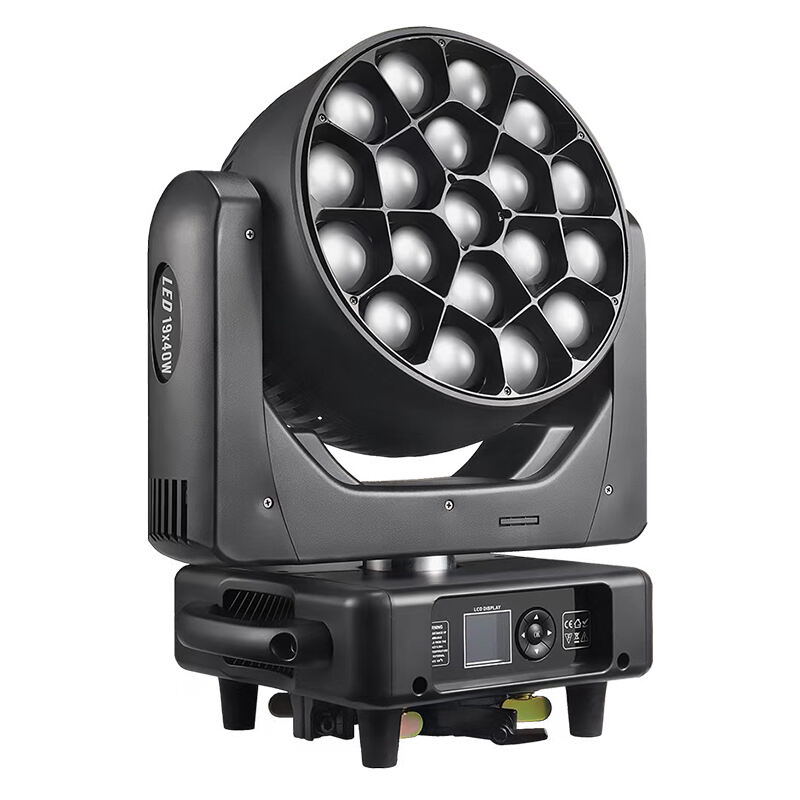
The integration of automated lighting fixtures with motion control systems allows for dynamic repositioning of light sources during performances, creating kinetic visual elements that add movement and energy to static stage environments. These automated systems can execute complex choreographed sequences that would be impossible to achieve with traditional manual lighting operation, enabling lighting designs that evolve continuously throughout performance segments. The reliability of these automated systems becomes crucial in large-scale productions where technical failures could compromise entire performances.
Technical Requirements for Large Venue Productions
Power Distribution and Infrastructure Considerations
Large-scale concert lighting installations require robust electrical infrastructure capable of supporting significant power loads while maintaining safety standards and operational flexibility. Professional touring productions often utilize three-phase power distribution systems with multiple redundant circuits to ensure continuous operation even in the event of individual circuit failures. Load calculations must account for peak power consumption scenarios where all lighting fixtures operate simultaneously at maximum intensity levels, requiring careful coordination with venue electrical systems and local power providers.
The physical infrastructure supporting concert lighting includes specialized rigging systems designed to safely suspend heavy lighting fixtures at various heights and angles throughout venue spaces. These structural elements must comply with engineering safety factors that account for dynamic loading conditions created by moving lights and potential wind effects in outdoor venues. Professional rigging crews utilize certified hardware and follow established safety protocols to ensure secure installation of lighting equipment that may remain suspended for extended periods during multi-day productions.
Heat management becomes a critical consideration in large lighting installations where concentrated fixture groupings can generate significant thermal loads. Proper ventilation design and fixture spacing prevent overheating conditions that could reduce equipment lifespan or create safety hazards. Advanced LED lighting technologies offer improved thermal efficiency compared to traditional incandescent or discharge sources, reducing cooling requirements while maintaining high light output levels necessary for large venue coverage.
Control System Architecture and Redundancy
Professional concert lighting control systems incorporate multiple layers of redundancy to prevent complete system failures that could disrupt live performances. Primary and backup lighting consoles operate in synchronized modes, with automatic failover capabilities that ensure seamless operation continuation if primary systems experience technical difficulties. Network infrastructure supporting lighting control includes redundant data pathways and backup communication protocols that maintain connectivity between control positions and lighting fixtures throughout venue spaces.
The complexity of modern concert lighting designs requires control systems capable of managing thousands of individual lighting parameters simultaneously while providing intuitive operator interfaces for real-time adjustments. Advanced lighting consoles incorporate touchscreen interfaces, motorized faders, and programmable button layouts that enable lighting operators to execute complex cue sequences with precision timing. These control surfaces often include integrated monitoring systems that provide real-time feedback on fixture status, power consumption, and system performance metrics.
Artistic Impact on Audience Engagement
Emotional Response and Psychological Effects
Concert lighting functions as a powerful psychological tool that influences audience emotional states through carefully orchestrated visual stimuli. Research in environmental psychology demonstrates that specific color combinations and lighting patterns can evoke predictable emotional responses, enabling lighting designers to reinforce musical themes and enhance audience connection with performed content. Warm color palettes typically create intimate, welcoming atmospheres suitable for ballads and acoustic performances, while cool blues and purples establish dramatic tension appropriate for intense musical segments.
Dynamic lighting effects such as strobing, color chasing, and synchronized movement patterns create visual excitement that amplifies musical energy and encourages audience participation. These effects must be carefully calibrated to avoid triggering photosensitive epilepsy or causing visual discomfort among audience members, requiring lighting designers to balance artistic impact with safety considerations. The timing and intensity of dynamic effects play crucial roles in maintaining audience attention while preventing visual fatigue during extended performance durations.
Cultural and Genre-Specific Lighting Approaches
Different musical genres and cultural contexts require distinct lighting design approaches that align with audience expectations and artistic traditions. Rock and pop concerts often feature bold, saturated colors and aggressive dynamic effects that complement high-energy performances, while classical music presentations typically utilize more subtle, traditional lighting approaches that focus attention on performers without creating visual distractions. Understanding these genre conventions allows lighting designers to create authentic visual experiences that resonate with target audiences.
International touring productions must consider cultural sensitivities regarding color symbolism and visual presentation styles that may vary significantly across different regions and venues. Certain color combinations or lighting effects that are acceptable in some cultures may be inappropriate or offensive in others, requiring adaptive lighting designs that can be modified for specific markets while maintaining overall artistic coherence. This cultural awareness becomes particularly important for large-scale productions that span multiple countries and diverse audience demographics.
Economic and Operational Considerations
Cost-Benefit Analysis of Professional Lighting Systems
Investment in professional concert lighting systems represents a significant financial commitment that must be justified through improved audience experiences, increased ticket sales, and enhanced production value. High-quality lighting equipment typically requires substantial initial capital investment, but offers long-term benefits through reduced operational costs, improved reliability, and enhanced artistic capabilities that differentiate productions in competitive entertainment markets. The return on investment for professional lighting systems often becomes apparent through improved audience satisfaction scores and increased repeat attendance rates.
Energy efficiency considerations play increasingly important roles in lighting system selection, particularly for touring productions that must manage operational costs across multiple venues with varying electrical rates. Modern LED lighting technologies offer significant energy savings compared to traditional lighting sources, reducing both power consumption costs and the environmental impact of large-scale productions. These efficiency improvements often offset higher initial equipment costs through reduced operational expenses over typical equipment lifecycles.
Maintenance and Reliability Factors
Large-scale concert lighting systems require comprehensive maintenance programs that ensure consistent performance quality throughout demanding touring schedules. Professional lighting equipment undergoes regular inspections, calibration procedures, and preventive maintenance to minimize the risk of equipment failures during live performances. Maintenance protocols include regular cleaning of optical components, lubrication of moving parts, and replacement of consumable items such as lamps and filters according to manufacturer specifications.
The reliability requirements for concert lighting systems exceed those of many other applications due to the live nature of performances and the inability to reschedule events due to technical failures. Redundant equipment configurations and rapid response maintenance capabilities become essential elements of professional productions, often requiring traveling maintenance crews and spare equipment inventories that can address technical issues without disrupting performance schedules. These reliability measures represent additional operational costs that must be factored into overall production budgets.
FAQ
What power requirements are typical for large concert lighting systems
Large concert lighting systems typically require between 200 to 800 kilowatts of electrical power, depending on venue size and production complexity. Modern LED fixtures significantly reduce power consumption compared to traditional discharge lamps, with typical installations requiring 30-40% less power while delivering comparable light output. Power distribution must include multiple redundant circuits and proper grounding systems to ensure safe operation and minimize electromagnetic interference with audio systems.
How do weather conditions affect outdoor concert lighting setups
Outdoor concert lighting faces significant challenges from weather conditions including wind, rain, temperature extremes, and humidity. All fixtures must be weatherproofed to IP65 standards or higher, and rigging systems require additional wind loading calculations to ensure structural integrity. Contingency plans should include covered backup positions for critical fixtures and rapid deployment protocols for weather protection systems that can be implemented quickly during sudden weather changes.
What safety certifications are required for professional concert lighting equipment
Professional concert lighting equipment must comply with various safety standards including UL listing, CE marking for European markets, and local electrical codes in performance venues. Rigging hardware requires load testing certifications and regular inspection documentation to ensure continued safe operation. Lighting operators should maintain relevant industry certifications such as ETCP rigging credentials and manufacturer-specific training certificates for specialized equipment operation.
How long does it typically take to install lighting for a major concert production
Installation time for major concert lighting systems varies from 6 to 24 hours depending on production complexity and venue configuration. Arena productions with full ground-supported rigging systems may require 12-16 hours for complete installation and programming, while festival stages with pre-installed infrastructure can often be configured in 4-8 hours. Additional time must be allocated for programming, testing, and rehearsal activities that ensure proper system operation before audience arrival.
Table of Contents
- The Foundation of Visual Storytelling in Live Entertainment
- Technical Requirements for Large Venue Productions
- Artistic Impact on Audience Engagement
- Economic and Operational Considerations
-
FAQ
- What power requirements are typical for large concert lighting systems
- How do weather conditions affect outdoor concert lighting setups
- What safety certifications are required for professional concert lighting equipment
- How long does it typically take to install lighting for a major concert production