
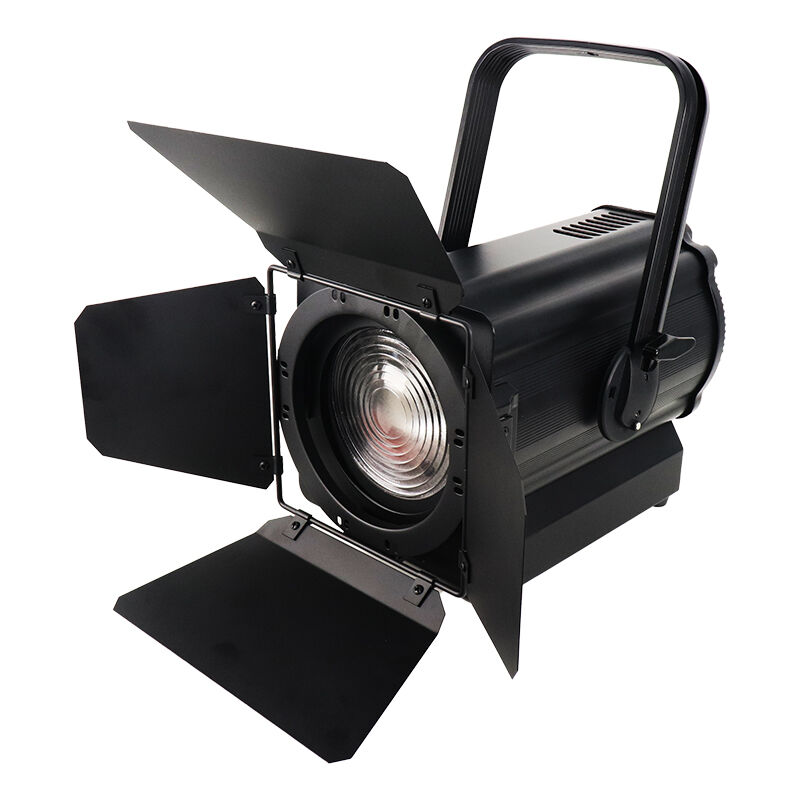
Concert experiences have evolved dramatically over the past decade, with LED lighting playing a pivotal role in transforming live music performances into immersive visual spectacles. Modern audiences expect more than just exceptional sound quality; they demand a complete sensory experience that engages both auditory and visual senses. LED lighting has emerged as the cornerstone technology that enables lighting designers to create breathtaking atmospheres, dynamic color schemes, and synchronized effects that amplify the emotional impact of live music performances.

Revolutionary Advantages of LED Technology in Concert Venues
Energy Efficiency and Sustainability Benefits
LED lighting systems have revolutionized concert production by delivering exceptional energy efficiency compared to traditional halogen and incandescent fixtures. These advanced lighting solutions consume up to 80% less electricity while producing superior brightness levels, enabling venue operators to significantly reduce operational costs and environmental impact. The extended lifespan of LED components, typically ranging from 25,000 to 50,000 hours, minimizes maintenance requirements and replacement expenses during extensive touring schedules.
Concert venues worldwide are increasingly adopting sustainable practices, and LED lighting technology aligns perfectly with environmental responsibility initiatives. The reduced heat generation from LED fixtures creates more comfortable environments for both performers and audiences while decreasing air conditioning demands. This thermal efficiency also protects sensitive musical equipment from heat-related damage, ensuring optimal performance throughout lengthy concert productions.
Versatility and Color Precision Capabilities
Professional LED lighting systems offer unprecedented color mixing capabilities through RGB (Red, Green, Blue) and RGBW (Red, Green, Blue, White) configurations, allowing lighting designers to create virtually unlimited color combinations. The precise digital control over individual color channels enables smooth color transitions, gradient effects, and perfect color matching across multiple fixtures. This level of control was previously impossible with conventional lighting technologies, opening new creative possibilities for concert productions.
Advanced LED fixtures incorporate sophisticated dimming capabilities that maintain consistent color temperature throughout the entire brightness range. This feature ensures that lighting designers can achieve subtle mood changes or dramatic intensity shifts without compromising color quality or introducing unwanted color shifts. The instant response time of LED technology enables rapid strobing effects, synchronized flashing sequences, and precise timing coordination with musical beats and crescendos.
Dynamic Visual Effects and Atmospheric Enhancement
Synchronized Lighting and Music Integration
Modern LED lighting systems integrate seamlessly with digital audio workstations and MIDI controllers, enabling real-time synchronization between lighting effects and musical performances. This technological convergence allows lighting designers to program complex sequences that respond automatically to tempo changes, key signatures, and dynamic variations within the musical composition. The result is a cohesive audio-visual experience where lighting becomes an extension of the musical performance rather than a separate decorative element.
Professional lighting control software provides sophisticated programming tools that enable designers to create intricate lighting choreography aligned with specific songs, instrumental solos, and vocal passages. These systems can store multiple presets and cue sequences, allowing for seamless transitions between different musical segments while maintaining perfect timing coordination. The ability to trigger lighting changes through audio analysis or manual control gives lighting designers unprecedented flexibility during live performances.
Beam Manipulation and Projection Techniques
Advanced LED lighting fixtures incorporate motorized components that enable dynamic beam positioning, focusing, and pattern projection throughout concert venues. Moving head fixtures can create sweeping beam movements, chase sequences, and geometric patterns that follow musical rhythms and enhance spatial awareness within large arena settings. These capabilities transform static lighting installations into dynamic sculptural elements that evolve continuously throughout the performance.
Sophisticated gobos (patterned templates) and prism effects expand the creative potential of LED lighting systems, enabling designers to project custom logos, abstract patterns, and textural effects onto stage surfaces and audience areas. The combination of precise beam control, color mixing, and pattern projection creates layered visual compositions that complement musical arrangements while establishing distinct visual identities for different artists and touring productions.
Audience Engagement and Immersive Experience Creation
Spatial Design and Venue Transformation
LED lighting technology enables complete transformation of concert venues through strategic placement of fixtures that redefine spatial relationships and architectural boundaries. Designers can create the illusion of expanded or contracted spaces, establish intimate performance areas within large venues, or generate immersive environments that envelop audiences in dynamic visual landscapes. The flexibility of LED systems allows for venue-specific customization that maximizes the impact of each unique performance space.
Advanced LED installations can extend beyond traditional stage boundaries to encompass entire venue structures, including ceiling grids, wall surfaces, and audience seating areas. This comprehensive approach creates 360-degree visual experiences where audiences become active participants in the lighting design rather than passive observers. The integration of LED strips, pixel mapping technology, and architectural lighting elements transforms concert venues into immersive artistic environments.
Emotional Resonance and Psychological Impact
Research in environmental psychology demonstrates that lighting significantly influences emotional responses, mood states, and perceived energy levels during live entertainment experiences. LED lighting designers leverage these psychological principles to enhance the emotional impact of musical performances through carefully orchestrated color schemes, intensity variations, and dynamic movements that complement lyrical content and musical themes. The precise control offered by LED technology enables subtle manipulation of audience emotional states throughout concert progressions.
The ability to create smooth color transitions and maintain consistent color quality across large fixture arrays ensures that lighting designs support rather than compete with musical performances. LED systems can generate warm, intimate atmospheres for acoustic segments, explosive high-energy effects for rock anthems, or ethereal ambient environments for electronic music compositions. This emotional versatility makes LED lighting an essential tool for creating memorable concert experiences that resonate with audiences long after performances conclude.
Technical Implementation and Production Considerations
System Integration and Control Infrastructure
Professional LED lighting systems require sophisticated control infrastructure that encompasses DMX512 protocols, Art-Net networking, and wireless communication systems to ensure reliable operation during critical live performances. Modern lighting control consoles provide intuitive interfaces that enable real-time adjustment of individual fixture parameters while maintaining overall design coherence across complex multi-fixture installations. The scalability of LED control systems accommodates productions ranging from intimate club venues to massive stadium concerts.
Network-based control systems enable distributed lighting management where multiple operators can coordinate different aspects of the lighting design simultaneously. This collaborative approach is essential for large-scale productions where different lighting zones, special effects, and backup systems require independent control while maintaining synchronized operation. Advanced troubleshooting capabilities and redundant communication pathways ensure system reliability during critical performance moments.
Power Management and Electrical Requirements
LED lighting systems significantly reduce power consumption requirements compared to traditional concert lighting technologies, enabling more extensive fixture installations within existing electrical infrastructure limitations. The lower power demands allow production companies to deploy larger quantities of lighting fixtures without requiring additional generator capacity or electrical service upgrades. This efficiency translates to reduced production costs and simplified venue logistics for touring productions.
Modern LED fixtures incorporate sophisticated power management circuits that provide consistent performance across varying voltage conditions and temperature fluctuations commonly encountered in touring environments. Built-in thermal protection systems prevent overheating damage while maintaining optimal light output throughout extended operating periods. These reliability features are crucial for professional concert productions where equipment failure can compromise entire performances.
Future Innovations and Emerging Technologies
Artificial Intelligence and Automated Programming
Emerging artificial intelligence applications in LED lighting control systems are beginning to automate complex programming tasks while learning from designer preferences and audience responses. Machine learning algorithms can analyze musical compositions to suggest appropriate lighting sequences, optimize color combinations for specific genres, and adapt lighting intensity levels based on venue acoustics and audience size. These intelligent systems enhance designer creativity while reducing programming time requirements for complex productions.
Advanced sensor integration enables LED lighting systems to respond dynamically to environmental conditions, performer movements, and audience energy levels throughout live performances. Real-time analysis of crowd noise, movement patterns, and physiological responses can trigger automated lighting adjustments that enhance audience engagement and create more personalized concert experiences. This technology represents the next evolution in interactive entertainment production.
Wireless Technology and Remote Operation
Wireless LED lighting systems eliminate complex cable installations while providing complete mobility for temporary installations and outdoor festival applications. Battery-powered LED fixtures with wireless control capabilities enable lighting designers to place fixtures in previously inaccessible locations, creating unique visual perspectives and expanded design possibilities. The reliability and range of wireless communication protocols continue to improve, making wireless LED systems increasingly viable for professional concert applications.
Remote monitoring and control capabilities allow lighting technicians to manage LED systems from any location with internet connectivity, enabling real-time troubleshooting and system optimization during touring productions. Cloud-based control platforms provide centralized management of multiple venue installations while maintaining individual customization capabilities for different performance requirements. This technological advancement streamlines production workflows and reduces on-site technical staffing requirements.
FAQ
What are the main advantages of LED lighting over traditional concert lighting
LED lighting offers superior energy efficiency, consuming up to 80% less power than conventional halogen fixtures while providing greater brightness and color accuracy. LED systems generate minimal heat, have longer lifespans of 25,000-50,000 hours, and offer instant response times for dynamic effects. The precise digital control over color mixing and dimming provides unlimited creative possibilities that were impossible with traditional lighting technologies.
How do LED lighting systems synchronize with live music performances
Modern LED lighting systems integrate with digital audio workstations and MIDI controllers to enable real-time synchronization with musical performances. Advanced control software can analyze audio signals to automatically trigger lighting changes based on tempo, key changes, and dynamic variations. Lighting designers can program complex sequences that respond to specific musical cues while maintaining manual override capabilities for live adjustments during performances.
What factors should venues consider when upgrading to LED concert lighting
Venues should evaluate their existing electrical infrastructure capacity, control system compatibility, and budget requirements when planning LED lighting upgrades. Consider the venue size, typical event types, and desired creative capabilities when selecting appropriate LED fixture types and quantities. Professional consultation with experienced lighting designers and system integrators ensures optimal system configuration that meets both current needs and future expansion possibilities.
Can LED lighting systems be customized for different musical genres and artists
LED lighting systems offer exceptional customization capabilities through programmable presets, color palettes, and effect libraries tailored to specific musical genres and artist preferences. Lighting designers can create unique visual identities for different performers while maintaining consistent quality across various venue types. The flexibility of LED technology enables rapid reconfiguration between different acts during multi-artist events, maximizing versatility for diverse programming requirements.
Table of Contents
- Revolutionary Advantages of LED Technology in Concert Venues
- Dynamic Visual Effects and Atmospheric Enhancement
- Audience Engagement and Immersive Experience Creation
- Technical Implementation and Production Considerations
- Future Innovations and Emerging Technologies
-
FAQ
- What are the main advantages of LED lighting over traditional concert lighting
- How do LED lighting systems synchronize with live music performances
- What factors should venues consider when upgrading to LED concert lighting
- Can LED lighting systems be customized for different musical genres and artists