תעשיית האור להנאה חשה צמיחה עצומה בשנים האחרונות, בעקבות הביקוש הגובר לאורות ניידים ברמה מקצועית בתחומים יישומיים מגוונים. יצרנים ויצרנים לפי הזמנה (OEM ו-ODM) ממלאים תפקיד קריטי בייצור והפצה של פתרונות האור המתקדמים הללו לשוק הבינלאומי. הבנת הדגמים של האורות הניידים שמשכו את תשומת הלב של שותפי הייצור הללו מספקת תובנות חשובות בנוגע לטרנדים הנוכחיים בשוק ולהעדפות הטכנולוגיות שמעצבות את נוף התעשייה.
דינמיקת השוק שמעוררת את העדפות ה-OEM וה-ODM
דפוסי הביקוש הבינלאומי לאורות מקצועיים אורות נעים
השוק הגלובלי של אורות ניידים חווה צמיחה אקספוננציאלית, ויצרנים של יצרניות מקוריות (OEM) ויצרנים שמייצרים לפי דרישה (ODM) מגיבים לדרישות הגוברות מזקיפי קונצרטים, תיאטראות, מועדוני לילה ופרויקטים של תאורה ארכיטקטונית. מעצבים מקצועיים של תאורה ומנהלי זקיפים מחפשים אורות רב-תכליתיים שמספקים ביצועים יוצאי דופן תוך שמירה על יעילות עלות. דפוס הביקוש הזה משפיע על המודלים של אורות ניידים שיצרני ה-OEM וה-ODM מעדיפים להכניס לתכונות המוצרים שלהם, תוך התמקדות בעיצובים שמשלבים פונקציונליות מתקדמת עם יעילות בייצור.
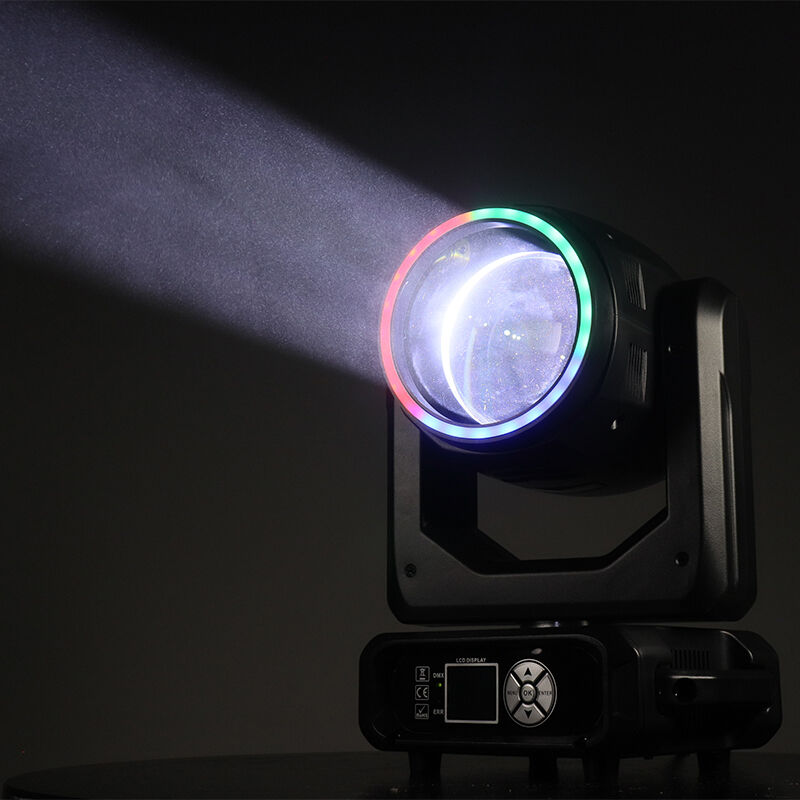
מחקר שוק מצביע על כך שמזוודות היברידיות מסוג Beam-Wash מהווים אחד המגזרים בעלי קצב הגידול המהיר ביותר בקטגוריית המזוודות המניעות. יחידות רב-תכליתיות אלו מושכות שותפים של יצרנים אופציונליים (OEM) בשל הפונקציונליות הכפולה שהן מציעות, מה שמפחית את מורכבות המלאי ומקסם את הגמישות ביישום. האפשרות להחליף בין דפוסי קרן צרים לטווח רחב של כיסוי 'Wash' הופכת מזוודות נעות אלו למשיכה במיוחד לייצרנים המשרתים מגזרים שוק מגוונים.
דרישות אינטגרציה טכנולוגית
פעולות מודרניות של יצרנים אופציונליים (OEM) ויצרנים למפתח (ODM) דורשות מזוודות נעות הכוללות טכנולוגיה חדשנית תוך שמירה על יכולת ייצור בקנה מידה גדול. מזוודות מבוססות LED הפכו לבחירה המועדפת בשל היעילות האנרגטית שלהן, משך חייהן הארוך והחום הנמוך בהשוואה למנורות פליטה מסורתיות. תכונות מתקדמות כגון יכולת DMX אלחוטית, מערכות קליברציה אוטומטיות וניהול חכם של החום מהווים גורמי הבחנה מרכזיים המשפיעים על החלטות הבחירה של השותפים.
השילוב של תכונות חיבור חכמות הפך חשוב יותר ויותר לייצרני אורות נעים. שותפי ה-OEM מעדיפים דגמים התומכים בפרוטוקולים סטנדרטיים לתעשייה, תוך הצעת שיפורים ייחודיים שמייצרים את ההבדל בין ההצעות המותגיות שלהם. מורכבות טכנולוגית זו חייבת להיות מאוזנת עם יכולת הרחבה של הייצור כדי להבטיח פעולות ייצור rentabilיות.
קטגוריות מועדפות של אורות נעים בקרב שותפי ייצור
מפרט אורות נעים מסוג Beam
אורות נעים מסוג Beam ממשיכים לשלוט בהעדפות ה-OEM בשל עוצמת הפליטה המרשימה והמאפיינים המדויקים של הבקרה שלהם. התקנים אלו כוללים בדרך כלל זוויות קרן צרות בטווח של 1 עד 4 מעלות, ויוצרים אפקטים אוויריים דרמטיים שמשיבים את תשומת הלב של הקהל בכל סוגי מסעדות הבידור. שותפי הייצור מעריכים את העיצוב האופטי היחסית פשוט שמאפשר בקרת איכות עקבית בתהליכי הייצור.
האורות המניעים מסוג בeam המבוקשים ביותר כוללים מערכים של LED בעלי יעילות גבוהה או נורות פלזמה קומפקטיות שמספקות את הפליטה האורית המרבית תוך מינימיזציה של צריכת החשמל. שותפים ל-OEM מעריכים במיוחד דגמים שמגיעים ליחס אופטימלי בין ביצועים למשקל, מאחר שעלות ההובלה משפיעה באופן משמעותי על הכלכלה הכוללת של הפרויקטים בשווקים הבינלאומיים.
תכונות אורות ניידים מסוג Wash
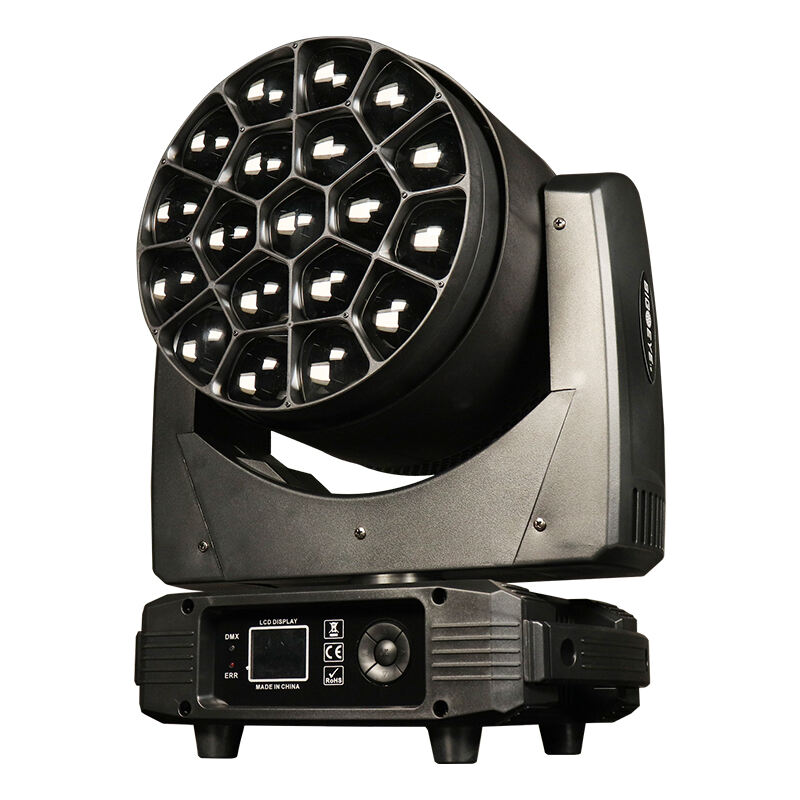
אורות ניידים מסוג Wash מייצגים קטגוריה נוספת קריטית שמעוררת עניין רב מצד יצרנים ומשתתפי ODM. התקנות הללו מספקות התפשטות אור רחבה ואחידה, אשר אידיאלית לשטיפת במה, תאורה דקורטיבית מבנית והשקייה כללית. זוויות ה-beam הרחבות יותר, שכוללות בדרך כלל טווח של 7 עד 50 מעלות, דורשות מערכות אופטיות מתוחכמות שיוצרות אתגרים ייחודיים לייצור, אך גם הזדמנויות.
תאורת רחצה מתקדמת ניידת כוללת לעיתים קרובות מערכות ערבוב צבעים המשתמשות במערכים של LED מסוג RGB, RGBW או טווח צבעים מורחב. שותפי ייצור מעדיפים עיצובים שממגינים על עקביות הצבע בכל שדה הזרק while שומרים על עקומות כיבוי חלקות לאורך טווח העוצמה כולו. דרישות טכניות אלו משפיעות על המודלים הספציפיים שבוחרים שותפים של OEM ו-ODM לכלול בשורות המוצרים שלהם.
היבטים לעיצוב לצורך הצלחה של OEM ו-ODM
דרישות הנדסת מכונות
התכנון המכני של תאורת ניידת משפיע באופן משמעותי על התאמתה לייצור ועל האמינות שלה לאורך זמן, ולכן מהווה שיקול עיקרי לשותפים של OEM ו-ODM. מנגנוני סיבוב ואופק חזקים חייבים לעמוד בתפעול מתמשך תוך שמירה על דיוק מדויק במיקום לאורך תקופות ארוכות. שותפי ייצור נותנים עדיפות לעיצובים המשתמשים ברכיבים זמינים בקלות ובמחברים סטנדרטיים כדי למזער את מורכבות שרשרת האספקה.
ניהול תרמי מהווה היבט עיצובי קריטי שמשפיע על העדפות יצרנים של ציוד מקורי (OEM) למודלים מסוימים. אורות נעים מערכות פיזור חום יעילות מאריכות את אורך חיים של רכיבים ומשמרות מאפייני ביצועים עקביים. שותפים מעדיפים עיצובים שכוללים פתרונות קירור פסיביים או מערכות מאווררים יעילות שפועלות בשקט תוך כדי ספקת בקרת חום מספקת.
אופטימיזציה של מערכת אופטית
הביצוע האופטי משפיע ישירות על המנוף השווקי של נורות נעות, מה שהופך את עיצוב העדשות והמחזירים לגורמים קריטיים בתהליכי הבחירה של יצרני ציוד מקורי (OEM) ויצרני ציוד מותאם (ODM). אופטיקה באיכות גבוהה מבטיחה הפצה אחידה של האור, ממזערת סטיות אופטיות ומקסימה את יעילות פליטת האור. שותפי ייצור מחפשים עיצובים שמגשרים בין הביצועים האופטיים לשקולות עלות הייצור, תוך שמירה על איכות עקיבה לאורך כל סדרות הייצור.
תכונות אופטיות מתקדמות כגון זום ממונע, שליטה במיקוד ומערכות עדשות ניתנות להחלפה מוסיפות מורכבות לתהליכי היצור, אך משפרות באופן משמעותי את הגמישות של המוצר. שותפי OEM חייבים לערוך הערכה זהירה האם יכולות משופרות אלו מצדיקות את ההשקעה הנוספת בייצור, בהתבסס על דרישות השוק היעד ואסטרטגיות המיקום התחרותי.
העדפות למערכת הבקרה האלקטרונית
יישום פרוטוקול DMX
רמקולים ניידים מודרניים דורשים מערכות בקרה אלקטרוניות מתוחכמות שתומכות בפרוטוקולי DMX הסטנדרטיים בתעשייה, תוך הצעת פונקציונליות משופרת באמצעות הרחבות ייחודיות. שותפים מסוג OEM ו-ODM מעדיפים תכנונים הכוללים מערכות מיקרו-בקרות אמינות עם עוצמת עיבוד מספקת כדי להתמודד עם אלגוריתמי תאורה מורכבים ועם התאמות פרמטרים בזמן אמת.
יישום היכולת של DMX אלחוטי הפך חשוב יותר ויותר ליישומים מודרניים של אורות ניידים. יצרנים שותפים מעדיפים דגמים המدمגים באופן חלק מקלטי אלחוטיים תוך שמירה על שלמות האות והעיכוב המינימלי. תכונות אלו משפרות את גמישות ההתקנה ומצמצמות את דרישות הכבלון בהתקנות תאורה מורכבות.
עיצוב ממשק משתמש
ממשקים אינטואיטיביים למשתמש משפיעים במידה רבה על קבלת השוק של מוצרים של אורות ניידים, ומשפיעים על העדפות שותפים של יצרני ציוד מקור (OEM) ויצרני ציוד בדיקות (ODM). מבני תפריטים ברורים, פקדים מגיבים ומערכות תצוגה מקיפות משפרות את חוויית המשתמש ומצמצמות את דרישות האימון עבור מפעילי תאורה. שותפים נותנים עדיפות לעיצובים המאזנים בין פונקציונליות לנוחות שימוש בדרגות כישורים מגוונות.
תכונות מתקדמות בממשק המשתמש, כגון מסכים עם טכנולוגיית מגע, אינטגרציה עם יישומי סמרטפון ומכוני תצורה מבוססי ענן, מהוות מגמות צומחות ששותפים של יצרני מכשירים מקוריים (OEM) קדмонיות משלבות בהצעותיהם של נורות ניידות. חדשנות זו מבדילה את המוצרים בשווקים תחרותיים תוך כדי יצירת הזדמנויות הכנסה נוספות באמצעות רישיונות תוכנה ושירותי תמיכה.
אשורה לפיכוח איכות והסטנדרטים של בדיקה
בקרת איכות ביצור
איכות עקבית מהווה דרישה בסיסית להצלחה של פעולות יצרני מכשירים מקוריים (OEM) ויצרני מכשירים ללקוח (ODM) בתעשייה של נורות ניידות. שותפי הייצור מיישמים פרוטוקולי בדיקות מקיפים המאמתים את הביצועים האופטיים, הנאמנות המכנית והפונקציונליות האלקטרונית לפני שהמוצרים מגיעים למשתמשים הסופיים. תהליכי בקרת האיכות הללו משפיעים על הבחירות של שותפי הייצור באילו עיצובי נורות ניידות לייצר, בהתבסס על היכולת לבדוק אותם ועל אפשריות בקרת האיכות.
ציוד וاجراءי בדיקה מתקדמים מבטיחים שכל יחידת אורות ניידות עומדת בקריטריוני הביצוע המוגדרים, ובו בזמן מזהים בעיות אפשריות באימונים של האמינות לפני השקה לשוק. שותפי OEM משקיעים משאבים גדולים במערכות בקרת איכות שמשמרות את שמו של המותג, תוך הקטנת עלויות הערבות והדרישות לתמיכה הלקוח.
דרישות אישורים והתאמות
סטנדרטים בינלאומיים לביטחון וביצועים משפיעים באופן משמעותי על מודלים של אורות ניידות ששותפים של OEM ו-ODM יכולים לשווק בהצלחה באזורים גלובליים. התאמה לתקנות כגון סימון CE, אישור FCC ודרישות דירוג IP מהווה שיקולים חיוניים בתהליכי בחירת המוצר ופיתוחו.
סטנדרטים של התאמה לסביבה, כולל התאמה לדרישת RoHS ודרישות יעילות אנרגטית, משפיעים במידה הולכת וגדלה על החלטות שותפי הייצור בנוגע לפורטפוליו של מוצרי אורות ניידים. השותפים חייבים להבטיח שעיצובים שנבחרו עונים על הדרישות التنظימיות הנוכחיות, תוך ציפייה לעדכונים עתידיים בסטנדרטים שעלולים להשפיע על היתכנות השוק האורכית.
אסטרטגיות אופטימיזציה של עלויות לייצור אורות ניידים
אספקת רכיבים וניהול שרשרת האספקה
אסטרטגיות אפקטיביות לאספקת רכיבים משפיעות באופן משמעותי על הרווחיות של פעולות ייצור אורות ניידים. שותפי OEM ו-ODM נותנים עדיפות לעיצובים המשתמשים ברכיבים סטנדרטיים הזמינים מספקים מרובים, ובכך מפחיתים את הסיכון בשרשרת האספקה ומשמרים תחרותיות מבחינת עלויות. קשרים אסטרטגיים עם יצרני רכיבים מרכזיים מאפשרים לשותפים להשיג מחירים מועדפים ולוחות זמנים אמינות באספקה.
הבחירה של מערכי LED, מנועים ואלקטרוניקה בקרתית מהווה החלטות קריטיות המשפיעות הן על עלויות הייצור והן על ביצועי המוצר הסופי. שותפים בוחנים בזהירות את مواפייני הרכיבים, נתוני הנאמנות וזמינותם לטווח הארוך בעת בחירת מודלים של אורות ניידים שייכללו בסחר ייצור שלהם.
השתפרות יעילות יצור
יעילות הייצור משפיעה ישירות על התחרותיות של מוצרים של אורות ניידים בשווקים הבינלאומיים. שותפים של יצרני ציוד מקורי (OEM) ושותפים של יצרני עיצוב ותכן (ODM) מעדיפים תכנונים שממזערים את מורכבות ההרכבה תוך שמירה על סטנדרטי האיכות ודרישות הביצועים. תהליכי הרכבה אוטומטיים ופרוצדורות בדיקה סטנדרטיות מפחיתים את עלויות הייצור ובאותו זמן מבטיחים איכות אחידה לאורך נפחים גדולים של ייצור.
יוזמות שיפור מתמיד מרכזות את תשומת לבן על זיהוי הזדמנויות לזריזות תהליכי היצור ללא פגיעה באיכות או באימונים של המוצר. מאמצים אלו מאפשרים לשותפים לשמור על תמחור תחרותי תוך השקעה בפעילויות מחקר ופיתוח שמעודדות חדשנות עתידית בטכנולוגיית אורות ניידים.
שאלות נפוצות
אילו גורמים שוקלים שותפים יצרנים (OEM) בבחירת דגמי אורות ניידים לייצור?
שותפים יצרנים (OEM) מעריכים גורמים מרובים, כולל פוטנציאל הביקוש השוקי, מורכבות הייצור, זמינות רכיבים, דרישות התאמה והשוליים הרווחיים. הם נותנים עדיפות לעיצובי אורות ניידים בעלי כריזמה שוקית חזקה, תוך שמירה על תהליכי ייצור מעשיים ומבנים עלות מקובלים. مواصفות טכניות, דרישות אמינות ומיקום תחרותי משפיעים אף הם באופן משמעותי על החלטות הבחירה.
באילו דרישות ייצור נבדלים אורות ניידים מסוג Beam ואורות ניידים מסוג Wash?
למנורות ניידות מסוג Beam דרישה לדיוק גבוה בהזנת האופטיקה ולמקורות אור בעלי עוצמה גבוהה, מה שדורש בקרת איכות מחמירה בתהליכי ההרכבה. למנורות ניידות מסוג Wash יש מערכות מתוחכמות לערבוב צבעים ואופטיקה של זווית רחבה, אשר יוצרות אתגרים ייחודיים בייצור. לשני הסוגים יש צורך במערכות מכניות עמידות, אך מתקנים מסוג Wash כוללים בדרך כלל מערכות בקרה אלקטרוניות מורכבות יותר לניהול הצבעים ולעיצוב קרן האור.
אילו תפקיד ממלאת טכנולוגיית ה-LED בזרמי הייצור הנוכחיים של מנורות ניידות
טכנולוגיית ה-LED הרוויחה את ייצור המנורות המניעות על ידי ספקת מקורות אור חסכוניים באנרגיה עם תקופת חיים אופרטיבית ארוכה ודרישות נמוכות יותר לניהול חום. מערכים מודרניים של LED מאפשרים עיצובים קומפקטיים של התקנים תוך כדי מספקים פליטה אורית יוצאת דופן ודיוק צבעי. שותפים לייצור (OEM) מעדיפים באופן גובר עיצובים מבוססי LED בשל עלויות אחריות נמוכות יותר, צריכת חשמל נמוכה יותר ואמינות משופרת בהשוואה למערכות נורות פריקה מסורתיות.
איך תכונות הבקרה беспроводית משפיעות על החלטות הייצור של שותפי OEM למנורות המניעות
יכולות הבקרה беспровודית משפרות באופן משמעותי את המניעות השוקית של פנסי התנועה על ידי פישוט תהליכי ההתקנה וצמצום דרישות הכבלון. שותפי OEM מודעים לכך שמאפייני הבקרה беспровודית מבדילים את מוצריהם בשווקים תחרותיים, ובנוסף מספקים הזדמנויות להכנסות נוספות דרך רישיונות תוכנה ושירותי תמיכה. עם זאת, מאפיינים אלו מוסיפים מורכבות לתהליכי היצור ודורשים פרוטוקולי בדיקה נוספים כדי להבטיח ביצועי беспровודית אמינים בסביבות הפעלה שונות.
תוכן העניינים
- דינמיקת השוק שמעוררת את העדפות ה-OEM וה-ODM
- קטגוריות מועדפות של אורות נעים בקרב שותפי ייצור
- היבטים לעיצוב לצורך הצלחה של OEM ו-ODM
- העדפות למערכת הבקרה האלקטרונית
- אשורה לפיכוח איכות והסטנדרטים של בדיקה
- אסטרטגיות אופטימיזציה של עלויות לייצור אורות ניידים
-
שאלות נפוצות
- אילו גורמים שוקלים שותפים יצרנים (OEM) בבחירת דגמי אורות ניידים לייצור?
- באילו דרישות ייצור נבדלים אורות ניידים מסוג Beam ואורות ניידים מסוג Wash?
- אילו תפקיד ממלאת טכנולוגיית ה-LED בזרמי הייצור הנוכחיים של מנורות ניידות
- איך תכונות הבקרה беспроводית משפיעות על החלטות הייצור של שותפי OEM למנורות המניעות