Professional Front of Stage Lighting Systems: Advanced LED Technology & Precise Control Solutions

Get a Free Quote

Our representative will contact you soon.
Email
Name
Company Name
Message
0/1000

front of stage lighting

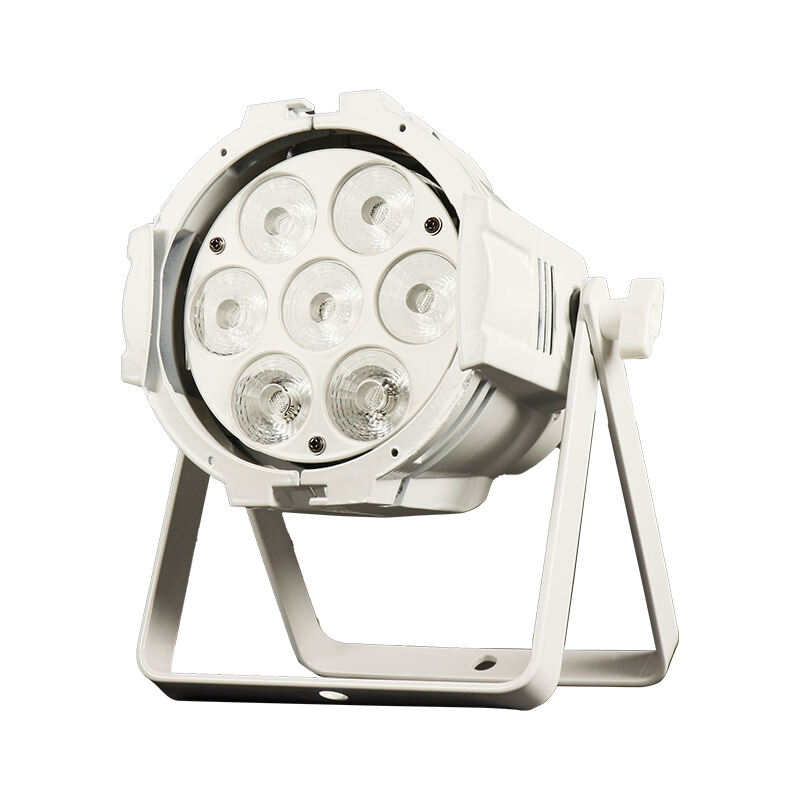
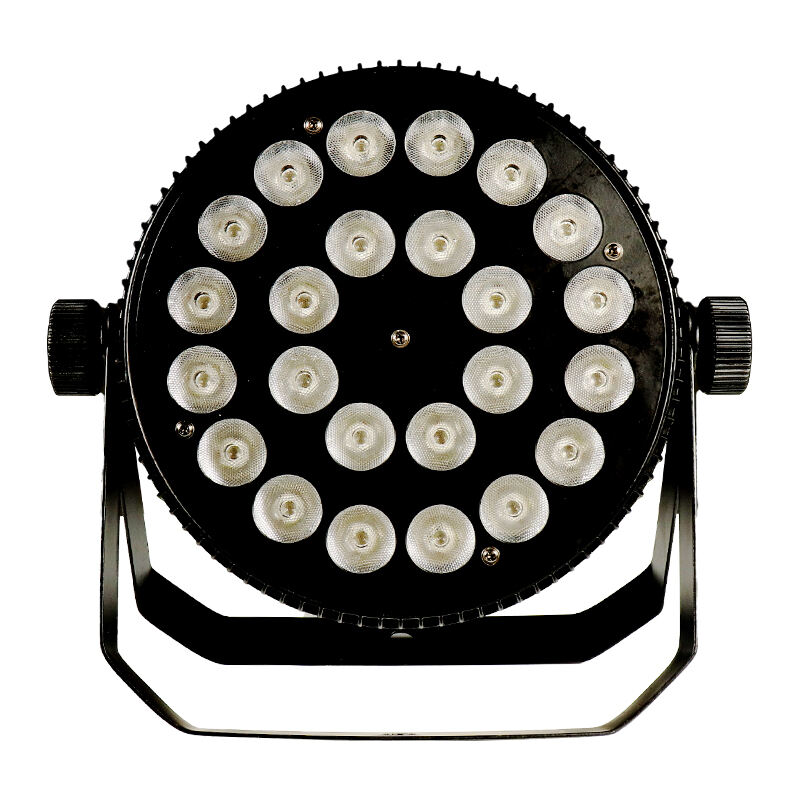
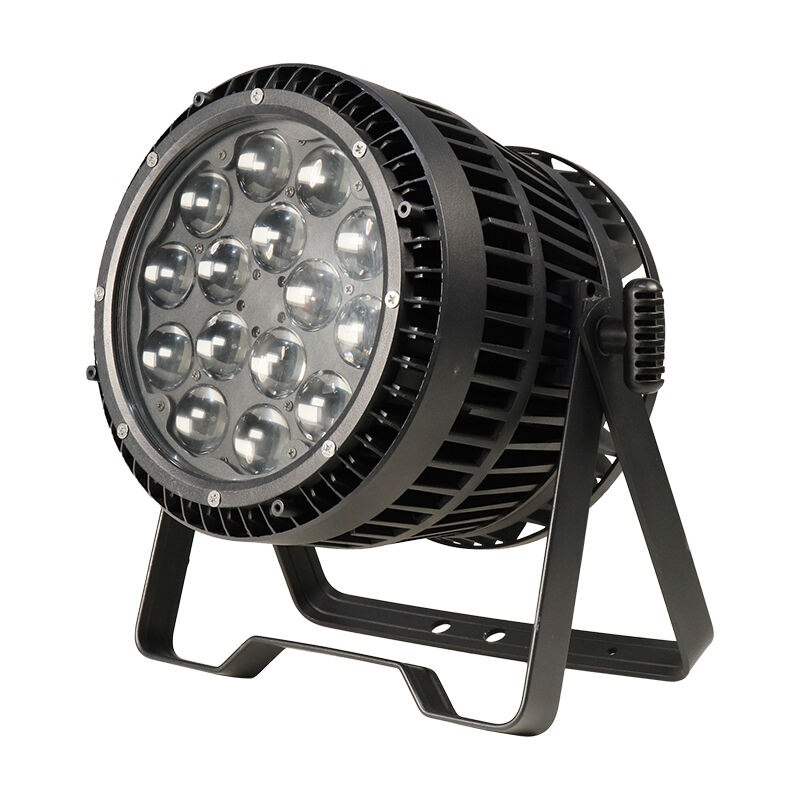
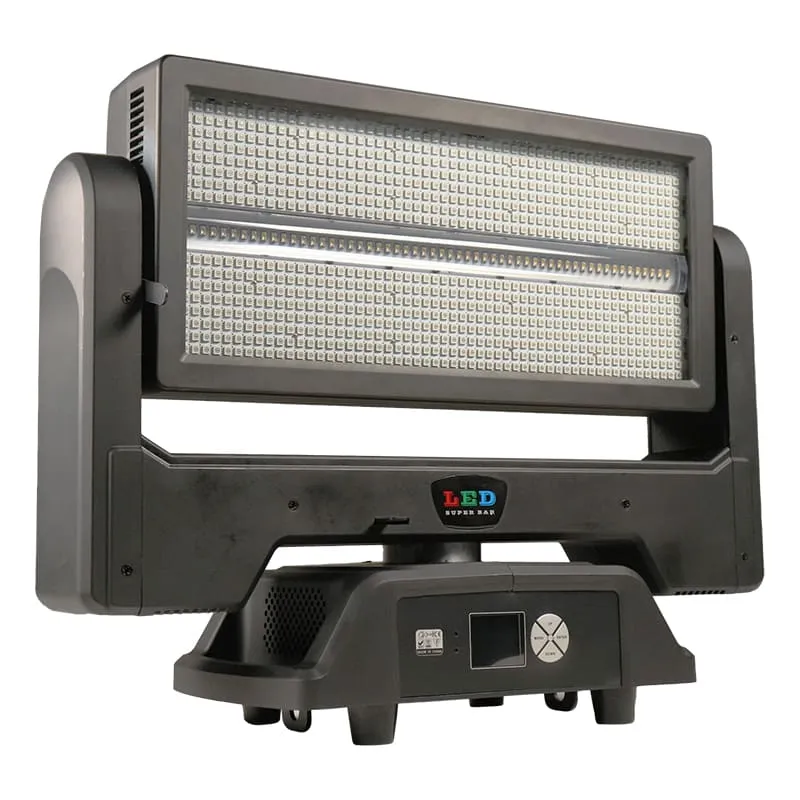
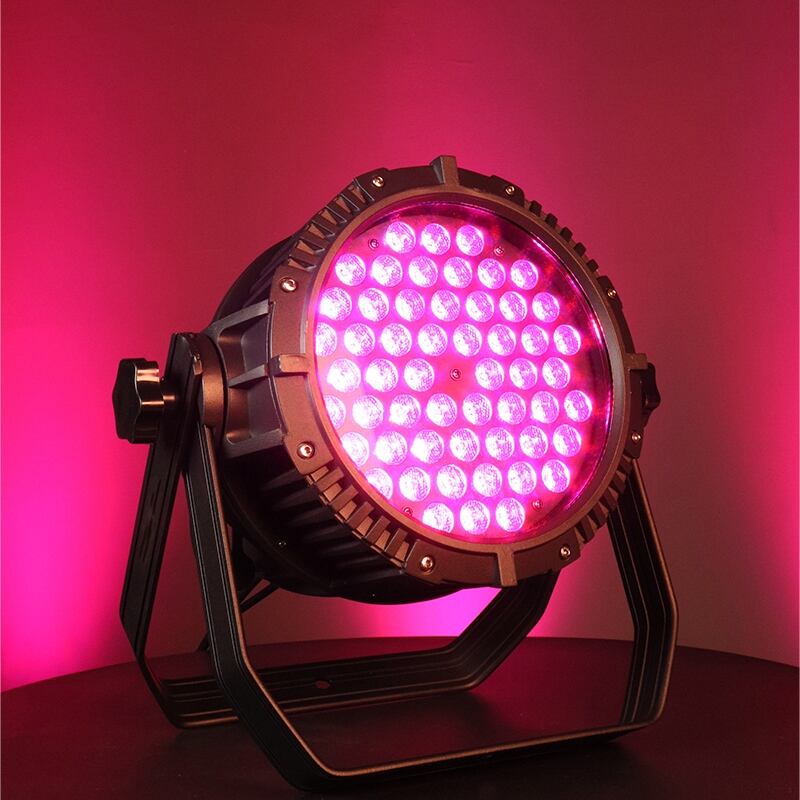
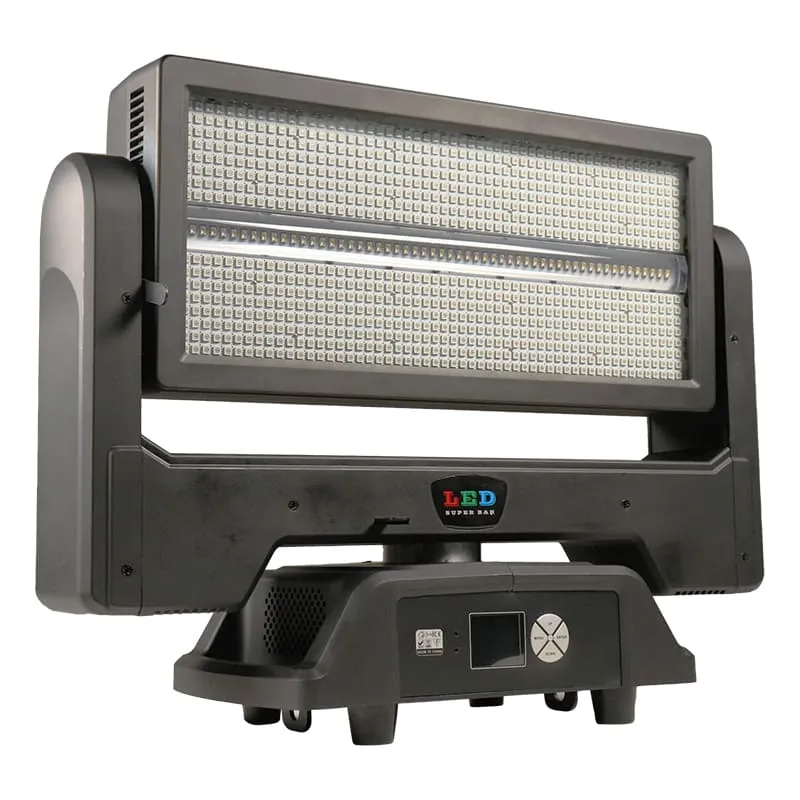
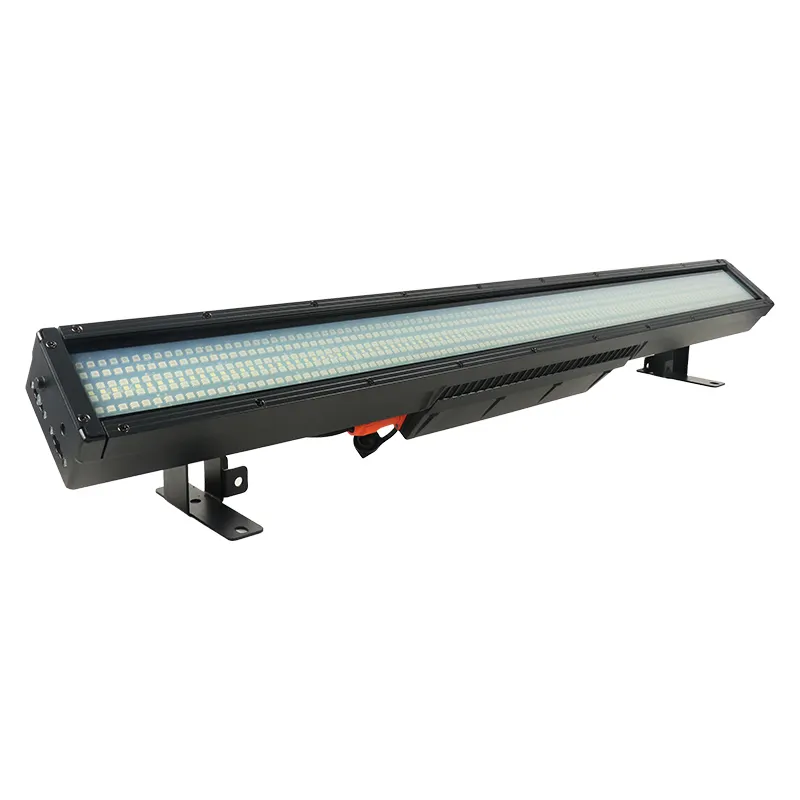
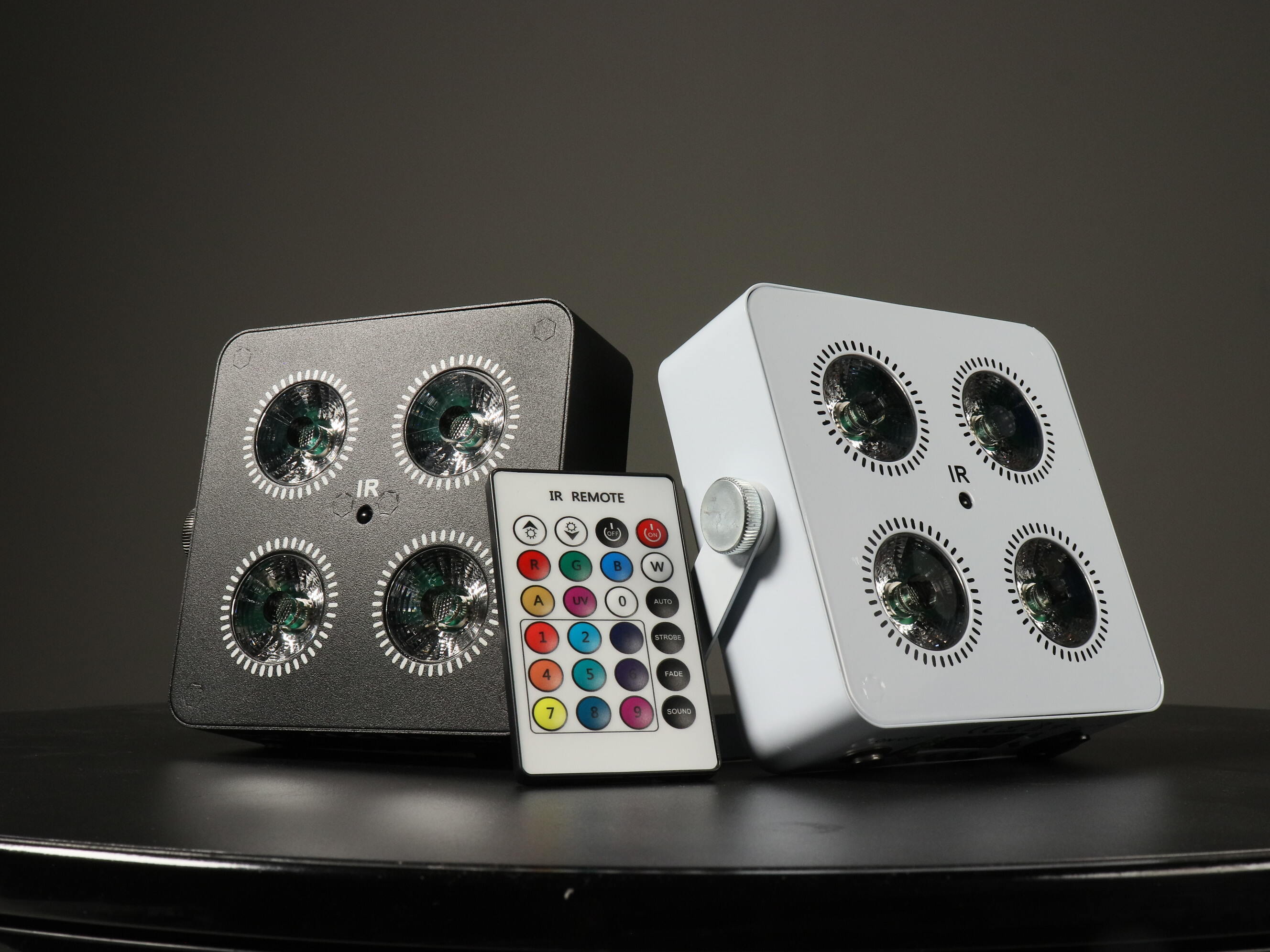
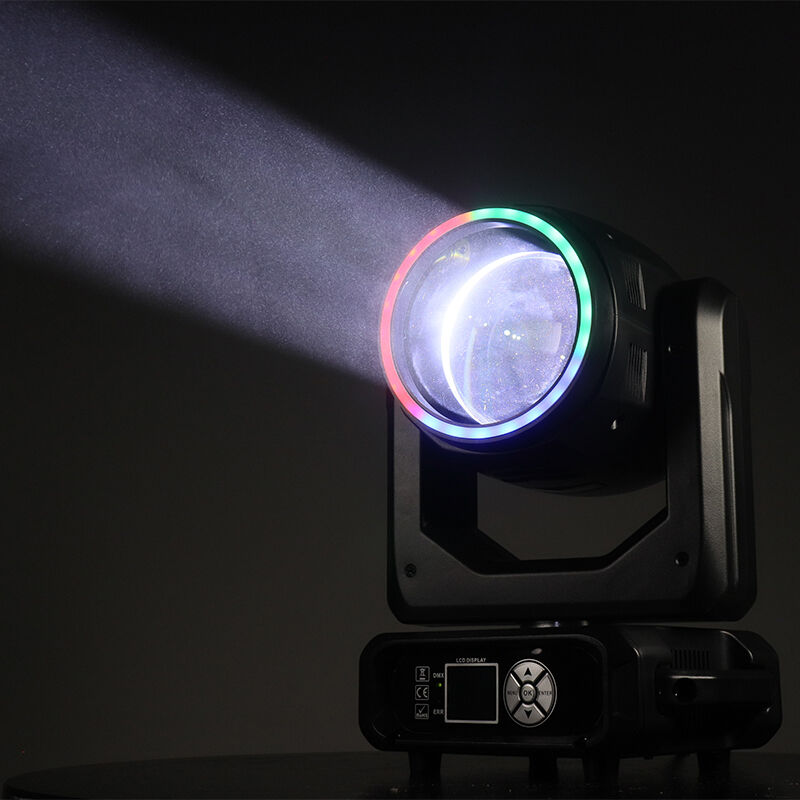
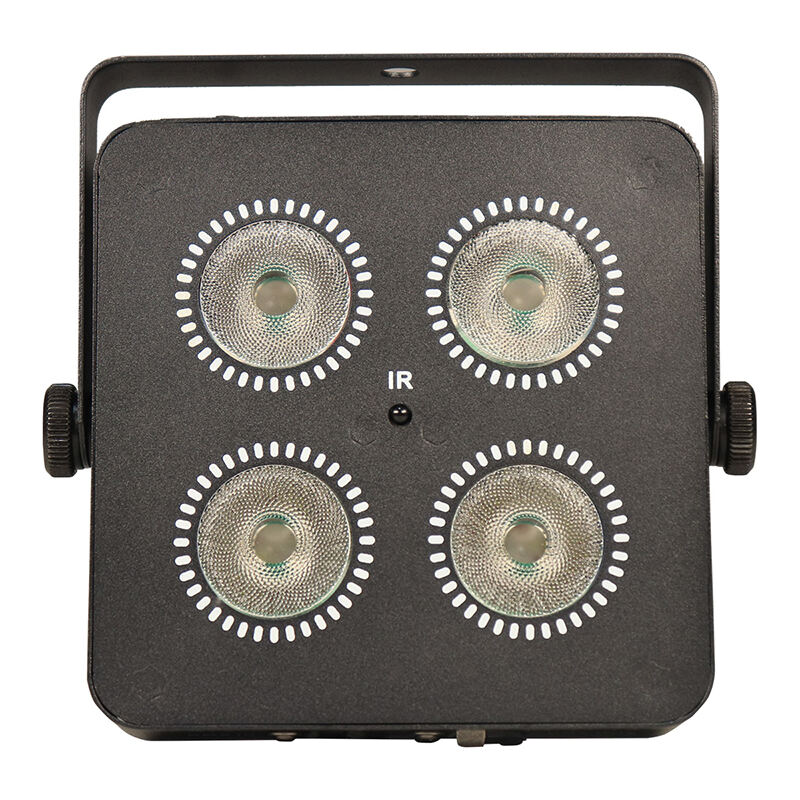
Front of stage lighting represents a crucial component in theatrical and entertainment production, positioned strategically to illuminate performers from the audience's perspective. This lighting system encompasses various fixtures mounted in front of the performance area, typically installed on lighting bars, trusses, or dedicated positions within the venue. The primary purpose of front of stage lighting is to provide essential visibility for performers while creating dramatic effects that enhance the overall production quality. These lighting systems utilize advanced LED technology, traditional incandescent bulbs, or specialized discharge lamps to deliver consistent, controllable illumination. Modern front of stage lighting systems incorporate sophisticated control mechanisms, allowing operators to adjust intensity, color temperature, and beam characteristics in real-time. The fixtures are designed with precision optics that ensure even light distribution across the performance space, eliminating unwanted shadows and hotspots. Advanced models feature motorized functions including pan, tilt, zoom, and focus capabilities, enabling dynamic lighting changes throughout performances. The technological features of front of stage lighting include DMX control compatibility, wireless connectivity options, and energy-efficient designs that reduce operational costs. These systems often incorporate color mixing technology, allowing seamless transitions between different lighting moods and atmospheres. The robust construction of professional front of stage lighting ensures reliable operation in demanding environments, with weatherproof ratings for outdoor applications. Integration capabilities with existing lighting control systems make front of stage lighting adaptable to various venue configurations. The versatility of these systems extends beyond traditional theater applications, finding use in concert venues, corporate events, broadcast studios, and architectural installations. Professional front of stage lighting systems offer precise beam control, reducing light spill into unwanted areas while maximizing illumination where needed most.

New Product Releases

Front of stage lighting delivers exceptional performance benefits that transform any production or event into a professional-grade experience. The most significant advantage lies in its ability to provide consistent, high-quality illumination that ensures performers remain clearly visible to audiences regardless of venue size or ambient conditions. This reliable visibility enhancement directly translates to improved audience engagement and satisfaction, making every performance more impactful and memorable. Energy efficiency represents another major benefit, as modern front of stage lighting systems consume significantly less power compared to traditional alternatives while delivering superior light output. This efficiency reduces operational costs substantially, allowing venues to allocate resources more effectively across their productions. The long lifespan of contemporary lighting fixtures minimizes maintenance requirements and replacement costs, creating long-term financial savings that justify the initial investment. Versatility stands as a core strength of front of stage lighting, offering multiple color options, beam angles, and intensity levels that adapt to diverse performance requirements. This flexibility eliminates the need for multiple specialized lighting systems, streamlining equipment management and reducing storage demands. The precise control capabilities of modern front of stage lighting enable operators to create sophisticated lighting designs that enhance storytelling and emotional impact. Quick setup and teardown processes save valuable time during event preparation, allowing crews to focus on other critical production elements. The durability of professional-grade front of stage lighting ensures consistent performance across countless events, providing reliable return on investment. Advanced control integration allows seamless operation with existing venue systems, eliminating compatibility concerns and simplifying technical requirements. The compact design of many front of stage lighting fixtures maximizes installation options while minimizing visual obstruction, preserving the aesthetic integrity of performance spaces. Wireless control capabilities enhance operational flexibility, enabling lighting adjustments from various positions throughout the venue without complex cable routing. The professional appearance of quality front of stage lighting systems enhances venue credibility and attracts higher-caliber events and performers. Safety features built into modern fixtures protect both equipment and personnel, ensuring compliance with industry standards and regulations. The scalability of front of stage lighting systems allows venues to expand their capabilities gradually, matching growth with strategic investments rather than requiring complete system overhauls.

Tips And Tricks

How Do Strobe Lights Elevate the Energy of Concerts and Dance Events

24

Oct

How Do Strobe Lights Elevate the Energy of Concerts and Dance Events

The Electrifying Impact of Strobes in Live Entertainment The pulsating flash of strobe lights has become an inseparable element of modern live entertainment, transforming ordinary venues into otherworldly spaces of pure energy and excitement. These p...
View More
How Do Professionals Plan and Execute Large-Scale Stage Lighting Projects

07

Nov

How Do Professionals Plan and Execute Large-Scale Stage Lighting Projects

The Art and Science Behind Professional Stage Illumination Stage lighting projects represent the perfect fusion of technical expertise and creative vision. From Broadway productions to massive concert venues, the success of any performance heavily re...
View More
What Equipment Is Crucial for Professional Concert Lighting Setups

07

Nov

What Equipment Is Crucial for Professional Concert Lighting Setups

Professional concert lighting transforms ordinary performances into unforgettable experiences that captivate audiences and create lasting memories. The art of stage illumination requires careful planning, specialized equipment, and technical expertis...
View More
How Do Concert Lighting Designs Influence Audience Engagement and Experience

07

Nov

How Do Concert Lighting Designs Influence Audience Engagement and Experience

Concert lighting designs serve as the invisible conductor orchestrating the emotional journey of every live performance, transforming simple musical presentations into immersive spectacles that captivate audiences worldwide. Professional lighting des...
View More

Get a Free Quote

Our representative will contact you soon.
Email
Name
Company Name
Message
0/1000

front of stage lighting

Advanced Color Mixing Technology

Advanced Color Mixing Technology

Front of stage lighting systems equipped with advanced color mixing technology revolutionize the creative possibilities available to lighting designers and venue operators. This sophisticated feature combines multiple LED arrays or color filters to produce an virtually unlimited spectrum of colors and hues, enabling precise color matching and smooth transitions that were previously impossible with traditional lighting systems. The technology utilizes RGB, RGBW, or even more complex color mixing arrays that blend primary colors at the source, eliminating the need for external color filters or gels that can fade, burn, or require frequent replacement. This capability significantly reduces operational costs while expanding creative options exponentially. The precision of modern color mixing allows operators to reproduce specific brand colors for corporate events, match scenic elements perfectly, or create subtle color variations that enhance mood and atmosphere throughout performances. The smooth dimming characteristics of LED-based color mixing ensure consistent color temperature across all intensity levels, preventing the color shifts that plagued earlier lighting technologies. This consistency proves invaluable for broadcast applications where color accuracy is critical for professional video production. The speed of color changes possible with electronic color mixing enables dynamic lighting effects that synchronize perfectly with music, dialogue, or action sequences, creating immersive experiences that captivate audiences. Energy efficiency benefits multiply when using color mixing technology, as the system only generates the specific wavelengths needed for each color, eliminating waste associated with filtering white light. The longevity of LED-based color mixing components far exceeds traditional alternatives, reducing maintenance schedules and replacement costs significantly. Programming capabilities allow operators to save custom color palettes and recall them instantly, streamlining show preparation and ensuring consistent results across multiple performances. The integration of color mixing technology with advanced control protocols enables sophisticated pre-programmed sequences that reduce operator workload while maintaining professional-quality results.
Precision Beam Control and Focusing

Precision Beam Control and Focusing

The precision beam control and focusing capabilities of modern front of stage lighting systems provide unparalleled accuracy in light placement and distribution, essential for professional productions and high-quality events. This advanced feature encompasses multiple technological elements working together to deliver exact illumination where needed while minimizing unwanted light spill or glare. Motorized zoom functions allow operators to adjust beam angles remotely, transitioning from wide flood lighting that covers large areas to tight spot beams that highlight individual performers or specific stage elements. This flexibility eliminates the need for multiple fixture types and reduces equipment requirements significantly. The precision focusing mechanisms enable sharp edge definition or soft feathered transitions, depending on artistic requirements, providing lighting designers with complete creative control over visual composition. Advanced optical systems incorporate high-quality lenses and reflectors that maintain consistent light distribution across the entire beam field, preventing hotspots or dark areas that compromise visual quality. The motorized focus capability allows real-time adjustments during performances, enabling dynamic effects that follow action or emphasize dramatic moments without requiring manual intervention. This remote control capability proves invaluable in venues where fixtures are mounted in difficult-to-reach positions, eliminating safety risks associated with manual adjustments during shows. The precision of modern beam control systems extends to pan and tilt functions, offering smooth, silent movement that can track performers across the stage or create sweeping effects that enhance musical passages. Programmable position memory allows operators to store specific focus points and recall them instantly, ensuring consistent lighting positions across multiple performances or different scenes within the same production. The accuracy of these positioning systems often exceeds manual capabilities, providing repeatability that maintains professional standards throughout extended runs. Integration with tracking systems enables automatic following of performers, reducing operator workload while maintaining perfect illumination throughout complex choreography or blocking changes.
Seamless Integration and Control Compatibility

Seamless Integration and Control Compatibility

Front of stage lighting systems excel in their ability to integrate seamlessly with existing venue infrastructure and control systems, providing unprecedented flexibility and operational efficiency for venues of all sizes. This compatibility extends across multiple control protocols including DMX-512, Art-Net, sACN, and proprietary systems, ensuring that new lighting installations can communicate effectively with established equipment regardless of manufacturer or vintage. The universal control compatibility eliminates the need for expensive system overhauls when upgrading or expanding lighting capabilities, protecting previous investments while enabling progressive enhancement of venue capabilities. Modern front of stage lighting fixtures incorporate multiple control input options, allowing connection through traditional DMX cables, Ethernet networks, or wireless protocols depending on venue requirements and preferences. This flexibility proves invaluable in temporary installations or touring applications where infrastructure varies significantly between venues. The bidirectional communication capabilities of advanced control systems enable real-time feedback about fixture status, power consumption, and maintenance requirements, allowing proactive management that prevents equipment failures during critical events. Integration with building management systems allows front of stage lighting to respond automatically to occupancy sensors, time schedules, or emergency protocols, enhancing both operational efficiency and safety compliance. The scalability of modern control integration means that venues can start with basic installations and expand capabilities over time without requiring complete system replacement, making professional-quality lighting accessible to organizations with limited initial budgets. Cloud-based control options enable remote monitoring and operation, allowing technical staff to manage multiple venues or provide support services from centralized locations. The user-friendly interfaces of contemporary control systems reduce training requirements for venue staff, enabling effective operation without extensive technical expertise. Mobile device compatibility allows control from tablets and smartphones, providing unprecedented flexibility for operators who need to monitor lighting from audience positions or other areas throughout the venue. The reliability of digital control systems ensures consistent performance and reduces the signal degradation issues associated with analog control methods, maintaining professional operation standards across complex installations with numerous fixtures and extended cable runs.

Get a Free Quote

Our representative will contact you soon.
Email
Name
Company Name
Message
0/1000