Comprehensive Control Systems with Wireless DMX Integration
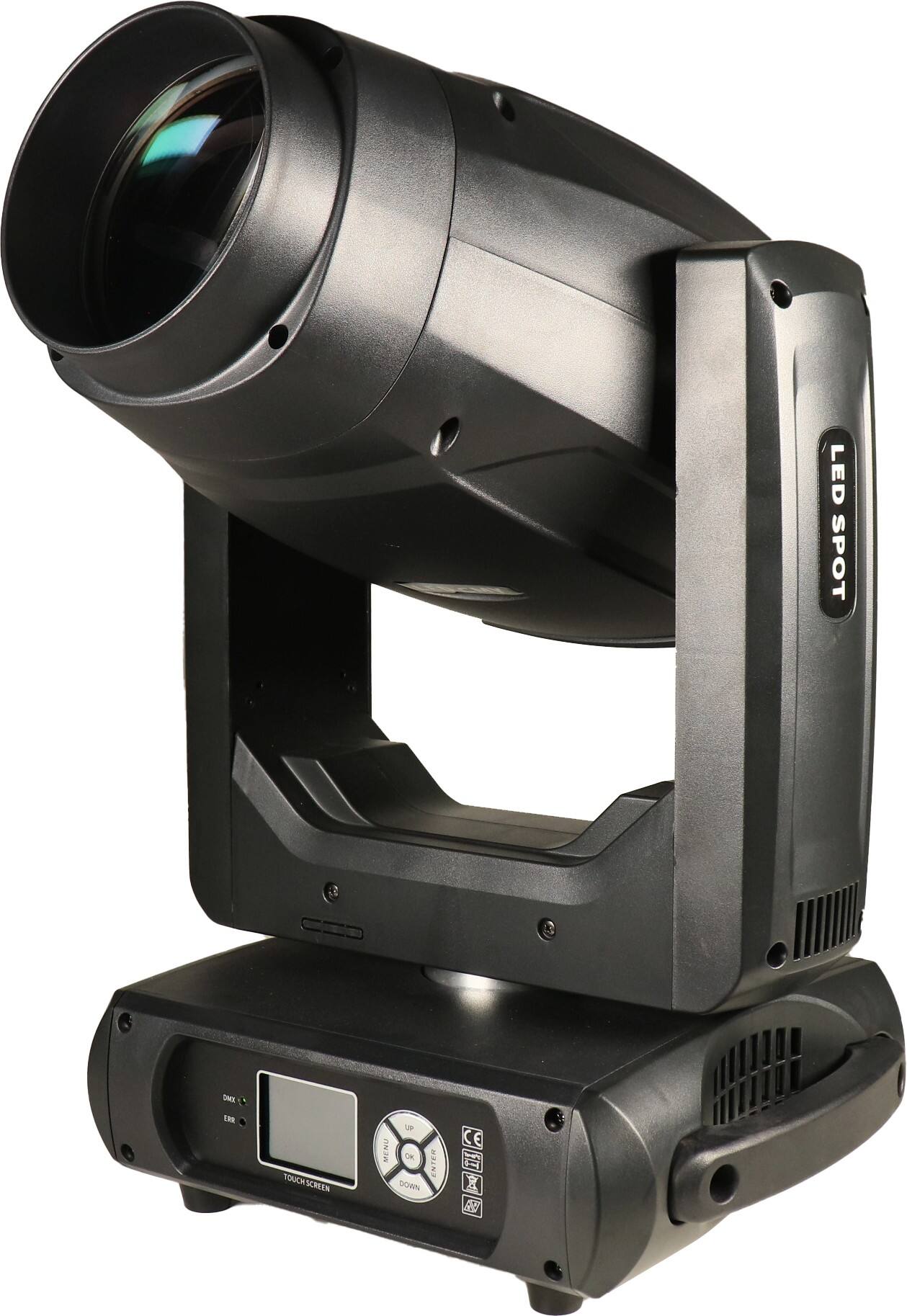
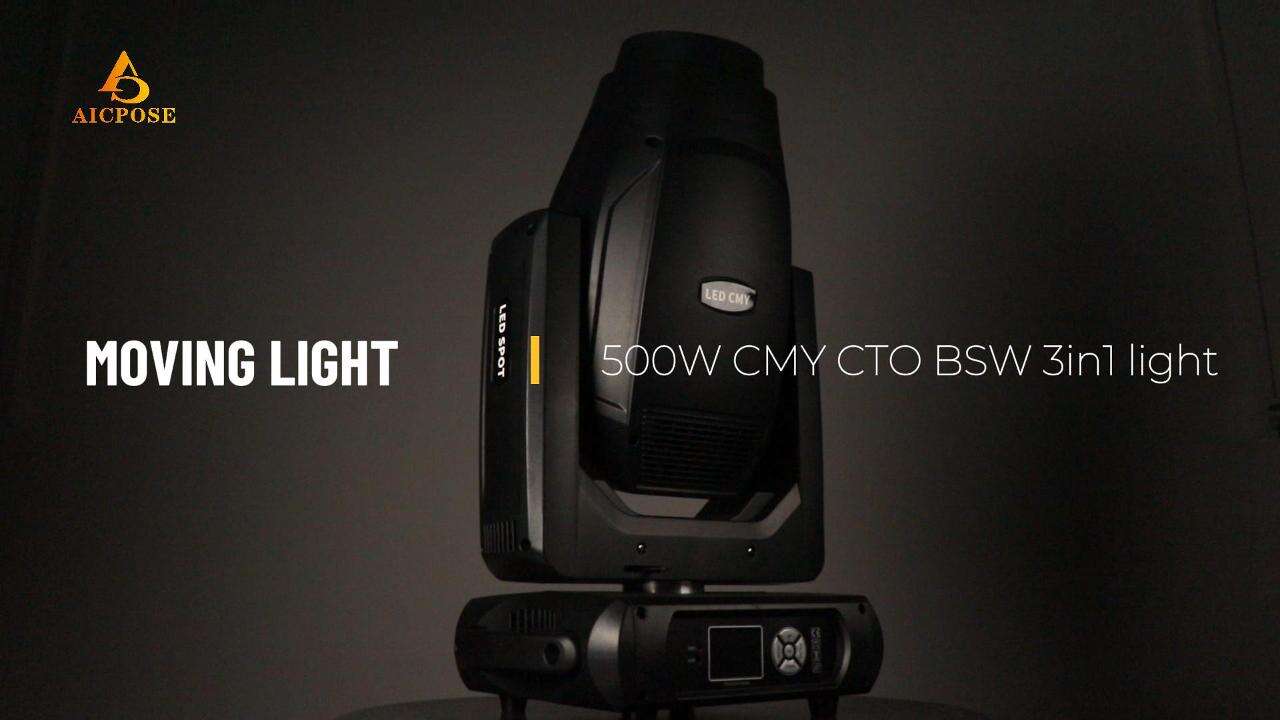
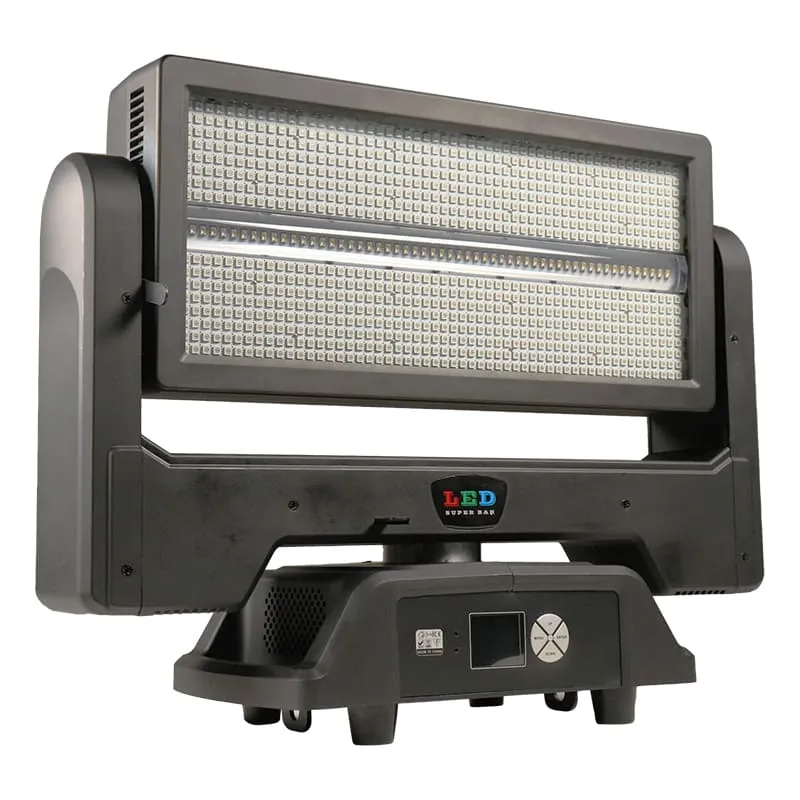
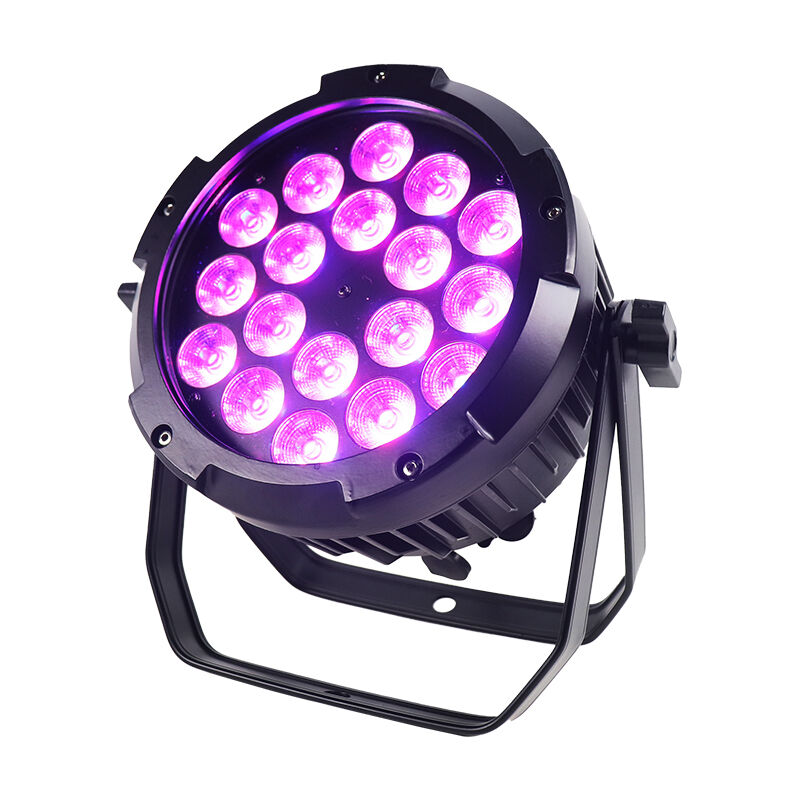
Advanced control system integration fundamentally transforms how lighting professionals interact with stage spotlights, with modern stage spot light price structures reflecting sophisticated technological capabilities that streamline operations and enhance creative possibilities. Wireless DMX technology eliminates complex cable runs traditionally required for lighting control, reducing installation time, labor costs, and potential failure points associated with physical connections. Professional spotlights now commonly feature built-in wireless receivers that communicate seamlessly with lighting consoles, enabling rapid deployment and reconfiguration of lighting systems without extensive rewiring. The flexibility provided by wireless control systems allows lighting designers to position fixtures in previously impractical locations, expanding creative possibilities while maintaining full operational control. Many fixtures incorporate onboard processing capabilities that enable standalone operation, color changing sequences, and sound-activated responses without requiring constant console communication. Remote monitoring capabilities allow technicians to track fixture status, lamp hours, temperature conditions, and error conditions from centralized locations, facilitating proactive maintenance and reducing unexpected failures during critical productions. Advanced spotlights often include multiple control protocols within single fixtures, ensuring compatibility with various console manufacturers and existing infrastructure investments. The stage spot light price for fixtures with comprehensive control capabilities reflects the engineering complexity required to integrate multiple communication protocols, user-friendly interfaces, and robust wireless technology. Preset storage capabilities enable rapid scene changes and consistent lighting looks across multiple performances or events. Many professional fixtures now offer smartphone and tablet control applications, providing convenient setup tools and emergency control options when primary consoles experience problems. Network integration allows lighting systems to communicate with other production elements including audio, video, and automation systems, creating synchronized entertainment experiences. The long-term value proposition of advanced control systems becomes apparent through reduced setup time, improved reliability, enhanced creative flexibility, and simplified operation that justifies the initial stage spot light price investment for professional applications.