
 EN
EN


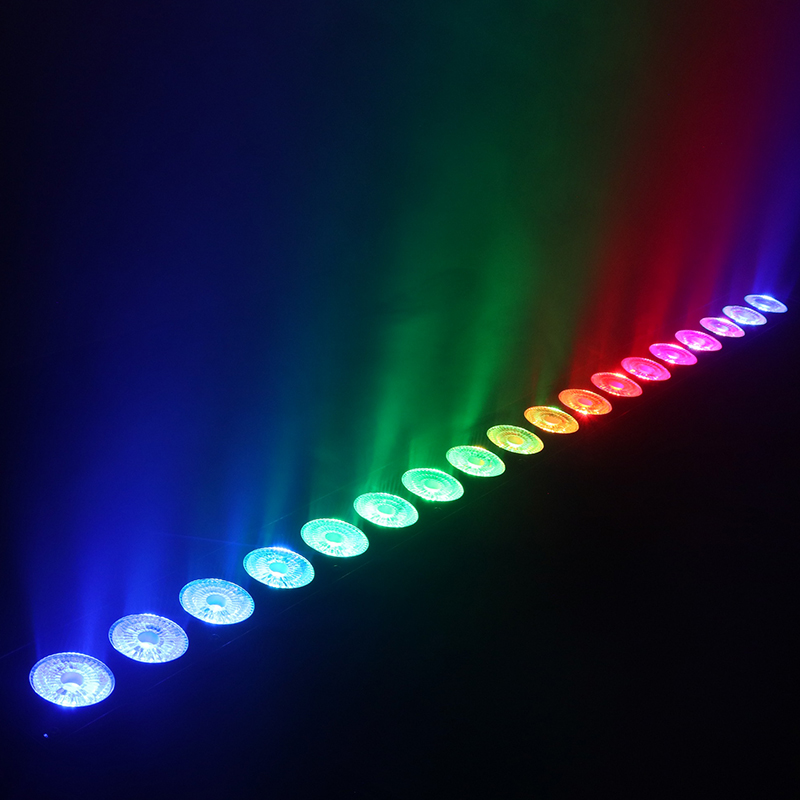
When selecting LED bars for OEM stage lighting orders, the choice of technology significantly impacts both performance capabilities and client satisfaction. Professional lighting manufacturers must understand which LED bar configurations deliver the versatility required for diverse stage lighting applications, from intimate theater productions to large-scale concert venues.
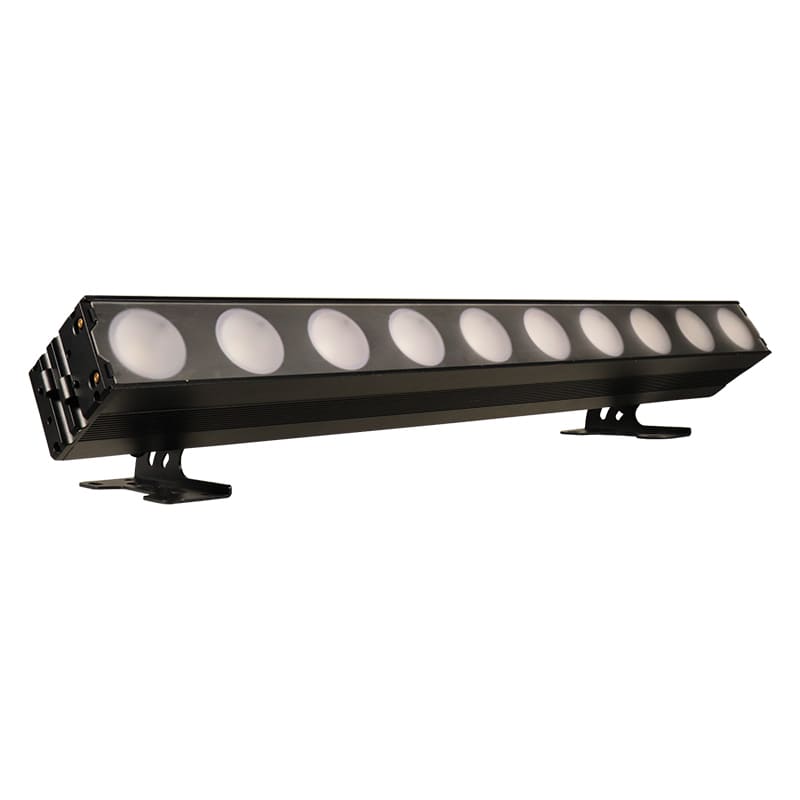
The versatility of LED bars in OEM stage lighting stems from their ability to deliver consistent color mixing, wide beam coverage, and reliable performance across varying operational demands. RGBWW COB (Chip-on-Board) LED bars represent the current pinnacle of versatile stage lighting technology, offering the color spectrum flexibility and power density that modern lighting designers require for professional installations.
Core Features That Define Versatile LED Bar Performance
Color Mixing Capabilities and Spectrum Range
The most versatile LED bars for OEM stage lighting orders incorporate RGBWW color mixing technology, which combines red, green, blue, warm white, and cool white LEDs in a single fixture. This five-color approach enables precise color temperature control ranging from 2700K to 6500K, while simultaneously providing full-spectrum color mixing capabilities that surpass traditional RGB systems.
COB LED bars excel in color mixing uniformity because the chip-on-board technology eliminates individual LED hotspots that can create uneven color distribution. This uniform output becomes critical when LED bars are used in arrays or linear configurations where seamless color blending across multiple fixtures is essential for professional stage lighting applications.
The versatility extends to dimming performance, where quality LED bars maintain consistent color temperature and chromaticity throughout their entire dimming range. This characteristic proves essential for stage lighting scenarios requiring smooth transitions from full intensity to blackout without color shifting that would compromise the artistic vision.
Beam Angle and Coverage Characteristics
Versatile LED bars typically feature beam angles ranging from 25 to 40 degrees, providing the coverage breadth needed for both wash lighting and accent applications. This beam angle range allows single fixtures to cover substantial stage areas while maintaining sufficient intensity for professional visibility requirements.
The optical design of COB LED bars creates naturally soft-edged beam patterns that blend seamlessly when multiple fixtures are used in arrays. This soft-edge characteristic eliminates harsh shadows and creates the smooth, even coverage that lighting designers require for professional stage environments.
Many versatile LED bars incorporate asymmetrical beam options or secondary optics that allow beam shaping for specific applications. This flexibility enables OEM manufacturers to specify fixtures that adapt to various venue architectures and lighting design requirements without requiring completely different product lines.
Technical Specifications for OEM Integration
Power Density and Thermal Management
High-power LED bars designed for OEM applications typically deliver 300 to 1000 watts of LED power in linear form factors ranging from 1 to 2 meters in length. This power density enables single fixtures to replace multiple traditional lighting units while maintaining the compact profile necessary for modern stage rigging systems.
Effective thermal management becomes critical at these power levels, with the most versatile LED bars incorporating aluminum extrusion housings with integrated heat sink designs. Passive cooling systems prove most reliable for stage environments where fan noise would interfere with audio performance, though some high-power units may incorporate quiet forced-air cooling for maximum output capability.
The thermal design directly impacts LED lifespan and color consistency, making thermal management a key specification criterion for OEM orders where long-term reliability and consistent performance are essential for client satisfaction and warranty obligations.
Control Protocol Compatibility
Versatile LED bars for professional stage applications must support multiple control protocols to ensure compatibility with existing lighting control systems. DMX-512 remains the industry standard, with the most flexible LED bars offering both 3-pin and 5-pin XLR connectivity for maximum system integration flexibility.
Advanced LED bars incorporate RDM (Remote Device Management) capability, enabling automated fixture addressing and parameter monitoring through the lighting control network. This feature significantly reduces installation time and provides ongoing system diagnostics that enhance the value proposition for OEM lighting installations.
Many modern LED bars also include Art-Net and sACN (streaming ACN) protocol support for IP-based lighting networks, providing the connectivity options needed for large-scale installations where traditional DMX distribution becomes impractical or expensive to implement.
Application Versatility Across Stage Lighting Scenarios
Theatrical and Dramatic Lighting Applications
In theatrical environments, versatile LED bars serve multiple functions from cyclorama lighting to actor key lighting, depending on their positioning and control programming. The smooth color mixing and dimming capabilities of RGBWW COB LED bars enable seamless transitions between lighting states that support dramatic storytelling without drawing attention to the lighting technology itself.
The linear form factor of LED bars makes them particularly effective for horizon lighting and backdrop illumination, where even coverage across wide areas is essential for creating believable environmental effects. Their ability to produce both saturated colors and natural white light from the same fixtures reduces the complexity and cost of theatrical lighting installations.
Silent operation becomes crucial in theatrical applications, making passively-cooled LED bars the preferred choice for venues where any mechanical noise would interfere with performances. The absence of color wheels or other moving parts in LED bars eliminates potential noise sources while providing the color flexibility that theatrical lighting demands.
Concert and Live Event Lighting
Concert lighting applications demand LED bars capable of creating high-impact visual effects while maintaining the reliability needed for touring environments. The robust construction and consistent performance of quality LED bars make them suitable for the physical demands of concert touring, including frequent transportation, setup, and breakdown cycles.
The high output capability of modern LED bars enables them to compete with traditional high-intensity discharge fixtures while providing the color flexibility and instant response that contemporary concert lighting designs require. Their ability to create both subtle mood lighting and intense color effects from the same fixtures provides lighting designers with unprecedented creative flexibility.
Power efficiency becomes particularly important in concert applications where electrical distribution may be limited or expensive. LED bars typically consume 60-80% less power than equivalent traditional fixtures while providing greater output flexibility and longer operational life.
Selection Criteria for OEM Stage Lighting Orders
Performance Specifications and Quality Standards
When evaluating LED bars for OEM integration, luminous flux output measured in lumens provides the most accurate comparison of light output capability. Quality LED bars typically deliver 100-150 lumens per watt of input power, though this efficiency varies based on color mixing requirements and thermal management constraints.
Color rendering index (CRI) specifications become critical for stage applications where accurate color reproduction affects the visual quality of performers and sets. Professional-grade LED bars should achieve CRI ratings of 90 or higher across their full color mixing range to ensure that stage elements appear natural and vibrant under LED illumination.
Photometric consistency across production runs ensures that LED bars purchased at different times will match in output and color characteristics, which becomes essential for OEM manufacturers building lighting systems that may be expanded or serviced over time. Established manufacturers typically provide photometric tolerances and color matching specifications that enable confident system design and procurement.
Mechanical Design and Installation Considerations
The mechanical design of LED bars must accommodate the rigging and mounting requirements typical of professional stage installations. Standard lighting pipe mounting compatibility, along with provision for safety cables and electrical connections, ensures that LED bars integrate seamlessly with existing stage infrastructure.
Weight considerations become important for overhead installations where structural loading affects venue safety and rigging costs. Modern LED bars typically weigh 60-80% less than equivalent traditional fixtures, reducing structural requirements and installation complexity for stage lighting systems.
Environmental ratings for temperature, humidity, and dust ingress determine the suitability of LED bars for various venue types and geographic locations. Professional-grade fixtures typically meet IP65 ratings for outdoor use while maintaining quiet operation and accessible service points for indoor installations.
FAQ
What makes COB LED bars more versatile than traditional LED strip fixtures?
COB LED bars provide superior color mixing uniformity and higher power density compared to traditional LED strips. The chip-on-board technology eliminates individual LED hotspots and creates seamless color blending, while the integrated thermal management enables higher power operation for greater light output in professional stage applications.
How do RGBWW LED bars compare to RGB-only fixtures for stage lighting versatility?
RGBWW LED bars offer significantly greater versatility by providing independent warm and cool white LEDs in addition to RGB color mixing. This configuration enables precise color temperature control and produces more natural-looking white light for general illumination, while maintaining full color mixing capability for creative effects.
What control channel configuration provides the most flexibility for OEM installations?
The most versatile LED bars offer multiple DMX channel modes, typically including 5-channel (RGBWW), 6-channel (RGBWW plus dimmer), and extended modes with individual segment control. This flexibility allows OEM integrators to optimize channel usage based on the specific requirements and complexity of each lighting control system.
How important is thermal management in determining LED bar versatility for professional applications?
Thermal management directly affects LED bar versatility by determining maximum output capability, color consistency over time, and operational reliability. Effective thermal design enables sustained high-power operation without color shifting or premature LED degradation, ensuring that fixtures maintain their performance specifications throughout their operational life in demanding stage environments.
Table of Contents
- Core Features That Define Versatile LED Bar Performance
- Technical Specifications for OEM Integration
- Application Versatility Across Stage Lighting Scenarios
- Selection Criteria for OEM Stage Lighting Orders
-
FAQ
- What makes COB LED bars more versatile than traditional LED strip fixtures?
- How do RGBWW LED bars compare to RGB-only fixtures for stage lighting versatility?
- What control channel configuration provides the most flexibility for OEM installations?
- How important is thermal management in determining LED bar versatility for professional applications?