
 EN
EN


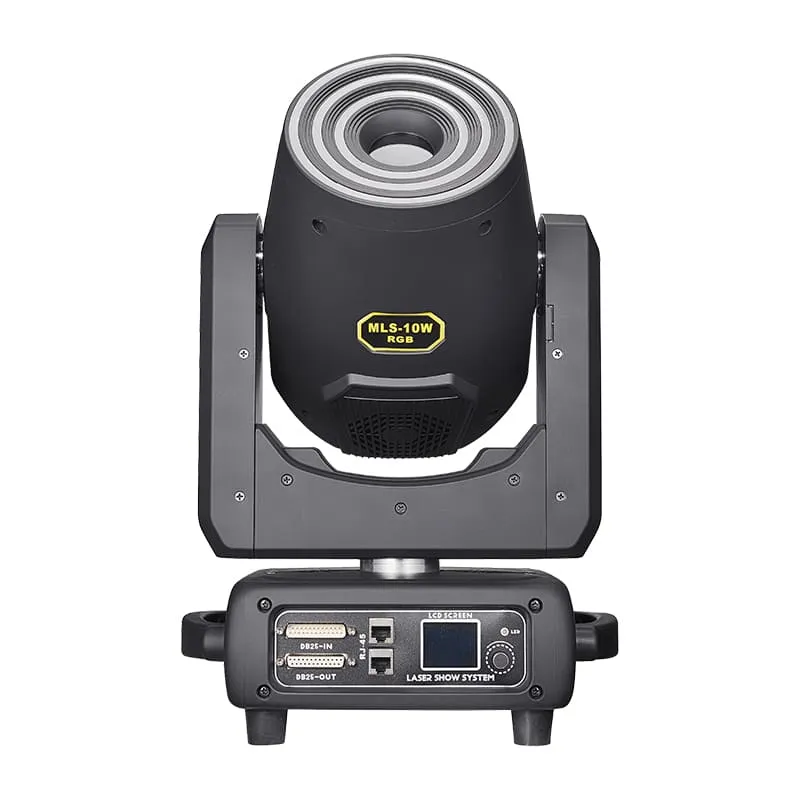
Event companies rarely struggle to find disco lights, but they often struggle to choose disco lights that actually fit the show brief, venue limits, and operating reality. In B2B event delivery, disco lights are not a decoration-only decision. Disco lights affect power planning, rigging workflow, visual consistency across event formats, and the speed of on-site troubleshooting. When event teams choose disco lights with only brightness or price in mind, they usually pay later through setup delays, uneven output, or avoidable replacements.
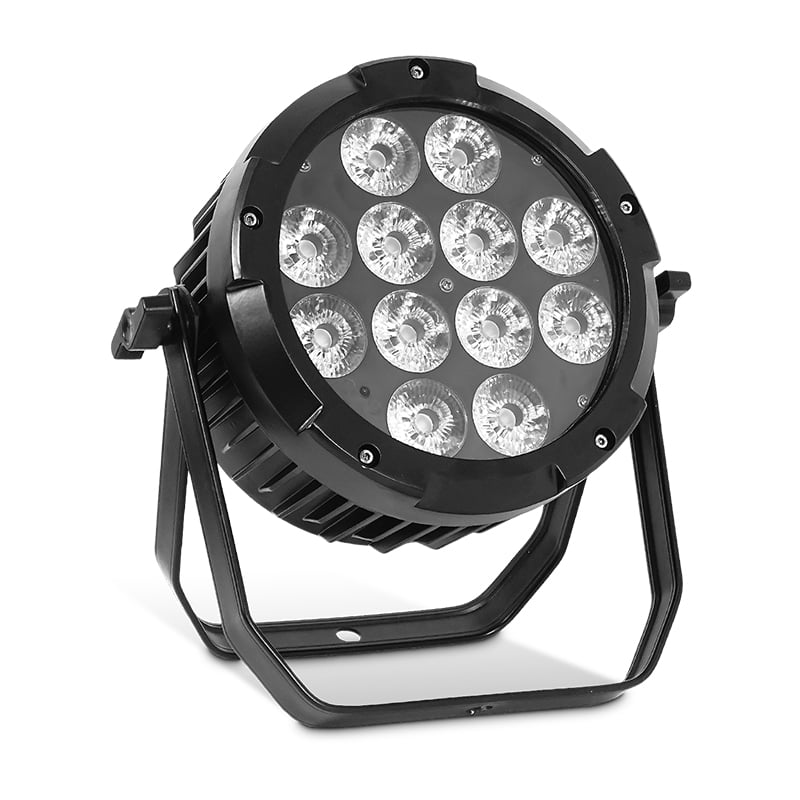
The right way to choose disco lights is to connect technical specs to business outcomes: cleaner install windows, predictable performance, fewer mid-show risks, and repeatable quality across different clients. This is especially important for companies handling corporate functions, weddings, private festivals, and touring activations in the same quarter. In that environment, disco lights must be judged by fit-for-purpose criteria, not isolated features. The sections below break down what event companies should evaluate before committing to any disco lights package.
Aligning Disco Lights with Event Objectives and Venue Reality
Translating creative goals into technical requirements
Before comparing models, event companies should define what disco lights must do in the show design. Some events need subtle ambient color transitions, while others need punchy beam effects that sync with high-energy music. If the visual intent is unclear, teams often buy disco lights that are either underpowered for the stage scale or too aggressive for the audience profile. Clear intent keeps the selection process efficient and protects design quality.
For example, ballroom galas typically require disco lights with smooth dimming and clean color rendering rather than harsh strobing. Product launches may need disco lights that can switch fast between branded color scenes and dynamic transitions. Dance-driven programs often need disco lights with stronger saturation and tighter control response. Matching output behavior to event mood avoids costly redesigns on show day.
It also helps to define visual priority zones early. If disco lights are primarily for stage wash, beam control and spread consistency matter most. If disco lights are for room immersion, placement flexibility and wireless operation may matter more. The selection process becomes far more accurate when teams know exactly where light impact is expected.
Evaluating venue constraints before equipment commitment
Venue conditions can make or break disco lights performance. Ceiling height, truss availability, ambient spill, reflective surfaces, and audience distance all influence whether disco lights will read as intended. A fixture that works in a dark club may look weak in a high-ceiling convention hall with bright architectural spill. Event companies should treat site characteristics as a core buying input, not a late-stage check.
Power distribution is another practical filter. Some disco lights require more circuits than smaller venues can safely provide, especially when audio, LED wall, and catering loads share infrastructure. Selecting disco lights with suitable power profiles reduces circuit stress and simplifies planning. Teams that ignore this often face last-minute power balancing and compromised lighting scenes.
Outdoor and mixed indoor-outdoor jobs demand extra caution. If disco lights are exposed to moisture, dust, or transport vibration, ingress protection and housing quality become central criteria. Event companies that frequently rotate between venue types should favor disco lights that maintain reliability under variable physical conditions.
Technical Performance Factors That Drive Real-World Results
Output quality, beam behavior, and color consistency
When event companies assess disco lights, raw wattage should never be the only metric. Perceived brightness depends on optical design, beam angle, throw distance, and environmental light. Two sets of disco lights with similar power can produce very different on-camera and in-room results. The better approach is to evaluate how disco lights perform in realistic staging scenarios.
Color consistency across fixtures is critical for professional delivery. If disco lights shift tone between units, scene programming becomes difficult and visuals look unpolished. This matters even more for multi-day conferences and branded events where color identity must stay stable. Reliable disco lights should hold consistent output from fixture to fixture and from setup to teardown cycles.
Dimming curve behavior is often overlooked, yet it strongly affects atmosphere. Poor dimming can cause visible stepping during fades, which is distracting in premium environments. Good disco lights provide smooth transitions that support both subtle background looks and energetic cue changes. This balance helps teams serve different event formats without carrying too many fixture types.
Control compatibility and programming flexibility
Disco lights should fit the control ecosystem your technicians already use. If event companies deploy incompatible disco lights, they lose time building workarounds, and cue reliability can suffer during live operation. DMX behavior, channel mode options, wireless control stability, and addressing workflow all influence whether disco lights are practical in real production timelines.
Programming speed matters in B2B environments where setup windows are tight. Disco lights with clear mode logic and predictable response help operators build scenes quickly and confidently. On complex shows, this can mean the difference between refining creative looks and spending extra hours on technical correction. Reliable control performance also reduces stress during show transitions.
Battery-powered options can improve flexibility for decor zones, temporary stages, or sites with limited cable routes. For teams that need weather-ready wireless options, evaluating disco lights designed for mobility can shorten install time and reduce cable-related hazards. The key is to verify runtime consistency against actual event duration, not ideal lab assumptions.
Operational Efficiency, Reliability, and Risk Management
Setup speed, transport practicality, and crew workload
Event companies should choose disco lights that reduce labor friction from warehouse prep to strike. Fixture weight, mounting ease, connector access, and case layout all impact crew productivity. If disco lights are awkward to rig or slow to address, labor cost rises even when unit price seems attractive. Over a full season, operational inefficiency can outweigh initial savings.
Transport durability is just as important. Disco lights in event fleets move frequently, and repeated loading cycles expose weak housings, loose parts, and connector wear. Durable disco lights lower failure rates and protect show continuity. They also reduce emergency substitutions that disrupt visual consistency across a program.
Fast reset capability helps in multi-segment events where scenes change quickly between speakers, performances, and networking blocks. Disco lights that maintain stable addressing and predictable boot behavior support smooth transitions. This keeps production teams focused on timing and audience experience rather than reactive troubleshooting.
Failure planning and continuity safeguards
No matter how good the hardware is, event companies need a risk-aware approach to disco lights deployment. Planning should include spare allocation logic, known failure modes, and quick swap procedures. Disco lights that share common parts or control behavior with existing inventory are easier to back up under pressure. Standardization improves resilience.
Thermal stability is another major consideration for long programs. Disco lights running extended hours in crowded truss lines may face heat accumulation, especially in warm venues. Stable thermal performance reduces output drop and unexpected shutdowns. That reliability directly supports client confidence and contract retention.
Maintenance cycles should be built into procurement thinking. Choosing disco lights with service-friendly construction helps technicians perform routine checks and repairs faster. In B2B operations, maintainability is not a side issue. It is part of the total delivery risk profile.
Commercial Decision Criteria for Sustainable Event Delivery
Total cost of ownership beyond purchase price
A low sticker price does not automatically mean good value in disco lights procurement. Event companies should evaluate total cost of ownership, including labor time, battery replacement cycles, transport wear, maintenance, and failure-related disruption. Disco lights that appear economical upfront can become expensive when downtime and repairs accumulate.
It is also useful to project utilization rate across event types. Disco lights that can serve weddings, corporate stages, and outdoor activations with minor configuration changes tend to produce stronger return on investment. Versatile disco lights reduce the need for fragmented inventory and simplify technician training. That translates into both financial and operational benefits.
Forecasting lifecycle consistency supports better budgeting. Event companies should consider whether disco lights will still meet client expectations after repeated seasonal use. Stable performance over time matters more than short-term visual impact in procurement demos. Long-term reliability protects margin and reputation.
Scalability, standardization, and client confidence
As companies grow, disco lights decisions should support scalable deployment. Standardizing around compatible disco lights families helps teams replicate quality across multiple crews and locations. This is essential for agencies managing parallel events or rapid back-to-back schedules. Consistency improves handoffs between planning, technical, and account teams.
Client trust often depends on execution repeatability more than novelty. When disco lights perform predictably across different venues, clients see professionalism and lower perceived risk. That can strengthen renewal opportunities and expand project scope over time. Reliable disco lights become part of brand delivery, even when clients do not discuss fixtures directly.
Procurement choices should also support future creative range. Disco lights that integrate well with evolving control workflows and mixed fixture ecosystems allow teams to adapt without full inventory replacement. In practical terms, this protects capital while keeping design capability competitive in changing event formats.
FAQ
How many disco lights does a mid-sized corporate event usually need?
The right count depends on stage width, ceiling height, ambient light, and visual goals. A mid-sized corporate event often uses disco lights for stage wash, room accents, and transition cues, so quantity is tied to zone coverage rather than a fixed number. Event companies should map scene requirements first, then calculate fixture count by beam spread and throw distance. This approach prevents both under-lighting and unnecessary over-specification.
Are battery-powered disco lights suitable for professional B2B events?
Yes, battery-powered disco lights can be highly suitable when runtime matches program length and charging logistics are controlled. They are especially useful where cable runs are restricted or quick venue turnover is required. Event teams should validate runtime under actual brightness levels, not only maximum advertised conditions. With proper planning, battery disco lights can improve deployment speed and reduce trip hazards.
What is the most common mistake when selecting disco lights for mixed event portfolios?
A frequent mistake is choosing disco lights based only on one successful event type, then expecting the same setup to perform everywhere. Mixed portfolios require disco lights that can adapt to different room scales, control workflows, and environmental conditions. Ignoring versatility leads to frequent workarounds, higher labor, and inconsistent show quality. Selection should prioritize repeatable performance across varied scenarios.
Should event companies prioritize brightness or control flexibility in disco lights?
In most professional environments, balanced performance is better than extreme output alone. Bright disco lights are useful, but without flexible control they can limit scene precision and reduce visual polish. Event companies should prioritize disco lights that deliver adequate output with stable dimming, color consistency, and responsive control behavior. That combination supports both creative quality and operational reliability.
Table of Contents
- Aligning Disco Lights with Event Objectives and Venue Reality
- Technical Performance Factors That Drive Real-World Results
- Operational Efficiency, Reliability, and Risk Management
- Commercial Decision Criteria for Sustainable Event Delivery
-
FAQ
- How many disco lights does a mid-sized corporate event usually need?
- Are battery-powered disco lights suitable for professional B2B events?
- What is the most common mistake when selecting disco lights for mixed event portfolios?
- Should event companies prioritize brightness or control flexibility in disco lights?