
 EN
EN


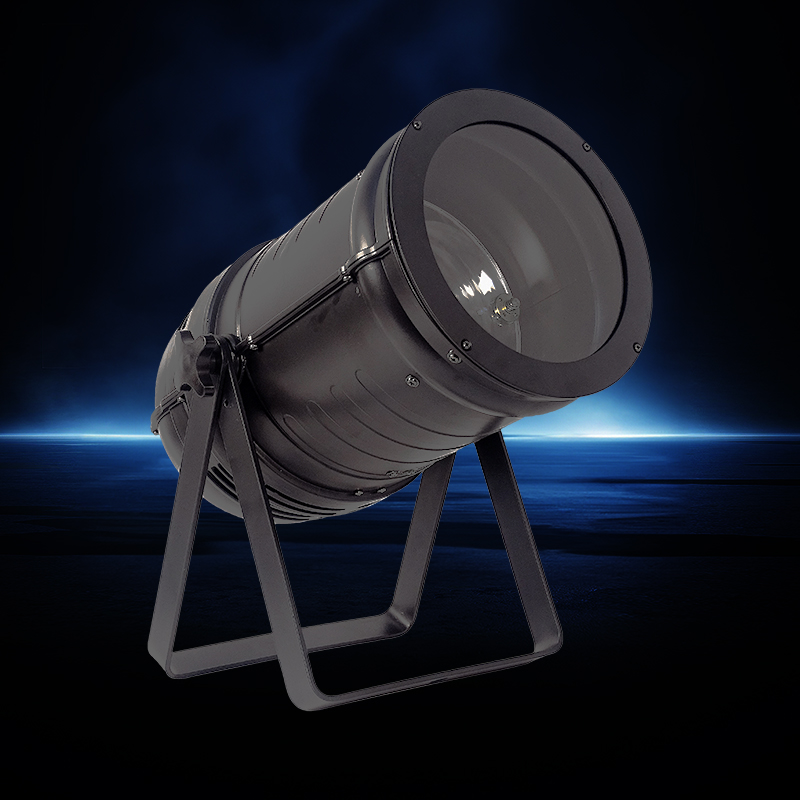
Event companies are often asked to create spaces that feel branded, immersive, and memorable within tight setup windows. In that environment, gobo lights are not just decorative fixtures; they are practical tools for logo projection, wayfinding, mood shifts, and visual storytelling across very different venue conditions. Choosing gobo lights well requires more than picking a bright unit, because projection clarity, lens behavior, mounting constraints, and control integration all shape the final audience experience.
For B2B event operations, the right decision framework helps teams avoid expensive last-minute corrections. A thoughtful approach to gobo lights improves consistency from proposal to load-out, protects production quality under changing site realities, and makes creative outcomes repeatable at scale. This guide explains what event companies should evaluate before selecting gobo lights, how to align technical features with event objectives, and how to avoid common purchasing and deployment mistakes.

Strategic Role of Gobo Lights in Event Delivery
Brand Communication and Visual Identity Control
Many event clients ask for stronger brand presence without adding physical signage clutter. Gobo lights solve that by projecting logos, taglines, and thematic motifs onto walls, floors, ceilings, and scenic elements in real time. When selected correctly, gobo lights can maintain high edge definition at distance, which is critical for conferences, gala stages, and launch events where photography and video capture every detail.
From an account management perspective, gobo lights also help translate abstract creative briefs into measurable deliverables. Teams can specify projection size, beam angle, and placement zones early in pre-production, reducing ambiguity between sales, design, and technical departments. This makes gobo lights an operational communication tool as much as a lighting effect.
Experience Design Across Multiple Event Formats
Event companies rarely run one type of show. Corporate plenaries, exhibitions, hospitality activations, and awards ceremonies each demand different projection behavior. Reliable gobo lights support quick adaptation by enabling dynamic texture changes, rotating patterns, and layered atmospheres without rebuilding scenic structures.
In practical terms, gobo lights can transition a venue from daytime business tone to evening celebration look with minimal labor. That flexibility matters for margin protection, because crews can achieve multiple visual states using fewer physical assets. For operations leaders, the value of gobo lights is closely tied to this ability to deliver creative variation while controlling complexity.
Technical Criteria That Determine Real-World Performance
Brightness, Throw Distance, and Beam Behavior
A common selection error is judging gobo lights by wattage alone. What matters in production is usable projection intensity at the required throw distance and ambient light level. Event companies should evaluate beam concentration, optical efficiency, and expected projection legibility in realistic room conditions instead of relying on headline specifications.
For larger ballrooms or outdoor evening activations, gobo lights need enough punch to preserve contrast against architectural surfaces and competing light sources. For tighter spaces, overly aggressive output can wash detail and create hotspots. Matching gobo lights to venue scale prevents underperformance and avoids unnecessary power and heat load.
Optics, Gobo Quality, and Image Sharpness
Projection quality is heavily dependent on the optical path. Event teams should verify focus precision, lens consistency, and how well gobo lights hold edge sharpness when the fixture is repositioned during programming. High-motion shows especially benefit from stable optical behavior, since soft projection edges become obvious on camera and to in-room audiences.
The gobo medium itself also matters. Material durability, pattern complexity tolerance, and heat handling can affect long-run consistency. When event companies standardize on gobo lights that support dependable projection quality, they reduce reprint cycles and troubleshooting time during critical show windows.
Movement, Effects, and Control Integration
Modern productions often require motion cues, prism layering, and synchronized transitions. Gobo lights with responsive pan/tilt behavior and predictable effect engines are easier to program for both subtle ambience and high-energy reveals. The goal is not maximum feature count, but repeatable execution during rehearsals and live operation.
Control compatibility is equally important. Gobo lights should integrate cleanly with the event company’s standard console workflow and show file practices, allowing rapid patching and reliable cue playback. In multi-room conferences, this reduces technical friction and helps maintain consistent visual standards across parallel stages.
Operational Fit and Deployment Practicalities
Rigging Constraints, Venue Realities, and Safety Margins
Even strong gobo lights can fail operationally if fixture size, weight, or mounting options conflict with venue infrastructure. Event companies should check rigging points, trim heights, cable paths, and access conditions before final fixture selection. Small deployment mismatches can cascade into schedule pressure and labor overruns.
Thermal behavior and ventilation clearance should also be reviewed during planning. Gobo lights working for long sessions in enclosed truss or scenic cavities need stable cooling performance to avoid output drift and interruption risk. These practical checks protect both safety and show continuity.
Setup Speed, Maintenance Burden, and Team Workflow
Event profitability often depends on efficient turnover. Gobo lights that are easy to focus, address, and service reduce onsite technical debt. Features such as clear menu structures, stable calibration, and accessible maintenance points help crews complete setup with fewer delays.
For recurring event programs, operational consistency matters more than one-time novelty. Standardizing around gobo lights that your team can prep quickly and troubleshoot confidently improves labor planning and lowers stress during compressed build schedules. This is where technical selection directly supports business reliability.
Commercial Decision Factors for Procurement and Scaling
Total Cost of Ownership Instead of Purchase Price Alone
A lower upfront cost can be misleading when evaluating gobo lights for professional use. Event companies should account for maintenance intervals, replacement components, downtime risk, and expected lifespan under real production cycles. The most economical option is usually the one that preserves output consistency and minimizes operational interruption over time.
Procurement teams can improve decision quality by translating creative requirements into technical acceptance criteria before vendor discussions. This keeps gobo lights aligned with business outcomes such as show reliability, client satisfaction, and repeat booking potential.
Portfolio Standardization and Client Promise Consistency
As event companies scale, fixture standardization helps maintain quality across teams and regions. Using compatible gobo lights across a portfolio simplifies training, spare planning, and cueing practices. It also allows creative directors to design with predictable projection behavior, reducing revision loops during pre-production.
When evaluating options, teams may review specification benchmarks such as this gobo lights reference to map beam, movement, and effect requirements against event use cases. The practical objective is consistency: delivering the look that was sold, in the venue that exists, on the schedule that cannot move.
Common Selection Mistakes and How to Avoid Them
One frequent mistake is choosing gobo lights too late in the design process, after scenic and rigging decisions are locked. That limits placement quality and can force compromises in projection clarity. Early cross-functional review between creative, technical, and operations teams produces better outcomes.
Another issue is over-prioritizing feature breadth while under-prioritizing usability. Event companies perform better with gobo lights that match real workflows, not theoretical maximum capability. A disciplined selection model reduces surprises and protects both production value and client trust.
FAQ
What is the most important factor when choosing gobo lights for corporate events?
The most important factor is fit between projection requirements and real venue conditions. Gobo lights must deliver readable, sharp output at the required distance and ambient light level, while integrating smoothly with your rigging and control workflow. Brightness alone is not enough if optical quality and deployment practicality are weak.
Can the same gobo lights be used for both indoor and outdoor event applications?
In many cases yes, but only when gobo lights are selected with environmental and throw-distance flexibility in mind. Outdoor usage usually demands stronger effective output and careful placement to preserve contrast. Event companies should confirm that performance remains stable across the different operating contexts in their portfolio.
How early should event companies decide on gobo lights in a project timeline?
Decision-making should happen during early technical design, not at final equipment booking. Selecting gobo lights early allows accurate planning for projection surfaces, trim heights, power allocation, and programming time. Early alignment prevents costly adjustments during installation and rehearsal.
Why do some gobo lights look sharp in testing but soft during live events?
This usually comes from mismatched throw distance, challenging surface texture, or shifting focus under live repositioning. Some gobo lights perform well in controlled tests but reveal limitations under dynamic cueing and real ambient conditions. Pre-visualization plus onsite focus checks helps maintain projection quality during show operation.
Table of Contents
- Strategic Role of Gobo Lights in Event Delivery
- Technical Criteria That Determine Real-World Performance
- Operational Fit and Deployment Practicalities
- Commercial Decision Factors for Procurement and Scaling
-
FAQ
- What is the most important factor when choosing gobo lights for corporate events?
- Can the same gobo lights be used for both indoor and outdoor event applications?
- How early should event companies decide on gobo lights in a project timeline?
- Why do some gobo lights look sharp in testing but soft during live events?