
 EN
EN


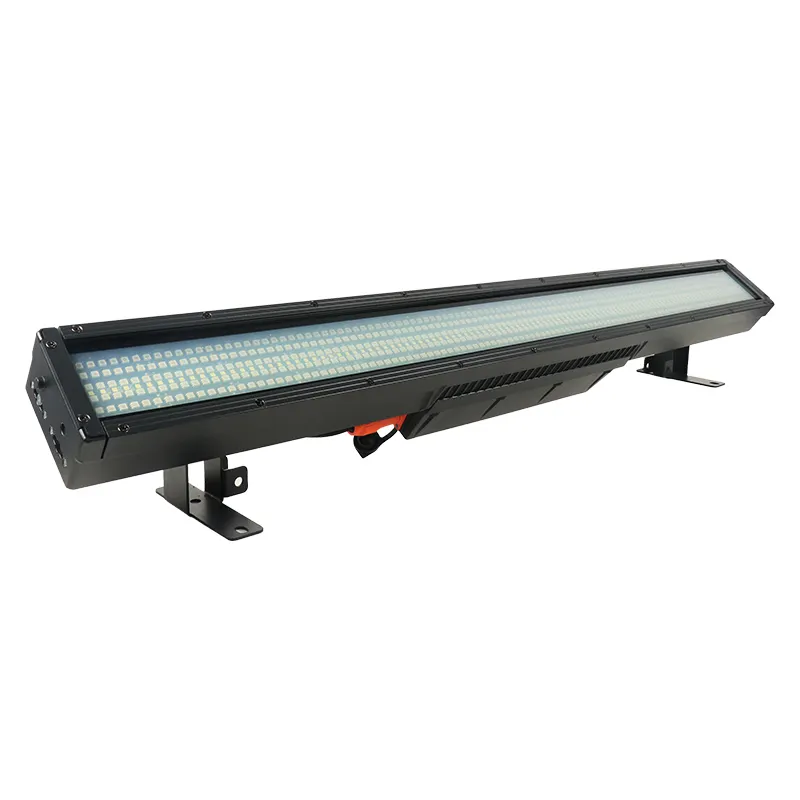
In clubs and large event venues, atmosphere is not a background detail; it is the product. Audiences remember how a room felt when the bass dropped, when the headliner appeared, or when a keynote reveal transformed the space. The reason laser lighting plays such a central role is simple: it changes perception in real time, shaping energy, focus, and emotional intensity with precision that traditional fixtures cannot always match.
When planners ask how to make a crowd feel immersed rather than merely entertained, the conversation quickly turns to laser lighting. From tight beam geometry and aerial effects to synchronized movement across music cues, laser lighting creates depth, rhythm, and anticipation. In practical terms, it helps operators control where people look, how long they stay engaged, and how strongly they connect with the event moment.
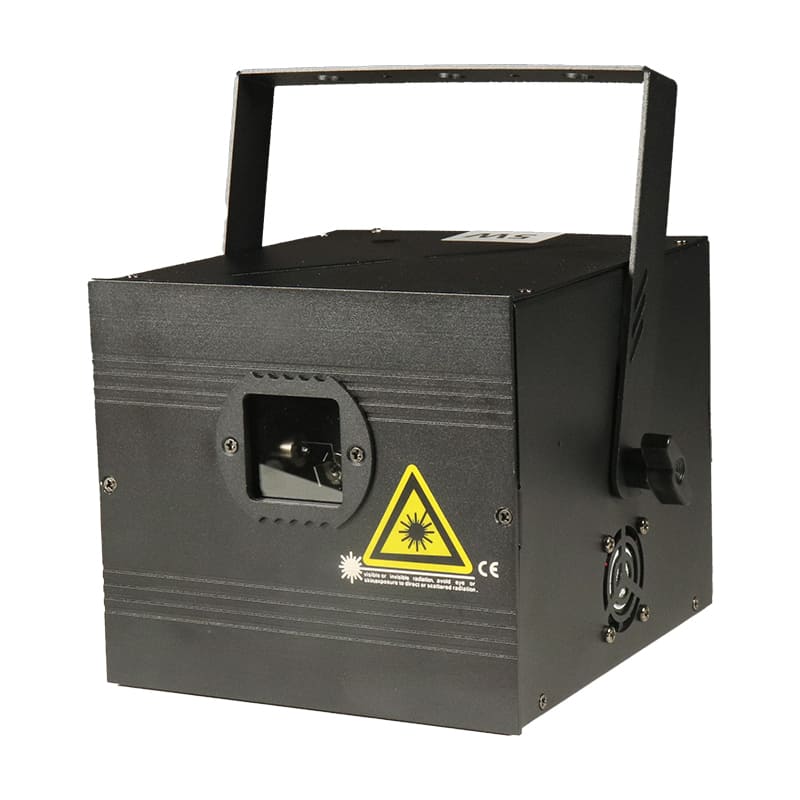
Atmosphere Starts with Visual Psychology and Spatial Control
Laser beams define depth and scale instantly
One major way laser lighting elevates clubs and large events is by making space feel larger, taller, and more dimensional. A flat venue can appear layered when beams cut through haze at different heights and distances. Guests do not just see light sources; they see geometric structure suspended in the air. That transformation adds perceived production value without changing the architecture itself.
In big rooms, designers often struggle with visual dead zones where attention drops. Laser lighting solves this by projecting intentional paths across the full audience footprint. Instead of isolated bright spots, the room gains coherent visual motion. This continuity improves immersion because attendees feel surrounded by one unified environment rather than separated by fixture boundaries.
Directed visual focus strengthens key moments
Atmosphere is strongly tied to timing, and timing depends on focus. During performer entrances, DJ transitions, award reveals, and signature drops, laser lighting can draw attention to a stage zone in less than a second. Sharp beam direction creates instant hierarchy, signaling where the audience should look and what matters now.
Unlike broad ambient fixtures, laser lighting can remain subtle between peaks and then become dominant at cue points. This contrast is powerful for emotional pacing. Audiences respond more intensely when visual restraint is followed by controlled visual impact, and that pattern helps maintain high engagement through long event runtimes.
Rhythm, Music, and Motion Integration Drive Crowd Energy
Synchronization with audio builds emotional coherence
People describe a great event as one where sound and visuals feel inseparable. Laser lighting supports that effect because it responds well to precise cue programming and beat mapping. When beam sweeps, tunnels, and pulses align with rhythm sections, the audience perceives a single orchestrated experience rather than parallel technical layers.
For club operators, this coherence translates into stronger dance floor retention. For large events, it improves attention during show segments that require emotional lift. In both environments, laser lighting reinforces musical structure through visible timing, helping even casual attendees feel the progression of each track or scene transition.
Motion language communicates intensity without words
The movement style of laser lighting can communicate mood before anyone speaks. Slow fan patterns suggest buildup, fast crisscross patterns signal acceleration, and sweeping aerial arcs create release after tension. This motion language is especially valuable in loud spaces where verbal messaging is limited.
Because laser lighting can shift motion character quickly, show operators gain a responsive tool for live energy management. If crowd engagement dips, pattern density and movement speed can be adjusted in the next sequence. That agility helps teams sustain momentum across extended sets, multi-artist programs, or all-night venue operations.
Brand Identity and Event Storytelling Become More Memorable
Custom projection adds narrative to the environment
Atmosphere improves when attendees feel they are inside a specific story, not a generic room. With programmed graphics and animated motifs, laser lighting can support thematic identity for festivals, product launches, immersive parties, and gala-scale entertainment events. Visual motifs repeated across moments create recognition and continuity.
This is where laser lighting becomes more than decoration. It becomes a medium for narrative punctuation. Opening acts can use one visual language, headline segments another, and closing moments a third, while still preserving overall brand coherence inside the same venue ecosystem.
Signature looks improve recall after the event ends
Memorable atmosphere has long-tail value. Guests share clips, talk about standout moments, and connect those moments to venue or event identity. Distinctive laser lighting scenes improve this recall because beams and animated shapes read clearly on cameras and in human memory, especially when tied to peak emotional points.
For B2B stakeholders, stronger recall supports repeat attendance, sponsor satisfaction, and brand perception. In practical operational terms, laser lighting can help transform one-time attendees into returning customers by making the experience visually unique rather than interchangeable with any other nightlife or event format.
Operational Execution Determines Whether the Atmosphere Feels Premium
Programming discipline turns effects into experience quality
High-impact atmosphere does not come from random effects. It comes from programmed intent. Teams that use laser lighting effectively build cue structures around event phases, audience behavior, and music dynamics. They define when to deploy minimalism, when to build complexity, and when to reserve full-output scenes for headline moments.
Without this discipline, even advanced laser lighting can feel repetitive or chaotic. With it, the same system can deliver cinematic progression across an entire night. That difference is often what separates a technically lit event from an emotionally compelling one that audiences describe as immersive and premium.
Safety, sightlines, and consistency protect the guest experience
Atmosphere gains value only when it is delivered responsibly and consistently. Laser lighting plans should account for beam paths, crowd-facing zones, reflective surfaces, and haze balance to maintain clarity without visual fatigue. Proper positioning and calibrated intensity preserve impact while supporting safe operation standards in dynamic environments.
Consistency also matters across long runtimes. In clubs, systems may run for many hours, while large events often require repeated cues across rehearsals and live segments. Reliable laser lighting behavior ensures each programmed moment lands as designed, protecting both artistic intent and commercial expectations tied to audience satisfaction.
Strategic Use Cases Across Clubs and Large-Format Events
Nightclub scenarios where atmosphere depends on visual pacing
In nightlife settings, audience energy fluctuates throughout the evening. During early hours, restrained laser lighting supports social interaction while establishing mood. As the floor fills, denser beam architecture and faster pattern evolution can elevate excitement without relying on constant maximum brightness.
During peak windows, laser lighting becomes a timing instrument for drop moments and crowd resets. Operators can reduce activity briefly before a major musical shift, then release a full visual sequence at precisely the right beat. That contrast amplifies emotional impact and keeps the room feeling alive rather than visually saturated.
Large-event scenarios where scale and coordination are critical
At festivals, corporate showcases, and convention-scale productions, atmosphere must reach people far from the stage. Laser lighting excels here because beams remain readable across long throw distances and can define wide aerial structures visible from multiple seating zones. This helps maintain shared experience across diverse audience positions.
Large events also involve complex cue stacks, multiple departments, and strict show timing. Integrated laser lighting workflows allow visual teams to align with audio, stage management, and content playback so each transition feels intentional. The result is not just brighter production, but a more coherent atmosphere that supports the event message.
FAQ
How quickly can laser lighting change the atmosphere of a venue?
In most setups, laser lighting can change perceived mood almost instantly because beam direction, motion speed, and pattern density can shift in real time. Even a short sequence transition can move the room from calm to high-intensity without physical set changes. This speed is one reason it is so effective for live entertainment pacing.
Is laser lighting only useful for music-driven events?
No. While music synchronization is a common use, laser lighting is also valuable for keynote reveals, branded stage moments, themed ceremonies, and large audience transitions. It works whenever an organizer needs clear visual focus, stronger emotional timing, and a more immersive spatial feel.
What makes laser lighting feel premium instead of distracting?
The difference comes from intent and control. Premium results rely on purposeful cue design, balanced intensity, and scene variation aligned with event flow. When laser lighting is programmed to support narrative and timing, it feels immersive; when it is overused without structure, it can feel noisy.
Can laser lighting improve business outcomes for venue operators and event planners?
Yes, because atmosphere quality influences dwell time, repeat attendance, and post-event recall. Strongly executed laser lighting helps events stand out in crowded markets by creating memorable visual identity and emotional peaks that audiences talk about after the show. That differentiation supports both brand perception and long-term commercial performance.
Table of Contents
- Atmosphere Starts with Visual Psychology and Spatial Control
- Rhythm, Music, and Motion Integration Drive Crowd Energy
- Brand Identity and Event Storytelling Become More Memorable
- Operational Execution Determines Whether the Atmosphere Feels Premium
- Strategic Use Cases Across Clubs and Large-Format Events
- FAQ