
 EN
EN


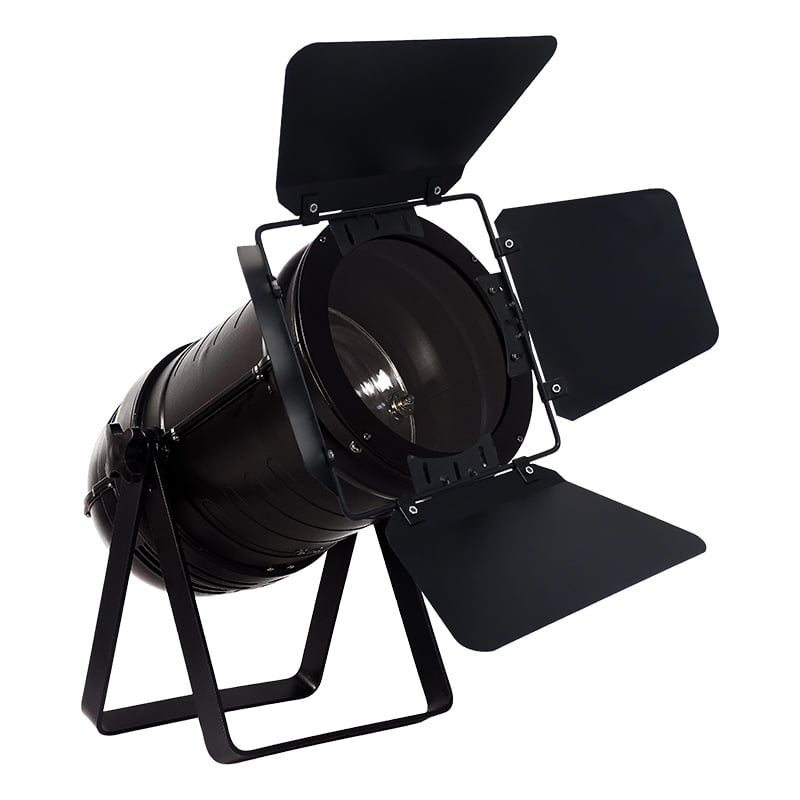
Distributors in the lighting industry face unique challenges when sourcing LED bars in bulk quantities. The decision-making process extends far beyond simple price comparisons, requiring careful evaluation of multiple interconnected factors that directly impact business success. Understanding what matters most during the sourcing process enables distributors to make informed decisions that satisfy both immediate procurement needs and long-term strategic objectives in the competitive LED bars marketplace.
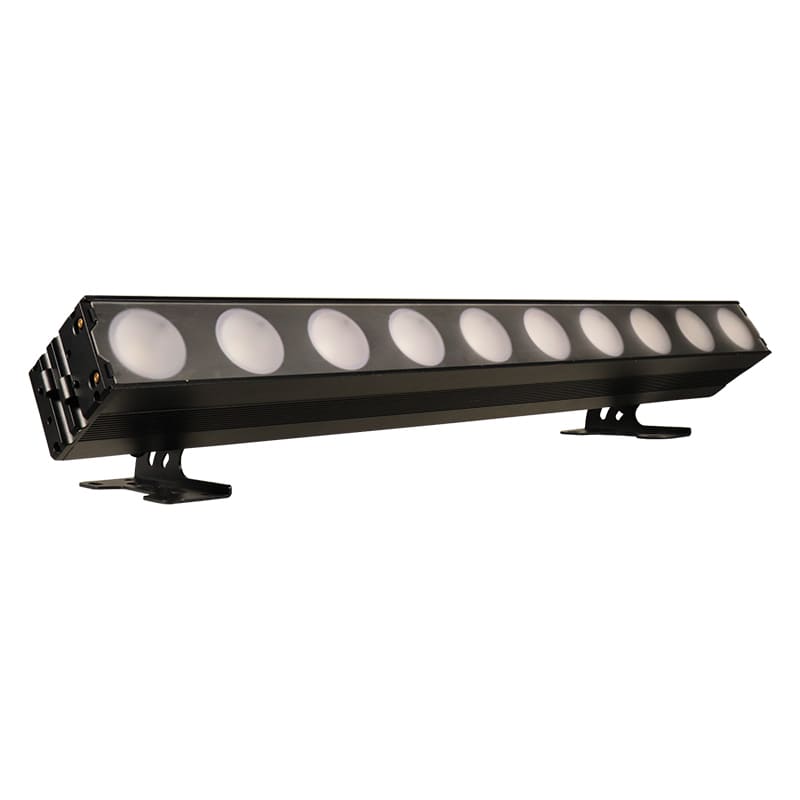
The bulk sourcing landscape for LED bars has evolved significantly, with distributors now managing complex supply chains while meeting diverse customer requirements across commercial, architectural, and entertainment sectors. Success in this market demands a comprehensive understanding of technical specifications, supplier capabilities, quality assurance protocols, and market positioning strategies. The factors that matter most for distributors directly influence inventory turnover rates, customer satisfaction levels, and profit margins in an increasingly competitive distribution environment.
Product Quality and Technical Specifications
Optical Performance Standards
When sourcing LED bars in bulk, distributors must prioritize optical performance characteristics that meet diverse customer applications. Luminous efficacy ratings, color rendering index values, and beam angle specifications directly impact the suitability of LED bars for specific installation environments. Distributors should evaluate products based on photometric data, ensuring that LED bars deliver consistent light output across the specified operational lifespan.
Color temperature stability represents another critical factor, particularly for distributors serving architectural and commercial markets where color consistency affects project outcomes. LED bars with tight binning tolerances and temperature-compensated color performance provide distributors with reliable products that minimize customer complaints and warranty claims. Understanding these technical parameters enables distributors to position LED bars appropriately within their product portfolios.
Build Quality and Durability
The physical construction quality of LED bars significantly affects distributor success in bulk sourcing scenarios. Housing materials, thermal management systems, and environmental protection ratings determine product longevity and reliability in real-world applications. Distributors should evaluate LED bars based on ingress protection ratings, operating temperature ranges, and vibration resistance specifications that align with customer installation requirements.
Component quality assessment extends to LED chip selection, driver circuit design, and connector reliability. High-quality LED bars incorporate premium components that ensure stable operation and extended service life, reducing the likelihood of field failures that could damage distributor relationships. The evaluation process should include testing protocols that verify manufacturer claims regarding durability and performance consistency.
Supplier Reliability and Manufacturing Capabilities
Production Capacity and Scalability
Distributor success depends heavily on supplier ability to fulfill bulk orders consistently and reliably. Manufacturing capacity assessment involves evaluating production line capabilities, quality control systems, and inventory management processes that support large-volume LED bars procurement. Suppliers with robust manufacturing infrastructure can accommodate fluctuating demand patterns while maintaining delivery schedules.
Scalability considerations become particularly important when distributors experience rapid growth or seasonal demand variations. The ability to increase production volumes without compromising quality standards enables distributors to capitalize on market opportunities while maintaining customer satisfaction levels. Suppliers should demonstrate flexibility in order quantities and delivery timelines that support distributor business models.
Quality Assurance and Certification
Comprehensive quality assurance programs provide distributors with confidence in LED bars performance and reliability. Certification standards such as UL listing, CE marking, and FCC compliance ensure that products meet regulatory requirements in target markets. Distributors should verify that suppliers maintain current certifications and implement ongoing quality monitoring processes.
Testing protocols should encompass thermal cycling, vibration testing, and accelerated aging procedures that validate long-term reliability claims. Suppliers with documented quality systems and traceability procedures provide distributors with the documentation needed to support customer technical inquiries and warranty claims. Regular quality audits help maintain consistent standards across production batches.
Pricing Structure and Economic Considerations
Volume Pricing and Margin Optimization
Bulk sourcing success requires careful evaluation of pricing structures that balance competitive market positioning with acceptable profit margins. Volume-based pricing tiers should reflect genuine economies of scale while providing distributors with clear incentives for larger order commitments. LED bars pricing should account for market positioning requirements and competitive landscape dynamics.
Long-term pricing stability becomes crucial for distributors managing inventory investments and customer pricing commitments. Suppliers offering predictable pricing structures with reasonable adjustment mechanisms enable distributors to plan inventory strategies and customer relationships more effectively. Price protection policies during market transitions help distributors manage inventory risk during bulk sourcing cycles.
Total Cost of Ownership Analysis
Beyond initial acquisition costs, distributors must evaluate comprehensive cost structures that include shipping, handling, storage, and potential warranty obligations. LED bars with higher quality ratings may justify premium pricing through reduced warranty claims and improved customer satisfaction metrics. Total cost analysis should incorporate inventory carrying costs and turnover rate projections.
Hidden costs such as custom packaging requirements, special handling procedures, or extended testing protocols can significantly impact overall profitability. Distributors should negotiate comprehensive pricing agreements that clearly define all cost components and minimize unexpected expenses during bulk sourcing transactions. Transparent cost structures facilitate accurate margin calculations and competitive positioning strategies.
Market Demand and Customer Requirements
Application Versatility and Market Fit
Understanding target market requirements enables distributors to select LED bars that align with customer application needs across multiple vertical markets. Versatile products that serve architectural, entertainment, and commercial applications provide distributors with broader sales opportunities and reduced inventory complexity. Market research should inform product selection decisions during bulk sourcing evaluations.
Customer feedback analysis helps distributors identify performance characteristics that drive purchasing decisions in specific market segments. LED bars with proven track records in target applications reduce sales cycle complexity and increase conversion rates. Distributor success depends on matching product capabilities with actual customer requirements rather than generic specifications.
Competitive Positioning and Differentiation
Market positioning strategy influences LED bars selection criteria, particularly regarding feature sets and performance levels that differentiate distributor offerings from competitors. Unique characteristics such as advanced color mixing capabilities, wireless control integration, or specialized mounting systems provide distributors with competitive advantages in specific market niches.
Brand recognition and market acceptance affect customer purchasing decisions, making supplier reputation an important factor in bulk sourcing decisions. LED bars from established manufacturers with strong market presence often generate higher customer confidence levels and reduced sales resistance. Distributor positioning strategies should align product selection with target customer preferences and competitive landscape dynamics.
Supply Chain and Logistics Considerations
Inventory Management and Storage Requirements
Bulk sourcing of LED bars requires careful consideration of storage requirements, handling procedures, and inventory management systems that maintain product quality while minimizing carrying costs. Physical dimensions, packaging configurations, and environmental storage requirements affect warehouse efficiency and operational costs. Distributors should evaluate storage space utilization and handling equipment compatibility.
Inventory turnover optimization depends on accurate demand forecasting and flexible ordering systems that allow distributors to maintain appropriate stock levels without excessive capital investment. LED bars with predictable demand patterns enable more efficient inventory management strategies. Supplier flexibility regarding order timing and quantity adjustments supports responsive inventory management approaches.
Shipping and Distribution Logistics
Transportation considerations significantly impact the total cost and timing of LED bars bulk sourcing operations. Product packaging design affects shipping efficiency, damage rates, and handling requirements throughout the distribution chain. Distributors should evaluate packaging solutions that balance protection requirements with shipping cost optimization and environmental considerations.
International sourcing adds complexity regarding customs procedures, documentation requirements, and regulatory compliance verification. LED bars sourcing from overseas suppliers requires careful attention to import regulations, duty calculations, and quality inspection procedures. Distributor logistics capabilities must align with supplier shipping capabilities and customer delivery expectations.
FAQ
How do distributors evaluate LED bars quality during bulk sourcing?
Distributors evaluate LED bars quality through comprehensive testing protocols that include photometric measurements, thermal analysis, and accelerated aging procedures. Quality assessment involves reviewing manufacturer certifications, examining component specifications, and conducting sample testing to verify performance claims. Reliable suppliers provide detailed technical documentation and quality assurance data that support distributor evaluation processes.
What minimum order quantities should distributors expect when sourcing LED bars in bulk?
Minimum order quantities for LED bars bulk sourcing typically range from 50 to 500 units depending on product complexity and supplier capabilities. Distributors should negotiate MOQ terms that align with their inventory capacity and market demand projections. Suppliers with flexible MOQ policies enable distributors to test market acceptance while minimizing initial investment risks in new product categories.
How important are warranty terms when selecting LED bars suppliers?
Warranty terms significantly impact distributor risk management and customer satisfaction strategies when sourcing LED bars in bulk quantities. Comprehensive warranty coverage should include performance guarantees, component replacement policies, and technical support provisions that protect distributor investments. Suppliers offering extended warranty periods and responsive support services provide distributors with competitive advantages and reduced liability exposure.
What role does supplier location play in LED bars bulk sourcing decisions?
Supplier location affects shipping costs, delivery timelines, communication efficiency, and regulatory compliance requirements for LED bars bulk sourcing operations. Domestic suppliers often provide faster delivery and simplified logistics but may have higher production costs. International suppliers can offer cost advantages but require careful evaluation of shipping times, customs procedures, and quality assurance protocols that ensure consistent product delivery.