
 EN
EN


Audience perception at live events is shaped in seconds, and stage lighting is often the first signal that tells people what kind of experience they are about to have. Before a speaker says a word or a performer starts, stage lighting defines emotional tone, visual focus, and energy level across the venue. In B2B event environments such as product launches, conferences, exhibitions, and corporate celebrations, stage lighting is not decoration. It is an operational communication tool that influences attention, retention, and audience response.
When event teams ask how stage lighting influences audience experience, the direct answer is that stage lighting controls what people notice, how they feel, and how long they stay mentally engaged. Effective stage lighting can make complex messaging feel clear and premium, while poor stage lighting can make even strong content feel flat or confusing. Understanding this influence helps organizers make better decisions about design, timing, technical setup, and audience journey from opening to close.
Perception and Attention Control in Live Environments
Visual hierarchy and focus direction
In any event, audience attention is limited and constantly competing with screens, phones, side conversations, and venue movement. Stage lighting creates a visual hierarchy that directs eyes toward the most important point at the right moment. By adjusting intensity, beam angle, and contrast, stage lighting isolates key speakers, products, or demonstrations and reduces visual noise around them. This helps audiences process information faster and with less cognitive effort.
For B2B presentations, this control is especially valuable when multiple stakeholders are evaluating technical claims or business proposals. Stage lighting supports structured storytelling by signaling transitions between topics, speakers, and content segments. Instead of relying only on slides, event teams can use stage lighting cues to guide audience focus naturally. This improves comprehension in large rooms where not every attendee has an ideal viewing position.
Clarity across distance and venue scale
Venue size changes how audiences read faces, gestures, and movement, and stage lighting compensates for that distance. Front wash, side fill, and controlled highlights make expressions visible even from the back rows, preserving emotional connection. Without balanced stage lighting, audiences at a distance receive less visual detail and often disengage sooner. Clear visibility is not only aesthetic but functional for communication quality.
In hybrid or recorded events, stage lighting has an added impact because cameras compress depth and can flatten scenes. A well-structured stage lighting design maintains dimensionality on screen, making the event feel intentional and premium to remote viewers. This consistency across in-person and digital audiences strengthens brand credibility. It also reduces post-production correction needs and protects visual quality under tight timelines.
Emotional Response and Atmosphere Shaping
Color temperature and mood calibration
Audience emotion is highly responsive to light color and intensity, and stage lighting is the fastest method for shifting mood without changing content. Warmer tones can create openness and trust during executive messaging, while cooler palettes can signal precision in technical demonstrations. Through controlled stage lighting transitions, planners can move attendees from anticipation to focus to celebration in a coherent arc. This emotional pacing supports stronger audience memory of key messages.
Atmosphere also affects perceived event value. Even when agenda quality is strong, inadequate stage lighting can make a venue feel improvised, which lowers confidence in the overall program. Conversely, well-tuned stage lighting communicates preparation, professionalism, and strategic intent. For enterprise audiences, that perception influences how seriously they receive the content and the organization behind it.
Energy management during long programs
Many B2B events run for several hours, and attention naturally drops without variation. Stage lighting helps regulate energy by introducing timed visual changes that re-activate attention between segments. Subtle intensity lifts before key announcements and controlled dynamic accents during transitions can refresh the room without becoming distracting. This keeps audience engagement more stable over time.
Energy management is not about constant movement or dramatic effects. Strategic stage lighting balances calm and stimulation based on agenda demands, audience profile, and content complexity. For technical sessions, steady stage lighting with periodic emphasis may work better than aggressive changes. For celebration segments, broader dynamic stage lighting can release tension and increase participation.
Message Retention and Content Impact
Reinforcing narrative structure
People remember experiences as patterns, and stage lighting helps define those patterns in real time. Distinct looks for opening remarks, product reveal, customer story, and closing statement create visual chapters that improve recall. When stage lighting mirrors narrative structure, audiences are more likely to retain sequence and meaning after the event. This is critical when decision-makers need to report insights internally.
Event producers can tie stage lighting states directly to run-of-show milestones, making communication more predictable for both operators and presenters. This coordination reduces missed cues and supports smoother delivery under pressure. It also minimizes the risk that important moments appear visually similar to routine segments. Strong differentiation helps priority messages stand out in audience memory.
Supporting credibility and perceived quality
In corporate settings, presentation quality influences trust as much as data quality. Stage lighting that is balanced, stable, and intentional signals operational competence and detail orientation. Audiences often interpret good stage lighting as evidence that the event team can execute reliably, which indirectly supports confidence in the business message. Poor stage lighting can create the opposite effect, even when facts are accurate.
Credibility also depends on consistency between brand identity and visual delivery. Stage lighting can align with brand tone through color discipline, contrast control, and rhythm of transitions. This alignment makes the event feel coherent rather than fragmented across slides, stage, and room ambience. The result is a more persuasive and professional audience experience.
Operational Decisions That Improve Audience Experience
Fixture selection and audience-facing moments
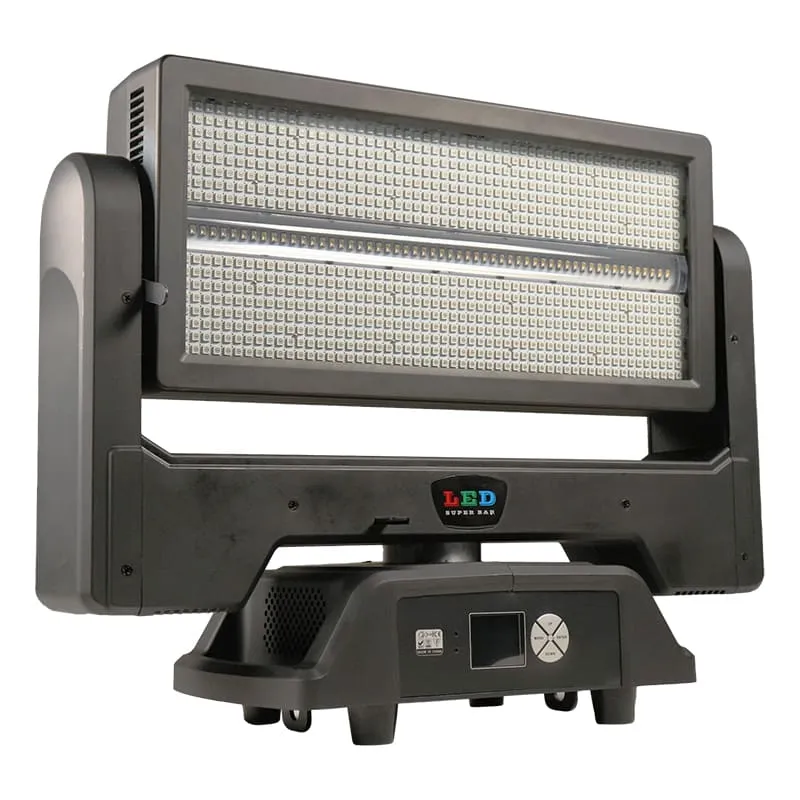
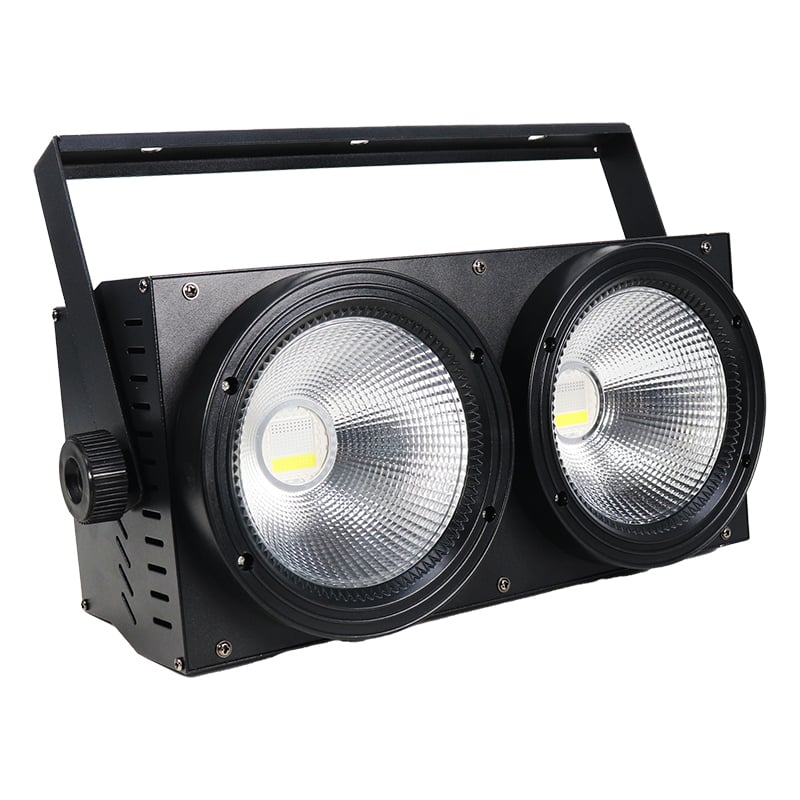
The influence of stage lighting on audience experience becomes strongest when fixture choice matches event objectives. Audience-facing effects, timed brightness peaks, and controlled blinder moments can create shared emotional highlights when used with precision. A practical option for these moments is stage lighting designed for punchy yet controllable output in live environments. The key is integrating these moments into content flow, not using them as isolated visual tricks.
Teams should evaluate throw distance, beam behavior, dimming curve, and heat management before finalizing stage lighting packages. These technical factors directly affect comfort, visibility, and cue accuracy during execution. Reliable stage lighting behavior under repeated cues is essential in tightly timed agendas. Better fixture planning reduces on-site compromise and preserves audience experience under real-world constraints.
Programming discipline and rehearsal quality
Even high-end gear cannot compensate for weak programming logic. Stage lighting needs a cue architecture that reflects content priorities, speaker pacing, and transition timing. Building cue groups by narrative function makes operation clearer for control teams and safer during live changes. This discipline helps stage lighting support communication rather than compete with it.
Rehearsal is where stage lighting influence is validated against reality. During technical runs, teams can test sightlines, camera response, audience comfort, and presenter movement to refine intensity and timing. Small corrections in stage lighting often produce large gains in clarity and emotional continuity. Rehearsed precision is one of the most reliable drivers of positive audience feedback.
FAQ
How early should stage lighting planning begin for a business event?
Stage lighting planning should begin as soon as agenda structure and venue parameters are known. Early planning allows better alignment between content flow, fixture capability, and power or rigging limitations. It also gives presenters time to rehearse with realistic visual conditions. Starting early reduces last-minute compromises that weaken audience experience.
Can stage lighting improve audience engagement in daytime venues?
Yes, stage lighting remains influential in daytime settings, especially for focus control and visual hierarchy. Even with ambient daylight, targeted stage lighting can separate speakers from background elements and improve readability on camera. The design approach usually prioritizes contrast and direction over theatrical color shifts. With correct calibration, stage lighting still enhances attention and perceived quality.
What is the most common stage lighting mistake at corporate events?
A common mistake is treating stage lighting as a late aesthetic add-on instead of a communication system. This often leads to generic looks that do not match message priorities or speaker movement. Another frequent issue is overusing dynamic effects that distract from content. Effective stage lighting is purposeful, restrained, and synchronized with the event narrative.
How do organizers measure whether stage lighting improved audience experience?
Organizers can evaluate stage lighting influence through audience dwell attention, session feedback quality, replay watch behavior in hybrid events, and presenter performance confidence. Technical indicators such as fewer missed cues, smoother transitions, and reduced camera correction also matter. Comparing these signals across events reveals whether stage lighting choices are supporting clearer communication and stronger engagement. Consistent positive movement across these metrics indicates meaningful impact.