
 EN
EN


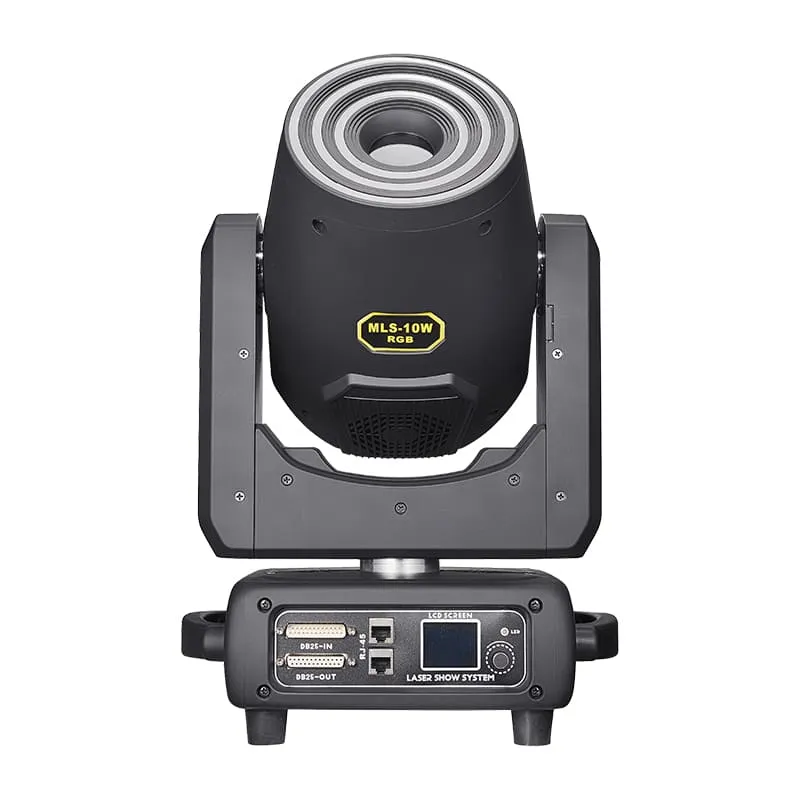
Selecting the right strobes for OEM stage lighting solutions requires careful evaluation of advanced features that determine performance capabilities, integration flexibility, and long-term reliability. Modern OEM stage lighting strobes must deliver precise timing control, extensive customization options, and robust connectivity features to meet the demanding requirements of professional entertainment venues, architectural installations, and specialized lighting applications.
The advanced features available in today's OEM stage lighting strobes encompass sophisticated control protocols, programmable segment configurations, thermal management systems, and seamless integration capabilities that enable lighting designers and system integrators to create dynamic visual experiences. Understanding which specific features align with your OEM requirements ensures optimal performance and competitive positioning in the professional lighting market.
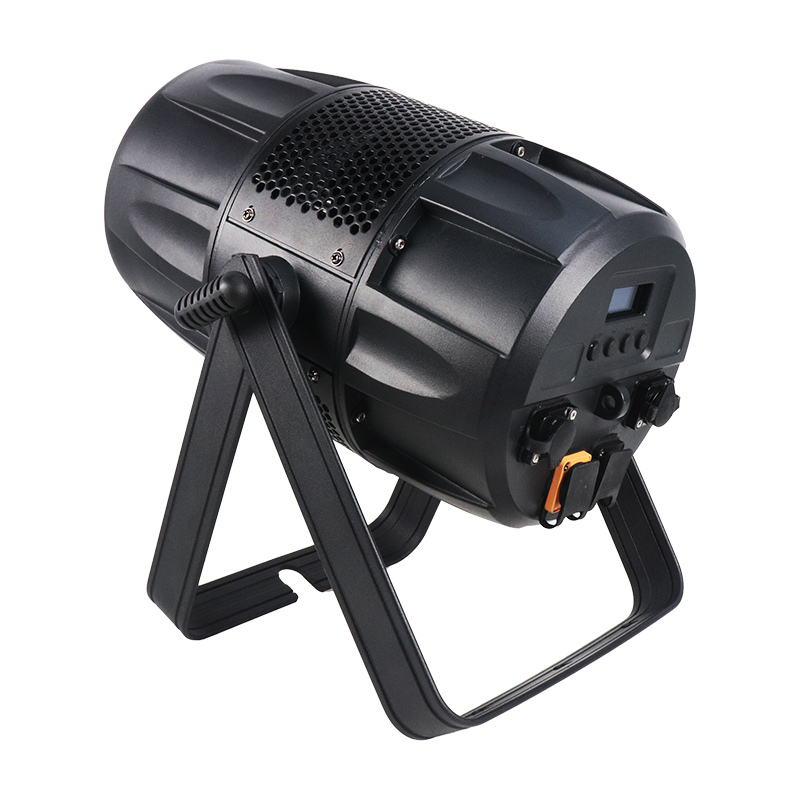
Essential Control Protocol Features in OEM Stage Lighting Strobes
DMX512 Integration and Extended Channel Support
Professional OEM stage lighting strobes incorporate comprehensive DMX512 control protocols that provide extensive channel mapping capabilities for precise parameter control. Advanced strobes feature expanded DMX channel support, allowing independent control of flash intensity, duration, frequency, and segment activation patterns. This level of control granularity enables lighting programmers to create complex synchronized effects across multiple fixtures while maintaining frame-accurate timing precision.
The most sophisticated OEM stage lighting strobes offer bi-directional DMX communication, enabling real-time status reporting and diagnostic feedback to lighting control systems. This feature proves invaluable for large-scale installations where remote monitoring and fault detection capabilities reduce maintenance overhead and ensure consistent performance reliability.
Wireless Control Integration and Network Compatibility
Modern OEM stage lighting strobes incorporate wireless control technologies that eliminate cable infrastructure requirements while maintaining reliable communication links. Advanced wireless protocols ensure low-latency command transmission and robust signal integrity even in electromagnetically challenging environments typical of professional entertainment venues.
Network-enabled OEM stage lighting strobes support Ethernet-based control protocols, enabling integration with modern lighting control ecosystems and remote management platforms. This connectivity allows system integrators to implement centralized monitoring, firmware updates, and performance optimization across distributed lighting installations.
Advanced Segment Configuration and Customization Features
Multi-Zone Flash Control and Independent Segment Programming
High-performance OEM stage lighting strobes feature multi-zone flash control systems that enable independent programming of individual LED segments or groups. This segmentation capability allows lighting designers to create complex visual patterns, chase effects, and pixel-mapping displays that extend beyond traditional full-fixture flash operations.
Advanced segment configuration features include programmable zone mapping, where users can define custom groupings of LED elements to match specific design requirements. OEM stage lighting strobes with extensive segment control offer creative flexibility that enables unique visual signatures and competitive differentiation in the marketplace.
Timing Precision and Synchronization Capabilities
Professional-grade OEM stage lighting strobes incorporate high-resolution timing control systems that provide microsecond-level precision for flash duration and frequency modulation. This timing accuracy ensures consistent performance across multiple fixtures and enables tight synchronization with audio systems, video content, and other lighting elements.
Advanced synchronization features include master-slave configurations, external trigger inputs, and SMPTE timecode compatibility. These capabilities allow OEM stage lighting strobes to integrate seamlessly into complex multimedia productions where precise timing coordination determines the overall quality of the visual experience.
Thermal Management and Power Efficiency Technologies
Intelligent Thermal Protection Systems
Sophisticated OEM stage lighting strobes incorporate intelligent thermal management systems that monitor LED junction temperatures, driver circuit heat levels, and ambient conditions in real-time. Advanced thermal protection algorithms automatically adjust output parameters to prevent overheating while maintaining optimal performance characteristics throughout extended operating periods.
These thermal management systems feature predictive algorithms that anticipate thermal loading based on programming patterns and environmental conditions. By proactively managing thermal stress, advanced OEM stage lighting strobes deliver consistent output characteristics and extended LED lifespan, reducing total cost of ownership for end users.
Energy Efficiency Optimization and Power Factor Correction
Modern OEM stage lighting strobes implement advanced power management technologies that optimize energy consumption while maintaining peak performance capabilities. High-efficiency switch-mode power supplies with active power factor correction ensure minimal electrical grid impact and compliance with international power quality standards.
Energy efficiency features in advanced OEM stage lighting strobes include programmable standby modes, automatic brightness scaling based on ambient conditions, and load-adaptive power management. These technologies reduce operational costs while supporting sustainability initiatives increasingly important in professional lighting applications.
Integration and Connectivity Features for OEM Applications
Modular Hardware Architecture and Expandability
Leading OEM stage lighting strobes feature modular hardware architectures that support field-upgradeable components and expandable functionality. Modular designs enable system integrators to customize fixture specifications to match specific application requirements while maintaining standardized mounting interfaces and control protocols.
Advanced modular features include swappable optical assemblies, upgradeable control modules, and expandable input-output interfaces. This modularity provides OEM customers with flexibility to adapt lighting solutions as project requirements evolve without requiring complete fixture replacement.
Software Integration and API Support
Sophisticated OEM stage lighting strobes provide comprehensive software development kits and application programming interfaces that enable custom integration with proprietary control systems. Advanced API support includes real-time parameter control, status monitoring, and configuration management capabilities that streamline system integration processes.
Software integration features extend to support for industry-standard lighting control protocols and emerging IoT connectivity standards. This compatibility ensures that OEM stage lighting strobes can participate in smart building systems, automated venue management platforms, and cloud-based monitoring services.
Performance Optimization and Reliability Features
Output Characteristics and Color Consistency
Premium OEM stage lighting strobes incorporate advanced LED selection and binning processes that ensure consistent color output and intensity matching across multiple fixtures. Sophisticated color calibration systems compensate for LED aging effects and temperature variations, maintaining uniform appearance throughout the fixture lifecycle.
Performance optimization features include programmable gamma correction, color temperature adjustment, and intensity calibration capabilities. These features enable OEM stage lighting strobes to maintain precise color reproduction and intensity matching requirements critical for professional applications.
Reliability Engineering and Quality Assurance
Advanced OEM stage lighting strobes undergo comprehensive reliability testing including thermal cycling, vibration resistance, and accelerated aging protocols. Quality assurance processes ensure consistent manufacturing quality and performance reliability that meets the demanding requirements of professional entertainment applications.
Reliability features include redundant circuit protection, fault-tolerant control systems, and comprehensive diagnostic capabilities. These engineering approaches minimize failure risks and provide early warning of potential issues before they impact performance or require emergency maintenance interventions.
FAQ
What advanced control features should I prioritize when selecting OEM stage lighting strobes for professional installations?
Prioritize DMX512 compatibility with extended channel support, wireless connectivity options, and bi-directional communication capabilities. These features provide the control flexibility and monitoring capabilities essential for professional lighting installations. Additionally, look for strobes with programmable segment control and high-resolution timing precision to enable complex visual effects and reliable synchronization with other system components.
How do thermal management features in advanced OEM stage lighting strobes impact performance and longevity?
Advanced thermal management systems significantly extend LED lifespan and maintain consistent output characteristics by preventing overheating and thermal stress. Intelligent thermal protection automatically adjusts performance parameters to maintain optimal operating temperatures, while predictive algorithms anticipate thermal loading to prevent damage. These features reduce maintenance requirements and ensure reliable performance throughout the fixture lifecycle.
What connectivity and integration capabilities are most important for OEM stage lighting strobes in modern installations?
Network connectivity through Ethernet protocols, wireless control compatibility, and comprehensive API support are crucial for modern installations. These features enable integration with centralized control systems, remote monitoring platforms, and custom software applications. Additionally, support for emerging IoT standards and cloud-based management systems provides future-proofing for evolving technological requirements.
How do modular design features benefit OEM customers when specifying stage lighting strobes?
Modular design features provide flexibility to customize fixture specifications for specific applications while maintaining standardized interfaces and control protocols. This modularity enables field upgrades, component replacement, and system expansion without requiring complete fixture replacement. OEM customers benefit from reduced inventory requirements, simplified maintenance procedures, and the ability to adapt lighting solutions as project requirements evolve.
Table of Contents
- Essential Control Protocol Features in OEM Stage Lighting Strobes
- Advanced Segment Configuration and Customization Features
- Thermal Management and Power Efficiency Technologies
- Integration and Connectivity Features for OEM Applications
- Performance Optimization and Reliability Features
-
FAQ
- What advanced control features should I prioritize when selecting OEM stage lighting strobes for professional installations?
- How do thermal management features in advanced OEM stage lighting strobes impact performance and longevity?
- What connectivity and integration capabilities are most important for OEM stage lighting strobes in modern installations?
- How do modular design features benefit OEM customers when specifying stage lighting strobes?