
 EN
EN


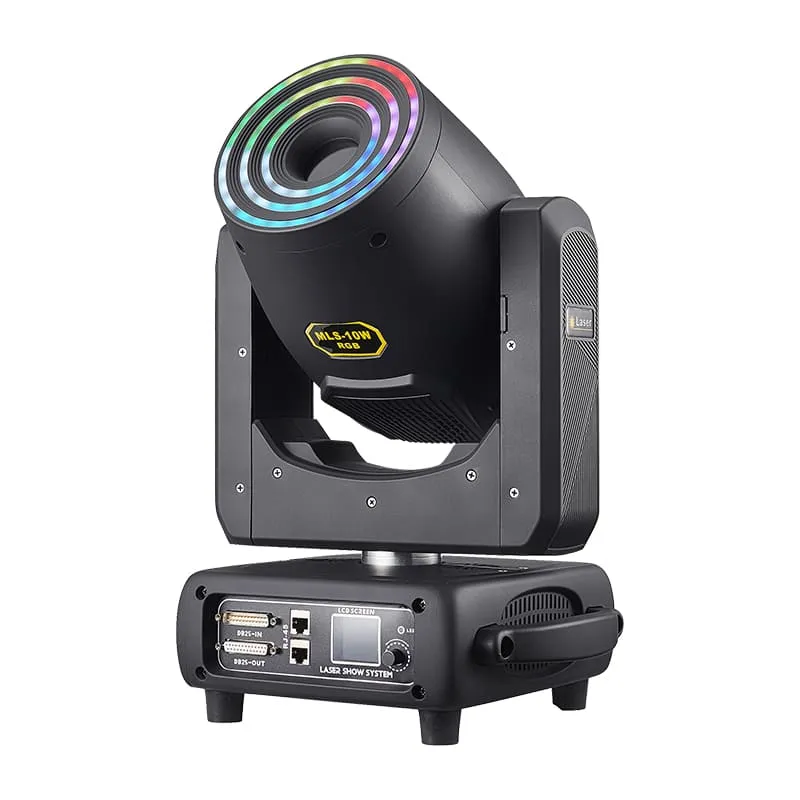
The future of professional stage lighting is being shaped by a clear shift from isolated fixtures to connected, data-aware, creative systems. In live production, venues and rental teams now evaluate professional stage lighting not only by beam quality, but also by flexibility, lifecycle cost, sustainability impact, and integration with video and control networks. This change is redefining purchasing criteria, show design workflows, and technician skill requirements. For decision-makers, understanding these trends is now essential to protect investment value and keep creative capabilities competitive.
At the same time, audience expectations are rising across concerts, corporate events, houses of worship, and touring productions. Visual storytelling is now tightly linked to lighting precision, color consistency, and dynamic movement, so professional stage lighting is moving toward hybrid fixture roles, smarter control logic, and faster deployment. The strongest trend is not one single technology, but a combined evolution of creative demand, operational efficiency, and technical interoperability. Together, these factors are setting the direction for the next generation of professional stage lighting systems.
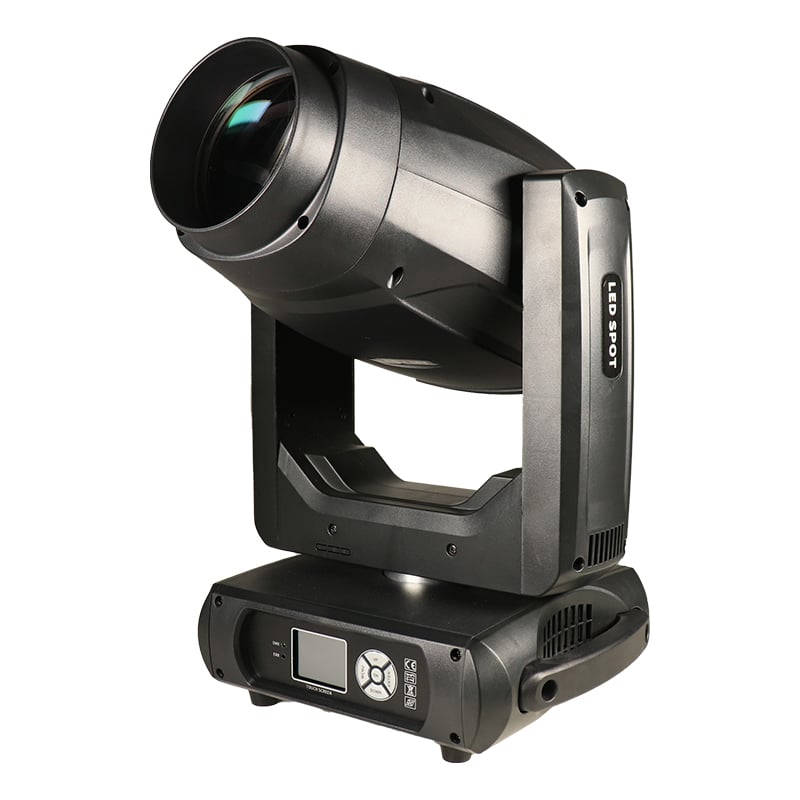
Technology Convergence Is Redefining Fixture Roles
Hybrid fixture architecture is becoming the new operational baseline
One of the biggest trends in professional stage lighting is the movement toward multifunction fixtures that combine beam, spot, and wash capabilities. Instead of transporting and rigging separate units for each task, production teams can design more adaptable rigs with fewer fixture types. This gives designers faster programming choices and lets crews respond to last-minute show changes without major reconfiguration. In practical terms, professional stage lighting is becoming more modular in function while remaining more compact in physical footprint.
For rental environments, this trend improves utilization rates across different event formats. A fixture that supports multiple roles can move from a concert stage to a corporate gala with less compromise, which improves return on inventory. It also helps technicians standardize prep, maintenance, and troubleshooting procedures. As budgets tighten and show complexity rises, hybrid capability is becoming central to professional stage lighting planning.
Advanced color systems are moving from preference to requirement
Color quality is now a strategic concern in professional stage lighting because lighting must align with LED walls, camera sensors, and brand color standards. CMY mixing, CTO correction, and improved dimming curves are no longer premium extras in many project briefs. Designers need smoother transitions and consistent color behavior across different intensity levels, especially in broadcast and livestreamed events. This demand is pushing professional stage lighting toward better optical engines and tighter color control.
The result is that fixture evaluation now includes how predictably a unit behaves in mixed-media environments. If a fixture looks strong in person but fails under camera exposure, it loses value in modern production contexts. That is why many teams reviewing professional stage lighting prioritize color repeatability and calibration stability over isolated brightness claims. Color intelligence has become a core trend because visual ecosystems are now fully converged.
Control, Data, and Networked Workflows Are Accelerating
Network-first control ecosystems are replacing isolated signal paths
Another defining trend in professional stage lighting is the move from standalone DMX lines to broader network-aware architectures. Modern shows often combine lighting, media servers, timecode, and automation cues, so teams need synchronized control frameworks that scale cleanly. Networked approaches improve patch flexibility, fault isolation, and remote diagnostics, all of which matter in high-pressure show windows. This transition is turning professional stage lighting into part of a larger digital production infrastructure.
For venues, a network-first model supports repeatability across different events and technical crews. For touring teams, it improves setup speed because show files and device states can be managed with better consistency. It also reduces risk during changeovers, where signal integrity and addressing errors traditionally caused delays. As productions become more complex, professional stage lighting strategy increasingly depends on network discipline rather than fixture output alone.
Data visibility is changing maintenance and lifecycle decisions
Data-driven maintenance is emerging as a major influence on professional stage lighting investment decisions. Usage hours, temperature behavior, fan performance, and error logs help teams plan service windows before failures disrupt events. This predictive approach reduces emergency repairs and supports more stable show quality during busy seasons. In effect, professional stage lighting is evolving from reactive operation to managed asset performance.
Procurement teams are also using lifecycle data to compare total cost of ownership more accurately. Fixture price remains important, but reliability patterns and service efficiency now carry equal weight in long-term planning. This shift favors products and workflows that provide clear status feedback and practical maintenance access. As a trend, measurable operational intelligence is becoming inseparable from professional stage lighting value.
Sustainability and Efficiency Are Reshaping Investment Priorities
Energy efficiency is now a budget issue, not only an environmental goal
Energy consumption has become a critical trend in professional stage lighting because power costs and venue sustainability targets are rising together. Efficient fixtures reduce electrical load, cooling demand, and distribution complexity, especially in medium and large rigs. This matters to touring operations where generator sizing and fuel logistics directly affect profitability. As a result, professional stage lighting specifications increasingly include efficiency metrics during early design phases.
The impact is practical across all event categories. Lower load can allow denser visual design within existing power limits, giving creative teams more freedom without costly infrastructure changes. It also supports compliance with venue policies focused on responsible energy use. In many organizations, efficient professional stage lighting now aligns financial planning and sustainability reporting in the same decision framework.
Longevity and serviceability are becoming front-line criteria
Beyond power use, long service life is shaping how buyers evaluate professional stage lighting. Replaceable modules, accessible internal layouts, and durable thermal management all influence whether fixtures stay productive over multiple seasons. Frequent replacement cycles create hidden labor and logistics costs that can exceed initial savings. This is why professional stage lighting procurement is increasingly tied to maintainability and uptime expectations.
Teams are also paying closer attention to spare-part strategy and turnaround time for repairs. A fixture that performs well but remains difficult to service can weaken operational resilience during peak production periods. Durable design combined with efficient maintenance workflows protects both creative continuity and commercial performance. This trend confirms that professional stage lighting is now judged by long-term operational confidence as much as by first-use impact.
Creative Demand and Audience Experience Are Pushing New Standards
Immersive design language is raising the performance baseline
Audience expectations have changed the role of professional stage lighting from support function to core narrative tool. Shows now rely on precise transitions, layered textures, and spatial movement to create emotional pacing. Designers need fixtures that respond quickly and consistently across complex cue stacks. Because of this, professional stage lighting must deliver both visual power and programming predictability in equal measure.
This trend is particularly visible in hybrid events where in-room and online viewers experience the same production differently. Lighting decisions must account for camera behavior, screen contrast, and live audience perception at once. That requirement pushes teams toward more flexible optics and refined control over intensity and color balance. The future direction of professional stage lighting is therefore tied to multi-format storytelling, not just stage illumination.
Faster deployment and repeatability are now competitive advantages
Production timelines are tightening, and this is influencing every layer of professional stage lighting operations. Previsualization, reusable cue templates, and standardized fixture profiles help teams move from design to execution with less friction. In touring and high-turnover venues, repeatability reduces error rates and protects show quality under pressure. This trend makes workflow efficiency a defining feature of professional stage lighting success.
It also changes staffing expectations. Technicians increasingly need cross-disciplinary fluency in networking, console logic, and media synchronization alongside traditional rigging knowledge. Organizations that build these capabilities can scale more reliably across event types and client requirements. As a result, the future of professional stage lighting will be shaped as much by process maturity and team capability as by fixture technology itself.
FAQ
What is the single most important trend in professional stage lighting today?
The most influential trend is convergence: professional stage lighting is becoming a connected system where fixture versatility, network control, data visibility, and creative performance are evaluated together. No single specification explains future readiness by itself. Buyers who assess these factors in combination make stronger long-term decisions.
How should B2B buyers adapt their professional stage lighting procurement process?
B2B buyers should shift from unit-price comparison to lifecycle evaluation of professional stage lighting. That means reviewing energy efficiency, maintainability, uptime history, integration compatibility, and programming flexibility before purchase. This approach reduces operational surprises and improves value across multi-year use.
Are sustainability goals limiting creative results in professional stage lighting?
In most cases, sustainability goals are improving outcomes rather than restricting them. Efficient professional stage lighting can reduce power constraints and thermal stress while still supporting advanced looks and dynamic effects. When paired with smart control workflows, sustainable systems often enable more reliable and repeatable creativity.
Why does network integration matter for the future of professional stage lighting?
Network integration matters because modern productions depend on synchronization across lighting, video, audio timing, and automation. Professional stage lighting that fits into networked ecosystems gives teams better control, faster troubleshooting, and cleaner scaling for complex shows. This capability is now central to future-proof production design.
Table of Contents
- Technology Convergence Is Redefining Fixture Roles
- Control, Data, and Networked Workflows Are Accelerating
- Sustainability and Efficiency Are Reshaping Investment Priorities
- Creative Demand and Audience Experience Are Pushing New Standards
-
FAQ
- What is the single most important trend in professional stage lighting today?
- How should B2B buyers adapt their professional stage lighting procurement process?
- Are sustainability goals limiting creative results in professional stage lighting?
- Why does network integration matter for the future of professional stage lighting?