
 EN
EN


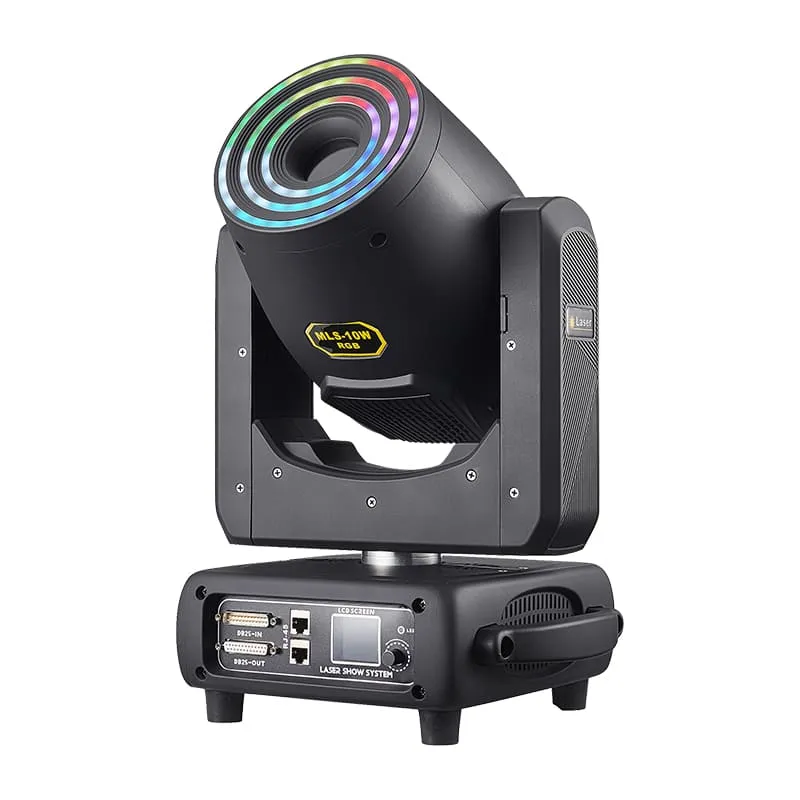
Multi-scene events demand more than bright fixtures and color effects. They require stage lighting solutions that can shift mood, support transitions, and maintain visual consistency across keynote segments, performances, award moments, and audience interaction. When planners ask which stage lighting solutions fit this complexity, the answer is not one product category but a coordinated system approach. The right stage lighting solutions combine control flexibility, fixture diversity, and scene programming depth so every segment feels intentional instead of improvised.
For B2B teams managing conferences, launches, exhibitions, and hybrid productions, tailored stage lighting solutions are selected by scene complexity, cue frequency, venue variability, and required operator control. In practical terms, multi-scene success comes from pairing programmable control with adaptable fixture layers and reliable signal architecture. That is why stage lighting solutions should be evaluated by how precisely they map to event flow, not by fixture count alone.
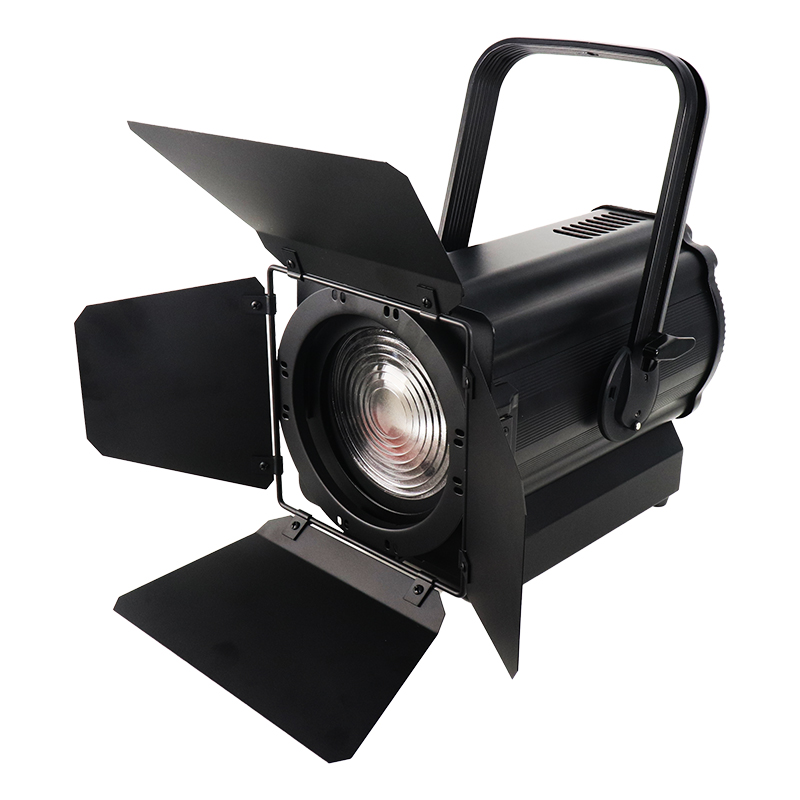
Selection Logic for Multi-Scene Event Requirements
Scene density and transition complexity as the first filter
The first way to classify stage lighting solutions is by scene density, meaning how many distinct looks are needed in one run-of-show. A product launch with six mood shifts has different needs than a summit with twenty-five cue changes. High-density formats require stage lighting solutions that support fast cue recall, fade timing control, and stable transition behavior under pressure. Without these capabilities, operators end up making manual corrections that increase risk during live moments.
Transition complexity matters just as much as scene count. Some multi-scene agendas need subtle crossfades, while others need hard cuts synchronized with media and sound. Tailored stage lighting solutions should allow both styles in one show file so teams do not rebuild programming during rehearsals. This is where integrated cue stacks and editable timing parameters become central selection criteria.
Venue variation and rigging constraints in real deployments
Many event teams run the same brand experience across hotels, convention halls, and temporary structures. In these conditions, stage lighting solutions must tolerate changing trim heights, throw distances, and power layouts. A fixed design philosophy fails quickly when ceiling height drops or load-in windows shrink. Flexible stage lighting solutions use modular fixture roles and scalable control addressing so the same creative intent can be rebuilt in different rooms.
Rigging and patch constraints also influence which stage lighting solutions are truly tailored. If a venue limits hanging points, fixtures must deliver multiple functions per position, and control must remain intuitive for rapid re-patching. Teams that evaluate stage lighting solutions through both creative and operational constraints usually achieve stronger consistency across tour stops and regional activations.
Control-Centric Stage Lighting Solutions for Tailored Programming
Why controller architecture determines customization depth
In multi-scene production, the controller is the decision engine behind all stage lighting solutions. Fixture capability has limited value when cue architecture is weak or programming speed is slow. Teams that need tailored stage lighting solutions should prioritize control surfaces that support layered playback, flexible grouping, and dependable DMX management. This directly reduces rehearsal friction and allows quick adaptation when agenda changes happen late.
A practical example is using a high-capacity control platform such as stage lighting solutions built around broad channel management and scene memory depth. In this model, operators can maintain separate cue logic for presenter zones, scenic backdrops, and audience accents, then combine them per segment. These stage lighting solutions support continuity without locking teams into one visual style.
Programming workflows that support rapid scene revisions
Tailored stage lighting solutions must support revision-heavy workflows, because live agendas often change after technical rehearsal. Segment order can shift, speakers can overrun, and sponsor assets can arrive late. Systems with strong preset management and clear cue labeling allow operators to adjust timing and intensity without rebuilding everything from zero. That is a defining advantage of mature stage lighting solutions for enterprise events.
Another requirement is operator clarity during show execution. In high-pressure environments, stage lighting solutions should present cues in a logical sequence and expose emergency overrides for unexpected stage states. This protects show quality when human decisions must be immediate. For production directors, these control-focused stage lighting solutions create predictable outcomes and reduce dependence on individual operator memory.
Fixture Layering Strategies That Match Multi-Scene Objectives
Key light, texture light, and audience light as separate design layers
The most effective stage lighting solutions separate fixture purpose into layers rather than treating all fixtures as interchangeable. Key light supports visibility and camera readability for speakers. Texture light shapes depth and mood on stage architecture. Audience light controls energy and participation during interactive segments. When stage lighting solutions are built on this layered logic, transitions feel coherent even when content style changes dramatically.
Layered design also improves troubleshooting during live operation. If one visual goal fails, operators can isolate the affected layer without collapsing the full look. That operational resilience is why experienced teams choose stage lighting solutions that preserve functional separation while still allowing unified cue playback. It is a practical way to protect quality across long agendas.
Beam behavior and color behavior aligned to content type
Different content blocks need different beam and color behavior. Corporate speaking segments usually benefit from clean white balance and controlled contrast, while entertainment inserts often need dynamic movement and saturated palettes. Tailored stage lighting solutions allow both conditions within one system profile, avoiding abrupt aesthetic mismatches. This improves audience perception of professionalism and narrative flow.
Color management consistency is another major factor. Multi-scene events often include LED walls, branded graphics, and camera feeds that can clash with uncontrolled lighting output. Advanced stage lighting solutions let teams calibrate color behavior by scene type, preserving brand tones while maintaining skin tone quality on camera. For B2B productions, these stage lighting solutions support both visual impact and communication clarity.
Operational Fit: Matching Stage Lighting Solutions to Event Business Goals
Balancing creative range with setup efficiency
Event operations are judged by outcomes, timelines, and risk control, not only by design ambition. The best stage lighting solutions for multi-scene formats provide creative flexibility while keeping setup logic manageable for crew schedules. If a system delivers strong looks but causes long patch times or unstable rehearsals, it is not truly tailored. Operationally aligned stage lighting solutions protect both experience quality and project margin.
Teams should assess how stage lighting solutions perform from pre-production through strike. Can scenes be pre-visualized quickly, loaded cleanly, and adapted onsite without major downtime. Can control templates be reused across recurring events. These questions identify stage lighting solutions that scale with business demand instead of requiring full redesign every time.
Reliability, redundancy, and stakeholder confidence
In executive events, failure tolerance is low. Stage lighting solutions must support stable signal flow, clear fault isolation, and contingency planning for critical cues. Reliability is not only a technical issue but a stakeholder trust issue, especially when leadership presentations and client-facing announcements are involved. Tailored stage lighting solutions reduce uncertainty and keep production teams in control when pressure peaks.
Decision-makers also value repeatability. When stage lighting solutions can deliver consistent scene quality across regions and venues, planners gain confidence in forecasting labor, rehearsal time, and show outcomes. This repeatability is a strategic advantage for organizations running roadshows, partner conferences, and recurring annual events with high visibility expectations.
FAQ
What makes stage lighting solutions tailored rather than standard for multi-scene events?
Tailored stage lighting solutions are built around actual run-of-show needs, including cue volume, transition type, venue constraints, and operator workflow. Standard setups often provide generic coverage, while tailored stage lighting solutions map specific lighting layers and control behavior to each scene objective. The difference appears in transition smoothness, troubleshooting speed, and visual consistency across varied content segments.
Are controller features more important than fixture quantity in stage lighting solutions?
For multi-scene environments, controller capability often has greater impact than adding more fixtures. Strong stage lighting solutions depend on scene memory, cue timing control, and flexible patching to handle live changes. Extra fixtures without corresponding control depth usually increase complexity without improving execution quality. Balanced stage lighting solutions pair fixture capacity with control architecture that supports fast, accurate programming.
How do stage lighting solutions support hybrid events with in-room and streamed audiences?
Hybrid production requires stage lighting solutions that maintain camera-friendly key light while preserving atmosphere for attendees in the room. Tailored stage lighting solutions separate audience effects from presenter visibility so both channels remain effective. They also allow scene-by-scene calibration to prevent color conflicts with LED displays and broadcast workflows, which is essential for professional hybrid delivery.
When should event teams upgrade their current stage lighting solutions?
Upgrade timing is usually clear when cue complexity grows faster than programming efficiency, or when recurring venue changes create unstable show quality. If operators rely on manual workarounds to maintain consistency, current stage lighting solutions are likely under-scaled for multi-scene demands. Upgrading to more adaptable stage lighting solutions improves reliability, shortens rehearsal correction cycles, and supports long-term event standardization.
Table of Contents
- Selection Logic for Multi-Scene Event Requirements
- Control-Centric Stage Lighting Solutions for Tailored Programming
- Fixture Layering Strategies That Match Multi-Scene Objectives
- Operational Fit: Matching Stage Lighting Solutions to Event Business Goals
-
FAQ
- What makes stage lighting solutions tailored rather than standard for multi-scene events?
- Are controller features more important than fixture quantity in stage lighting solutions?
- How do stage lighting solutions support hybrid events with in-room and streamed audiences?
- When should event teams upgrade their current stage lighting solutions?