
 EN
EN


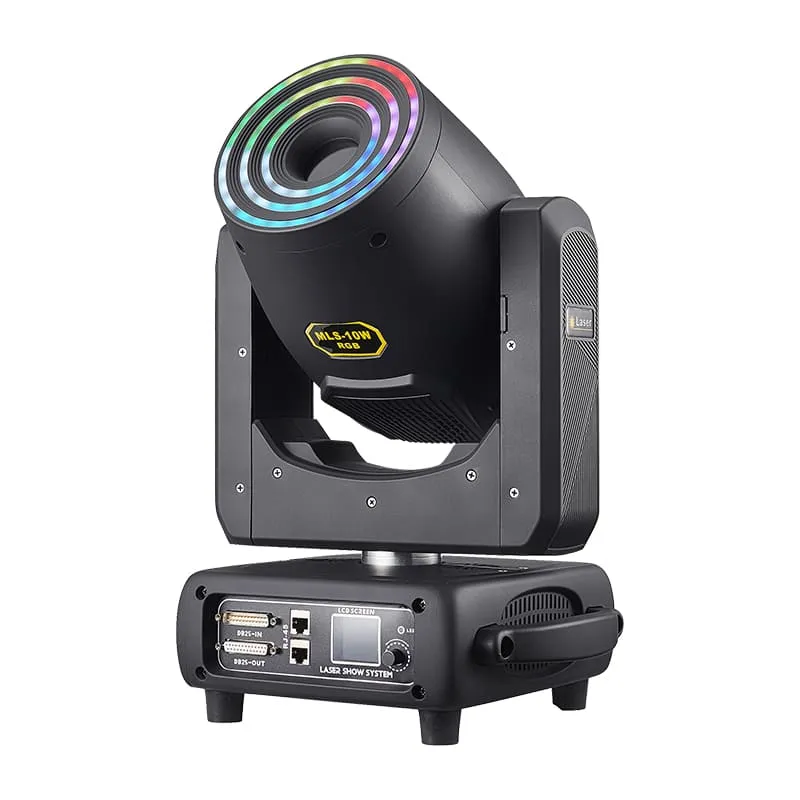
For creative performance teams, the real question is not simply whether gobo lights can project patterns, but which gobo lights can be adapted through OEM collaboration to match specific stage concepts, touring requirements, and control ecosystems. In practical terms, the best-fit gobo lights for OEM work are models built on modular optical architecture, stable thermal systems, and firmware flexibility, because these foundations allow custom gobos, beam behavior, interface changes, and housing adjustments without compromising reliability. When production planners evaluate gobo lights for immersive shows, they need to connect visual ambition with engineering realities, especially in high-duty event environments where consistency matters as much as visual impact.
The most suitable gobo lights for OEM options in creative performance projects usually combine moving-head precision, gobo wheel customization, prism layering capability, and programmable effects that can be tuned to a project identity. Rather than selecting gobo lights only by wattage, buyers should prioritize OEM depth, from optical customization and mechanical refinement to protocol integration and quality control workflows. This approach helps designers and technical directors ensure that gobo lights serve storytelling, not just illumination, across concerts, theater installations, themed venues, and multimedia productions.
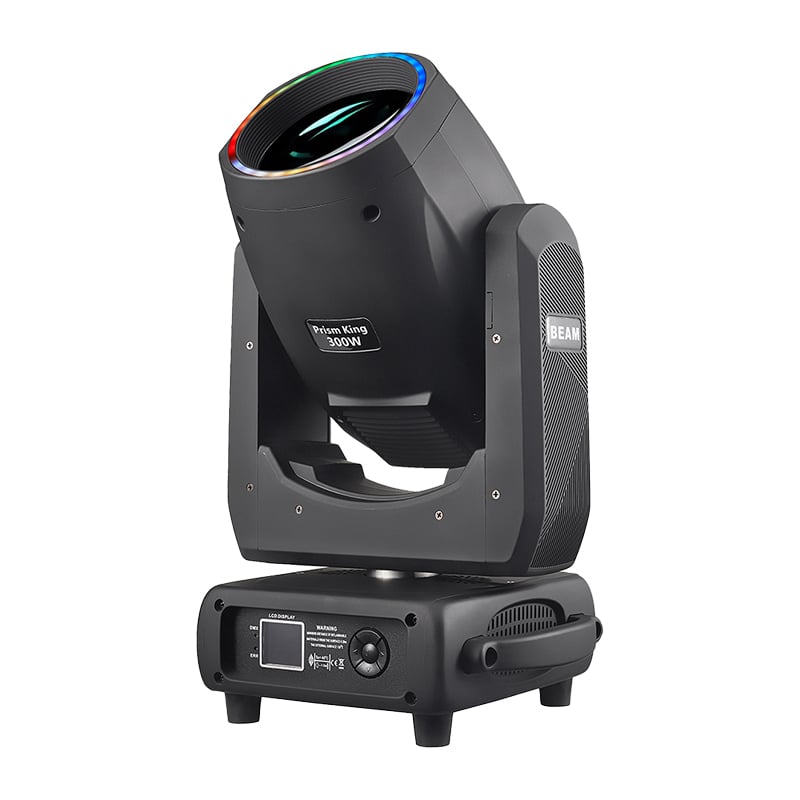
OEM Fit Criteria That Define Which Gobo Lights Are Project-Ready
Modular optical systems as the first filter
When teams ask which gobo lights support meaningful OEM options, modularity is the first checkpoint. Gobo lights with interchangeable gobo wheels, flexible lens groups, and tunable focus mechanisms give engineering teams room to implement custom textures and projection behavior. Without this modular foundation, even strong baseline gobo lights become difficult to tailor for project-specific visual direction.
In creative performance settings, modular gobo lights help bridge concept art and execution. Designers can request rotating breakup patterns, branded motifs, or atmospheric overlays while maintaining mechanical compatibility. This means gobo lights can evolve from standard fixtures into project assets that carry visual identity consistently from rehearsal to live run.
Thermal and mechanical stability under show conditions
Not all gobo lights that look good in a demo remain stable in continuous operation. OEM-ready gobo lights must control heat at the source, since optical drift and gobo warping can quickly degrade image quality in long performances. A stable thermal path protects both projection precision and fixture lifespan, which is critical in rental-heavy and touring operations.
Mechanical accuracy is equally important. Gobo lights used in synchronized cues need repeatable pan-tilt movement, low backlash, and dependable indexing. If OEM teams are asked to modify housing, mounting points, or internal layout, gobo lights should still preserve movement accuracy and serviceability. Reliability under stress is what separates display-ready products from true performance tools.
OEM Customization Layers That Matter Most in Creative Production
Gobo content, rotation logic, and beam character tuning
The core OEM value in gobo lights starts with projection language. Teams often need custom steel or glass gobo sets, distinct rotation speeds, and transition behavior that aligns with choreography and music dynamics. Advanced gobo lights let engineers tune these details while maintaining sharp edge control and consistent brightness across cue stacks.
Beam character also matters. In many projects, gobo lights must shift from crisp logo projection to textured atmosphere within the same scene. OEM-capable gobo lights can support prism interaction, frost behavior, and focus response curves that create layered visuals without forcing major fixture swaps. That flexibility reduces rig complexity and strengthens design continuity.
Control protocol adaptation and firmware-level alignment
Creative projects often combine lighting consoles, media servers, and show control platforms. As a result, which gobo lights are ideal for OEM depends heavily on control integration. Gobo lights that allow channel profile refinement, macro behavior tuning, and firmware customization are easier to deploy in mixed-system environments.
Firmware-aligned gobo lights support cleaner programming workflows. For example, smoother dimming curves, refined effect timing, and predictable parameter mapping improve cue consistency during tech rehearsals. OEM teams that can adapt control logic help creative and technical departments use gobo lights as expressive instruments rather than rigid hardware endpoints.
Project Scenarios That Clarify Which Gobo Lights Need OEM Depth
Touring productions with repeatable visual identity
Touring projects demand gobo lights that perform consistently across changing venues, rig heights, and ambient conditions. OEM options become valuable when production teams need protective transport considerations, calibration repeatability, and standardized behavior across large fixture counts. In this scenario, gobo lights with stable manufacturing tolerances and controllable firmware deliver measurable operational value.
Tour visual branding also depends on repeatable projection quality. Custom content in gobo lights must remain legible and expressive at different throw distances, and fixture response must stay consistent from one city to the next. OEM collaboration helps ensure gobo lights maintain that identity without ongoing workaround programming.
Permanent installations and themed performance environments
In permanent venues, gobo lights often operate as part of a wider storytelling system tied to architecture, media, and audience flow. OEM-ready gobo lights can be adapted for installation-specific constraints such as mounting geometry, maintenance access, and acoustic limits. This is where customization beyond standard catalog features becomes a practical requirement.
For themed environments, gobo lights may need unique effect sequencing, controlled noise behavior, and specialized optical mood transitions. Choosing OEM-focused gobo lights supports long-term consistency while reducing retrofit risk. The result is a visual system that remains aligned with venue narrative and operational targets over time.
How to Evaluate OEM Capability Before Committing to Gobo Lights
Technical discovery and prototype validation workflow
A reliable selection process starts with structured technical discovery. Teams should define how gobo lights will be used across show types, cue complexity, duty cycle, and maintenance intervals. This baseline helps suppliers map feasible OEM paths and avoids late-stage changes that can affect schedule and budget.
Prototype validation is essential. Before scaling procurement, test gobo lights for projection sharpness, thermal behavior, movement repeatability, and control integration in realistic cue environments. Early testing reveals whether OEM modifications preserve core performance and whether the chosen gobo lights can handle live production pressure.
Manufacturing consistency, documentation, and lifecycle support
Even visually strong gobo lights can create risk if manufacturing controls are weak. OEM projects should verify process consistency, incoming component checks, and final test standards. When gobo lights are deployed at scale, small quality variations can become visible in synchronized scenes and reduce perceived production quality.
Documentation quality is another decision factor. Clear parameter charts, service procedures, and firmware version records make gobo lights easier to maintain over the project lifecycle. For teams exploring configurable moving-head solutions, reviewing specifications such as this gobo lights reference can help frame technical conversations around OEM feasibility, not only headline features.
Strategic Decision Framework for Selecting OEM-Capable Gobo Lights
Balancing creative ambition with engineering constraints
The best answer to which gobo lights offer OEM options is usually a balance decision. Creative directors may prioritize layered looks and signature projection language, while technical managers focus on maintenance burden and system stability. Strong candidate gobo lights are those that satisfy both visual ambition and operational control with minimal compromise.
This balance is easier when OEM discussions start early. By aligning content design, optical requirements, and rigging constraints from the beginning, teams can specify gobo lights that support the full show concept. Early alignment prevents over-customization in one area that weakens performance in another.
Building a repeatable procurement model for future projects
Many organizations treat each production as a unique purchase, but repeatable frameworks improve outcomes. Defining internal acceptance criteria for gobo lights, including optical quality, motion response, firmware behavior, and support expectations, creates a clear standard for OEM evaluation. Over time, this improves consistency across projects and lowers technical risk.
A mature procurement model also captures lessons learned from field operation. Teams can document how specific gobo lights perform under real cue density and environmental variation, then refine future OEM requests accordingly. This feedback loop turns fixture selection into a strategic capability rather than a one-time transaction.
FAQ
Which gobo lights are usually easiest to customize through OEM programs?
Gobo lights with modular optics, accessible firmware controls, and stable thermal design are typically the easiest to customize. These foundations allow changes to gobo content, effect behavior, and control mapping without destabilizing performance. In most creative performance projects, this combination supports both artistic freedom and dependable operation.
Are OEM gobo lights only useful for large touring productions?
No, OEM gobo lights are also valuable for fixed installations, themed entertainment, and multi-use venues that need distinctive visual identity. Even mid-scale projects benefit when gobo lights are tuned for specific control workflows and maintenance realities. The value comes from fit and consistency, not project size alone.
How long should teams test gobo lights before full deployment?
Testing should cover realistic rehearsal conditions, including extended run time, frequent cue changes, and integration with the intended control system. The goal is to confirm that gobo lights maintain image quality, movement precision, and predictable response under operational stress. A structured pilot phase reduces surprises during launch.
What is the biggest mistake when choosing OEM-capable gobo lights?
A common mistake is selecting gobo lights based only on visual demo impact while underestimating integration and lifecycle factors. Projects perform better when teams evaluate customization depth, firmware behavior, quality consistency, and service documentation together. This broader lens ensures gobo lights remain effective beyond initial installation.
Table of Contents
- OEM Fit Criteria That Define Which Gobo Lights Are Project-Ready
- OEM Customization Layers That Matter Most in Creative Production
- Project Scenarios That Clarify Which Gobo Lights Need OEM Depth
- How to Evaluate OEM Capability Before Committing to Gobo Lights
- Strategic Decision Framework for Selecting OEM-Capable Gobo Lights
- FAQ