
 EN
EN


Modern lighting installations demand seamless integration between strobe effects and sophisticated control infrastructure. Understanding which integration options make strobes compatible with advanced control systems becomes crucial when designing professional lighting networks that require precise synchronization, remote management, and complex programming capabilities. The selection of appropriate integration pathways directly impacts system reliability, operational efficiency, and the ability to achieve desired visual effects across diverse applications.
Professional lighting environments require integration solutions that accommodate both traditional control protocols and emerging network-based management systems. The compatibility between strobes and advanced control systems depends heavily on protocol support, signal distribution architecture, and the ability to maintain signal integrity across extended distances. These factors determine whether lighting designers can successfully implement complex strobe sequences while maintaining centralized control and monitoring capabilities throughout the installation.
DMX Protocol Integration for Strobe Compatibility
Standard DMX512 Implementation
DMX512 remains the foundational protocol for making strobes compatible with advanced control systems in professional installations. This established standard provides reliable communication between control consoles and strobe fixtures through a structured data transmission format. Advanced control systems utilize DMX to send precise timing commands, intensity values, and effect parameters directly to individual strobe units or groups of synchronized fixtures.
The implementation of DMX protocol ensures that strobes compatible with advanced control systems can receive complex programming instructions while maintaining consistent performance across large installations. Control systems leverage DMX addressing to create intricate lighting sequences where multiple strobe units respond to specific channel assignments. This addressing capability allows lighting operators to manage hundreds of strobe fixtures simultaneously while maintaining individual control over each unit's behavior and timing characteristics.
Signal distribution through DMX networks requires careful consideration of cable runs, termination requirements, and signal boosting to maintain compatibility between strobes and control systems. Professional installations often incorporate DMX splitters and amplifiers to extend signal reach and improve reliability across complex venue layouts. These distribution components ensure that strobes compatible with advanced control systems receive clean, stable control signals regardless of their physical location within the installation.
Extended DMX Capabilities
Modern strobe fixtures designed for compatibility with advanced control systems support extended DMX channel assignments that enable sophisticated parameter control. These extended capabilities include variable strobe rates, color temperature adjustment, beam angle modification, and synchronized chase patterns. Advanced control systems can access these parameters through dedicated DMX channels, allowing precise customization of strobe effects during live performances or automated sequences.
The integration of extended DMX features makes strobes compatible with advanced control systems by providing granular control over effect characteristics that were previously available only through manual fixture adjustment. Control operators can modify strobe intensity curves, create complex fade patterns, and implement synchronized timing across multiple fixture groups without physical access to individual units. This remote parameter control significantly enhances the creative possibilities available through centralized lighting management systems.
Network Protocol Integration Solutions
Art-Net Protocol Implementation
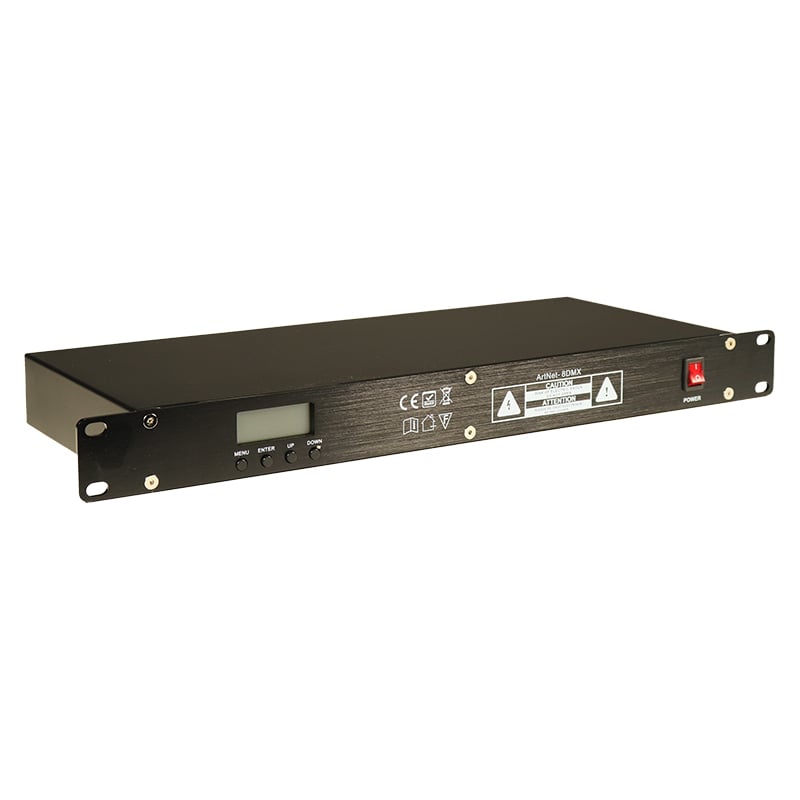
Art-Net protocol provides essential network-based integration that makes strobes compatible with advanced control systems through Ethernet infrastructure. This protocol converts traditional DMX data into network packets that can be transmitted over standard IT networks, enabling distributed control architecture across large installations. Strobes compatible with advanced control systems benefit from Art-Net implementation by accessing network-based control signals that offer greater flexibility and scalability than traditional point-to-point DMX connections.
Advanced control systems utilize Art-Net to manage strobe installations across multiple physical locations while maintaining centralized programming and monitoring capabilities. This network approach allows lighting operators to control strobes in different buildings, floors, or zones through a single interface. The protocol's ability to transmit multiple DMX universes over a single network connection makes it particularly valuable for large-scale installations where traditional DMX infrastructure would be impractical or cost-prohibitive.
Integration through Art-Net enables strobes compatible with advanced control systems to participate in sophisticated network topologies that include backup controllers, remote monitoring stations, and distributed processing nodes. This network architecture provides redundancy and failover capabilities that ensure continuous operation even if individual network components experience failures. The protocol's built-in discovery mechanisms also simplify system configuration and maintenance procedures.
sACN and Other Network Protocols
Streaming Architecture for Control Networks (sACN) represents another critical integration option that makes strobes compatible with advanced control systems through standardized network communication. This protocol provides multicast data transmission that efficiently distributes control information to multiple strobe fixtures simultaneously. Advanced control systems leverage sACN's prioritization features to ensure that critical control commands reach strobe fixtures even during network congestion or high traffic conditions.
The implementation of sACN in strobe integration offers advantages in network efficiency and system scalability compared to unicast-based protocols. Control systems can broadcast strobe programming data to entire fixture groups while individual units filter and respond to their assigned universe and channel information. This approach reduces network traffic and simplifies system architecture in installations with large numbers of strobes compatible with advanced control systems.
Additional network protocols such as KiNET and ESP provide specialized integration capabilities for specific applications where strobes must interface with advanced control systems under unique operational requirements. These protocols offer features like pixel-level control, high-speed refresh rates, and specialized color space handling that extend the compatibility options available for advanced strobe installations.
Signal Distribution and Infrastructure Requirements
Physical Signal Distribution Systems
Proper signal distribution infrastructure forms the backbone of systems that make strobes compatible with advanced control systems across professional installations. The physical architecture must accommodate signal amplification, splitting, and conditioning to ensure reliable communication between control interfaces and distributed strobe fixtures. Professional-grade signal distribution systems include features like electrical isolation, surge protection, and signal regeneration that maintain data integrity across extended cable runs.
Advanced control systems require robust signal distribution to maintain compatibility with strobes positioned throughout large venues or outdoor installations. Signal boosters and repeaters become essential components when control signals must travel beyond standard protocol limitations. These distribution components ensure that strobes compatible with advanced control systems receive adequate signal strength and quality regardless of their distance from primary control interfaces.
The selection of appropriate cabling, connectors, and termination methods directly impacts the reliability of systems designed to keep strobes compatible with advanced control systems. Professional installations utilize shielded cables, gold-plated connectors, and proper termination resistors to minimize signal degradation and electromagnetic interference. These infrastructure considerations become increasingly important as system complexity and installation scale increase.
Hybrid Distribution Architectures
Modern installations often implement hybrid distribution architectures that combine traditional DMX infrastructure with network-based protocols to optimize strobes compatible with advanced control systems. These hybrid approaches leverage the reliability of DMX for local fixture control while utilizing network protocols for long-distance communication and centralized management. The integration of both distribution methods provides redundancy and operational flexibility that enhances system reliability.
Hybrid systems enable strobes compatible with advanced control systems to benefit from the immediate response characteristics of DMX while accessing the scalability and management features of network protocols. Control systems can automatically switch between distribution methods based on operational requirements, network conditions, or fault detection algorithms. This adaptive capability ensures continuous operation and optimal performance under varying conditions.
Control Interface and Programming Integration
Console and Software Integration
Professional lighting consoles provide the primary interface for managing strobes compatible with advanced control systems through comprehensive programming and real-time control capabilities. These specialized control surfaces offer dedicated strobe control sections, preset management systems, and effect generators specifically designed for strobe operation. Advanced consoles integrate multiple control protocols seamlessly, allowing operators to manage DMX, Art-Net, and sACN networks through unified interfaces.
Software-based control systems extend the integration possibilities for strobes compatible with advanced control systems by providing computer-based programming environments with advanced visualization and simulation capabilities. These software platforms enable pre-programming of complex strobe sequences, integration with timecode systems, and automated show control functionality. The software approach offers flexibility in system configuration and the ability to implement custom control algorithms tailored to specific installation requirements.
Integration between hardware consoles and software control systems creates comprehensive management environments where strobes compatible with advanced control systems can be controlled through multiple interfaces simultaneously. This multi-interface approach provides operational redundancy and allows different operators to manage specific aspects of the strobe installation while maintaining overall system coordination.
Automation and Show Control Integration
Advanced control systems incorporate automation capabilities that make strobes compatible with sophisticated show control environments through timecode synchronization, trigger systems, and sequence programming. These automation features enable precise coordination between strobe effects and other production elements such as audio, video, and mechanical systems. The integration of automation ensures that strobe sequences execute with exact timing and repeatability required for professional productions.
Show control integration allows strobes compatible with advanced control systems to respond to external trigger sources, MIDI commands, and time-based cues without manual intervention. This automated operation capability becomes essential for installations where strobe effects must coordinate with pre-recorded content, live performances, or safety systems. The control systems provide the logic processing and interface capabilities necessary to manage these complex interaction requirements.
FAQ
What protocols are essential for making strobes compatible with advanced control systems?
The essential protocols include DMX512 for basic control communication, Art-Net for network-based distribution, and sACN for efficient multicast transmission. These protocols provide the foundation for reliable communication between control interfaces and strobe fixtures, enabling both simple and complex control scenarios in professional installations.
How do network-based protocols improve strobe integration with advanced control systems?
Network-based protocols like Art-Net and sACN enable distribution of control signals over standard IT infrastructure, allowing centralized management of strobes across large installations. These protocols provide scalability, redundancy, and remote management capabilities that traditional point-to-point DMX connections cannot match, making them essential for complex strobe installations.
What infrastructure considerations are important for strobe compatibility with control systems?
Critical infrastructure considerations include proper signal distribution through splitters and boosters, adequate cable shielding and termination, and network architecture that supports the required data rates and latency characteristics. The physical infrastructure must maintain signal integrity across the entire installation while providing redundancy and maintenance access points.
Can strobes be integrated with both DMX and network protocols simultaneously?
Yes, many modern installations use hybrid architectures that combine DMX and network protocols to optimize performance and reliability. This approach allows strobes to benefit from the immediate response of DMX while accessing the scalability and management features of network-based control, providing operational flexibility and system redundancy.
Table of Contents
- DMX Protocol Integration for Strobe Compatibility
- Network Protocol Integration Solutions
- Signal Distribution and Infrastructure Requirements
- Control Interface and Programming Integration
-
FAQ
- What protocols are essential for making strobes compatible with advanced control systems?
- How do network-based protocols improve strobe integration with advanced control systems?
- What infrastructure considerations are important for strobe compatibility with control systems?
- Can strobes be integrated with both DMX and network protocols simultaneously?