
 EN
EN


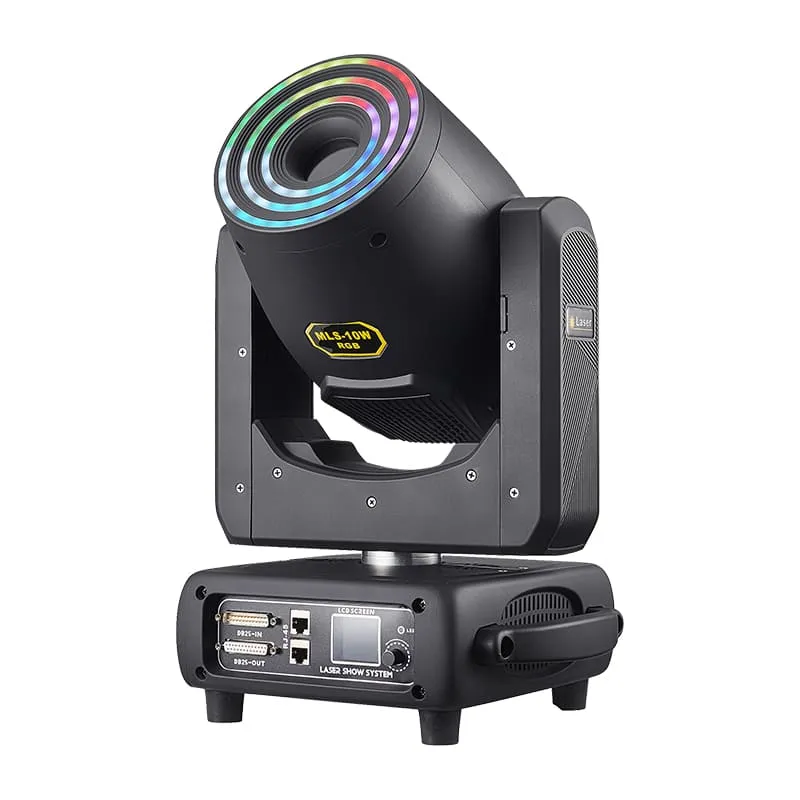
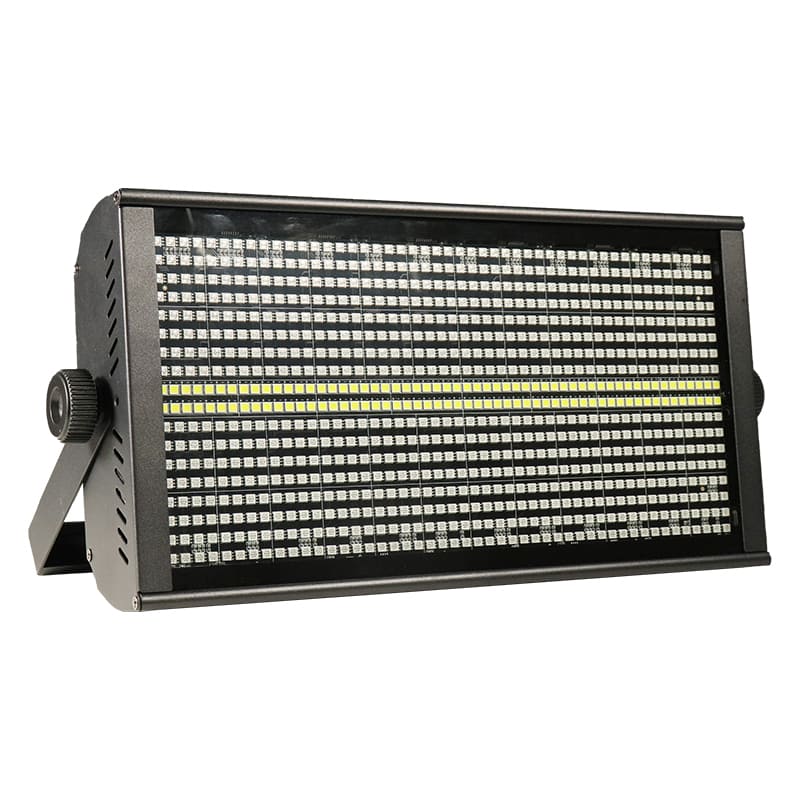
Strobes have become absolutely essential in concert lighting design because they create the most impactful visual moments that define memorable live performances. These powerful lighting effects generate intense bursts of light that synchronize with musical peaks, creating dramatic emphasis that amplifies the emotional connection between artists and audiences. The unique ability of strobes to freeze motion while creating dynamic visual sequences makes them indispensable for lighting designers who need to craft unforgettable concert experiences.
The significance of strobes extends far beyond simple visual impact, as they serve as critical timing devices that help coordinate complex lighting sequences with musical arrangements. Professional lighting designers rely on strobes to punctuate key moments in performances, create transitions between songs, and build intensity during climactic portions of concerts. Understanding why strobes are must-have effects requires examining their technical capabilities, psychological impact on audiences, and practical applications in various concert scenarios.
The Psychological Impact of Strobe Effects on Concert Audiences
Creating Heightened Emotional Responses
Strobes trigger powerful psychological responses in concert audiences by exploiting the human brain's natural reaction to sudden, intense light stimuli. The rapid succession of bright flashes creates a sense of urgency and excitement that directly correlates with adrenaline release, making audience members feel more engaged and emotionally connected to the performance. This physiological response is why strobes are particularly effective during high-energy musical moments, as they amplify the natural excitement generated by driving rhythms and powerful vocals.
The stroboscopic effect also creates a unique temporal distortion that makes audiences perceive time differently during performances. When strobes flash at specific frequencies, they can make fast movements appear slower or create the illusion of frozen motion, adding a surreal quality to live performances that cannot be replicated through other lighting techniques. This temporal manipulation enhances the overall concert experience by creating moments that feel suspended in time, allowing audiences to absorb and appreciate intricate stage choreography or instrumental performances.
Building Anticipation and Dramatic Tension
Professional lighting designers use strobes strategically to build anticipation before major musical moments, creating tension that enhances the impact of climactic sections. The irregular patterns and varying intensities of strobe effects can create uncertainty and suspense, keeping audiences on the edge of their seats as they anticipate the next musical or visual surprise. This psychological technique is particularly effective in genres like electronic dance music, rock, and pop, where dramatic builds and drops are central to the musical structure.
The ability of strobes to create dramatic silence through sudden cessation is equally important as their active effects. When strobes stop flashing abruptly, the contrast creates a powerful moment of visual quiet that can emphasize intimate musical passages or prepare audiences for explosive musical entries. This dynamic range between intense strobe activity and complete darkness gives lighting designers unprecedented control over audience attention and emotional state throughout performances.
Technical Advantages of Strobe Technology in Live Productions
Precise Timing Control and Synchronization
Modern strobes offer incredibly precise timing control that allows lighting designers to synchronize effects with specific musical elements down to fractions of seconds. Advanced strobe systems can be programmed to match exact BPM measurements, creating perfect alignment between visual and audio elements that enhances the overall production quality. This precision is crucial for complex productions where multiple lighting elements must work together seamlessly, and strobes serve as the backbone for timing coordination across entire lighting rigs.
The digital control capabilities of contemporary strobes enable lighting operators to create complex sequences that would be impossible with traditional continuous lighting. Variable flash rates, intensity curves, and pattern programming allow for sophisticated lighting choreography that responds dynamically to musical changes throughout performances. These technical capabilities make strobes essential tools for creating the layered, responsive lighting designs that audiences expect from professional concert productions.
Power Efficiency and Intensity Output
Strobes achieve maximum visual impact while using power more efficiently than continuous lighting systems, making them practical choices for large-scale productions with significant electrical demands. The brief duration of strobe flashes means that these fixtures can produce extremely high light output without generating excessive heat or consuming continuous power, allowing lighting designers to create dramatic effects without overwhelming venue electrical systems or creating uncomfortable temperatures for performers and audiences.
The concentrated light output of strobes also enables effective illumination of large venues and outdoor stages where traditional lighting might struggle to achieve sufficient brightness. Professional-grade strobes can project intense light over considerable distances, ensuring that even audience members in the furthest sections of large venues experience the full impact of lighting effects. This capability is essential for maintaining visual consistency across diverse venue sizes and configurations that touring productions encounter.
Creative Applications and Design Versatility
Musical Genre Adaptability
Strobes demonstrate remarkable versatility across different musical genres, adapting to support various artistic expressions and performance styles. In electronic dance music productions, strobes create the rapid-fire visual sequences that complement synthesized beats and electronic effects, while in rock concerts, they emphasize powerful drum hits and guitar riffs that define the genre's energy. Jazz and blues performances utilize strobes more subtly, employing gentle flash patterns to highlight instrumental solos without overwhelming the intimate musical atmosphere.
Classical and orchestral performances have increasingly incorporated strobes to modernize traditional presentations and attract younger audiences while respecting the dignity of classical music. Lighting designers working with orchestras use strobes sparingly but effectively, timing flashes to coincide with dramatic musical crescendos or to highlight specific instrumental sections during complex compositions. This careful integration demonstrates how strobes can enhance rather than overshadow musical performances when applied with appropriate sensitivity to genre requirements.
Integration with Other Lighting Elements
The effectiveness of strobes increases exponentially when integrated with other lighting technologies, creating layered visual experiences that engage multiple senses simultaneously. Strobes work particularly well with moving lights, wash lighting, and LED panels, creating depth and complexity that single lighting technologies cannot achieve alone. This integration allows lighting designers to create three-dimensional visual environments where strobes provide punctuation and emphasis while other lighting elements establish mood and atmosphere.
Advanced productions often combine strobes with pyrotechnics, video displays, and special effects to create multimedia experiences that define modern concert entertainment. The precise timing capabilities of strobes make them ideal for coordinating with these additional elements, ensuring that all visual components work together harmoniously rather than competing for audience attention. This coordination capability makes strobes central to the increasingly complex production values that audiences expect from professional entertainment experiences.
Safety Considerations and Professional Standards
Health and Safety Protocols
Professional use of strobes requires strict adherence to health and safety protocols designed to protect both performers and audience members from potential adverse effects. Lighting designers must consider photosensitive epilepsy risks and implement appropriate warning systems and flash rate limitations to ensure safe operation. Industry standards specify maximum flash frequencies and require clear audience warnings when strobe effects will be used extensively during performances.
Proper strobe deployment also involves consideration of performer safety, as intense flashing can affect stage visibility and potentially impact performance quality. Professional lighting operators coordinate closely with performers and stage management to ensure that strobe effects enhance rather than interfere with artistic presentations. This coordination includes establishing clear communication protocols and emergency procedures for situations where strobe effects might need to be modified or discontinued during performances.
Technical Installation and Maintenance
The installation and maintenance of professional strobe systems require specialized knowledge and equipment to ensure optimal performance and safety throughout extended touring schedules. Proper mounting, electrical connections, and cooling considerations are essential for preventing equipment failure during critical performance moments. Regular maintenance schedules and backup equipment protocols ensure that strobe effects remain reliable components of production lighting systems.
Quality strobes designed for professional applications incorporate advanced safety features including thermal protection, voltage regulation, and fault detection systems that prevent dangerous operating conditions. These safety systems protect both equipment investments and ensure consistent performance quality that professional productions demand. Understanding these technical requirements is essential for lighting designers who want to maximize the creative potential of strobes while maintaining professional safety standards.
FAQ
Are strobes safe for all audience members?
While strobes are generally safe for most people, they can trigger seizures in individuals with photosensitive epilepsy. Professional venues always post warnings about strobe use and limit flash frequencies to reduce risks. Lighting designers follow strict industry guidelines to ensure safe operation while maintaining artistic impact.
How do strobes synchronize with music during live performances?
Modern strobes connect to lighting control systems that receive timing information from audio sources or manual operator input. Advanced systems can automatically detect beats per minute and adjust flash rates accordingly, while operators can also manually trigger strobes to match specific musical moments for maximum artistic effect.
What makes professional strobes different from basic strobe lights?
Professional concert strobes offer precise timing control, variable intensity settings, and robust construction designed for touring environments. They also include safety features like thermal protection and can integrate with complex lighting control systems, unlike basic strobes that typically offer only simple on/off functionality.
Can strobes work effectively in outdoor concert venues?
Yes, high-powered professional strobes are specifically designed to work in outdoor venues where they must compete with ambient light conditions. These fixtures produce significantly higher light output than indoor models and include weather protection features necessary for outdoor entertainment applications.